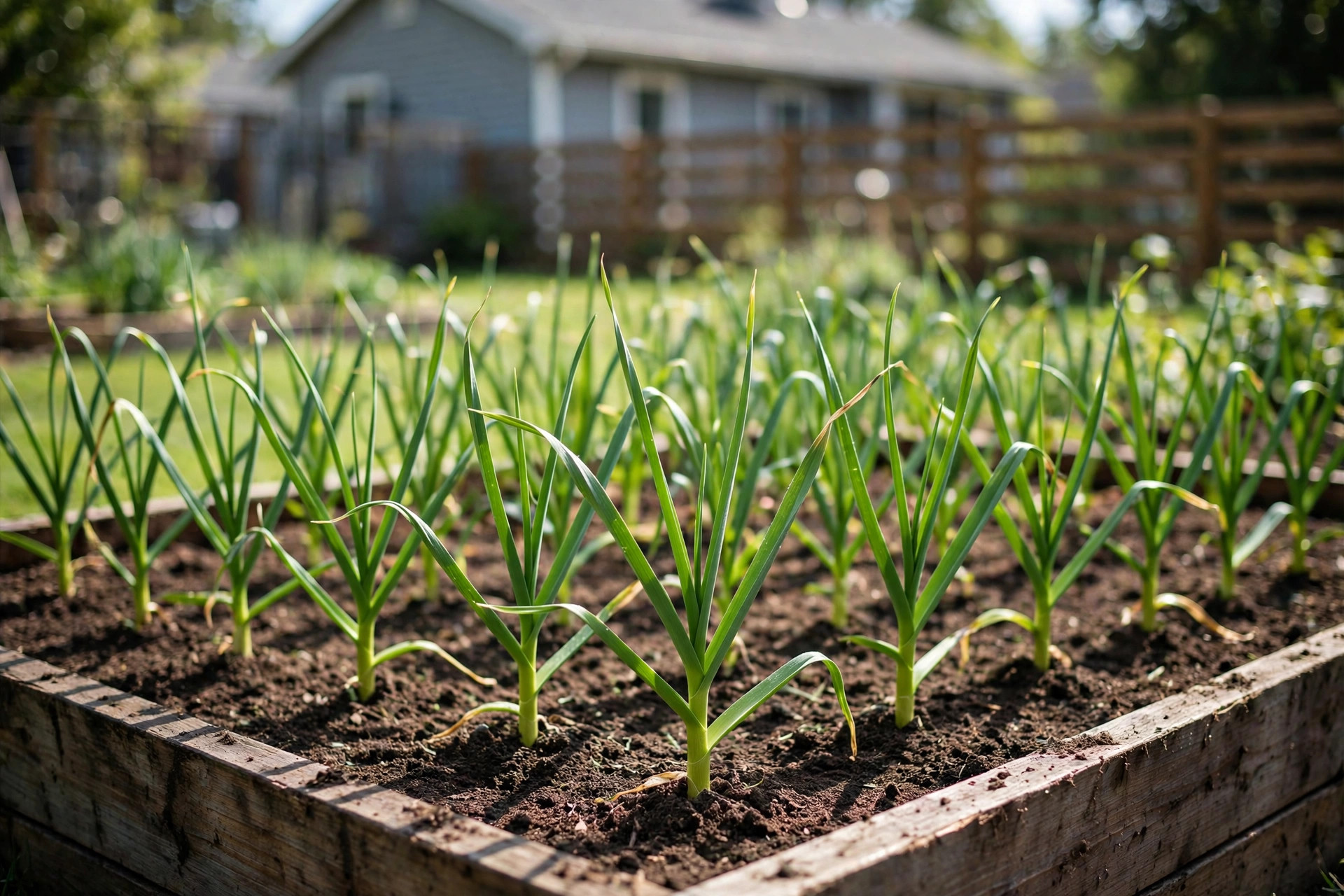

Growing your own garlic is one of the most rewarding things a home gardener can do. If you want to learn how to grow garlic at home, you will be glad to know that garlic is hardy, cheap to plant, and asks for very little care. One single bulb from the grocery store can turn into five or six fresh heads in a season. This guide walks you through every step, from picking your planting stock to storing your harvest, in plain words that any beginner can follow.
Why Growing Garlic at Home Is Worth Your Time
A bulb of garlic from the store costs only a few cents to plant, but it grows into a full head with five to ten cloves. No other common vegetable gives you such a large return for such a small start. Garlic is also one of the few crops that grows through the winter in most parts of the United States, so it fills a quiet season when most of the garden is asleep.
Home grown garlic tastes better than most store bought garlic. Many bulbs on the shelf are old, dried out, or grown for long shipping rather than flavor. When you grow garlic at home, you can pick strong tasting types such as Music or German Extra Hardy, or mild types such as Inchelium Red. You harvest them at full freshness, and you know that no heavy sprays were used on them.
Garlic is also easy to store. A well cured head of hardneck garlic keeps for four to six months. Softneck garlic keeps even longer, sometimes eight months or more. One fall planting can supply your kitchen from early summer right through winter.
Hardneck and Softneck: Know the Two Main Types: How to Grow Garlic At Home
Before you plant, learn the two main kinds of garlic. Hardneck garlic grows a stiff stalk through the middle of the bulb. It makes fewer but larger cloves, and the flavor is often strong and rich. Hardneck types do best in cold climates because they need a true winter chill to form large bulbs. They also send up curly flower stalks called scapes in early summer, which you can cut and cook like green onions.
Softneck garlic has no stiff central stalk. It makes more cloves per head, but the cloves are smaller. Softneck stores longer and is the kind most often sold in grocery stores. It grows best in mild climates with warm winters, such as the southern states and coastal areas.
Which Type Should You Plant?
Match the type to your winters. If your ground freezes hard for several weeks, plant hardneck. If your winters are mild and frost is rare, plant softneck. If you live between the two, try a few heads of each and see which grows best in your soil. Seed garlic catalogs at Burpee often note which zones each type suits, which can help you decide.
When and Where to Plant
Garlic is planted in the fall, not the spring. Plant it four to six weeks before the ground freezes hard. In cold states this means late September or October. In mild states it means November. The goal is to let the cloves grow roots before winter, but not to let them send up tall green leaves that cold weather could hurt.
Pick a spot that gets full sun, at least six hours of direct light each day. Garlic also needs soil that drains well. It will rot in ground that stays wet. A raised bed is ideal, because it drains fast and warms early. You can read more about good bed mixes in our guide to the raised garden bed soil mix recipe.
Test your soil if you can. Garlic likes a pH between 6.0 and 7.0. Loosen the soil eight to ten inches deep and mix in two or three inches of compost or rotted manure. Good loose soil lets the bulbs swell wide instead of growing squeezed and small.
What to Look for When Buying Seed Garlic
Do not plant cloves from garlic heads bought at the grocery store if you can avoid it. Much of that garlic is treated to stop sprouting, and some of it may carry disease. Buy certified seed garlic from a garden supplier instead. Look for these points when you buy:
– Heads that are firm and heavy, with no soft spots or mold – Large cloves, because big cloves grow into big bulbs – Types named for your climate zone, such as hardneck for cold areas – Seed garlic that is certified disease free
One pound of seed garlic plants about twenty five to thirty feet of row. For a small home bed, half a pound is often enough. Many shoppers compare prices at garden centers such as Lowe’s or at supply houses like Gardener’s Supply, but mail order seed garlic usually gives you more choice of named types.
Step by Step: How to Plant Garlic at Home
Planting is simple. Follow these steps and your garlic will be off to a strong start.
1. Break the Heads into Cloves
Gently pull the head apart. Keep the paper skin on each clove. Use only the largest outer cloves for planting. Save the small inner cloves for cooking.
2. Plant Each Clove Point Up
Push each clove into the loosened soil two inches deep, with the pointed end facing up and the flat root end down. Space the cloves six inches apart in every direction. Crowded cloves make small bulbs.
3. Cover with Mulch
After planting, cover the bed with four to six inches of straw, shredded leaves, or other clean mulch. Mulch keeps the soil temperature steady, holds moisture, and stops weeds. This step is more important in cold areas, but it helps everywhere.
4. Water Once at Planting
Give the bed a good drink right after planting so the soil settles around the cloves. After that, let fall rain do the work. Do not keep the bed wet through winter.
Many growers like to keep their planting tools sharp and ready before fall work begins; see how to sharpen garden tools properly if your hand tools have grown dull. Good sharp tools from makers like Fiskars and Corona make breaking and digging much easier.
Care and Watering Through the Seasons
Garlic asks for little, but a few habits will make your harvest much better.
In the fall after planting, leave the bed alone. The mulch does most of the work. In early spring, green shoots will push through the mulch. Pull the mulch back a little from the shoots so light can reach them.
Water deeply when the top two inches of soil are dry. Garlic needs steady moisture in spring while the bulbs are forming. Stop watering about two to three weeks before harvest time. Dry soil at the end helps the bulbs cure and keeps them from rotting.
Feed your garlic once in early spring with a balanced fertilizer or a side dressing of compost. Do not feed late in the season. Late feeding can cause thick necks and poor storage.
Weeds are the one thing garlic truly hates. Its roots are shallow, so weeds steal water and food fast. Pull weeds by hand when they are small. A thick layer of mulch will keep most of them down.
Cutting the Scapes
If you planted hardneck garlic, you will see curly green stalks called scapes rise from the center of each plant in late spring or early summer. Snap or cut them off when they curl once. This sends the plant’s energy into the bulb, which can make it larger.
Do not throw the scapes away. They are one of the best bonus foods in the garden. Chop them into stir fries, blend them into pesto, or grill them whole. They taste like mild garlic with a fresh green note.
When and How to Harvest
Garlic is ready to harvest when the bottom two or three leaves have turned brown but five or six green leaves are still left. Do not wait for all the leaves to die. Overripe bulbs split open in the ground and will not store well.
Dig on a dry day. Loosen the soil with a fork and lift each plant gently. Do not pull the bulbs by the stem, because that can bruise them. Shake off loose soil but do not wash the bulbs. Washing adds water that can start rot during storage.
Lay the whole plants, tops and all, in a single layer in a dry, shady, airy place for two to four weeks. A garage, barn, or covered porch works well. Good air flow is the key. Guides on The Spruce and Bob Vila both stress that poor air flow is the most common cause of storage rot.
Curing and Storing
After curing, the outer skins will feel papery and the roots will be dry. Cut the tops off about an inch above the bulb and trim the roots short. Keep the best and largest heads for planting next fall, and store the rest in a cool place around 60 degrees with low humidity. Never store garlic in the refrigerator for long periods, because cold can make the cloves sprout early.
Stored right, hardneck garlic lasts four to six months. Softneck garlic often lasts eight months. Check your stored bulbs once a month and use any that feel soft or show green sprouts.
Common Problems and How to Fix Them
Garlic has few pests, but a few troubles can show up. Here are the most common ones and what to do.
Small bulbs. This is usually caused by late planting, crowded spacing, or poor soil. Plant on time, give six inches of space, and mix compost into the soil before planting.
Bulbs that rot in the ground. This comes from wet soil. Plant in a raised bed or add sand and compost to heavy clay soil. Stop watering before harvest.
Pests. Onion maggots and thrips can bother garlic, but they are rare in a home garden. Rotating your planting spot each year, so garlic does not grow in the same place twice in a row, stops most soil problems. The Family Handyman garden section has more notes on simple crop rotation for small beds.
Disease. White rot shows as white fluffy mold on the base of the bulb. Pull and destroy the plant at once and do not plant garlic or onions in that spot for several years. Buying certified disease free seed garlic is the best way to avoid this.
Cost of Growing Garlic at Home
Garlic is one of the cheapest crops to start. Here is a rough picture of the costs for a small home bed.
Seed garlic costs about fifteen to twenty dollars a pound, and half a pound plants a small bed. Compost or soil mix may cost five to fifteen dollars if you do not make your own. A bag of straw mulch costs about ten dollars and is enough for a large area. A simple hand trowel and fork, if you do not own them, cost about twenty dollars for the pair, and quality tools reviewed by Consumer Reports can last for years.
In return, half a pound of seed garlic can grow into five to ten pounds of fresh garlic. At grocery prices of three to five dollars a pound, the harvest pays for itself many times over. Save your largest heads to replant each year, and the cost falls to almost nothing.
Safety Tips for Home Garlic Growing
Gardening is safe work, but a few cautions are wise. Wear gloves when you work compost or manure into the bed, and wash your hands after handling soil. Bend at the knees, not the back, when you dig or lift. Keep your tools clean and dry so they do not rust.
Do not eat any clove that looks moldy or rotted. Also, keep raw garlic away from pets. Garlic in large amounts is harmful to dogs and cats.
Frequently Asked Questions
Can I grow garlic indoors?
Garlic needs a cold spell to form large bulbs, so it does poorly indoors. It is best grown outside in the ground or in a deep outdoor pot. If you want to start plants inside, our article on how to start seeds indoors guide covers seedling care, but garlic itself belongs in an outdoor bed.
How long does garlic take to grow?
From fall planting to summer harvest takes about eight to nine months. The plant sits quiet through winter, grows fast in spring, and is ready in early to mid summer depending on your climate.
Can I plant garlic from the grocery store?
You can, but it often grows poorly. Store garlic is bred for long shelf life, not for your garden, and it may be treated to stop sprouting. Seed garlic from a garden supplier is safer and gives better results.
How many cloves does one bulb make?
One planted clove grows into one full head. A hardneck head usually holds four to eight large cloves. A softneck head often holds ten to twenty smaller ones.
Does garlic need full sun?
Yes. Give garlic at least six hours of direct sun each day. Plants in shade grow thin and make small bulbs. Pick the sunniest open spot in your yard.
Should I water garlic in winter?
No. Winter rain and snow are enough. Extra water in cold wet soil can rot the cloves. Water only in spring when the soil is dry and the plants are growing fast.
A Short Final Word
Learning how to grow garlic at home is a small effort with a rich reward. You plant in the fall, do a little weeding in the spring, and harvest fresh heads in the summer. The flavor is better than store bought garlic, the cost is tiny, and the crop stores for months. Start with half a pound of seed garlic suited to your climate, give it sun and good soil, and you will wonder why you did not plant it years ago.
References
Bob Vila. (n.d.). Home improvement advice. https://www.bobvila.com Burpee. (n.d.). Seeds, plants, and gardening supplies. https://www.burpee.com Consumer Reports. (n.d.). Product reviews and ratings. https://www.consumerreports.org Corona Tools. (n.d.). Garden and landscape tools. https://www.corona-tools.com Family Handyman. (n.d.). DIY home repair and maintenance. https://www.familyhandyman.com Fiskars. (n.d.). Garden and cutting tools. https://www.fiskars.com Gardener’s Supply Company. (n.d.). Gardening tools and supplies. https://www.gardeners.com Lowe’s. (n.d.). Home improvement products. https://www.lowes.com The Spruce. (n.d.). Home and garden advice. https://www.thespruce.com
Was this guide helpful?

About Jennifer Lee
The My Garden US editorial team writes practical, in-depth home and garden guides for American homeowners — tested advice, no fluff.
You May Also Like
Best Garden Soil Test Kit Reviews: What Your Garden Soil Is Telling You
April 12, 2026 1 views
How Much Soil Do You Need? A Raised Bed Soil Calculator Guide
March 11, 2026 0 views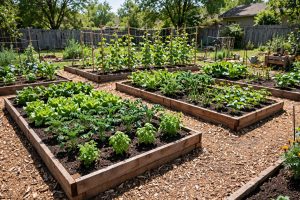
Garden Edging Ideas for Vegetable Beds: Borders That Work as Hard as You Do
August 31, 2026 0 views