When a shopper types freestanding soaking tubs deals near me into a search box, the wish is plain. A deep, calm bath at home. A fair price. A store or seller close enough to see the tub before money changes hands. The tub market gives plenty of chances to find that deal. It also gives plenty of chances to make a mistake. A cheap tub can hide thin walls, a weak finish, or a size that never fit the room. This guide walks through the subject step by step. It shows what these tubs are, why prices swing so wide, how to read a deal, and how to bring a tub home without regret.
Why a Freestanding Soaking Tub Can Be Worth the Cost
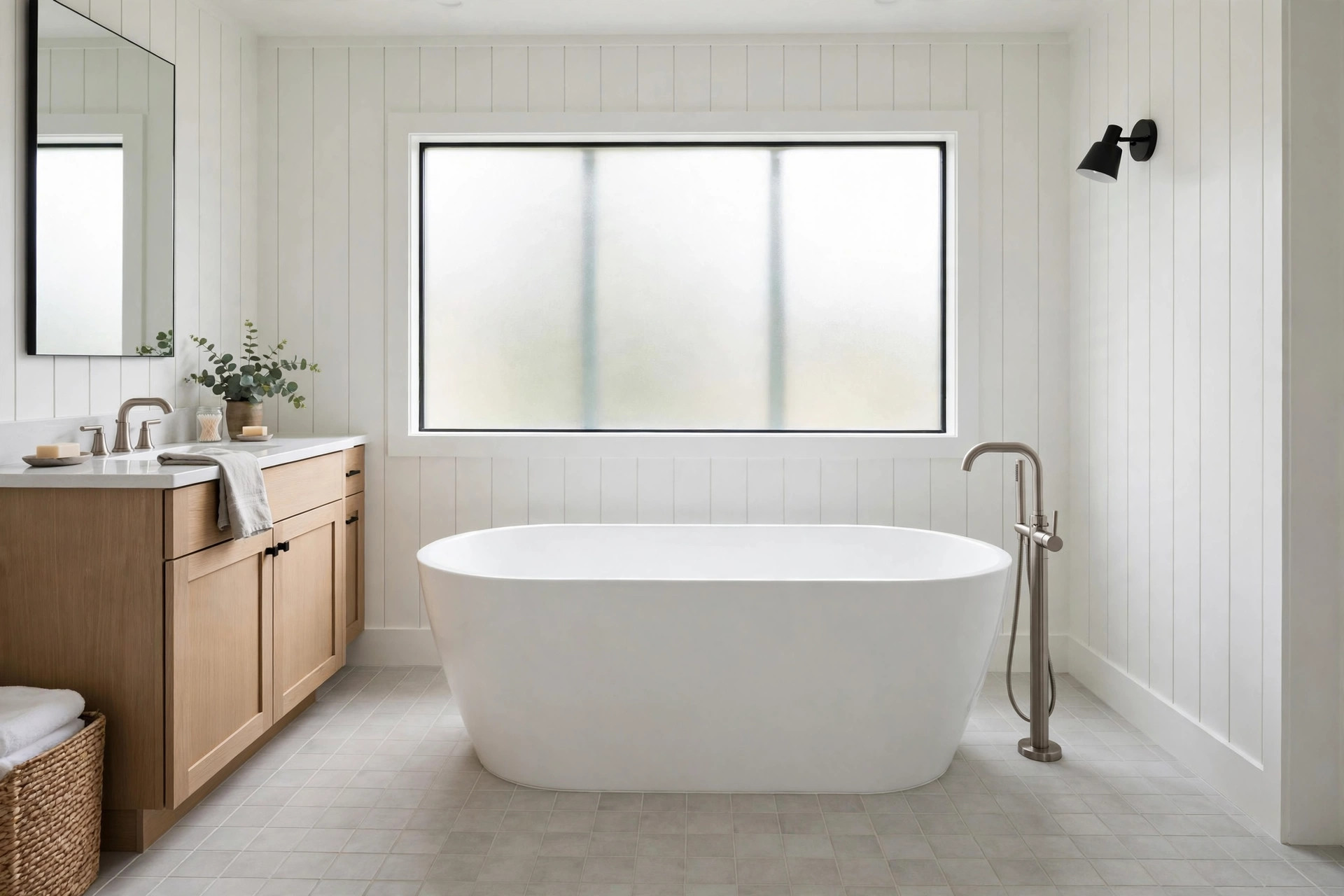
A freestanding tub stands alone in the room. It has no skirt, no deck, and no built-in wall. All four sides show. That one fact shapes the whole buying choice. The tub becomes a piece of furniture as much as a plumbing fixture.
A soaking tub is deeper than a standard tub. Water can rise to the shoulders as a person sits back. Standard tubs run about 14 to 16 inches deep inside. Soaking tubs often run 18 to 23 inches deep inside. That extra depth changes the bath. The body floats and muscles loosen in the heat. People with stiff backs or sore joints often say the deep soak is the reason they remodeled.
The look matters too. A freestanding tub can anchor a whole bathroom design. It pulls the eye and can give a plain room a spa feel. That is why deals draw such interest. Shoppers want the look and the comfort for less than the full retail price.
What to Look for Before You Buy: Freestanding Soaking Tubs Deals near Me
A deal is only a deal when the tub is worth owning. Four checks separate good tubs from trouble.
Size and Fit
Measure the room first. Then measure the door. Then measure the hallway. A tub that cannot reach the bathroom is no bargain at any price. Most freestanding tubs run 60 to 72 inches long and 28 to 32 inches wide. A 60-inch tub fits many standard bathrooms. A 67 or 72-inch tub suits taller bathers but needs more floor and more water.
Leave room around the tub. Two inches of clearance on each side is the minimum for cleaning. Twelve inches is more comfortable. Plan where the filler will stand and where the drain will sit. The drain should line up with the rough-in, or the plumber will move pipes and the bill will grow.
Material
Acrylic is the most common shell for deals. It is light, warm to the touch, and easy to clean. Good acrylic tubs have a fiberglass back and feel solid. Thin cheap acrylic can flex and crack. Cast iron tubs hold heat for a long time and feel rock solid, but they weigh 300 to 500 pounds and cost more. Stone resin and solid surface tubs look rich and keep heat well, and they sit in the mid to high price range. Copper tubs are beautiful and rare, and they almost never show up in a true deal.
Press the wall of the tub in the store. A solid tub does not give. A flimsy tub does. That simple test tells more than any brochure.
Faucet and Drain
A freestanding tub needs a freestanding filler or a wall mounted faucet. Fillers are the tall fixtures that stand on the floor beside the tub. They cost extra, often 200 to 600 dollars. Many deals skip the filler to look cheaper. Add the filler cost before comparing prices. Faucet brands such as Moen and tub fillers sold by Delta Faucet are common matches for these tubs, and matching the finish across tub, filler, and drain keeps the look clean.
Check the drain type. Some tubs use a standard drain that fits common plumbing. Others use a special drain sold only by the tub maker. A special drain can cost more and take weeks to arrive.
Floor Support
A filled soaking tub is heavy. Water weighs about 8.3 pounds per gallon. A 70-gallon tub plus the bather can push past 700 pounds. Wood floors may need extra support from below. Ask a contractor to check the joists before a heavy tub goes in upstairs. Skipping this step can lead to a sagging floor.
Readers who want a fuller walk-through of features can start with a general freestanding soaking tub buying guide before hunting for sales.
Common Types and Styles
Freestanding tubs come in a few main shapes. Each suits a different room.
The slipper tub has one raised end like an old clawfoot tub. The bather leans back in comfort. It suits classic and cottage bathrooms. The double slipper has both ends raised and fits two bathers or one very tall one.
The oval or egg tub is the modern favorite. It has soft curves and no raised ends. It fits many styles and is easy to clean because there are no corners.
The rectangular tub looks sharp and modern. It gives more room for the shoulders but needs a larger floor area.
The round tub is rare in homes. It suits large spa-style bathrooms.
Soaking tubs are sometimes confused with jetted tubs. A soaking tub has no jets. It is just deep water. A jetted tub has pumps and air or water jets. Jetted tubs cost more to buy, more to run, and more to fix. Many shoppers who search for deals find that a plain soaking tub gives the calm they want for less money.
Some bathrooms pair a tub with a shower. Shoppers weighing that choice may also look at walk in shower kits to compare costs before they decide.
Price and How Deals Work Near You
Prices for freestanding soaking tubs run wide. Knowing the bands helps a shopper judge any deal.
Budget tubs cost 500 to 1,000 dollars. They are usually acrylic, 60 to 63 inches, and sold by big box stores and online sellers. At a sale they can drop to 400 or 500 dollars. These can be fine when the shell is thick and the warranty is real. Known fixture makers such as Kohler publish whole lines of freestanding tubs, which is one reason so many sellers now compete on price.
Mid-range tubs cost 1,000 to 2,500 dollars. This is the sweet spot for most buyers. Acrylic and stone resin tubs live here. Finishes are better. Warranties run longer. Deals in this band often knock off 15 to 30 percent.
Premium tubs cost 2,500 to 6,000 dollars or more. Cast iron, copper, and designer stone tubs live here. Deals are rare but real, often on floor models or last year styles.
Where do local deals come from? Start with the big stores. Big box stores such as Home Depot and Lowe’s run bath sales several times a year, often around holidays. Their websites show local stock, so a shopper can see what sits in a nearby store before driving over.
Local plumbing supply houses are worth a call. They sell to contractors but many sell to homeowners too. They may match or beat big box prices, and their staff often know which brands hold up. Bathroom showrooms clear floor models when lines change. A floor model tub can sell for 30 to 50 percent off with only light handling marks.
Online sellers ship tubs to the home, but the word “near me” matters. Freight damage is the main risk with online tubs. A local pickup deal lets the buyer inspect the shell before paying. For online buys, check who pays return freight. It can cost hundreds.
Clearance and open-box deals deserve care. Ask why the tub is marked down. A scratched shell that will hide against a wall is fine. A cracked shell is not. Ask if the warranty still applies, and get the answer in writing.
Seasonal timing helps. Late winter and early fall often bring bath sales as stores turn over stock. Holiday weekends add coupons on top. A patient shopper who watches prices for a month often beats the first price seen.
Home project sites keep track of these cycles. This Old House and Bob Vila both publish buying advice and cost guides that help shoppers set a budget before they walk into a store.
Getting the Tub Home and Installed
A deal can sour at delivery. Ask these questions before paying.
Who delivers, and to what spot? A tub left at the curb is a problem. Curbside freight is common with online deals. White glove delivery brings the tub inside and costs more. For a heavy cast iron tub, professional delivery is worth it.
Who installs? A plumber should set the tub, connect the drain, and seal the base. Simple installs cost 300 to 600 dollars. Complex ones with moved pipes or new fillers cost 1,000 dollars or more. Get the install quote before buying the tub, not after.
What does the floor need? The tub must sit level. Many tubs need a mortar bed or a level platform under them. A tub that rocks will stress the drain and may crack.
Water heater capacity matters too. A deep tub can take 60 to 80 gallons. A small 40-gallon water heater may not fill it with hot water. That cost should join the budget before the tub is bought.
Care and Upkeep
A freestanding tub is easy to care for when the finish is good. Rinse it after each bath. Wipe it with a soft cloth and a mild cleaner. Skip abrasive powders and scouring pads. They scratch acrylic and dull the shine.
Watch the caulk line where the tub meets the floor. Water can sneak under the tub and damage the floor. Re-caulk when the line cracks or pulls away.
Acrylic can scratch. Light scratches can be buffed out with a fine polish made for acrylic. Cast iron with enamel can chip if a heavy object drops in. Chips can be repaired with enamel repair kits, but the patch may show.
Hard water leaves mineral rings. A mix of white vinegar and water cuts most rings. Rinse well after. Once a year, check the drain and the overflow for leaks. A small drip under a freestanding tub can rot a wood floor before anyone sees it.
Decorating around the tub is part of the fun. Many buyers pair the new tub with fresh fixtures across the room. Shoppers planning a wider refresh sometimes browse double sink vanities at the same time, since vanity and tub finishes look best when they match.
Safety for Children and Older Adults
A deep tub needs respect. Water that reaches an adult chest can cover a small child fully. Never leave a child alone in a soaking tub. The American Standard safety guides and similar maker resources all stress the same rule. It bears repeating.
Set the water heater to 120 degrees or lower. Soaking tubs tempt users to run hotter water. Burns happen fast above 140 degrees. Test the water before anyone gets in.
Older adults should check entry height. Freestanding tubs can have high sides. A sturdy step or a grab bar helps. Some buyers add a hand shower on the filler to make rinsing easier without standing.
Slip risk is real on wet tile. A bath mat outside the tub helps. Keep the floor dry between baths.
Frequently Asked Questions
How much should I expect to pay for a freestanding soaking tub on sale? Most good sale prices fall between 600 and 1,800 dollars for acrylic and stone resin tubs. Floor models can go lower. Add 200 to 600 dollars for a filler and 300 to 1,000 dollars or more for installation when you set the true budget.
Are cheap freestanding tubs from discount sellers worth it? Some are. The price alone does not tell the story. Check the shell thickness, the warranty length, and the brand name. A 500-dollar tub from a known maker on clearance can beat a 900-dollar tub from an unknown brand at full price.
Can I install a freestanding tub myself? A handy homeowner can set a light acrylic tub with basic plumbing skills. Heavy tubs, moved drains, and new filler rough-ins belong to a licensed plumber. Mistakes with water lines cause costly damage.
Do freestanding tubs use more water than built-in tubs? Usually yes. The deeper shape holds more gallons. Expect 50 to 80 gallons per fill. Check the water heater size before buying.
Will a freestanding tub fit in a small bathroom? A 60-inch oval tub fits many standard bathrooms if the layout allows two inches of clearance on the sides. Measure twice. A tub showroom visit helps more than a tape measure alone.
Where can I see tubs in person before I buy? Big box stores, plumbing supply houses, and bath showrooms keep floor models. Seeing the tub shows the true color, the depth, and the build quality in a way photos cannot. Design sites like HGTV and The Spruce can spark ideas, but the final choice should rest on a real look.
A Short Final Word
The search for freestanding soaking tubs deals near me works best as a slow hunt, not a fast grab. Measure the room. Set the full budget with filler and install included. Compare three prices. Inspect the shell. Ask about the warranty. The tub that results will give years of deep, quiet baths, and the deal will still feel good long after the receipt is filed.
References
American Standard. (n.d.). Bathroom and kitchen products. https://www.americanstandard.com Bob Vila. (n.d.). Home improvement advice. https://www.bobvila.com Delta Faucet. (n.d.). Kitchen and bathroom faucets. https://www.deltafaucet.com HGTV. (n.d.). Home and garden ideas. https://www.hgtv.com Kohler. (n.d.). Bathroom and kitchen fixtures. https://www.kohler.com Lowe’s. (n.d.). Home improvement products. https://www.lowes.com Moen. (n.d.). Faucets and plumbing fixtures. https://www.moen.com The Home Depot. (n.d.). Home improvement products. https://www.homedepot.com The Spruce. (n.d.). Home and garden advice. https://www.thespruce.com This Old House. (n.d.). Home renovation guidance. https://www.thisoldhouse.com
Was this guide helpful?

About Lisa Anderson
The My Garden US editorial team writes practical, in-depth home and garden guides for American homeowners — tested advice, no fluff.