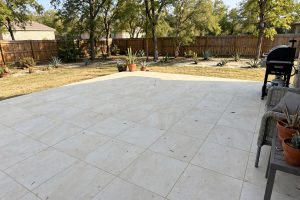

A bare concrete floor can be one of the hardest surfaces in a home, and also one of the plainest. Polishing turns that dull gray slab into a smooth polished concrete floor with a soft glow. It costs less than many other floors. It lasts for years. But the result depends almost entirely on the person who does the work.
That is why so many homeowners search for concrete polishing service near me reviews before they call anyone. Reviews can save you from a bad hire. They can also mislead you if you do not know how to read them. This guide shows you how to use reviews the right way, what a concrete polishing service really does, what it should cost, and how to keep the floor looking good for years.
Why Online Reviews Matter When Hiring a Concrete Polisher
Polished concrete is not like buying a box of tile. It is a trade. The quality of the finished floor depends on the skill of the operator, the condition of your slab, and the equipment brought to your home. Two contractors can quote the same job and produce very different floors.
Reviews are one of the few tools a homeowner has to judge skill in advance. A good review record tells you that the contractor finishes jobs and keeps appointments, that floors hold up over time, and that the company stands behind its work when something goes wrong.
Reviews also protect you from the most common problem in this trade: the contractor who polishes too fast. Each grinding step with a finer diamond removes the marks of the step before it. A contractor in a hurry skips steps. The floor looks fine for a month, then the shine fades. Homeowners who mention shine that lasted, or shine that did not last, are telling you something real.
What a Concrete Polishing Service Actually Does: Concrete Polishing Service near Me Reviews
A concrete polishing service grinds and hones a concrete slab with a series of diamond abrasives. The process is mechanical, not chemical. The crew starts with coarse metal-bonded diamonds to level the surface and remove old coatings, glue, or stains. Then they work through finer and finer diamond grits. Between steps they may apply a liquid densifier, which hardens the concrete and helps it take a shine.
The final look depends on the stopping point. A low polish, sometimes called a honed finish, has a flat, matte look with little shine. A medium polish has a soft satin glow. A high polish has a clear, mirror-like reflection. Most homes do well with a medium finish. It hides dust better than a high gloss and still looks rich.
Some slabs also get a stain or dye before polishing. This adds color to the concrete without adding a coating on top. Because polished concrete has no film coating to peel, it is popular in garages, basements, kitchens, and open living rooms. It does not trap allergens the way carpet can, and it mops clean.
Before any work begins, a careful contractor tests the slab. Old concrete may be too soft or too porous to polish well. Deep cracks need repair first. Moisture in the slab can cause trouble later. A contractor who inspects and explains these things before quoting is usually a professional.
How to Read Concrete Polishing Service Near Me Reviews Like a Professional
Start with the rating, but do not stop there. A company with 50 reviews averaging 4.8 stars is often a safer choice than one with 5 reviews and a perfect 5.0. A large number of reviews is harder to fake. Look at how recent the reviews are. A company that was excellent three years ago may have new crews today. You want to see good reviews from the last six to twelve months.
Read the words, not just the stars. Good reviews mention specifics: the crew arrived on time, the dust control worked, the floor looked even in daylight, the price matched the quote. Vague praise like “great job” tells you little. Specific complaints tell you a lot: swirl marks near the windows, dust on the counters, a promised gloss that turned out matte.
Pay attention to how the company answers bad reviews. Every contractor gets an unhappy customer now and then. The ones worth hiring respond calmly, take the problem seriously, and offer to fix it. A company that argues with reviewers or blames the customer in public will likely do the same with you in private.
Also check several sources. A company may have strong reviews on one site and weak reviews on another. Search sites, trade directories, and the company’s own social pages. When the same praise and the same complaints appear in several places, you are reading the truth.
Spotting Fake or Paid Reviews
Fake reviews are common in local services. Watch for reviews that read like advertising copy, with perfect grammar and brand names repeated too often. Watch for a burst of five-star reviews posted within a few days. Watch for reviewers whose profiles show reviews of businesses in ten different states.
Real reviews have texture. They mention the dog, the parking problem, the small scratch the crew came back to fix. Trust the reviews that sound like a neighbor talking, not a brochure.
Questions Reviews Cannot Answer
Reviews cannot tell you whether your own slab is a good candidate for polishing. They cannot tell you the exact price for your home. They cannot confirm that the contractor is licensed and insured in your state. Use reviews to build a short list of two or three companies. Then call them, ask for proof of insurance, and ask each one to visit your home and test the concrete before giving a price.
Types and Options for Polished Concrete
Not every polished floor looks the same. Understanding the options helps you read reviews with sharper eyes, because reviewers often compare different finishes without knowing it.
Honed finish. The grinding stops at a medium grit. The floor is flat and smooth with almost no shine. It is a good choice for workshops and busy family rooms. Dust and small scratches show less.
Satin or medium polish. The most common choice for homes. The floor has a gentle glow that deepens with the light in the room. It balances looks and upkeep.
High-gloss polish. The floor is ground to the finest grits and buffed to a mirror finish. It looks striking in a modern living room or showroom. It also shows every speck of dust, and it needs more care to keep its shine.
Stained or dyed concrete. Water-based stains or penetrating dyes add color, from warm earth tones to cool grays. The color sits inside the concrete, not on top of it, so it will not peel. Ask the contractor to show you color samples on your own slab, since concrete takes color differently from one pour to the next.
Exposed aggregate. The grinder cuts deeper into the slab to reveal the sand and stone inside the concrete. The result looks like terrazzo and hides wear well.
Some homeowners pair polished concrete in one room with other floors elsewhere. If your project mixes materials, it helps to read up on finishes for wood as well; our matte versus satin hardwood finish guide explains how sheen levels compare across different surfaces.
Cost and Price: What Homeowners Should Expect
Polished concrete floor cost per square foot varies by region, slab condition, and finish level. Across the United States, homeowners commonly pay between three and twelve dollars per square foot for residential work. Simple honed finishes on large, clean slabs sit at the low end. High-gloss work, deep grinding, crack repair, or staining push the price toward the top.
Be careful with quotes that seem too low. Proper polishing is labor intensive. A price far below the local average often means skipped steps, weak equipment, or no dust control. Good dust control matters. Grinding concrete without proper vacuums fills a house with fine dust that settles everywhere. Contractors who invest in industrial dust collection charge for it, and it is worth paying.
Ask each contractor for a written quote that lists the finish level, the number of grinding steps, whether densifier is included, crack repair charges, and the expected days on site. When reviews say the final bill matched the quote, that is one of the strongest signs of a trustworthy company.
Homeowners comparing quotes should also note that surface preparation can add real money. If your slab has old tile adhesive, carpet glue, or paint, removing it takes time. Some contractors include a per-hour rate for this prep work. Ask before the job starts, not after.
If you are hiring other floor services at the same time, the pricing lessons carry over. Our guide to carpet stretching service cost near me shows how written quotes protect you in a different trade.
Care and Upkeep After the Job
One reason homeowners choose polished concrete is that daily care is simple. Dry mop or sweep often. Dust and grit are the enemies of any floor. Left on the surface, they act like sandpaper under shoes and slowly dull the shine.
Wet mop with a neutral cleaner and clean water. Avoid acidic cleaners such as vinegar and citrus-based products. Acid can etch the surface and take the polish off over years. Many contractors sell or recommend a concrete-safe cleaner. Follow their advice for at least the first year.
Furniture needs felt pads. Polished concrete is hard, but heavy furniture dragged across it will scratch any finish. Place mats at entry doors to catch grit from shoes.
Every few years, the floor may need a fresh burnishing or a light re-polish, especially in heavy traffic lanes. This is a quick job compared to the first polish. Ask your contractor what maintenance schedule they suggest for your finish level, and put it in writing with your other documents.
Pet owners should know that polished concrete is friendly to animals. Claws cannot snag it the way they snag carpet or vinyl. Nails may leave fine marks on a high-gloss finish over time, but a satin finish hides them well.
For tile areas of the home, the same habits apply: gentle, regular cleaning beats harsh treatment; see our steam cleaner for tile grout reviews for a safe approach to grout.
Safety During and After Polishing
Concrete grinding creates silica dust, which is harmful to breathe. A professional crew seals off the work area with plastic sheeting, runs air scrubbers, and uses vacuums attached to the grinders. The house should not be a cloud of dust. If a contractor plans to grind your home with a basic shop vacuum, that is a reason to hire someone else.
The grinding equipment is heavy and the noise is loud. Keep children and pets away from the work area. Plan for several days of disruption in the rooms being polished. Ask the contractor about the daily schedule so your family can plan around it.
After the job, the main safety concern is slipperiness. Polished concrete can be slippery when wet, especially at a high gloss. Use bath mats and entry rugs. Some sealers and anti-slip treatments can improve traction without ruining the shine. Ask the contractor about options if your floor will often be wet, as in a laundry room or an entry from the yard.
Wet grinding produces a slurry that must be collected and disposed of properly, as environmental guidance on home chemicals also stresses for other projects.
Frequently Asked Questions
How long does concrete polishing take in a typical home?
A single room or a small basement usually takes two to four days. A whole main floor can take a week or more. Drying times for densifier and any stain add to the schedule. A contractor who promises a whole house in one day is cutting corners.
Can any concrete slab be polished?
Most slabs can, but some are poor candidates. Very soft, crumbly, or badly cracked concrete may not hold a polish. New concrete should cure for at least a month, and many contractors prefer longer. A site test with a small grinder tells the truth. Any contractor who quotes without seeing your slab is guessing.
How long will a polished concrete floor last?
With normal care, the polish lasts many years. In a home, a quality polish should look good for ten to twenty years before it needs serious rework.
Is polished concrete cold?
Concrete does feel cool underfoot, especially in winter. Area rugs warm up the living areas. For an existing home, rugs and slippers solve the problem for most people.
Does polishing work over existing tile or paint?
The tile or coating must come off first. Grinding through old paint, thinset, or glue is possible, but it adds labor and cost. The contractor needs to see what lies under the old floor before giving a firm price.
Will the floor look like the photos in the reviews?
Photos help, but every slab is different. Color, aggregate, and old stains vary from one pour to the next. Ask the contractor to polish a small test spot in a closet or corner. That test spot is the most honest preview you will get.
A Final Word
Hiring a concrete polisher is a matter of homework. Read concrete polishing service near me reviews with a careful eye. Look for specifics, recent dates, and honest company replies. Meet the contractors, watch how they test your slab, and get everything in writing.
References
Bob Vila. (n.d.). Home improvement advice. https://www.bobvila.com Consumer Reports. (n.d.). Product reviews and ratings. https://www.consumerreports.org Daltile. (n.d.). Ceramic and porcelain tile. https://www.daltile.com Family Handyman. (n.d.). DIY home repair and maintenance. https://www.familyhandyman.com LL Flooring. (n.d.). Hardwood, vinyl, and tile flooring. https://www.llflooring.com Lowe’s. (n.d.). Home improvement products. https://www.lowes.com Mohawk Flooring. (n.d.). Flooring products. https://www.mohawkflooring.com The Home Depot. (n.d.). Home improvement products. https://www.homedepot.com The Spruce. (n.d.). Home and garden advice. https://www.thespruce.com This Old House. (n.d.). Home renovation guidance. https://www.thisoldhouse.com
Was this guide helpful?

About Michael Thompson
The My Garden US editorial team writes practical, in-depth home and garden guides for American homeowners — tested advice, no fluff.
You May Also Like
The Best Caulk for Shower Corners: A Practical Guide for American Homes
July 15, 2026 0 views
Kitchen Backsplash Tile for White Cabinets: A Complete Guide
July 10, 2026 0 views
Best Flooring for Home Gym Basement USA: A Practical Guide
January 12, 2026 0 views