
Every home office needs a place for papers. Tax forms, medical bills, insurance letters, and school records pile up fast. A stack on the desk grows. Folders fall behind the desk. Important papers get lost. A budget friendly vertical file cabinet solves this problem without a big bill. This budget friendly vertical file cabinets buying guide will show you what to look for, what to avoid, and how much to pay.
Why a Vertical File Cabinet Matters
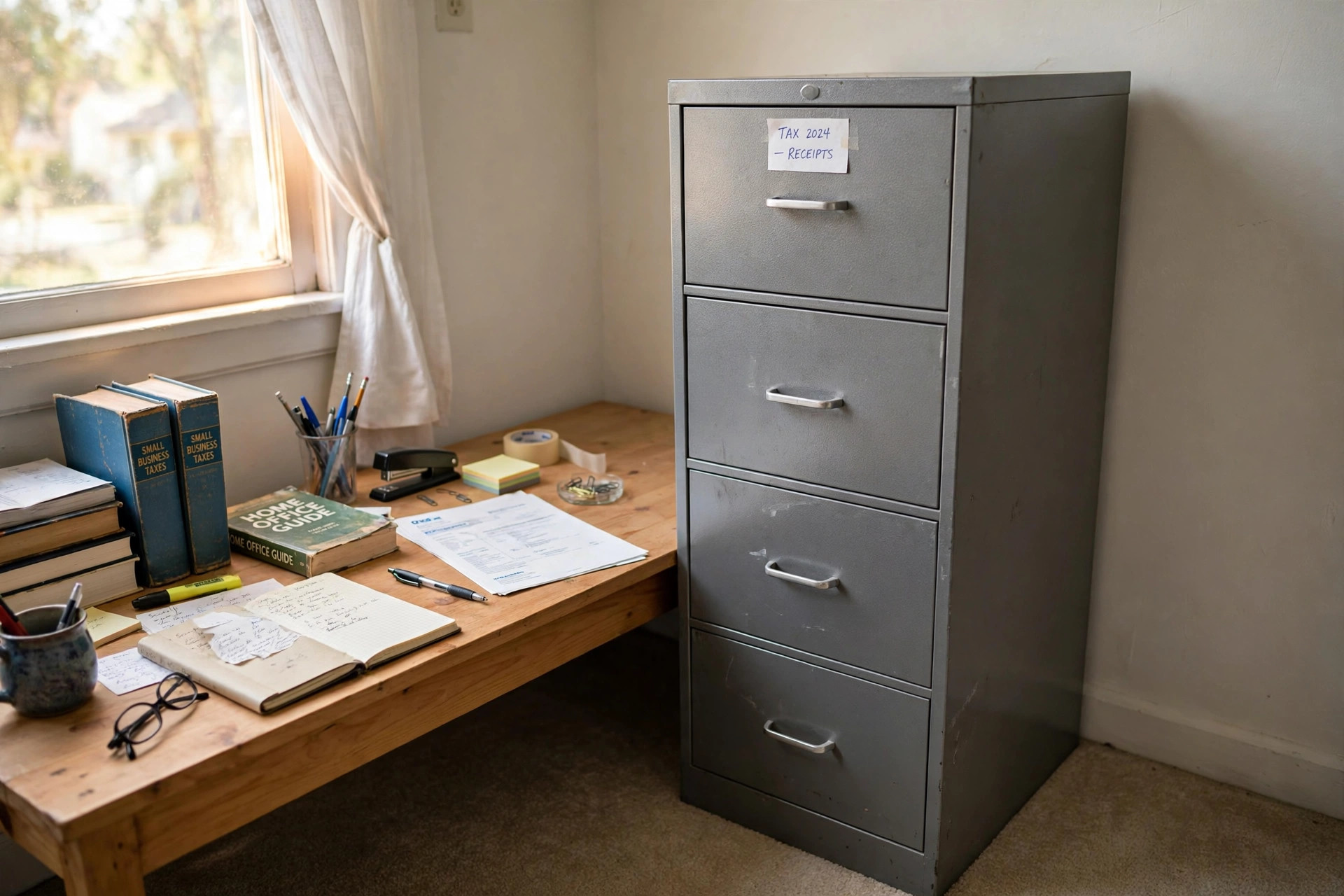
A vertical file cabinet is a tall, narrow box with deep drawers. Each drawer holds hanging folders. The folders hang front to back. You pull the drawer open, flip through the folders, and find the paper you need in seconds. That simple design has not changed in decades because it works.
Why does it matter for a budget buyer? First, it saves floor space. A vertical cabinet takes up about the same floor space as a small wastebasket, but it stores thousands of pages. That makes it ideal for a small home office, a bedroom corner, or a closet. A lateral cabinet is wider and needs more room. The vertical style fits in tight spots.
Second, it protects your papers. Loose stacks collect dust. They fall over. Pets walk on them. Coffee spills on them. A closed drawer keeps papers flat, dry, and clean. If you plan to keep tax records for seven years, as the IRS suggests, they deserve a real home.
Third, it saves time. When bills, deeds, and records each have a labeled folder, you find things fast. No more digging through a junk drawer before a bill is due.
What to Look for When You Choose One: Budget Friendly Vertical File Cabinets Buying Guide
A cheap vertical file cabinet can still be a good one if you know what to check. Keep these points in mind while you shop.
Drawer Count
Most budget models have two, three, or four drawers. Two drawers work if you only keep a few files. Three drawers fit a normal household. Four drawers hold a lifetime of records. Count your folders before you buy. Add one extra drawer for growth. A cabinet that is full on day one is a poor buy.
Size and Paper Fit
A letter-size cabinet holds letter-size folders, which are 8.5 by 11 inches. A legal-size cabinet holds longer legal folders. Legal cabinets cost more and take more space. For most American homes, letter size is enough. Check the drawer depth in the listing. It should be at least 15 inches for letter folders.
Material
Budget vertical file cabinets come in three main materials.
Steel is the most common. It is strong and lasts for decades. Thin steel can dent, but it still does its job. Steel cabinets often have a baked paint finish that resists scratches.
Wood and wood composite look warmer. They match living room furniture. Particle board versions cost less than solid wood. They are fine for light use but can sag if drawers are stuffed full.
Plastic rolling carts are the cheapest of all. They work for short-term use, such as a school year or a rental apartment. They do not last as long as steel.
Drawer Slides and Smooth Operation
Open and close the drawer in the store if you can. It should glide without sticking. Metal ball-bearing slides are better than simple friction slides. Check the weight rating. A full drawer of paper is heavy. A good cabinet will state how many pounds each drawer can hold. Thin drawers that bow in the middle will not last.
Locking
A lock keeps private papers safe. Many budget cabinets include a simple cam lock on the top drawer that locks all drawers at once. If you store medical or financial records, a lock is worth having. Keep the key in a safe place. Replacement keys can be ordered, but it takes time.
Finish and Color
Budget cabinets usually come in black, white, gray, putty, or a fake wood tone. Dark colors hide scuffs. Light colors brighten a small room. The finish should feel smooth, not rough. Rough paint chips fast.
Types and Options on a Budget
Two-Drawer Steel Cabinet
This is the cheapest real file cabinet you can buy. It costs the least and fits almost anywhere. Good for students, renters, and anyone with light filing needs. You can find these at office supply stores and on many home store websites, such as the Container Store or IKEA, which both carry small office storage lines.
Three and Four-Drawer Steel Cabinets
The classic office cabinet. Four drawers are the standard for a home office. Prices rise with drawer count, but the cost per drawer goes down. If you buy a four-drawer model, you may never need another cabinet. Brands like those sold through Home Depot and Wayfair cover this range well.
Rolling File Carts
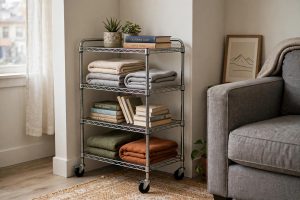
These are short carts on wheels with one or two drawers. They roll under a desk. They are cheap and handy for active files, such as current bills and school work. Pair one with a taller cabinet for archive files. If you want ideas for mobile storage, see our guide on top rated rolling storage carts for small apartments.
Fire-Resistant Models
A few budget brands sell fire-resistant vertical cabinets. They are heavier and cost more than plain steel. If you store birth certificates, property deeds, or a will, fire resistance adds peace of mind. Check the fire rating in minutes. A one-hour rating is common at the low end.
Filing Systems and Accessories
A cabinet alone is not enough. You need hanging folders, folder tabs, and labels. A basic set of hanging folders costs little. Many shoppers compare full setups in our home office filing systems price comparison usa guide. Office supply sites such as Staples and Office Depot sell folder sets in bulk at low prices.
Cost and Price: What Budget Really Means
Budget friendly means different things in different stores. Here is a plain look at real prices in 2026.
Two-drawer steel cabinets usually run from about 40 to 80 dollars. Three-drawer models run from about 60 to 120 dollars. Four-drawer models run from about 90 to 180 dollars. Plastic rolling carts can cost as little as 25 to 50 dollars. Fire-resistant models start near 200 dollars and go up.
Watch for hidden costs. Shipping a heavy steel cabinet can add 20 dollars or more. Some stores offer free pickup at the store, which saves that fee. Assembly is usually not needed for steel cabinets, since they ship in one piece. Wood composite cabinets need assembly, which takes 30 to 60 minutes.
Used cabinets are worth a look. Office liquidations, thrift stores, and local listings often sell steel cabinets for 10 to 30 dollars. Steel lasts so long that a used one can be a great deal. Check that all drawers open and the lock works before you pay.
To keep the total low, buy folders and labels at the same time in one order. Bundles cost less than buying pieces one by one.
Care and Upkeep
A vertical file cabinet needs almost no care. Wipe it with a damp cloth when it gets dusty. Do not use harsh cleaners on painted steel. They can dull the finish.
Do not overload the drawers. Paper is heavy. A drawer packed tight puts stress on the slides. Leave a little room at the back of each drawer so folders can slide.
Use the anti-tip feature if your cabinet has one. Many cabinets let only one drawer open at a time. This keeps a full tall cabinet from tipping forward. If yours does not have this, open only one drawer at a time as a habit.
Keep the cabinet level. If it rocks on the floor, shim one corner with a small piece of cardboard. A level cabinet opens more smoothly.
Once a year, pull each drawer out and check the back corners for bent metal. Bend them straight with pliers if needed. A drop of light oil on the slides keeps them moving quietly.
Safety Tips
File cabinets can tip and hurt people. This is a real danger, especially for small children. Always anchor a tall cabinet to the wall if you can. A simple L-bracket and two screws cost almost nothing.
Never let children climb on open drawers. The Consumer Product Safety Commission warns about tip-over injuries from heavy furniture. Read their guidance on anchoring furniture if you have young children at home.
Put the heaviest files in the bottom drawer. This lowers the center of gravity. It makes the cabinet more stable.
If the lock sticks, do not force the key. A shot of dry graphite lubricant in the lock usually fixes it. Forcing a key can snap it off inside.
Where to Shop for the Best Deal
You do not need to visit ten stores. Start with two or three trusted sellers and compare.
Big home improvement retailers carry budget steel cabinets year round. Office supply chains run sales in August and January, when students and offices restock. Warehouse clubs sometimes carry four-drawer models at low unit prices.
Read reviews before you buy. Look for comments about drawer smoothness and denting in shipping. A cabinet with hundreds of reviews and a high rating is a safer bet than one with none. Consumer Reports tests office furniture and publishes ratings that help buyers compare build quality.
For setup ideas and room layouts, The Spruce has plain guides on home office storage. If you plan to build the cabinet into a larger project, Family Handyman offers step-by-step storage builds.
If you shop in Texas, our page on buy vertical file cabinets online in texas lists state-specific options and delivery notes.
Frequently Asked Questions
How many drawers do I need for a home office?
Most home offices do fine with three or four drawers. Count your current folders first. Plan for two to three years of growth. It is cheaper to buy the right size once than to buy a second cabinet later.
Are cheap vertical file cabinets sturdy enough?
Yes, if you pick steel and check the weight rating. Thin steel can dent, but it still holds paper well. Avoid the thinnest plastic models for long-term storage. They warp under heavy loads.
What is the difference between letter and legal size?
Letter-size folders are 8.5 by 11 inches. Legal-size folders are 8.5 by 14 inches. Legal cabinets are deeper and cost more. Most home papers are letter size, so a letter cabinet fits most buyers.
Can I put a file cabinet on carpet?
Yes. Heavy cabinets sit fine on low-pile carpet. On thick carpet, the cabinet may lean. Place a flat board under it to keep it level. Always open only one drawer at a time on soft floors.
Do I need a lock on my file cabinet?
A lock is smart if you store tax records, medical files, or anything with account numbers. Most budget cabinets include a simple lock. If yours does not, you can add a small filing cabinet lock for a few dollars.
How do I keep hanging folders from sliding around?
Use the metal frame rails that come with the cabinet. Make sure each folder has its hanger bars fully seated on the rails. Do not mix letter and legal folders in one drawer. Keep folders upright and evenly spaced.
A Short Final Word
A budget friendly vertical file cabinet is one of the simplest upgrades a home office can get. It costs little, lasts for years, and turns paper chaos into order. Pick the right drawer count, check the slides, anchor it to the wall, and keep one drawer free for growth. Do that, and your papers will stay safe, dry, and easy to find for a long time to come.
References
Consumer Reports. (n.d.). Product reviews and ratings. https://www.consumerreports.org Family Handyman. (n.d.). DIY home repair and maintenance. https://www.familyhandyman.com IKEA. (n.d.). Home furnishings. https://www.ikea.com Office Depot. (n.d.). Office supplies and furniture. https://www.officedepot.com Staples. (n.d.). Office supplies and furniture. https://www.staples.com The Container Store. (n.d.). Storage and organization products. https://www.containerstore.com The Home Depot. (n.d.). Home improvement products. https://www.homedepot.com The Spruce. (n.d.). Home and garden advice. https://www.thespruce.com U.S. Consumer Product Safety Commission. (n.d.). Product safety information. https://www.cpsc.gov Wayfair. (n.d.). Furniture and home goods. https://www.wayfair.com
Was this guide helpful?

About Robert Taylor
The My Garden US editorial team writes practical, in-depth home and garden guides for American homeowners — tested advice, no fluff.
You May Also Like

Craft Room Storage Cabinets Reviews and Buying Guide
June 1, 2026 0 views
Best Under Bed Storage Containers for USA Homes: A Simple Buying Guide
February 24, 2026 0 views
Space Saving Rolling Storage Carts With Free Shipping: A Buyer’s Guide
August 23, 2026 0 views