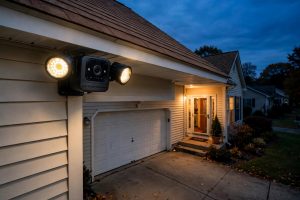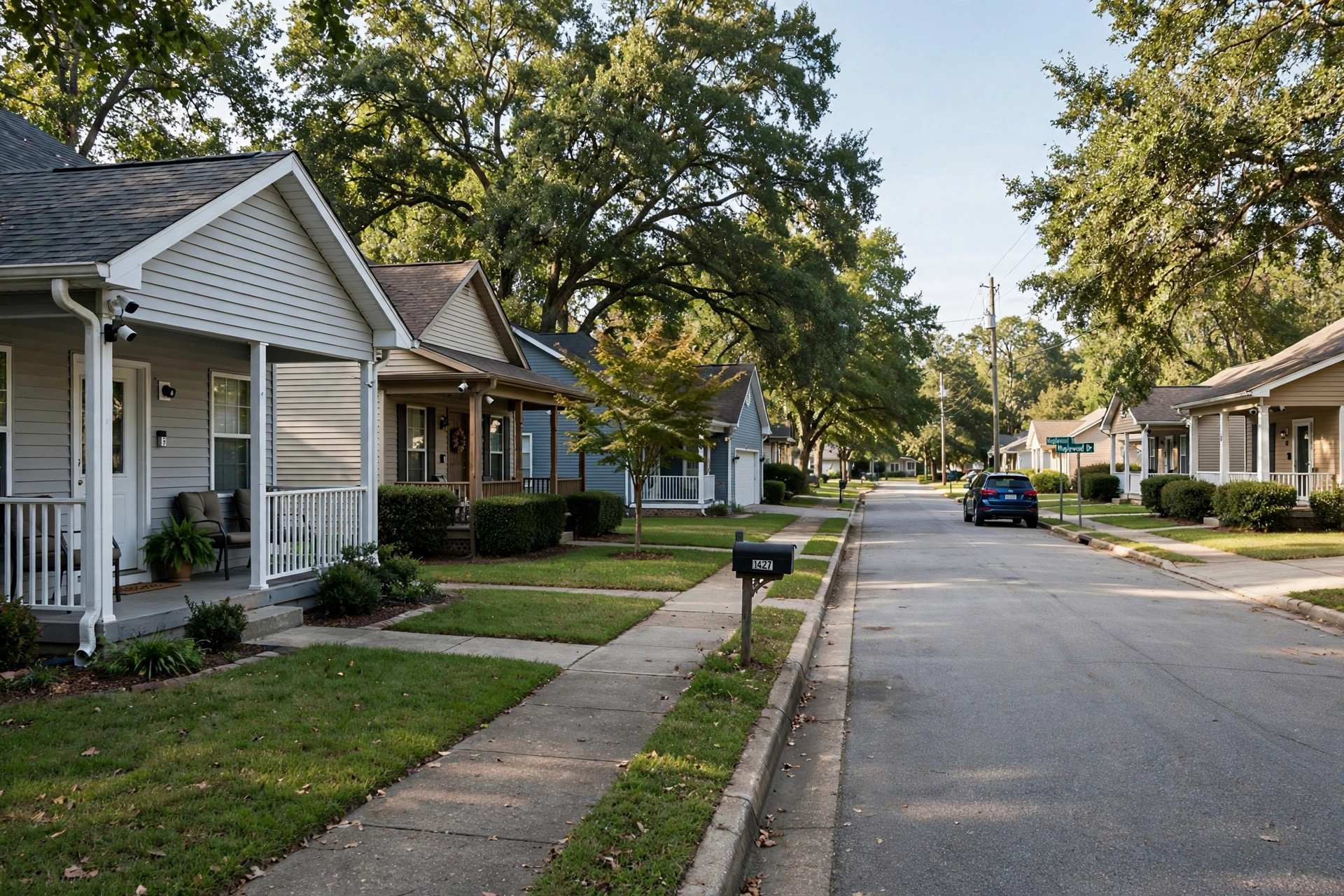

In the search for the best neighborhood watch camera sharing apps usa residents rely on, one truth stands out. A single camera can only see so much. A whole street of cameras, linked through a shared app, can see much more. When a porch pirate steals a package on Oak Street, the neighbor’s doorbell across the road may have caught the car. When a strange car slows down near the park, three homes may hold three different angles. These apps let neighbors trade clips, flag alerts, and look out for each other. They are not a replacement for the police. But they are a strong new layer in home security, one that many blocks across the country now use every day.
Why Neighborhood Camera Sharing Matters
Crime does not respect property lines. A burglar who skips your house may hit your neighbor. A lost dog may be caught on four cameras before anyone sees it in person. Shared video changes the picture. It gives the group a wider set of eyes.
The first value is speed. In the old days, a neighbor had to knock on doors and ask if anyone saw something. Now a post with a thirty-second clip can reach the whole block in seconds. That speed helps in real time. If someone is checking car doors at two in the morning, a live alert can bring neighbors to windows and scare the intruder off before harm is done.
The second value is evidence. Police work better with clear video. A single blurry clip may not help much. But clips from two or three homes can show a face, a car plate, and the time of the act. Officers in many towns now ask watch groups for video after a crime. A well-run group that saves and shares clips can shorten a case by weeks.
The third value is peace of mind. Many people feel safer when they know their neighbors are watching. Older residents, parents with children, and people who travel for work all sleep better with a quiet network around them.
What to Look for in a Camera Sharing App: Best Neighborhood Watch Camera Sharing Apps Usa
Not all apps do the same job. Some come from camera makers. Others are built only for community alerts. Before you pick one, check the points below.
Clear Video and Easy Clips
The core of the app is video. Look for high resolution, at least 1080p, with smooth night vision. Motion clips should be easy to save, trim, and send. If sharing a clip takes five steps, people will stop sharing. The best tools let you send a clip in two taps. Reviews of smart doorbells at Ring show how much users value quick clip sharing from the phone.
Privacy Controls
A good app must let you hide what you do not want to share. You should be able to share one clip without giving away your full feed. Look for apps with per-clip sharing, blurred zones, and the choice to stay anonymous when posting. A mask or zone setting that hides a bedroom window or a neighbor’s yard is a must. Safety guidance from the U.S. Consumer Product Safety Commission reminds users to check privacy settings on every connected device in the home.
Simple Alerts
The app should push alerts that are short and clear. A map view helps. So does a way to mark posts as urgent or not. The group should be able to set quiet hours so that alerts at three in the morning are only for real trouble. An app that spams the block with low-value posts will be turned off fast.
Camera Compatibility
Many blocks run mixed gear. One house may have a Google doorbell, another a Ring camera, a third a local brand. The app should accept uploads from any phone, not only from one brand’s cloud. Community apps that work with any camera footage tend to grow faster in mixed neighborhoods.
Main Types of Camera Sharing Apps
The best neighborhood watch camera sharing apps usa users pick tend to fall into three types. Most blocks end up using one from each type, or two apps at most.
Doorbell and Camera Brand Apps
These are the apps that come with your own cameras. Ring’s Neighbors feature is the best-known example. If you own a Ring doorbell or camera, you can post clips to a local feed where nearby users see them. Google’s Home app serves a similar role for Nest camera owners, and tests at the Google Store often highlight the sharing and event history features.
The strength here is direct access to your own video. You are already paying for the camera and the cloud plan, so sharing is nearly free. The weakness is reach. Only users of that brand see the feed, so a mixed block needs more than one brand app.
Watch Group and Alert Apps
These apps are brand free. Citizen and Nextdoor are the two most cited in the United States. Citizen pushes live safety alerts based on location, and users can share video of incidents. Nextdoor is more of a town square, with crime and safety as one section, where neighbors post doorbell clips and warnings. Tech coverage at The Verge has tracked how these apps changed the way blocks report events.
The strength here is the crowd. Anyone can join, with any camera or none at all. The weakness is noise. Open feeds can fill with rumors and posts that turn out to be nothing. A good block sets rules: post video, state the time, skip guesses.
HOA and Building Apps
Planned communities, gated subdivisions, and apartment blocks often use their own tools. Some HOAs run a private group on a general app with tight rules. Others use security apps tied to the gate system, where a guard can push an alert to every home. Reviews at CNET and PCMag note that managed communities get the most from these tools when one person curates the feed.
The strength here is trust. Membership is closed, and posts stay inside the community. The weakness is scale. A small building may have too few cameras to matter, and setup depends on the HOA board.
How to Set Up a Watch App on Your Block
Starting is simpler than most people think. One person, the organizer, does the first steps. The rest is habit.
First, pick one app for the group. Poll the street. Ask what cameras people already own. If most homes use Ring, start with the brand app. Two apps are the most a block should run.
Second, write five simple rules and pin them. Good rules include: share clips with a date and time, never post a person’s name unless police confirm it, no politics, no ads, and no reposting old clips as if they are new. Keep the tone calm. A panicked group makes bad calls.
Third, invite the street. Paper flyers still work well for this. A short note in the mailbox with the app name and a join code beats a long email. Aim for ten homes in the first week. A group of three is a chat. A group of ten is a watch.
Fourth, test the system. Ask each home to post one test clip from their camera. This shows who can share and where the blind spots are. For homes that need gear, guides to a video doorbell for apartments with no wiring help renters join without drilling or wiring.
Fifth, link the group to local police if they offer it. Some departments run camera registry programs. You list your camera’s location, not your video feed. After a crime nearby, officers ask registered owners for clips.
Cost and Price
Most camera sharing apps are free to join. The money goes to the cameras and the storage plans.
A basic video doorbell costs around one hundred to two hundred fifty dollars. Outdoor cameras run fifty to three hundred dollars each. Cloud storage plans, which keep clips for sharing later, run three to ten dollars a month per camera. Many brands give a free tier with short clip history, but sharing old clips needs a paid plan.
Watch group apps like Citizen and Nextdoor are free. Some add paid tiers with extra features, such as longer alert history or professional monitoring. A full alarm system with cameras, from companies like SimpliSafe or ADT, costs more but folds sharing, monitoring, and police dispatch into one bill.
For a block, the cheapest strong setup is free community app plus one camera per home. Total cost per home stays under two hundred dollars for the first year in many cases. The real cost is time. Someone must watch the feed and keep the rules.
Care and Upkeep
An app is only as good as the cameras feeding it. Once a month, the organizer should remind the block of a short checklist.
Clean the lenses. Dust, spider webs, and rain spots blur night video. A soft cloth and five minutes fix most of it. Check the angle. A camera pointed at the sky after a storm helps no one. Trim bushes that block the view of the sidewalk.
Update the apps. Camera makers push fixes for security flaws through app updates. An out-of-date app is a weak point. Turn on two-step sign in on every camera account. Shared clips are safe. Shared accounts are not. Never share your camera login with the group.
Review privacy zones twice a year. A new deck, a moved fence, or a neighbor’s new window can change what a camera sees. Reset the mask so the feed shows the street and your yard, not someone’s bedroom. This small step keeps trust high.
Also, prune the group now and then. Remove homes that moved away so the feed stays fresh and useful.
Safety
Shared video is powerful, and power needs limits. Never confront a suspect yourself. Video is for the police, not for a chase. Post the clip, call the non-emergency line, and let officers act. This rule has saved lives.
Do not name people in posts. A person on camera is a suspect, not a convict. Misidentification ruins lives and can bring lawsuits. State what the camera shows and the time. Nothing more.
Watch for bias. Open feeds can drift into posts about people who simply look out of place. The block should agree that posts need a real event before anyone shares a face.
Keep kids out of the feed. Do not post clips of other people’s children, even with good intent. If a child is lost, work through parents and police first. A public post can spread faster than the facts.
Finally, know the local law. Audio recording rules differ by state. Some states need all parties to agree to audio recording. Camera owners should check their state rules and turn off audio recording where the law requires it. Independent testing from Consumer Reports often covers how camera makers handle audio and privacy by default.
FAQ
Do I need a camera to join a neighborhood watch app?
No. Most apps let you join as a viewer. You can read alerts, see shared clips, and add text reports. But the group works best when most homes have at least one camera. A viewer-only street has eyes but no record. If cost is the block, a simple doorbell camera is the best first buy.
Which app works with any camera brand?
Brand-free watch apps accept video from any phone. You record or save the clip from your own camera app, then upload it to the group feed. This is the easiest path for a mixed street. The trade is manual work. Brand apps share in one tap, while brand-free apps need an export and an upload.
Can police see our shared clips?
Only what the group chooses to share. Public posts on open apps can be seen by anyone, including police. Private group posts stay inside the group unless a member shares them out. Some towns run camera registry programs where you share your camera’s location, not the feed, and officers ask for clips case by case. Read the app’s privacy terms before you post.
How do I stop false alerts from flooding the group?
Set quiet hours and post rules. Ask members to label posts as urgent or FYI. One or two admins should delete duplicates and old reposts. Most apps let you mute topics. If a member keeps posting rumors, the admin should warn once, then remove. A calm feed is a useful feed.
Is it legal to share doorbell video of my street?
In most of the United States, video of public areas like streets and sidewalks is legal to record and share. Audio rules are stricter and vary by state. Faces of adults in public are generally fine to share for safety purposes, but avoid naming people and avoid sharing clips of children. When in doubt, share the clip with police first and let them decide what goes public.
What camera should I buy to start sharing?
Start with a video doorbell. It covers the front walk, the porch, and the street edge, which is where most incidents happen. If your doorbell choices confuse you, a side-by-side Ring vs Nest doorbell comparison for 2026 lays out the trade-offs. For a parent watching over an older relative, a guide to an elderly monitoring camera for home use covers indoor options that respect privacy while keeping family in the loop.
A Final Word
The best neighborhood watch camera sharing apps usa blocks use share one trait. They turn lone cameras into a team. The technology is simple. The habit is what matters. Pick one app. Set clear rules. Invite the street. Share real clips with real times. Respect privacy and let police do the chasing. Do that, and your block will not just feel safer. It will be safer, with video to prove it.
References
ADT. (n.d.). Home security and automation. https://www.adt.com CNET. (n.d.). Technology news and reviews. https://www.cnet.com Consumer Reports. (n.d.). Product reviews and ratings. https://www.consumerreports.org Google Store. (n.d.). Smart home devices. https://store.google.com PCMag. (n.d.). Technology product reviews. https://www.pcmag.com Ring. (n.d.). Smart home security devices. https://www.ring.com SimpliSafe. (n.d.). Home security systems. https://www.simplisafe.com The Verge. (n.d.). Technology news and reviews. https://www.theverge.com U.S. Consumer Product Safety Commission. (n.d.). Product safety information. https://www.cpsc.gov
Was this guide helpful?

About Robert Taylor
The My Garden US editorial team writes practical, in-depth home and garden guides for American homeowners — tested advice, no fluff.
You May Also Like
Best Baby Monitor With Camera Reviews USA
August 31, 2026 0 views
Smart Plug for Space Heater Safety Reviews
March 31, 2026 0 views
Best Learning Thermostat for Seniors USA: A Plain Guide to Simple Comfort
May 4, 2026 0 views