
Why the Best Iron On Vinyl for Cricut Projects USA Matters
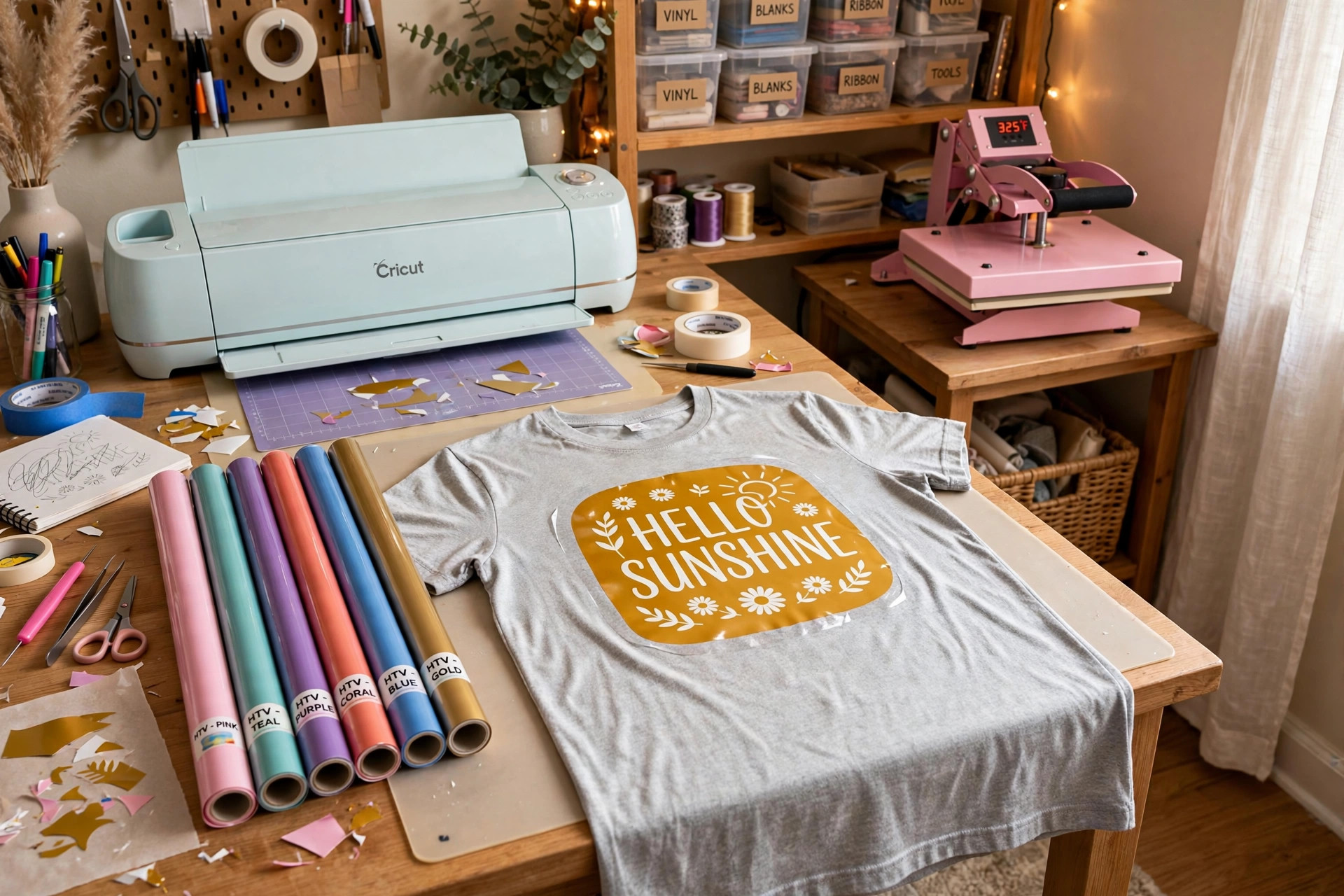
The best iron on vinyl for Cricut projects USA is the starting point for good craft work. Iron on vinyl, also called heat transfer vinyl or HTV, sticks to fabric when heat and pressure are used. A Cricut machine cuts the design. A home iron or heat press fixes it to the cloth. The vinyl you pick decides how long the design lasts and how neat it looks.
Many crafters in the USA buy vinyl that peels off after three washes. This is a common fault. Cheap vinyl lifts at the edges. It cracks in the wash. It fades in the sun. The right vinyl stays put for years. It keeps its color. It feels soft on the skin.
The choice matters for gifts as well. A shirt made for a friend should look as good in a year as on day one. A tote bag sold at a craft fair should last through daily use. When you use a Cricut machine with the right iron on vinyl, the result looks clean and store-bought.
Cost is another reason to choose well. Good vinyl costs a bit more per sheet. Bad vinyl costs more in the long run. You waste time on failed presses. You waste cloth. You re-cut and re-press. One good sheet does the work of three bad ones.
What to Look For When You Choose: Best Iron on Vinyl for Cricut Projects Usa
Not all iron on vinyl is the same. These points help you judge quality before you buy.
Material and Thickness
Most iron on vinyl is made from PVC or polyurethane film. Polyurethane, often called PU, is thinner and softer. It drapes well on shirts. It does not feel stiff. PVC vinyl is thicker and cheaper. It works for tote bags and caps where softness matters less.
Thickness is measured in mils or microns. A thin film of about 90 to 100 microns presses well and bends with the fabric. A film that is too thick cracks when the shirt stretches. Look for brands that state the thickness on the package. If the maker hides it, be cautious.
Carrier Sheet
The carrier sheet is the clear backing that holds the design. You weed the waste vinyl off it. Then you flip the design onto the cloth and press. A good carrier sheet is clear and stiff enough to handle. A weak carrier sheet wrinkles in the heat. This ruins the design. Siser and other top makers use steady carrier sheets that peel clean.
Heat and Time Range
Every vinyl has a heat setting and a press time. A wide range is better for beginners. It gives room for error. A vinyl that needs exactly 305 degrees for exactly 12 seconds is hard to use with a home iron. A vinyl that works from 300 to 320 degrees gives you a safer margin.
Cut and Weed Ease
You will cut small letters and fine lines. The best iron on vinyl for Cricut projects USA cuts cleanly on standard settings. It weeds fast. The waste pulls away in one piece. Cheap vinyl tears at thin points. You lose hours picking tiny bits with a weeding tool. Test a small piece before you buy a large roll.
Wash Durability
Check the wash rating on the package. Good iron on vinyl lasts 50 wash cycles or more. The label may state this as “50+ washes.” Vinyl with no wash claim may fail in ten washes. Read reviews from other crafters. Real wash tests beat any sales claim.
Types of Iron On Vinyl
The shelves at Michaels and Joann hold many kinds of HTV. Each has its own use.
Smooth Basic HTV
This is the workhorse. It has a flat matte or gloss finish. It comes in dozens of colors. It is the best pick for most shirts, bags, and onesies. It is also the cheapest. If you are new, start here. Learn your machine and your press with basic vinyl before you spend money on special kinds.
Glitter HTV
Glitter vinyl has a sparkle finish built into the film. It is thicker than smooth vinyl. It needs more pressure and a longer press. It is a favorite for kids’ shirts, dance team tops, and holiday gifts. Do not layer glitter vinyl on top of other vinyl. It grips poorly and peels off.
Foil and Metallic HTV
Foil vinyl gives a bright mirror look. It presses much like basic vinyl but needs steady heat. The foil surface can crease if the heat is uneven. Use it for logos, names, and small accents. Full coverage in foil can feel stiff.
Flock HTV
Flock vinyl has a soft raised texture like velvet. It is popular for baby clothes and team wear. It needs firm pressure. The texture holds lint, so wash flock items inside out.
Patterned HTV
Patterned vinyl comes printed with stripes, dots, or floral art. The pattern is part of the film. It cuts like basic vinyl. It is a fast way to make a plain shirt look rich. Keep the pattern scale in mind. A large print on a small design looks muddy.
Printable HTV
Printable iron on vinyl works with an inkjet printer. You print your art, cut it with the Cricut, and press. It is the only way to get full color photos on cloth with a home setup. The print fades faster than colored film. Use it for items that will not be washed hard.
How to Choose the Right Vinyl for Your Project
Match the vinyl to the fabric first. Cotton shirts take most kinds of HTV well. Polyester and blends need lower heat so the cloth does not scorch. Stretch fabrics need stretch vinyl that moves with the knit. Denim and canvas take strong pressure and longer press times.
Next, think about the design. Fine script fonts need thin smooth vinyl that weeds clean. Big block letters can take glitter or flock. If the design has many layers, pick vinyls that layer well. Most makers allow two or three layers. Test the stack on scrap cloth first.
Your press tool matters too. A real heat press gives even heat and steady pressure. A home iron works but needs care. You must press hard and move slowly. You must avoid the steam holes. If you only own an iron, pick vinyl with a wide heat range. Vinyl made for presses with tight settings will frustrate you.
Buy from a store with a good return policy. Craft supply shops like Dick Blick and big chains let you return bad rolls. Small online sellers may not. Read the fine print on returns before you order ten rolls.
Cost and Price
Prices for iron on vinyl vary by brand, kind, and sheet size. A 12 by 12 inch sheet of basic vinyl costs between one and four dollars at most US craft stores. Glitter and foil sheets cost more, often three to seven dollars a sheet. Rolls of 12 inch by 5 feet run from fifteen to forty dollars depending on the kind.
Brand vinyl from Siser and Cricut costs more than store brands. The price buys steady quality. The color matches from roll to roll. The carrier sheet behaves. Store brands can be a good deal for practice work. For items you sell or give as gifts, the brand vinyl is worth the extra cost.
Watch for bundle deals. Craft stores sell value packs of assorted colors. These packs cut the per-sheet price by a third or more. They are the best way to build a starter stock. Avoid mystery packs with colors you will never use. A cheap pack of neon and brown is no bargain if it sits in a drawer.
Shipping can erase savings on online orders. Vinyl rolls are light but bulky. Some sellers charge high freight. Compare the total cost, not just the sheet price. Many US crafters order from a local store to skip shipping and see the color in person.
Care and Upkeep of Pressed Items
Good care keeps the vinyl on the cloth. Wait 24 hours after pressing before the first wash. This lets the glue set fully. Washing too soon is the most common cause of early peeling.
Wash pressed items inside out in cold or warm water. Use a gentle cycle. Do not use bleach or fabric softener. Both attack the glue bond. Mild soap is enough. Line dry or tumble dry on low. High heat in the dryer can lift edges.
Do not iron directly on the vinyl. The heat of an iron melts the surface. If the shirt needs ironing, turn it inside out or press around the design. Store pressed shirts flat or folded. Hanging heavy designs can stretch the vinyl over time.
For tote bags and caps, wipe clean instead of machine washing when you can. Spot cleaning is kinder to the bond. When a full wash is needed, follow the same rules as shirts.
Safety Notes
Heat tools demand respect. A heat press runs at 300 degrees or more. A home iron is just as hot. Keep children and pets clear of the work table. Use a heat safe mat under the press. Let the tool cool before you put it away.
Some vinyl gives off fumes when pressed. Work in a room with fresh air. Open a window or run a fan. This matters most with PVC vinyl and glitter vinyl. PU vinyl fumes less. If you feel a headache or smell strong fumes, stop and air out the room.
Cut scraps and carrier sheets are waste. Keep small vinyl scraps away from pets. The Home Depot craft aisle and many hardware stores sell heat safe gloves that help with pressing. A pair of gloves costs little and saves burns.
Read the safety sheet from the vinyl maker. Reputable brands post them online. They list heat limits and vent needs. If a seller cannot provide a safety sheet, buy from someone who can.
FAQ
Which iron on vinyl is best for beginners?
Smooth basic HTV is the best pick for beginners. It cuts clean, weeds fast, and presses with a wide heat range. It forgives small errors in heat and time. Start with a value pack of basic colors. Move to glitter, foil, and flock after you learn the press. Guides at This Old House and Bob Vila cover heat tool basics that apply to pressing as well.
Can I use a home iron instead of a heat press?
Yes, a home iron works for most iron on vinyl. Set it to the cotton setting with no steam. Press hard on a firm flat surface. Hold each spot for the full press time. A heat press gives more even results and is faster for many shirts. If you plan to make more than a few dozen items, a press is worth the money. Tips for firm work surfaces appear in many Family Handyman workshop guides.
Why is my vinyl peeling after washing?
Peeling comes from three causes. The press time or heat was too low. The fabric had sizing or softener that blocked the glue. Or the item was washed too soon after pressing. Pre-wash the fabric with plain soap and no softener. Press for the full time with firm pressure. Wait a full day before the first wash. A second press after cooling can also help a weak bond.
Can I layer different kinds of iron on vinyl?
Most vinyls layer well if you follow the rules. Press the bottom layer for a short tack press, about three to five seconds. Add the top layer and press for the full time. Do not put glitter or flock vinyl on the bottom of a stack. Smooth vinyl makes the best base. Keep stacks to two or three layers. Thicker stacks feel stiff and peel at the edges.
How long does iron on vinyl last on a shirt?
Good vinyl on a well pressed shirt lasts for years of normal wear. Most quality brands rate their vinyl for 50 or more wash cycles. Real life is often longer with gentle washing. Inside out washing in cold water adds a lot of life. Cheap vinyl may fail in ten washes. The press quality matters as much as the vinyl. A perfect press on mid grade vinyl beats a poor press on top grade vinyl.
Where can I buy iron on vinyl in the USA?
Craft chains like Michaels and Joann stock wide ranges of colors and kinds. Big box stores and online sellers offer rolls and bundles. Buy single sheets in store to test a new brand before you order a roll. Project ideas and supply lists for craft rooms appear on The Spruce, which helps when you plan a larger craft space.
A Short Final Word
The best iron on vinyl for Cricut projects USA is the one that fits your fabric, your design, and your press. Start with smooth basic vinyl. Learn your heat and time. Test on scrap cloth. Care for the finished items with gentle washing. These plain steps turn a hobby press into a small craft business. Your designs will last, your gifts will please, and your shelves will hold work you are proud to show.
Before you expand your craft setup, you may want to read our cricut machine buying guide for crafters usa to pick the right cutter, our best hot glue gun for craft projects home for three dimensional projects, and our best craft storage organizer for small rooms to keep vinyl rolls neat and flat.
References
Blick Art Materials. (n.d.). Art and craft supplies. https://www.dickblick.com Bob Vila. (n.d.). Home improvement advice. https://www.bobvila.com Cricut. (n.d.). Cutting machines and craft supplies. https://www.cricut.com Family Handyman. (n.d.). DIY home repair and maintenance. https://www.familyhandyman.com JOANN. (n.d.). Fabric and craft supplies. https://www.joann.com Michaels. (n.d.). Arts and crafts supplies. https://www.michaels.com Siser. (n.d.). Heat transfer vinyl and craft products. https://www.siser.com The Home Depot. (n.d.). Home improvement products. https://www.homedepot.com The Spruce. (n.d.). Home and garden advice. https://www.thespruce.com This Old House. (n.d.). Home renovation guidance. https://www.thisoldhouse.com
Was this guide helpful?

About Jennifer Lee
The My Garden US editorial team writes practical, in-depth home and garden guides for American homeowners — tested advice, no fluff.
You May Also Like
The Best Craft Paper Trimmer for Precise Cuts
May 31, 2026 0 views
Best Sketching Pencils Set for Drawing Art
July 30, 2026 0 views
Leather Cord for Jewelry Making Crafts Bulk: A Plain Buying Guide
March 24, 2026 0 views