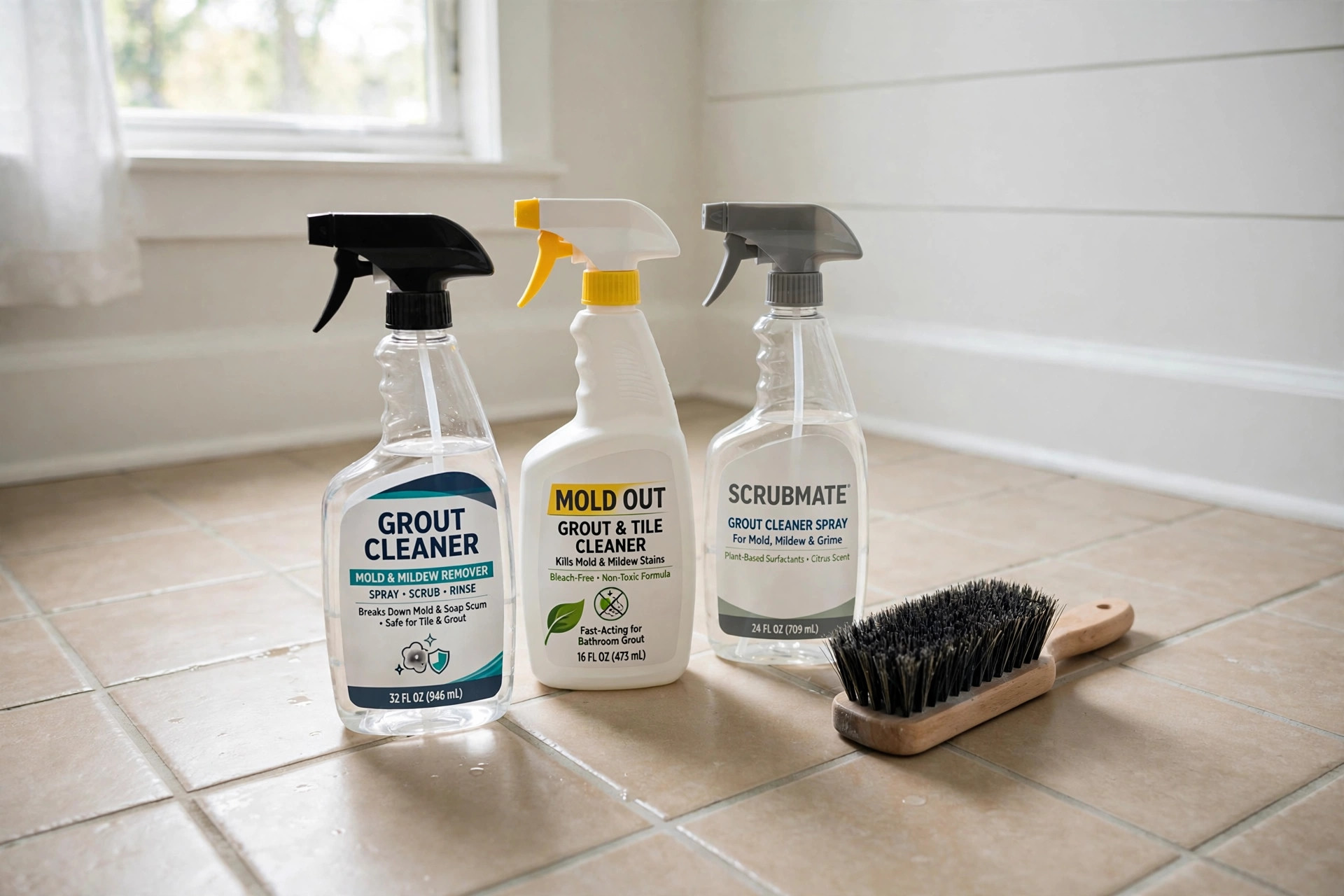

A search for the best grout cleaner for mold reviews usa usually starts the same way. The grout lines between the bathroom tiles have turned gray or black. A little scrubbing with soap did not help. The dark spots look like dirt, but they may be mold. Mold on grout is common in American homes. It grows where water stays and air does not move. Showers, tub surrounds, and kitchen backsplashes are the main spots. This guide looks at the best grout cleaner for mold options sold in the USA. It covers what works, what costs what, and how to pick the right product for your home.
Why Grout Grows Mold
Grout is the cement-like fill between tiles. It is porous. That means it soaks up water like a sponge. When a shower runs, water sinks into the grout. If the grout stays damp for hours, mold spores land and grow. Mold loves dark, damp places with little air flow.
Dirty grout is not just an ugly sight. Mold can stain grout for good. It can also loosen the bond between tile and grout over time. In bathrooms, mold on grout can add to musty smells. For homes with tile floors in wet rooms, keeping grout clean protects the floor itself. That is why reviews of the best grout cleaner for mold reviews usa matter so much to tile owners.
Mold is most common on sanded grout in showers. Unsanded grout in narrow joints holds mold too. Even epoxy grout, which resists water, can grow surface mold on top of it. No grout is fully safe from mold if it stays wet.
How to Choose: What to Look for in a Grout Cleaner for Mold: Best Grout Cleaner for Mold Reviews Usa
The best grout cleaner for mold reviews usa share a few traits. Look for these points before you buy.
Mold-killing power. A good cleaner should kill mold at the root, not just bleach the stain. Products with sodium hypochlorite, hydrogen peroxide, or oxygen bleach are strong against mold. Check the label for claims about mold and mildew removal.
Ease of use. Most cleaners come in spray bottles or squeeze tubes. A spray with a foaming action clings to walls and does the work for you. For floors, a gel that sits on the grout line works well. Reviews often praise products that need little scrubbing.
Surface safety. Grout cleaners can harm some tile. Strong acids etch natural stone such as marble and travertine. Strong bleach can fade colored grout. Always check that the product is safe for your tile type. Makers like Daltile publish care notes for their tile lines, which helps you match cleaner to tile.
Smell and fumes. Many mold cleaners have a strong smell. Some give off fumes that need open windows. If you clean a small bathroom, a low-odor formula is a real plus. Look for ventilation advice on the label.
Sealing after cleaning. The best result comes from cleaning first, then sealing the grout. A grout sealer blocks water from soaking in. That slows new mold growth. Many reviews note that cleaners which pair well with sealers give the longest-lasting clean.
Types of Grout Cleaners for Mold
Chlorine bleach cleaners
These are the most common mold cleaners. They contain sodium hypochlorite. They kill mold fast and whiten stained grout. They work best on white or light grout. The downside is strong fumes and the risk of fading colored grout. They can also damage some natural stone.
Oxygen bleach cleaners
Oxygen bleach products use sodium percarbonate. They release hydrogen peroxide in water. They lift mold stains with less harsh fumes than chlorine. They are gentler on colored grout. They need a longer dwell time, often ten to thirty minutes. Many eco-minded buyers pick these first.
Hydrogen peroxide cleaners
Ready-to-use hydrogen peroxide sprays, usually at 3 percent, kill many mold types. They foam on contact, which shows they are working. They are mild on most tile. They may need repeat coats on deep stains. Stores such as Home Depot and Lowe’s carry several brands side by side, so you can compare labels in person.
Acid-based cleaners
Sulfamic acid or phosphoric acid cleaners cut through hard-water scale as well as mold. They are strong tools for old, neglected grout. They are not safe for natural stone. Use gloves and eye protection. Rinse well after use.
Natural and enzyme cleaners
Some products use plant-based acids or enzymes. They are mild and low-odor. They work well for light mold and regular upkeep. For heavy black mold, they may not be enough on their own.
Reviews: Top Grout Cleaners for Mold in the USA
Best overall: foaming bleach gel
A thick foaming bleach gel is the top pick in many American reviews. The gel sticks to vertical grout lines in the shower. It needs only five to ten minutes of contact. A light pass with a grout brush removes most stains. It is best for white grout and ceramic tile. Cost runs about 8 to 12 dollars per bottle. One bottle covers several cleanings.
Best for colored grout: oxygen bleach powder
Oxygen bleach powder mixed into a paste is the gentlest strong option. It lifts gray and black stains from colored grout without harsh bleaching. Let the paste sit for twenty minutes, then scrub. It is safe on most tile types, but test a hidden spot first. A tub of powder costs about 10 to 15 dollars and lasts for many uses.
Best spray for daily upkeep: hydrogen peroxide spray
For mold that keeps coming back, a daily or weekly spray helps. A simple hydrogen peroxide spray used after showers keeps grout lines from feeding new growth. It is cheap, about 4 to 6 dollars a bottle. It is not a deep cleaner, but as upkeep it is hard to beat.
Best for heavy buildup: sulfamic acid cleaner
When grout has years of scale and mold, a sulfamic acid cleaner cuts through both. It restores old tile floors that bleach alone cannot fix. It costs about 12 to 18 dollars. It is not for natural stone, and it needs gloves and good airflow. Rinse the floor fully after use.
Best low-odor pick: enzyme-based cleaner
If fumes are a worry, an enzyme or plant-based cleaner is the mild choice. It handles light mold with a fresh smell. It costs about 9 to 14 dollars. Plan on a second coat for darker stains.
Guides from This Old House and The Spruce often test these same product types side by side. Their notes on dwell time and scrubbing effort match what home owners report in store reviews.
How to Clean Grout the Right Way
Start by sweeping or vacuuming the floor. Loose dirt makes cleaners work harder. For shower walls, rinse with hot water first. Heat opens the pores of the grout.
Apply the cleaner to the grout lines. Let it sit for the time on the label. Do not let it dry out on the surface. Dried cleaner can leave a film. For vertical joints, a second light spray keeps the grout damp.
Scrub with a stiff grout brush or an old toothbrush. Work in small sections. Rinse with clean water. Mop floors twice to remove all residue. Let the grout dry fully, which can take a day. Then apply a grout sealer for lasting protection.
For bathroom projects, pairing the right cleaner with the right floor makes a difference. Many home owners who redo a bath look at waterproof laminate flooring for bathrooms and linear drains for curbless showers to cut down on standing water, which is the root cause of grout mold. Even outdoors, the same moisture logic applies to choices like composite decking compared in reviews.
Cost and Price Guide
Most grout cleaners for mold cost between 4 and 18 dollars in the USA. Sprays are cheapest. Gels and powders sit in the middle. Acid cleaners cost a bit more but treat the most area.
A grout brush adds 5 to 10 dollars. A good penetrating grout sealer costs 15 to 30 dollars per quart. One quart seals an average bathroom floor and shower. Cleaning plus sealing a full bathroom runs about 30 to 60 dollars in materials.
Hiring a pro tile cleaner costs 75 to 150 dollars per bathroom in most US markets. For most homes, a do-it-yourself clean once or twice a year is enough.
Retailers like Lumber Liquidators, Shaw Floors, and Mohawk Flooring also carry floor care lines that fit their tile and grout products. Buying the cleaner matched to your floor brand is a safe move.
Care and Upkeep: Keeping Mold Away
Clean grout is only half the job. Keeping it clean is the other half. Mold needs water and time. Take away either one and it cannot grow.
Run the bath fan during showers and for twenty minutes after. A fan pulls damp air out of the room. If the bathroom has no fan, open a window. Squeegee shower walls after each use. This one habit removes most of the water that feeds mold.
Spray a light mold-preventing cleaner on grout once a week. Reseal grout every one to two years. Sealer wears off with cleaning and foot traffic. Test the seal by dropping water on the grout. If it soaks in fast, it is time to reseal.
Fix leaks fast. A slow drip behind tile keeps grout wet around the clock. Caulk tub and shower edges once a year. Cracked caulk lets water behind the tile.
Safety Notes
Grout cleaners for mold are strong chemicals. Read the label before use. Never mix bleach cleaners with ammonia or acid cleaners. The mix can make toxic gas. This rule is firm. Even small amounts are unsafe.
Wear gloves and eye protection. Open a window or run a fan. Keep pets and children out of the room while you clean. Rinse the floor or walls well so no residue stays behind. Store products out of reach of children.
If mold covers a large area, more than about ten square feet, or if it grows inside walls, call a mold remediation pro. Surface cleaners fix surface mold. Hidden mold needs expert help.
Frequently Asked Questions
What is the best grout cleaner for mold in the USA?
For most homes, a foaming bleach gel is the best grout cleaner for mold. It kills mold fast and whitens stained grout. For colored grout, oxygen bleach paste is the safer top pick. For daily upkeep, hydrogen peroxide spray keeps new mold away.
Will bleach damage my grout?
Bleach is safe for most cement grout when used as directed. It can fade colored grout over time. It can harm natural stone tile. Always test a hidden spot first. Rinse well after cleaning.
How do I keep mold from coming back on grout?
Seal the grout after cleaning. Run the bath fan during and after showers. Squeegee walls after use. Spray grout weekly with a mild cleaner. These four steps stop most regrowth.
Is black mold on grout dangerous?
Surface mold on grout is usually not a health crisis. But it can trigger allergies in some people. It also stains and weakens grout. Clean it soon and fix the moisture source. Large or hidden mold growth needs a pro.
Can I use vinegar to clean moldy grout?
White vinegar kills some mold on the surface. It is mild and cheap. It does not kill mold roots deep in porous grout as well as bleach or peroxide cleaners. For light stains it works. For heavy black mold, use a stronger product.
How often should I clean grout?
Scrub grout lines with a cleaner every one to three months in showers. Mop tile floors monthly. Do a deep clean and reseal once a year. High-use bathrooms may need more frequent care.
A Final Word
The best grout cleaner for mold reviews usa all point to the same lesson. The right product matters, but the routine matters more. Kill the mold, seal the grout, and cut the moisture. Do these three things and your tile will stay bright for years. Pick a cleaner that fits your tile type, test it first, and clean with care. Your grout lines will thank you.
References
Daltile. (n.d.). Ceramic and porcelain tile. https://www.daltile.com LL Flooring. (n.d.). Hardwood, vinyl, and tile flooring. https://www.llflooring.com Lowe’s. (n.d.). Home improvement products. https://www.lowes.com Mohawk Flooring. (n.d.). Flooring products. https://www.mohawkflooring.com Shaw Floors. (n.d.). Flooring products. https://www.shawfloors.com The Home Depot. (n.d.). Home improvement products. https://www.homedepot.com The Spruce. (n.d.). Home and garden advice. https://www.thespruce.com This Old House. (n.d.). Home renovation guidance. https://www.thisoldhouse.com
Was this guide helpful?

About Jennifer Lee
The My Garden US editorial team writes practical, in-depth home and garden guides for American homeowners — tested advice, no fluff.
You May Also Like

Carpet to Hardwood Stair Conversion Cost: A Plain Guide for Homeowners
February 9, 2026 0 views
Carpet Stretching Service Cost Near Me: What Homeowners Pay
February 19, 2026 0 views
Best Adhesive Tile for Laundry Room USA: How to Pick a Floor That Stands Up to Water
June 18, 2026 0 views