
Introduction
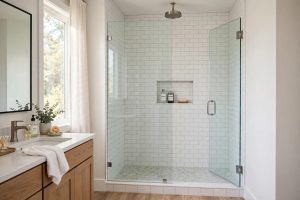
Choosing bathroom wall tiles California homes USA is one of the most common remodel choices made by homeowners from San Diego to Sacramento. Wall tile protects the wall from water, gives the room a clean look, and can last for decades when it is chosen and set with care. A bathroom sees steam, splashes, and daily cleaning. Paint alone cannot stand up to that use for long. Tile can.
This guide walks through the whole process in plain terms. It covers why wall tile matters, how to choose the right type for a California home, what the work costs, how to keep tile looking new, and what to ask before you buy. The aim is to help you make a sound choice without wasted money or guesswork.
Why Wall Tile Matters in a Bathroom: Bathroom Wall Tiles California Homes Usa
Water Protection
Water is the main reason to tile a bathroom wall. Showers and tubs throw water every day. A bare wall, even a painted one, takes in that water over time. Paint blisters. Drywall softens. Mold grows behind it. Tile, set over a sound backing board, forms a hard shell that water cannot pass. Grout lines do take water in, so good sealing matters, but the tile face itself sheds water like glass.
Clean and Simple Care
A tile wall wipes clean. Soap film, toothpaste spray, and dust come off with a cloth and mild cleaner. This matters in a room used several times a day. The surface stays smooth and does not hold stains the way flat paint does. Homes with hard water see white film on tile, but that film scrubs off. On painted walls the same film dulls the finish for good.
Long Life and Home Value
Good tile lasts thirty years or more. It is one of the few parts of a home that can outlive the mortgage. Buyers notice bathrooms. A clean, well-tiled bath lifts the value of a home at sale time. Even a modest re-tile, done neatly, can make an old bathroom feel new. That return on cost is why tile is a favorite upgrade across California.
What to Look for When You Choose
California Climate Points
California is not one climate. Coastal homes near Los Angeles or San Francisco face salt air and damp fog. Inland valleys and desert areas run hot and dry. Tiles themselves handle both well, but the setting materials matter. In damp coastal air, pick grout and sealants rated for high moisture. In hot inland rooms, tile stays cool and keeps the bath comfortable.
Earthquakes are another California point. Homes here move. Tile laid over a rigid backing with the right flexible adhesive stands up to small shifts. Large single sheets can crack where small tiles flex. That is one reason smaller tiles stay popular in California baths.
Size and Scale
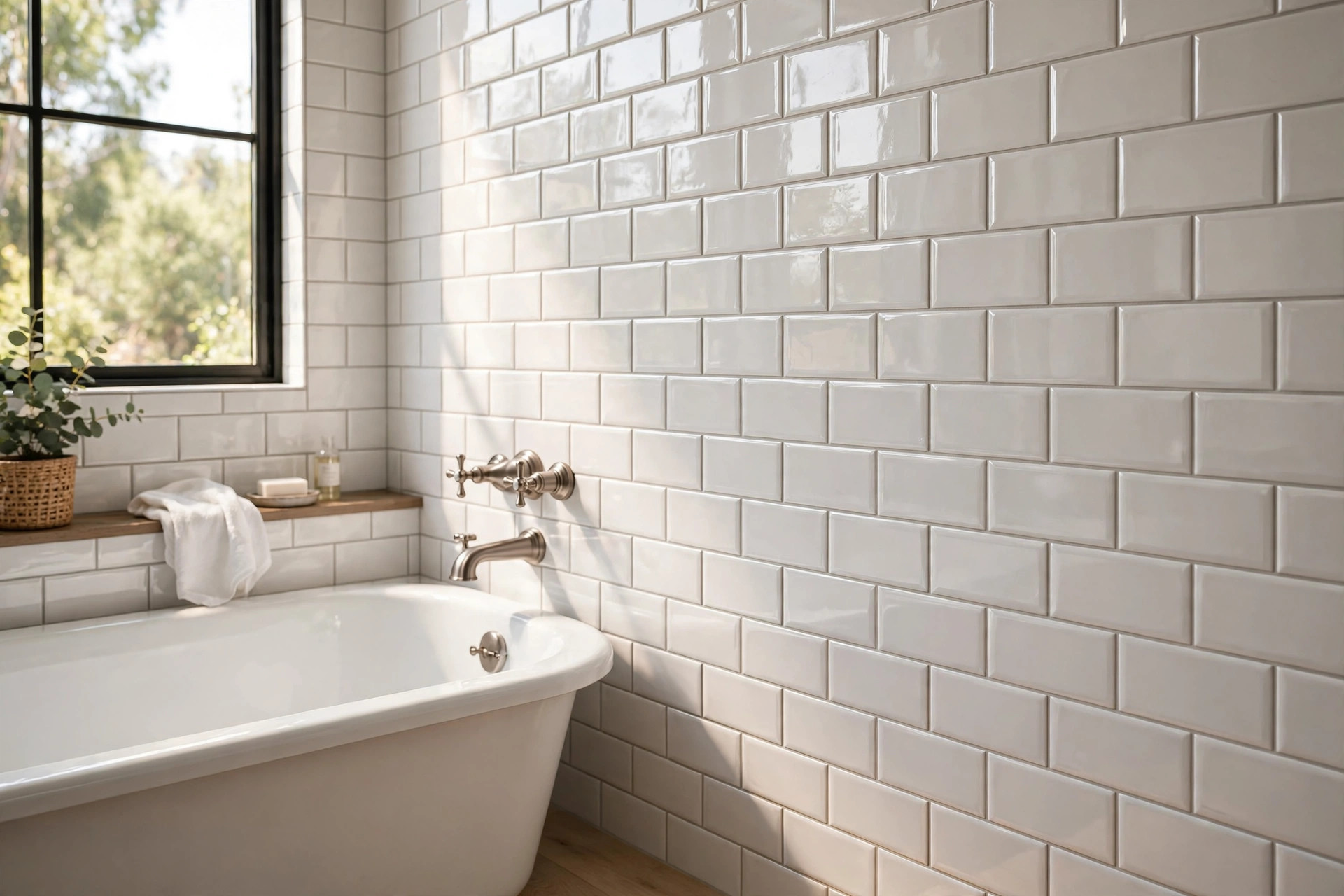
Big tiles make a small bath look bigger. A 12 by 24 inch tile has fewer grout lines, so the wall reads as one calm plane. Small tiles, like subway tile or mosaics, give a craft feel and grip better on curved or uneven walls. In California bungalows and older ranch homes, the classic 3 by 6 subway tile fits the era of the house. In new builds, large format tile suits the clean lines.
Water Rating
Not all tile suits wet walls. Porcelain tile takes in almost no water and is the safest pick for shower walls. Ceramic tile takes in a little more but is fine on walls that only see splashes. Natural stone looks rich but needs sealing and more care. Read the box or the store sheet for the water absorption rate. For a shower wall, keep it under three percent.
Grout Lines and Pattern
The pattern changes the whole room. Subway tile stacked in a brick pattern feels classic. The same tile set straight up and down feels modern. A herringbone pattern feels rich but costs more to lay, because the setter cuts many pieces. Wider grout lines look rustic and are easier to keep even. Narrow lines look sleek but demand a skilled hand. Think about who will set the tile before you pick a hard pattern.
Types and Options for Wall Tile
Ceramic Tile
Ceramic is the workhorse of bathroom walls. It is made from fired clay with a glazed face. It costs less than most options, comes in hundreds of colors, and cuts with a simple score tool. For walls outside the shower, ceramic is often all a homeowner needs. It cleans well and the glaze keeps stains out.
Porcelain Tile
Porcelain is fired hotter and denser than ceramic. It takes in almost no water, so it leads the field for shower walls and tub surrounds. It costs more than ceramic, but not by a wide margin in common sizes. It needs a wet saw to cut. Many California homeowners pick porcelain for the shower and ceramic for the rest of the bath to balance cost.
Glass Tile
Glass tile gives a bath a bright, clear look. Light passes into the tile and back out, which makes walls seem to glow. It is often sold in small mosaic sheets on mesh backing. The cost runs high. It is best used as an accent band or a niche rather than a whole wall.
Natural Stone
Marble, travertine, and slate bring depth that man-made tile cannot match. No two stones look alike. The trade is care. Stone must be sealed, and some stones mark with common cleaners. In a shower, stone needs resealing on a set schedule. It suits a main bath where the owner enjoys upkeep. Many buyers of luxury California homes expect stone in the primary bath.
Cement and Encaustic Tile
Cement tile wears a pattern through its whole body, so wear shows less. It gives Spanish and Mediterranean style that fits many California homes. It must be sealed, it is heavy, and it needs a firm wall. Use it as a feature wall rather than inside a shower.
Cost and Price
Material Cost
Wall tile in California stores runs from about one dollar to more than twenty dollars a square foot. Plain white ceramic sits at the low end. Standard porcelain in common sizes runs two to eight dollars a square foot. Glass mosaic and stone run eight to twenty dollars or more. Grout, thin-set mortar, backer board, and sealant add roughly one to two dollars a square foot.
Labor Cost
Setting tile is skilled work. In California, a tile setter charges roughly eight to twenty dollars a square foot for labor, based on the area and the pattern. A simple subway tile wall on the low side of that range is common. A complex mosaic or a herringbone wall lands on the high side. Small baths cost more per square foot because the setup time is the same for less tile.
A Full Job in Numbers
A typical tub surround, about eighty square feet, with mid-range porcelain tile often runs between one thousand and two thousand five hundred dollars in total, with labor as the larger half. A full shower wall job, about one hundred twenty square feet, can run two thousand to four thousand dollars. These are broad ranges. Get three written bids from licensed setters before you sign.
Saving Without Cutting Corners
You can save by tiling only the wet walls and painting the rest. You can save by picking a stock size that needs few cuts. You can save by doing the tear-out and prep yourself, then hiring the setter for the tile alone. Do not save by skipping backer board or by using mastic in a shower. Those shortcuts fail and cost more to fix later. Good stores like Home Depot and Lowe’s sell full tile systems with matched parts, which cuts waste and extra trips.
How the Work Gets Done
Plan the Layout
Measure each wall in inches. Draw the wall on paper and lay out the tile courses. Start the pattern at the center of the focal wall so cut pieces land even at both ends. Mark where pipes, valves, and the rain shower heads buying guide sit so cuts fall in the right place. A dry layout on the floor, with spacers, shows how the grout lines will land before any mortar is mixed.
Prep the Wall
Old tile and weak drywall come out. In wet areas the new wall is cement backer board, screwed to studs and taped at the seams. A waterproof sheet or painted membrane goes over the board in showers. The wall must be flat within a quarter inch over ten feet. Tile follows the wall, so a wavy wall makes a wavy tile job.
Set the Tile
Thin-set mortar is combed on with a notched trowel. Tile goes on one section at a time, pressed firm and checked with a level. Spacers keep the joints even. Cut tiles go last, at edges and around pipes. A full wall should cure a full day before grout goes in.
Grout and Seal
Grout fills the joints and locks the tile in place. Sanded grout suits joints wider than one eighth inch. Unsanded grout suits narrow joints. After the grout cures, seal the grout lines in wet areas. Stone tile gets a full-face seal.
Care and Upkeep
Weekly Cleaning
Wipe wall tile each week with warm water and a soft cloth. Use a mild dish soap for film. Rinse and dry the shower walls after the last use of the day. This one habit stops most soap scum. Avoid harsh acid cleaners on stone and on colored grout. A squeegee on the shower wall takes ten seconds and saves an hour of scrubbing later.
Grout Care
Grout is the weak point of any tile job. Keep it sealed. Test the seal once a year by dropping water on a grout line. If the water beads, the seal holds. If it soaks in dark, reseal. For stains, use a grout brush and a paste of baking soda and water before you reach for strong chemicals. White grout in a shower will need this care more often than gray.
Repair Small Damage
A cracked tile can be cut out and replaced without redoing the wall. Save a few spare tiles from the job for this day. Chip the grout around the broken tile, lift it out, set a new tile in fresh mortar, and regrout. If grout lines crack in many places, the wall may be moving and a pro should look at the backing.
When to Call a Pro
Call a setter when tile tents or pops off, when the wall feels soft behind the tile, or when mold keeps coming back after cleaning. These signs point to water behind the tile. A pro can open a small area, find the leak path, and fix the backing. Fast action saves the wall and the studs behind it.
Safety
Dust and Cutting
Cutting tile makes dust that harms lungs. Set the wet saw outside or in a garage with the door open. Wear a dust mask rated for fine dust when dry cutting or grinding. Wear safety glasses every time a tile is cut. Tile edges cut skin, so wear gloves when handling cut pieces.
Mold and Old Materials
Baths built before 1978 may hold lead paint under the tile. Homes with old tile jobs may hold mold in the wall. If you open a wall and find black growth over a wide area, stop and call a mold pro. Do not sand old paint without a lead test. Test kits are cheap and take minutes. Safe prep is worth the wait.
Slip Zones Near Tile
Wall tile itself is not a slip risk, but wet tile floors near the tub are. Put a bath mat with a grip back outside the tub. Keep soap within reach so no one leans far over wet tile. If you add a frameless shower doors buying guide, make sure it opens without hitting the vanity. Small baths need this check before the door is ordered.
Buying Tips for California Shoppers
Buy a Little Extra
Order ten percent more tile than the wall measures. Cuts waste tile, and a box may hold a chipped piece. For a patterned tile, order fifteen percent extra. Keep one full box after the job for future repairs. Tile lines change, and a match two years later is often gone.
Check the Dye Lot
Tile is fired in batches. Boxes from different batches can differ in shade. Check that all boxes carry the same dye lot number before the setter starts. Open two boxes and lay a few tiles side by side in daylight. A shade gap found on day one is easy to fix. Found on day three, it is a tear-out.
Read the Store Sheet
Every tile has a spec sheet. It lists water absorption, breaking strength, and whether the tile suits walls, floors, or both. Keep this sheet for your cleaner and for a future buyer.
Match Fixtures to Tile
Plan the tile with the fixtures. A chrome faucet suits cool gray tile. Brushed nickel suits warm beige tile. If you plan a bidet toilet seats buying guide, check its width against the tile layout so the wall plate lands on full tile, not on a grout line.
Frequently Asked Questions
What is the best wall tile for a shower in a California home?
Porcelain tile is the best all-round pick for a shower wall. It takes in almost no water, stands up to daily steam, and comes in styles from plain white to stone looks. Ceramic is fine for walls that only see splashes. Pick a tile with a water absorption rate under three percent for any shower wall.
How much does it cost to tile bathroom walls in California?
Material runs one to twenty dollars a square foot based on the tile. Labor runs eight to twenty dollars a square foot. A tub surround often totals one thousand to two thousand five hundred dollars. A full shower often totals two thousand to four thousand dollars. Get three written bids, because rates shift by city and by pattern.
Can I tile over old tile?
Tiling over old tile is sometimes done, but it is not the best practice. The old tile must be sound, flat, and well stuck. In a shower, take the old tile out and start from the studs. On a dry wall, tile-over-tile can work if a pro approves the base.
How long does bathroom wall tile last?
Well-set wall tile lasts thirty years or more. The grout needs resealing on schedule, and caulk joints need fresh beads every few years. A tile job fails early only when water gets behind it through bad prep or missing seal.
Do I need to seal bathroom wall tile?
Glazed ceramic and porcelain wall tile do not need face sealing. The grout lines do need sealing in wet areas. Natural stone tile needs a full-face seal at install and again on the maker schedule. Check the spec sheet for your tile. When in doubt, seal the grout and leave glazed tile faces alone.
What grout color works best with white subway tile?
Light gray grout is the most forgiving pick with white subway tile. It hides stains better than white grout and still reads clean. Dark gray or black grout makes a bold grid that suits modern baths but shows every uneven line.
A Final Word
Bathroom wall tiles California homes USA come in more choices than ever, but the rules have not changed. Pick a tile that suits the wet zone, set it over a sound waterproof wall, seal the grout, and clean it with mild products. Do that, and the tile will serve for decades. For step-by-step remodel stories and product tests, sites like This Old House, The Spruce, Bob Vila, Delta Faucet, and Moen are worth a visit before you buy.
See Kohler for more detail.
References
Bob Vila. (n.d.). Home improvement advice. https://www.bobvila.com Delta Faucet. (n.d.). Kitchen and bathroom faucets. https://www.deltafaucet.com Kohler. (n.d.). Bathroom and kitchen fixtures. https://www.kohler.com Lowe’s. (n.d.). Home improvement products. https://www.lowes.com Moen. (n.d.). Faucets and plumbing fixtures. https://www.moen.com The Home Depot. (n.d.). Home improvement products. https://www.homedepot.com The Spruce. (n.d.). Home and garden advice. https://www.thespruce.com This Old House. (n.d.). Home renovation guidance. https://www.thisoldhouse.com
Was this guide helpful?

About Sarah Mitchell
The My Garden US editorial team writes practical, in-depth home and garden guides for American homeowners — tested advice, no fluff.
You May Also Like
Bathtub Refinishing Kits for Florida Homes USA: A Plain, Practical Guide
March 11, 2026 0 views
Heated Floor Kits Deals Near Me: A Practical Buying Guide
March 18, 2026 0 views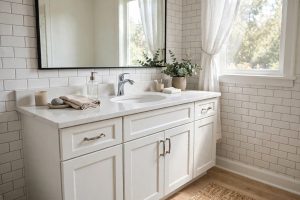
Where to Buy Bathroom Sink Vanities in the USA
September 23, 2026 1 views