
Many dog owners want to bring their dogs along on a flight. The best dog carrier for airline travel approved by the airline makes this simple. Without the right carrier, a dog may not be allowed in the cabin at all. Airlines have clear rules about size, shape, and safety. This guide explains those rules in plain words. It also shows how to pick a carrier that keeps your dog calm and safe from the parking lot to the seat.
Why the Right Carrier Matters
An airline trip is hard on a dog. The airport is loud. The lines are long. The cabin is tight. A good carrier gives your dog a quiet den of its own. It lowers fear. It keeps the dog from slipping out into a crowded walkway.
Airlines also protect their rules with care. If the carrier is too tall for the space under the seat, the staff may refuse boarding. That can mean a missed flight and a lost fare. Choosing the best dog carrier for airline travel approved by your airline keeps this from happening. The carrier must fit the dog and fit the plane. Both matter.
Some dogs travel often and settle in fast. Others are new to flight. In both cases, the carrier is the single most important piece of gear. A dog travel safety guide from the American Kennel Club explains crate safety in simple terms, and many of the same ideas apply to travel carriers.
Airline Rules to Know First: Best Dog Carrier for Airline Travel Approved
Every airline writes its own pet rules. They are close, but they are not the same. Before you buy anything, check the pet page of the airline you will fly. A full list of rules sits on the Delta Air Lines pet travel page at Delta Air Lines. United, American, and Southwest each post their own rules too. Read the current page, because rules change.
Common cabin rules
Most airlines allow one small dog per carrier in the cabin. The dog must stay inside the carrier for the whole flight. The carrier must fit under the seat in front of you. Typical size limits are about 18 inches long, 11 inches wide, and 11 inches tall. Some airlines allow a little more height with a soft-sided carrier that can press down a bit. Hard-sided carriers do not give in that way.
Most airlines also charge a pet fee for cabin travel. The fee often runs between $95 and $150 each way on domestic flights. You must book the pet spot in advance. Airlines limit the number of pets per flight. If you wait until the day of travel, the slots may be gone.
A few airlines ask for a health note from a veterinarian. This is more common on longer flights. Keep a copy of vaccination records in your bag. The Transportation Security Administration also has rules for screening with pets, posted at Transportation Security Administration.
Cargo versus cabin
Large dogs that cannot fit under a seat must fly as cargo or in the hold. This is a different service with different rules. This article is about cabin travel only. If your dog weighs more than about 20 pounds, check the cargo rules of your airline. Many owners of big dogs also read about a dog crate furniture end table for living room setup, since large crates do double duty at home.
What to Look for in a Carrier
A carrier that earns the word “airline approved” usually meets most cabin size limits. But that phrase is not a license. No carrier is approved for every airline on every plane. You still must check your flight. That said, the best designs share a few clear traits.
Size and fit
Measure your dog first. The dog should be able to stand up, turn around, and lie down inside the carrier. Measure from the nose to the base of the tail for length. Measure from the top of the head to the floor for height. Then compare those numbers with the carrier inside size. Leave two to three inches of room.
Next, measure the under-seat space of your plane. Airlines list this on their seat maps. A soft sided dog carrier for flights is often the safe choice because the flexible sides fit tight spaces. Hard carriers protect better but may not squeeze under the seat.
Soft-sided versus hard-sided
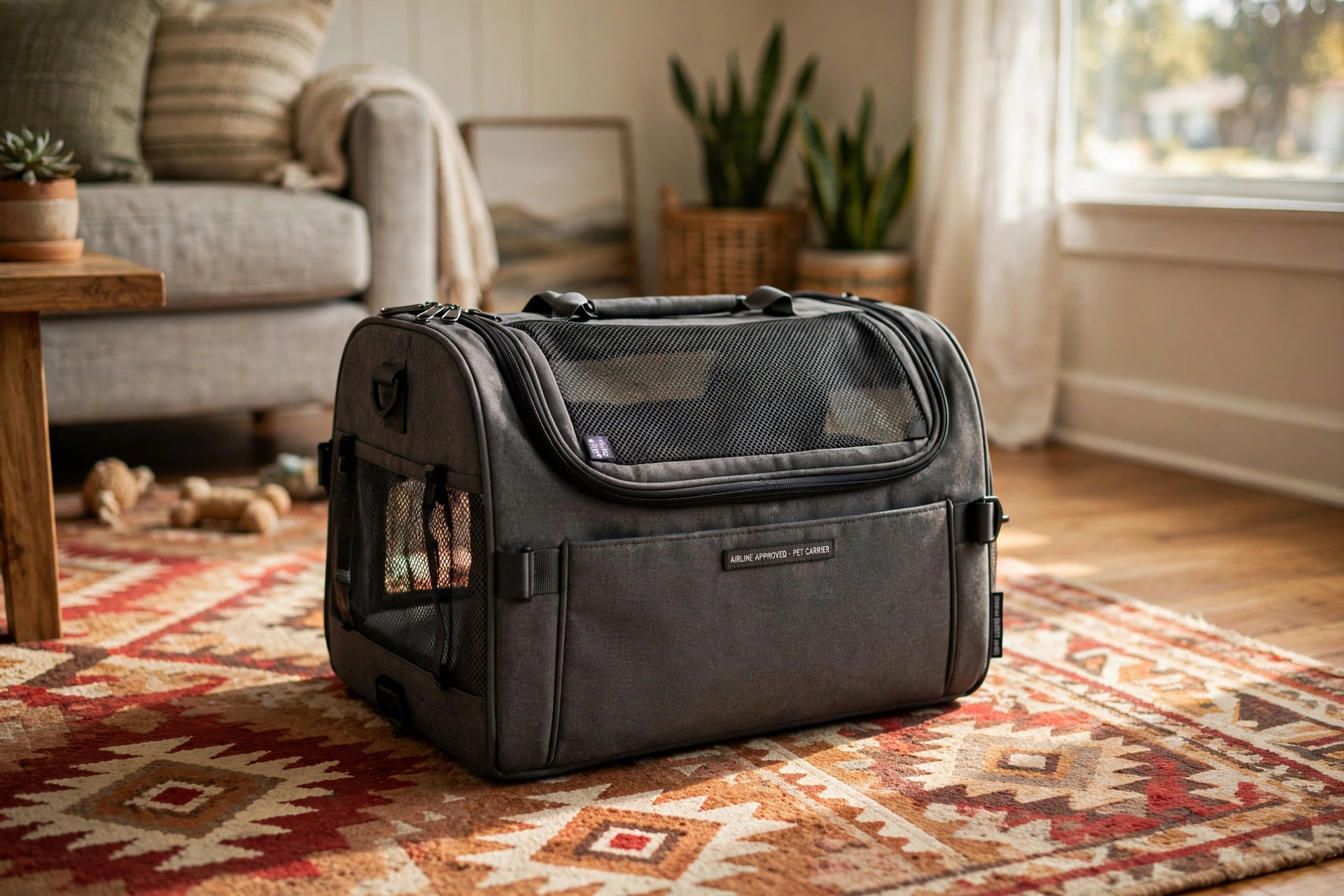
Soft-sided carriers are the most common choice for cabin travel. They are light. They have mesh windows for air. They often press down a few inches to fit under a seat. Look for thick padding on the bottom and straps that spread the weight over your shoulder.
Hard-sided carriers give more protection. They hold their shape in a crowd. They are harder for a nervous dog to claw through. But they weigh more, and their fixed height can fail the under-seat test. For most small dogs in the cabin, soft-sided wins.
Ventilation and comfort
A dog breathes fast when it is warm or scared. Mesh on at least two sides is a must. Three sides is better. The mesh should be fine enough to keep claws and noses inside. A padded floor mat helps the dog rest. Some carriers come with a washable pad. Wash it before the first trip so it smells like home.
Openings and zippers
Top and side openings both help. A top opening lets you lift the dog out fast in a calm way. A side opening helps the dog walk in on its own at the gate. Zippers should be strong and should lock. Some dogs learn to nose a zipper open. Locking zippers or small clips on the zipper pulls stop this. This is a small detail with a big safety payoff.
Pockets and extras
Side pockets hold treats, a leash, and waste bags. A water bottle holder helps on long travel days. A name tag pocket lets you add your phone number. Do not overload the pockets. Extra bulk can make the carrier fail the size check at the gate.
Types of Airline Travel Carriers
Soft-sided duffel carriers
This is the classic shape. It looks like a small duffel bag with mesh sides. It rides well on the shoulder. It fits under most seats. Many models fold flat for storage at home. Pet stores like PetSmart, at PetSmart, stock a wide range of these designs.
Backpack carriers
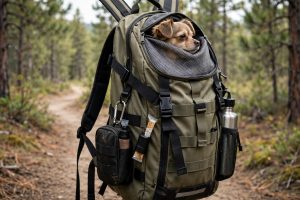
Backpack carriers free your hands in the terminal. They suit dogs under about 15 pounds. Look for a frame that holds its shape and a chest strap that spreads the load. Some dogs dislike the ride at first. Practice at home before the trip.
Rolling carriers
Rolling carriers have small wheels and a pull handle. They save your back on long walks through big airports. The wheels add weight and bulk, so check the size with care. On the plane, the wheels sit under the seat and add no trouble.
Expandable carriers
Expandable carriers have zip-out panels that add floor space at the gate. This gives the dog room to stretch during a long layover. Before boarding, you zip the panels back in so the carrier fits under the seat. They cost more, but frequent flyers often find them worth it.
Chewy posts many carrier reviews and size guides at Chewy. Reading real reviews from owners of your dog breed can help you pick between these types.
Cost and Price
Prices for the best dog carrier for airline travel approved designs fall into three groups.
Budget carriers cost about $25 to $50. They are simple soft-sided bags with basic mesh. They work for short flights and calm dogs. Check the stitching and the zippers at this price. Thin mesh tears fast.
Mid-range carriers cost about $50 to $120. This is the sweet spot for most owners. You get thicker padding, better zippers, and more pockets. Many of the best-known brands sit in this range. Amazon lists hundreds of models at Amazon, which makes it easy to compare prices side by side.
Premium carriers cost $120 to $250. They use stronger frames, aircraft-grade mesh, and locking zippers. Some come with a small travel kit. If you fly with your dog several times a year, the extra cost pays for itself in comfort and peace of mind.
Remember to add the airline pet fee to your budget. Two fees, one each way, can cost more than the carrier itself. The Home Depot pet section at The Home Depot also carries carriers and travel gear at fair prices.
Getting Your Dog Ready
A new carrier should never meet your dog for the first time at the airport. Start training two to three weeks before the flight.
Step one: make it a den
Leave the carrier open on the floor. Put a soft blanket inside. Drop treats near it, then inside it. Let the dog walk in and out on its own. Do not force the dog inside. Praise every calm visit.
Step two: close the door
Once the dog naps inside, close the zipper for a few minutes. Sit nearby. Then open it. Slowly make the closed time longer. Feed one meal a day inside the carrier so the dog links it with good things.
Step three: carry practice
Zip the dog in and carry the carrier around the house. Then take short car rides. Then walk through a busy store. Each step builds on the last. The ASPCA offers pet travel tips at ASPCA that follow this same slow method.
Exercise before the flight
A tired dog is a calm dog. Give a good walk before you leave for the airport. A best no pull dog harness for strong pullers makes that airport walk easier to control. Skip a big meal right before the flight. A small meal three to four hours before takeoff is enough. Water is fine, but keep it light.
PetMD explains dog stress signs and calming steps at PetMD. Watch for panting, drooling, or whining. These signs mean your dog needs more practice time.
Safety on Travel Day
At security
You will carry your dog through the metal detector in your arms. The empty carrier goes through the X-ray belt. Leash the dog first so it cannot bolt. This is the one moment the dog is out of the carrier in the terminal. Keep it short and calm.
At the gate
Board early if the airline allows it. Slide the carrier under the seat in front of you with the mesh side facing you. Tuck the straps inside so no one trips. Do not open the carrier during the flight unless the crew says it is fine.
Comfort during the flight
A familiar blanket helps. A chew toy helps. Some owners use a calming wrap or a vet-approved calming aid. Ask your vet before the trip about safe options for your dog. The Spruce Pets covers travel calm methods at The Spruce Pets.
Food and water
Bring a small spill-proof bowl. Offer water during a layover, not during takeoff or landing. Long flights may call for a short walk on the layover and a chance to use a pet relief area. Most large airports now have these areas past security.
Care and Upkeep
A carrier lasts longer with simple care. After each trip, shake out the bedding. Wash the pad on a gentle cycle. Wipe the inside with a damp cloth and mild soap. Let it air dry fully before you store it. Stored dampness brings odor and mold.
Check the mesh after every flight. Look for pulled threads near the zipper. Check the straps for fraying. A small tear can grow fast under the stress of a nervous dog. Many makers sell replacement pads, which keeps the carrier fresh for years.
If you also travel by car with a crate setup, you may like the dog water dispenser for crate attachment travel idea. Spill-proof water matters on every kind of trip, not just flights.
FAQ
What size carrier fits under an airline seat?
Most under-seat spaces allow about 18 inches long, 11 inches wide, and 11 inches tall. Soft-sided carriers can press down a little to fit. Always check your airline and your exact plane model, because seat layouts differ.
Does “airline approved” mean it works on every airline?
No. The phrase means the carrier meets common cabin size rules. No single carrier is approved for all airlines on all planes. Check your airline rules before you fly.
Can my dog sit on my lap during the flight?
No. Airlines require the dog to stay inside the closed carrier under the seat for the whole flight. The crew may ask you to close any open panel.
How early should I train my dog for the carrier?
Start two to three weeks before the flight at least. Shy dogs may need a full month. Never rush this step. A calm dog makes the trip better for everyone.
What papers do I need?
Keep vaccination records and a vet health note in your bag. Some airlines ask for them. International flights need much more paperwork, so start early and check the rules of the destination country.
Are there weight limits for cabin dogs?
Yes. Most airlines cap the combined weight of dog plus carrier at about 15 to 20 pounds. If your dog is heavier, it must fly as cargo. Check your airline for the exact number.
A Final Word
The best dog carrier for airline travel approved by your airline is the one that fits your dog, fits your plane, and feels like home to your dog. Measure twice. Check the airline rules. Train early. With the right carrier and a little practice, flying with a small dog can be a calm trip for both of you.
References
Amazon. (n.d.). Online shopping. https://www.amazon.com American Kennel Club. (n.d.). Dog care and training resources. https://www.akc.org ASPCA. (n.d.). Pet care and animal welfare resources. https://www.aspca.org Chewy. (n.d.). Pet supplies. https://www.chewy.com Delta Air Lines. (n.d.). Traveling with pets. https://www.delta.com PetMD. (n.d.). Pet health information. https://www.petmd.com PetSmart. (n.d.). Pet supplies and services. https://www.petsmart.com The Home Depot. (n.d.). Home improvement products. https://www.homedepot.com The Spruce Pets. (n.d.). Pet care guides and product reviews. https://www.thesprucepets.com Transportation Security Administration. (n.d.). Travel security guidance. https://www.tsa.gov
Was this guide helpful?

About Emily Rodriguez
The My Garden US editorial team writes practical, in-depth home and garden guides for American homeowners — tested advice, no fluff.
You May Also Like

Pet Water Fountain for Small Dogs and Cats: A Complete Guide
January 24, 2026 0 views
The Best Covered Litter Box for Small Apartments: A Practical Guide
June 8, 2026 1 views
Dog Water Dispenser for Crate Attachment Travel: A Complete Guide
May 10, 2026 0 views