
Introduction
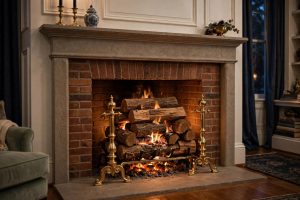
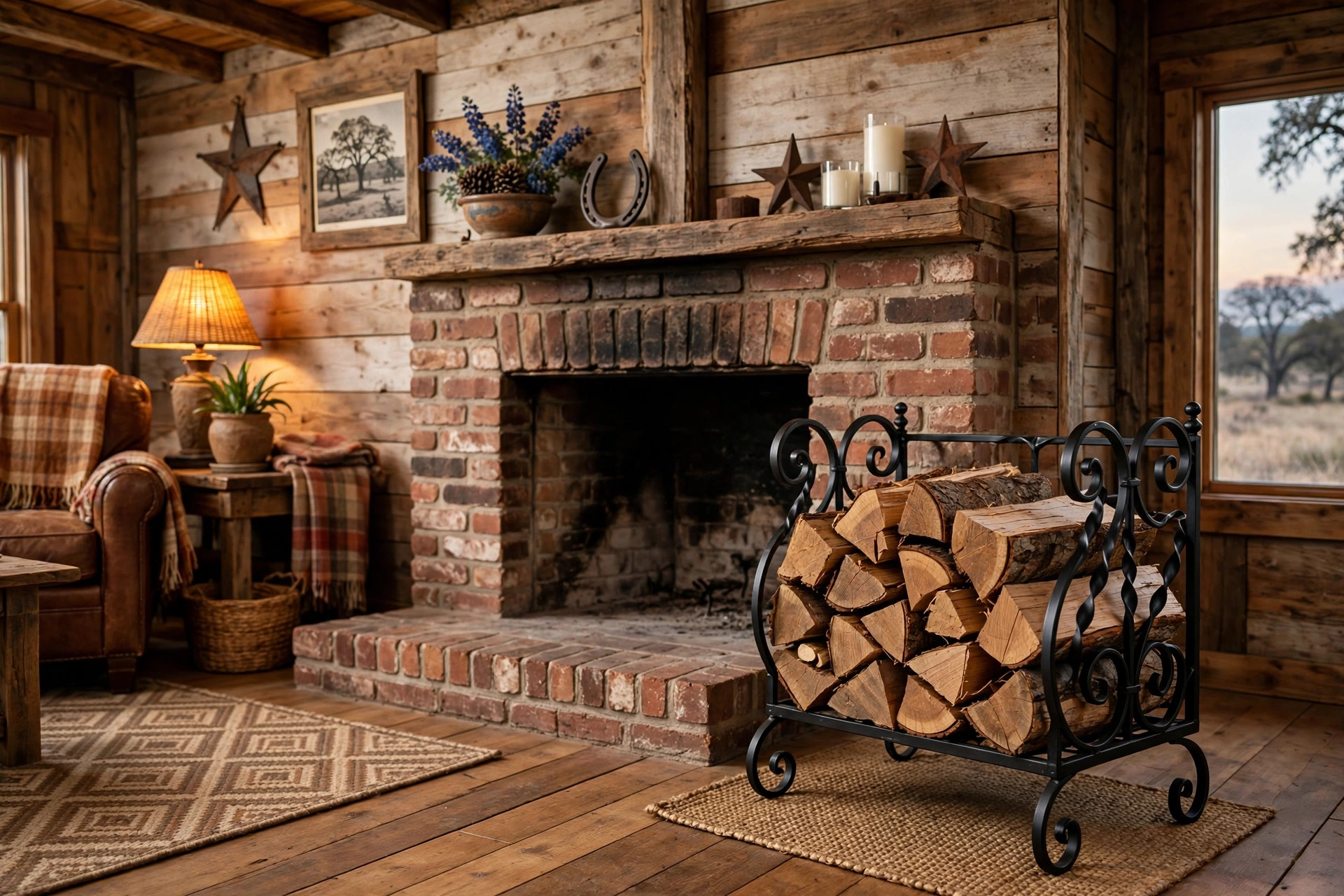
A fireplace warms a Texas home through the cold months and on cool spring and fall nights. The best fireplace log holders for texas homes keep that firewood close at hand, dry, and off the floor. A good holder protects the floor from bark and dirt, keeps the stack neat, and makes the hearth look cared for.
This guide walks through what matters when you shop. It covers types, materials, sizes, prices, care, and safety. By the end, you will know what to buy and what to skip.
Why a Log Holder Matters in a Texas Home: Best Fireplace Log Holders for Texas Homes
Texas weather swings hard. One week the air conditioner runs. The next week the fireplace runs. Wood stored outside can soak up rain and humidity. Wood stored inside stays dry and burns better. A log holder next to the hearth keeps a small supply of that dry wood ready. You do not have to walk outside into the cold each time the fire needs another log.
Dry wood matters for clean burning. Wet wood smokes, coats the chimney with creosote, and gives off less heat. The U.S. Environmental Protection Agency advises burning only dry, seasoned wood in home fireplaces, so keeping a small indoor supply in the holder pays off every time you light a fire. Loose logs roll. Bark crumbles. Dirt and insects ride in on firewood. A raised holder with a solid base catches the mess. It keeps the floor clean. It keeps the wall behind the hearth free of scuffs.
There is also the matter of looks. A fireplace draws the eye. A neat stack of split logs in a handsome holder looks warm and inviting. A pile of wood on the floor looks like a chore left half done. The right holder turns fuel into decor.
What to Look for When You Choose a Log Holder
Size and Capacity
Start with size. Measure the space beside your fireplace. Note the width, the depth, and the height you can spare. A holder that is too wide will crowd the room. One that is too small will need constant refilling.
Think about how much wood you burn in one evening. A casual fire may need six to eight logs. A long evening fire may need twelve or more. Most indoor holders hold between eight and twenty logs. Pick a size that covers a full evening without a trip outside.
Height matters too. A low holder keeps logs near the floor. It suits a wide, low hearth. A tall holder, sometimes called a log tower, stacks wood upward. It suits a narrow space beside the fireplace. Tall holders hold a surprising amount of wood in a small footprint.
Material and Build Quality
Most indoor log holders are made of wrought iron or steel. Iron is heavy and strong. It lasts for decades. Steel is lighter and costs less. Both work well if the welds are solid.
Look at the joints. A good holder has clean, strong welds. Shake it gently in the store or read reviews about sturdiness. A wobbly holder is a bad holder. Full logs are heavy. The holder must carry the weight without bending.
Some holders use canvas or leather slings stretched over a metal frame. These look soft and classic but carry a smaller load. They suit light use, not heavy daily fires.
Bronze, brass, and copper finishes add warmth to a traditional room. Black iron suits almost any style. Check that the finish is powder-coated or sealed. Raw metal can rust in the damp air near a fire.
Base and Floor Protection
The base is the part that touches your floor. It must be stable. Four legs beat two. A wide base beats a narrow one. Some holders have a tray or pan at the bottom. The tray catches bark, ash, and dirt. It is one of the most useful features a holder can have.
If your hearth sits on hardwood or tile, check for felt pads or rubber feet. Bare metal legs can scratch a fine floor. Many quality holders include these pads. If yours does not, add them yourself. They cost little and save the floor.
Handles and Portability
Some holders double as carriers, with handles on the sides. You can load wood at the woodpile and carry it inside. Pair an indoor holder with one of the affordable firewood storage racks for the porch or yard: bulk wood stays outside, a day’s worth stays by the fire.
If you plan to carry the holder, check the handle comfort. Thin metal handles dig into the hands under a heavy load. Wrapped or wooden handles feel better.
Types of Fireplace Log Holders
Open Hearth Racks
The open rack is the classic choice. It is a simple metal frame, often rectangular or curved, that holds logs in a neat row. Air flows around the wood. The logs stay dry. You can see the wood, which many owners like. Open racks are easy to load. They are easy to clean. They fit most decors, from rustic to modern.
The drawback is mess. Bark and debris fall through the open frame. A rack with a bottom tray solves this. Look for that feature when you shop.
Log Hoops and Round Holders
The hoop holder is a round metal ring on a stand or with legs. Logs stack inside the ring like firewood in a barrel. Hoops look elegant. They suit traditional living rooms. They hold a modest amount of wood, usually enough for one evening.
Round holders take up more floor space than their capacity suggests. Measure carefully before you buy. They also need logs cut to a consistent length, or the stack looks uneven.
Sling and Canvas Carriers
The sling holder is a fabric or leather carrier stretched between two handles. You carry wood from the pile to the fire in it, then it rests beside the hearth. Slings are light and good-looking but hold less wood than a metal rack, and the fabric wears over time. They suit homes where the fireplace sees light use. Shoppers on a budget may also compare budget-friendly indoor firewood holders to see how sling styles compare on price.
Log Towers and Vertical Holders
A log tower stacks wood straight up in a tall, narrow frame. It is the best pick for tight spaces. It can hold a large amount of wood in a footprint of one square foot. Towers look modern and tidy. Heavy logs go on the bottom and lighter logs on top. Check reviews for any mention of tipping before you buy.
Log Holders and the Texas Climate
Texas brings special concerns. Humidity runs high along the Gulf Coast. Houston and Galveston see damp air for much of the year. Metal holders can rust in that air. Choose powder-coated iron or stainless steel if you live near the coast. Wipe the holder dry if it gets damp.
In central and north Texas, the air is drier. Dust is the bigger problem. A holder with a tray keeps dust and bark off the floor. Empty the tray each week during fire season.
Texas also brings insects. Firewood can carry beetles, termites, and spiders. Do not stack large amounts of wood indoors for long periods. Keep only a day or two of wood by the hearth. Store the rest outside, away from the house. Pest control guides on major home improvement retailers offer more on keeping firewood pests out of the home.
Cold snaps in Texas can be severe. When a hard freeze is forecast, keep the holder stocked with dry wood. It is a small part of being ready.
Cost and Price: What to Expect
Prices for indoor log holders span a wide range. A simple steel rack costs between twenty and forty dollars. A well-made wrought iron holder with a tray costs between fifty and one hundred dollars. Designer pieces in bronze or leather can cost one hundred fifty dollars or more.
Price tracks with material and craft. Heavy wrought iron costs more than thin steel. Hand-forged pieces cost more than factory-made ones. A powder-coated finish adds to the price but adds years to the life of the holder.
Think about cost per year. A thirty-dollar rack that rusts out in three years costs more over time than an eighty-dollar iron holder that lasts twenty. Buy the best build you can afford.
Watch for bundle deals. Some stores sell the holder with matching tools: a poker, tongs, a brush, and a shovel. A bundle can save money over buying each piece alone. Many retail fireplace accessories list the shipping weight, so check before you order, since a heavy iron holder can weigh fifteen to thirty pounds.
Care and Upkeep
A log holder needs little care. That is one of its virtues. A few simple habits keep it in good shape for years.
Empty the tray or shake out debris once a week during fire season. Bark and ash hold moisture against the metal. That moisture starts rust. A quick shake takes seconds.
Wipe the holder with a dry cloth now and then. If you see a rust spot, sand it lightly and touch it up with heat-resistant paint. Catching rust early stops it from spreading.
Keep the holder a safe distance from the fire. Heat can discolor the finish over time. It can also weaken some metals if the holder sits too close for years. A foot or two of space is enough for most setups.
At the end of fire season, clean the holder well. Store it in a dry spot if you move it off the hearth for summer. A light coat of oil on bare iron parts prevents summer rust. Hearth maintenance advice covers seasonal fireplace care in more depth.
If your holder has a canvas sling, check the fabric each season. Replace a frayed sling before it tears under a load of wood.
Safety Around the Hearth
A log holder sits close to open flame. Safety comes first. Keep these rules in mind.
Place the holder at least three feet from the fireplace opening when the fire burns. Sparks can jump. A stray spark on a woodpile is a bad surprise. The holder should be close enough for easy loading but far enough for safety.
Use a fireplace screen. A screen stops sparks and rolling logs. It protects children and pets. It protects the room. Many guides to fireplace safety basics list the screen as the single most important hearth accessory.
Never overload the holder. Logs stacked too high can topple. A falling log can crack a tile hearth or injure a foot. Stack below the rim of the holder.
Keep the area around the hearth clear. Rugs, kindling, and newspapers should sit well back from the fire. The holder keeps wood tidy, but the rest of the hearth zone needs the same care.
Teach children that the holder and the tools are not toys. The metal near a fire gets hot. The tools have sharp ends. A simple rule, stated once and repeated, keeps small hands safe.
Have the chimney cleaned and inspected each year before fire season. Creosote buildup causes chimney fires. A clean chimney and dry wood are the two best defenses. Makers of factory-built fireplaces stress yearly inspection in their owner guidance.
Frequently Asked Questions
How much firewood should an indoor log holder hold?
Enough for one to two evenings of fires. For most homes, that means eight to sixteen logs. Keep the bulk of your wood outside and refill the holder every day or two. Storing too much wood indoors can bring in insects.
What is the best material for a log holder in a humid climate?
Powder-coated steel or wrought iron. The coating seals the metal against damp air. Stainless steel also resists rust well but costs more. Avoid raw iron and untreated steel near the Gulf Coast. They will rust within a season or two. Wipe any metal holder dry if it gets wet.
Can I use a log holder for a gas fireplace?
You can, for looks. Many owners of gas fireplaces place a small holder with a few logs beside the hearth for a traditional feel. The logs are decorative only. Never place wood inside a gas fireplace or gas log set. Gas units are built for gas alone. Makers of gas and wood hearth products warn against burning wood in gas units.
How do I keep bark and dirt off the floor?
Choose a holder with a solid bottom tray. The tray catches nearly all the debris. Place a small hearth rug under the holder for extra protection. Shake the tray into the trash or compost each week. Pair the holder with luxury fireplace ash buckets to keep ash cleanup just as tidy.
Should the log holder match my fireplace tools?
It looks best when it does. A black iron holder pairs with black iron tools. A bronze holder pairs with bronze tools. Matching sets are widely sold and often cost less as a bundle. But function comes first. A sturdy holder in a plain finish beats a flimsy holder in a pretty one.
Where is the best place to buy a log holder in Texas?
Local hearth shops let you see the build quality in person. You can lift the holder and check the welds. Online stores offer a wider range and easy price comparison. Home and hearth care guides often round up top-rated models with links to major sellers. Buy from a seller with a clear return policy in case the size does not suit your hearth.
A Short Final Word
The best fireplace log holders for texas homes are simple things done well. They are strong. They fit the space. They keep wood dry and the floor clean. They look at home beside the fire. Measure your hearth. Pick a solid material. Choose a size that covers an evening of fires. Keep safety in mind. Do that, and the holder will serve your Texas home for many winters to come.
References
Family Handyman. (n.d.). DIY home repair and maintenance. https://www.familyhandyman.com Heatilator. (n.d.). Fireplaces and fireplace products. https://www.heatilator.com Lowe’s. (n.d.). Home improvement products. https://www.lowes.com Napoleon. (n.d.). Fireplaces, grills, and heating products. https://www.napoleon.com The Home Depot. (n.d.). Home improvement products. https://www.homedepot.com The Spruce. (n.d.). Home and garden advice. https://www.thespruce.com This Old House. (n.d.). Home renovation guidance. https://www.thisoldhouse.com U.S. Environmental Protection Agency. (n.d.). Protecting human health and the environment. https://www.epa.gov
Was this guide helpful?

About Robert Taylor
The My Garden US editorial team writes practical, in-depth home and garden guides for American homeowners — tested advice, no fluff.
You May Also Like
EPA Certified Fireplace Remote Controls With Free Shipping: A Plain Guide to Buying and Using Them
April 29, 2026 0 views
Buy Ventless Gas Fireplaces Online in California: A Clear Buying Guide
April 6, 2026 0 views
Top Rated Freestanding Electric Stoves for Midwest Homes
August 8, 2026 0 views