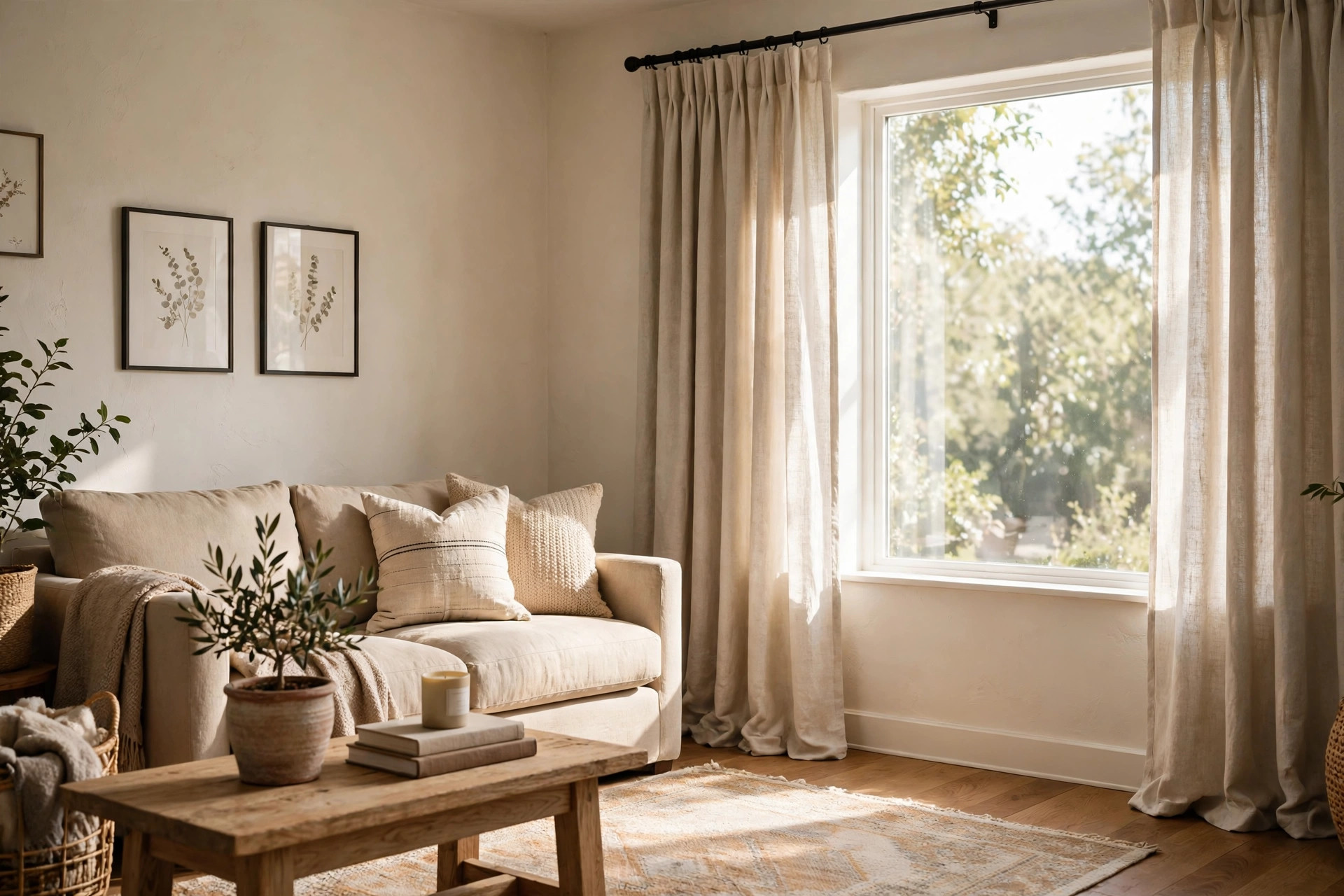

Shopping for the best custom made curtains online for sale is easier than it was twenty years ago. Once, custom drapes meant a visit from a workroom and a long wait. Today, many shops let you pick a fabric, type in your window size, and get panels made to order and sent to your door. This guide explains how to shop well. It covers measuring, fabrics, linings, prices, and care. Read it before you place an order, and you will save time and money.
Why Custom Curtains Matter
Ready-made panels come in set sizes. Windows do not. Many homes have windows that sit wider or taller than stock sizes. A ready-made panel may stop too short or bunch too much. Custom curtains solve this. They are cut to the width and length you need. The result looks neat and planned.
Custom work also opens the choice of fabric. Stores stock a few colors. Online shops often carry hundreds. You can match a sofa, pick a print, or find a heavy cloth that blocks light. Shoppers who want a full treatment with trim and pleats will find options too. For renters and owners alike, panels cut to size lift a room fast.
There is one more point. Good curtains help with heat and light. A lined panel keeps summer sun out of a hot room. A thick weave cuts draft near a cold window. These small gains add up over a year of heating and cooling bills.
What to Look for When You Order Online: Best Custom Made Curtains Online for Sale
Buying the best custom made curtains online for sale starts with trust. You cannot touch the cloth, so you must read well and measure twice.
Measure with care. Use a steel tape, not a cloth one. Measure the width of the window frame, then add extra on each side for the rod. Measure from the rod to the floor, the sill, or the apron, as you prefer. Write the numbers down. Many shops ask for width and drop in inches. Some guides at The Spruce walk through this step with plain diagrams.
Order swatches first. Almost every good shop mails fabric samples for a small fee or for free. Hold the swatch in your room at day and at night. Color shifts under lamplight. A sample tells you the true weight and feel of the cloth. Never order a full set from a screen picture alone.
Check the return terms. Custom work is often final sale. Some shops allow returns with a fee. Read the policy before you pay. Note the lead time too. Many panels take two to six weeks to make.
Read recent reviews. Look for notes on color truth, hems, and shipping speed. A pattern of late orders is a warning sign. Large sellers such as Wayfair and Target carry user reviews by the thousands, which helps.
Watch cord safety. Homes with small children or pets must use cordless or short-cord styles. The Consumer Product Safety Commission warns that long pull cords pose a strangulation risk. Ask the shop for cordless lift options before you order.
Types and Options
Custom curtain shops offer a wide menu. Knowing the terms will help you choose.
Heading styles. The heading is the top of the panel where it meets the rod. Pinch pleat headings give a classic, tailored look and glide on rings. Grommet tops are modern and easy to slide. Rod pocket styles are simple and soft but harder to move. Tab tops show a strip of fabric above the rod. Back tabs hide the hardware and give a clean line. Pick the style that suits the room and how often you will open the drapes.
Linings. An unlined panel is light and shows the print from both sides. A standard cotton lining adds body and blocks the sun from fading the face fabric. Blackout lining blocks most light and is the best pick for bedrooms. Thermal lining has a foam coat that helps with heat. Lined panels cost more but last longer and hang better.
Fabrics. Cotton and linen are the workhorses. They pleat well and suit most rooms. Polyester blends resist wrinkles and sun fade, which helps in bright rooms. Velvet gives a rich look and blocks light well. Silk is lovely but fades fast in sun and often needs lining. For a humid bath or kitchen, a treated synthetic will stand up best.
Fullness. Custom shops often ask how full you want the panel. Two times fullness means the fabric is twice the rod width, which gives deep, even folds. A flat panel of one time fullness looks sleek on a narrow window. More fullness means more fabric and more cost, but also a richer look.
If you are comparing styles across shops, a specialist like Blinds.com lists heading and lining choices in one place, which makes side-by-side study easy. Readers also like to browse design ideas at HGTV before they decide on a heading.
How to Measure Step by Step
Good measuring is half the job. Follow these steps and you will get it right.
1. Mount the rod first. Hang the brackets four to six inches beyond each side of the frame. Set the rod four to six inches above the frame for a taller look. For floor length panels, some hang the rod near the ceiling.
2. Measure the width. Hook the tape at the left bracket and run it to the right bracket. This is your finished rod width. Add fullness as needed for the style you picked.
3. Measure the drop. For sill length, stop at the sill. For below-sill length, add four inches past the sill. For floor length, stop about half an inch above the floor so the hem clears the carpet. For a puddle look, add two to three inches so the hem rests on the floor.
4. Note obstructions. Check for radiators, vents, and cranks that stick out. A panel that grazes a hot radiator is a fire risk and a poor fit. Note these spots on your order.
5. Double check. Measure each window twice. Old houses have frames that differ by an inch or more from room to room. Never copy one set of numbers to every window.
Keep your notes. If you later order a window film privacy tint for the same window, the same width notes will help.
Cost and Price
Custom curtains cost more than ready-made ones, but the range is wide. Knowing the parts of the price will help you budget.
Fabric. The cloth is the main cost driver. A plain cotton blend may run modest per yard. Linen, velvet, and silk run higher. Prints and embroidery add more. Online shops list the price per panel so you can compare fast.
Size. Larger panels use more fabric. A wide patio door panel can cost double a small bath window panel. This is normal. Fullness adds to it: a panel at two times fullness uses twice the cloth.
Lining and extras. Standard lining adds a modest sum per panel. Blackout or thermal lining adds a bit more. Trim, banding, and contrast hems are extras. Heading style can change the price too. Pinch pleats often cost more than rod pockets because they take more hand work.
Shipping and swatches. Most shops charge freight on large orders. Some offer free freight over a set total, a practice you will also see with affordable sliding panel track blinds with free shipping. Swatches may cost a few dollars, often credited back to your order.
Typical ranges for one custom panel in a common living room size run from about forty dollars for a simple unlined cotton to several hundred for a lined, pleated silk. Set a budget per window before you browse. Order the most-used rooms first if money is tight. Big home sellers such as Home Depot and Lowe’s post clear per-panel prices, which gives a useful baseline.
Care and Upkeep
Custom curtains last many years with light care. Start by reading the label. Many panels are dry clean only, while cotton and polyester blends often allow gentle machine wash. Wash two panels together so they shrink alike. Never wash one panel of a pair alone.
Vacuum panels with a soft brush tool each month to lift dust. This simple step keeps colors bright. For sun-facing windows, rotate panels season to season if you can, or add a sheer liner to take the worst of the light. Steam out wrinkles after hanging. A hand steamer works well and is kind to hems.
Check hooks, rings, and rods once a year. Tighten loose brackets. Replace bent rings before they snag the fabric. If a hem starts to drop, a tailor or the original shop can restitch it for a small fee. For rooms where you want lighter cover, a best decorative window film for midwest homes can pair well with sheers and needs almost no care.
Safety Notes
Window coverings carry real risks, and a careful buyer should know them.
Keep all cords out of the reach of small children and pets. Choose cordless lift or breakaway cords. Move cribs, beds, and play areas away from windows with cords. The federal safety site linked above gives free guides for making older blinds safe.
Mind heat sources. Keep panels clear of radiators, baseboard heaters, and candles. Choose flame-resistant or treated fabrics near a fireplace. Do not hang long panels where they can catch on a door or a pet.
Mind weight. Heavy velvet panels need strong rods and brackets set into studs. A sagging rod is not just ugly. It can fall. If you are unsure, hire a handyman for the install. Shops like Pottery Barn and IKEA sell sturdy hardware rated by weight, and their specs help you match rod to panel.
Frequently Asked Questions
How long do custom curtains take to arrive? Most shops need two to six weeks from order to ship. The time depends on fabric stock and season. Holiday months run slower. Ask for a firm date at checkout and get it in writing.
Can I return custom curtains if I do not like the color? Often not. Custom work is cut to your size, so many shops call it final sale. A few allow returns with a restocking fee. This is why swatches matter. Test the sample in your light before you commit.
Are custom curtains worth the cost over ready-made? For odd sizes, tall windows, and rooms you use daily, yes. The fit is better and the fabric choice is wider. For a spare room or a short-term rental, ready-made panels may do fine at a lower cost.
What is the best lining for a bedroom? Blackout lining is the best pick for sleep. It blocks most light and adds weight so the panel hangs well. Pair it with a dark rod and wide overlap to cut side light.
Do I need a professional to measure? Most buyers can measure on their own with a steel tape and this guide. If the window is very tall, arched, or has shutters inside the frame, a pro measure visit is worth the fee. Some online shops offer it in metro areas.
How do I clean custom curtains without harm? Follow the label. Vacuum monthly. Spot clean small marks with a damp cloth. Wash only if the label allows, and always wash pairs together. When in doubt, take them to a dry cleaner with the label attached.
A Final Word
The best custom made curtains online for sale are the ones that fit your window, suit your room, and arrive as promised. Take the slow path: measure well, order swatches, read the return terms, and pick safe cordless styles where children play. Do that, and your order will be a pleasure rather than a gamble. A well-dressed window changes how a whole room feels, and it is one of the simplest upgrades a home can get.
References
Blinds.com. (n.d.). Window blinds, shades, and shutters. https://www.blinds.com HGTV. (n.d.). Home and garden ideas. https://www.hgtv.com IKEA. (n.d.). Home furnishings. https://www.ikea.com Lowe’s. (n.d.). Home improvement products. https://www.lowes.com Pottery Barn. (n.d.). Furniture and home decor. https://www.potterybarn.com Target. (n.d.). Retail store. https://www.target.com The Home Depot. (n.d.). Home improvement products. https://www.homedepot.com The Spruce. (n.d.). Home and garden advice. https://www.thespruce.com U.S. Consumer Product Safety Commission. (n.d.). Product safety information. https://www.cpsc.gov Wayfair. (n.d.). Furniture and home goods. https://www.wayfair.com
Was this guide helpful?

About David Wilson
The My Garden US editorial team writes practical, in-depth home and garden guides for American homeowners — tested advice, no fluff.
You May Also Like

Curtain Rods and Hardware Price Comparison USA: A Full Buyer’s Guide
June 16, 2026 0 views
Thermal Bamboo Roman Shades for Sale: Warmth, Beauty, and Simple Comfort
January 5, 2026 0 views
Affordable Outdoor Patio Curtains With Free Shipping
June 10, 2026 0 views