
Finding the Best Real Wood Blinds for American Homes
The best real wood blinds for American homes bring warmth that vinyl and plastic cannot copy. The grain of real wood adds depth to a room. It softens hard light and gives a window a finished look. Many home owners in the United States choose real wood blinds for living rooms, dining rooms, and bedrooms.
This guide explains what to look for. It covers wood types, slat sizes, cost, and care. It also covers cord safety. The goal is simple. You should feel sure of your choice when you place the order.
Why Real Wood Blinds Matter: Best Real Wood Blinds for American Homes
Windows are large parts of a room. Bare windows feel cold. Thin cheap coverings look flat. Real wood blinds add weight and texture. They turn light into something gentle.
Wood blinds also last. A well made set can serve for twenty years or more. They do not yellow the way cheap plastics do. They hold their shape when the house is kept dry. For many buyers, that long life is the main reason to pick wood over vinyl or faux wood.
There is also resale value to think about. Staged homes with clean wood blinds tend to photograph well. Buyers see a home that has been kept up. That first look counts.
What to Look for When You Choose
The Kind of Wood
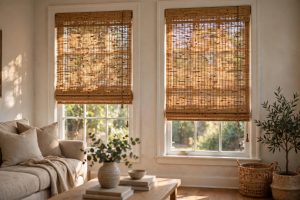
Most real wood blinds are made from basswood, oak, or bamboo. Basswood is light and takes paint well. It is the most common choice in stores. Oak is harder and shows more grain. Bamboo grows fast and is often sold as a green choice. All three can look fine. Pick the grain you like best.
Check that the blind is made of solid wood through and through. Some cheap blinds use pressed board under a wood finish. Real wood is heavier and sounds solid when tapped. Read the product list before you buy.
Slat Size
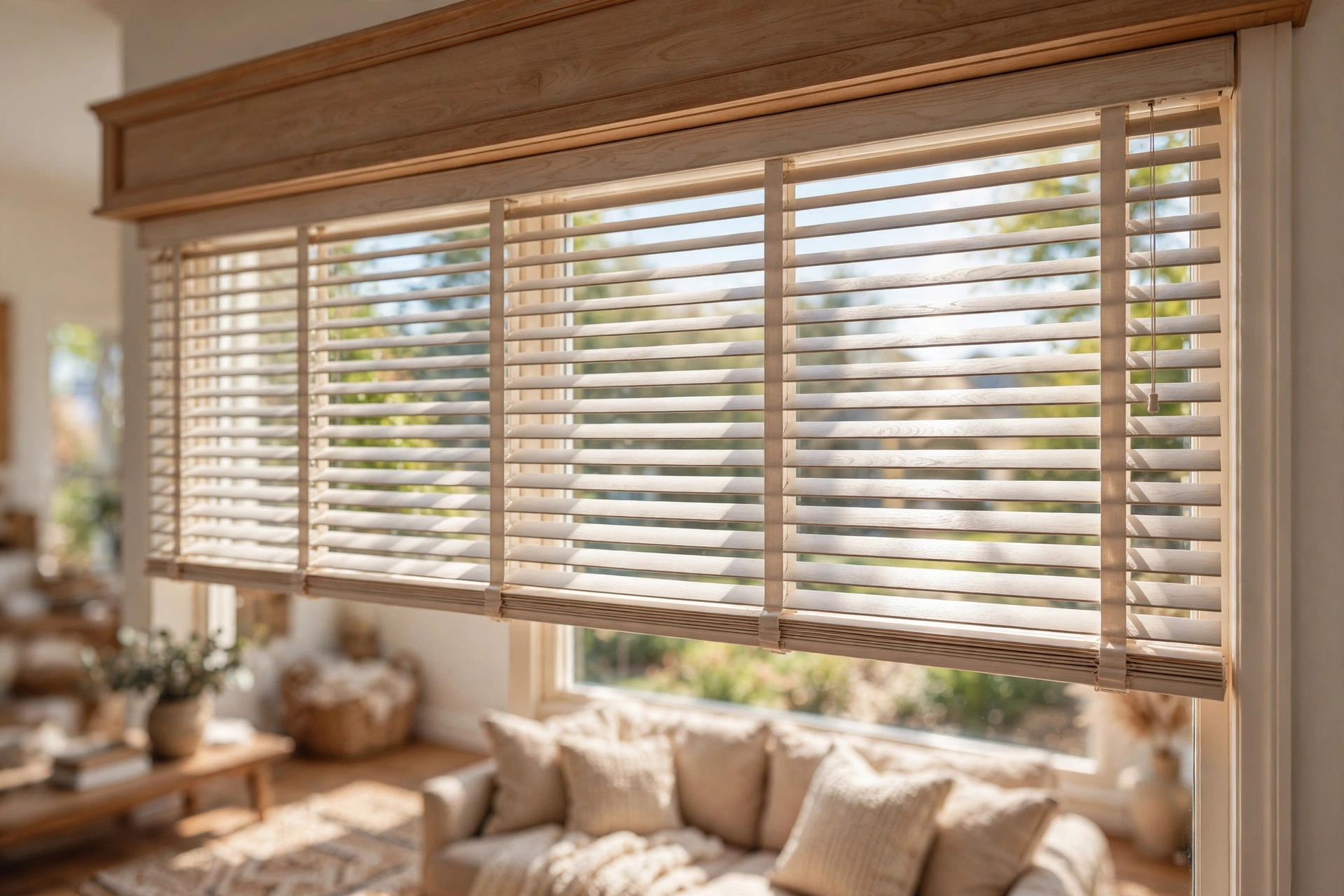
Slats come in one inch, two inch, and two and a half inch widths. Two inch slats are the most common in American homes. They suit most windows. One inch slats fit narrow windows and older homes. Two and a half inch slats fit large modern windows. Wider slats let in more light when open and give a cleaner view.
Finish and Color
Blinds come in painted finishes and stained finishes. White painted blinds suit many rooms and trim styles. Stained blinds show the grain and warm the room. Pick a finish that matches your trim, not your walls. The blind sits next to the trim, so that match is what the eye sees.
Tilt and Lift
Most wood blinds tilt with a wand or cords. The wand is a simple stick you twist. It is easy for guests to use. Cord tilt is older style. It can break over time. Many buyers now pick wand tilt for ease.
Lifts also matter. Standard cord lifts are cheap and common. Cordless lifts cost more but look clean. If you have small children or pets, read the safety part of this guide before you pick cords.
Inside Mount or Outside Mount
An inside mount fits within the window frame. It looks neat and shows the trim. You need enough depth in the frame. Most blinds need at least two inches. An outside mount hangs on the wall or the trim. It can make a window look larger. It also blocks more light at the edges.
Measure twice before you order. Write down width and height in three spots each. Use the smallest width and the largest height for inside mounts. Small errors can make a blind hang crooked.
Types and Options
Classic Horizontal Wood Blinds
These are the standard style. They have slats that tilt and stack at the top. They suit almost any room. They come in the most colors and sizes. If you are unsure, start here.
Wood Blinds with Tape Ladders
Cloth tapes hold the slats instead of thin cords. The tapes look soft and classic. They add a touch of craft to the blind. They cost a little more. They are a good pick for dining rooms and studies.
Valance Styles
A valance covers the top rail of the blind. It hides the hardware and gives a finished top edge. Many brands include a matching wood valance free. Some sell it as an extra. For tall windows, a valance makes the set look built in.
Motorized Wood Blinds
Powered blinds tilt and lift with a remote or a phone. They cost the most. They suit hard to reach windows. Some work with smart home systems. Batteries or a wired plug run the motor. If you plan to add smart home gear later, you may want to learn about safe choices first through guides from Consumer Reports.
Alternatives Worth Knowing
Faux wood blinds look like wood but are made of vinyl or composite. They cost less and resist water. They suit kitchens and baths where steam is common. If your budget is tight, they are a fair stand in. For related ideas on modern shades, see top rated cordless cellular shades for american homes. Shutters are another option. They are built like doors and last very long. Read about top rated shutter installation services for homeowners if you like that look. Bamboo shades give a natural look at a lower price. A guide to affordable bamboo roman shades buying guide can help you weigh that choice.
Cost and Price
Real wood blinds are not the cheapest window covering. Expect to pay more than for vinyl or faux wood. Prices move with size, wood type, and brand.
A small window blind might cost forty to ninety dollars at a large home store. A mid size window might run ninety to two hundred dollars. Large or custom sizes can reach three hundred dollars or more per window. Custom stain colors and motorized lifts add to the bill.
Here is a rough price band for the United States:
– Basic stock sizes: 40 to 120 dollars per blind – Custom sized wood blinds: 120 to 300 dollars per blind – Motorized or wide custom blinds: 250 to 500 dollars or more
Prices change by store and season. Big sales often come around holidays. Many buyers shop the large home improvement sites to compare. You can browse the window covering aisles at The Home Depot or Lowe’s to get a feel for current prices.
Professional measuring and hanging adds cost. Expect fifty to one hundred dollars per window for fitting. If your windows are square and standard, do it yourself and save the fee. Hanging a blind takes one drill and about twenty minutes per window.
Care and Upkeep
Real wood likes a dry home. Keep humidity between thirty and fifty percent. High steam can warp wood over time. Do not put real wood blinds in a shower room or right over a stove. Use faux wood in those wet spots.
Dust the blinds each week. Close the slats one way and wipe with a soft cloth or a duster. Then close them the other way and wipe again. A soft brush on a vacuum can help with heavy dust.
For grime, use a damp cloth with plain water. Wring the cloth well. Wipe each slat. Dry the slat right away with a second cloth. Do not soak the wood. Never use harsh cleaners or oil soaps. They can strip the finish.
Check the cords once a year. Look for frayed spots. Replace worn cords before they snap. Keep spare slats if the brand sells them. One broken slat does not mean a dead blind.
A fresh coat of wax or polish once a year can keep the finish bright. Use a product made for wood furniture. Test it on one slat first. Some polishes build up and catch dust.
Sun care is also worth a thought. Strong sun fades stain over time. South and west facing windows take the most wear. Tilt the slats open during the hottest part of the day. This cuts direct sun on the wood. A light curtain panel over the blind adds one more layer of shade. It also softens the look of the room.
Small repairs are easy. If a slat cracks, most brands sell single slats in common colors. Slide the old slat out and thread the new one in. It takes five minutes. If a ladder cord frays, replace it before it breaks. Kits are cheap and come with plain directions.
Safety
Cord safety is a real concern in homes with children. The U.S. Consumer Product Safety Commission warns that looped cords can strangle small children. Keep all cords out of reach of cribs, beds, and play areas.
Pick cordless blinds for kids rooms and nurseries if you can. If you keep corded blinds, cut looped cords and fit cord cleats high on the wall. Wind the cords around the cleats so no loops hang down. Move furniture away from windows so children cannot climb to the cords.
Pets can also chew or tangle cords. Watch how cats and dogs act near the windows. Cordless styles remove the risk.
Also think about weight. Large wood blinds are heavy. Use the right screws and wall anchors. For plaster or drywall, anchors hold the brackets firm. A blind that falls can hurt a person and damage the frame.
Frequently Asked Questions
Are real wood blinds better than faux wood blinds? Real wood looks richer and lasts longer in dry rooms. Faux wood costs less and handles water better. Pick real wood for living areas. Pick faux wood for baths and kitchens.
Do real wood blinds work in humid climates? They can warp in heavy steam or damp air. Keep the home dry with air flow. In very humid rooms, faux wood or aluminum is safer. Many buyers in damp states still use real wood in bedrooms and living rooms with no trouble.
How long do real wood blinds last? Twenty years is common with light care. The finish may fade in strong sun. South facing windows wear faster. Rotate slats open on hot days to slow sun damage.
Can I paint or stain my wood blinds? Yes, with care. Take the blind down and lay it flat. Clean it well. Use a paint made for wood. Spray paint gives the smoothest coat. Stain needs a bare wood base, so it works best on unstained blinds. Many owners find that new blinds are cheaper than a full repaint once labor is counted.
Are motorized wood blinds worth the cost? They are worth it for tall or hard to reach windows. They are also handy for people with limited hand strength. For easy windows, manual blinds do the same job for far less money.
Should I match blinds to trim or wall color? Match the trim. The blind frame sits next to the trim, and the eye compares those two first. White blinds work with white trim in most homes. Stained blinds work with wood trim of a like tone.
Where can I find design ideas for wood blinds? Style sites show real homes with wood blinds in place. You can browse room photos at HGTV or read how to guides at The Spruce. The craft and repair writers at Bob Vila also cover blind fitting and trim work. For style picks on a budget, look at the window pages at IKEA and Wayfair. Shoppers who like to order custom sizes often start at Blinds.com.
A Short Final Word
The best real wood blinds for American homes are the ones that fit your windows, your budget, and your daily life. Measure with care. Pick real wood for dry rooms. Go cordless where children play. Keep the blinds dusted and dry. Do these simple things and your blinds will serve you for many years.
References
Blinds.com. (n.d.). Window blinds, shades, and shutters. https://www.blinds.com Bob Vila. (n.d.). Home improvement advice. https://www.bobvila.com Consumer Reports. (n.d.). Product reviews and ratings. https://www.consumerreports.org HGTV. (n.d.). Home and garden ideas. https://www.hgtv.com IKEA. (n.d.). Home furnishings. https://www.ikea.com Lowe’s. (n.d.). Home improvement products. https://www.lowes.com The Home Depot. (n.d.). Home improvement products. https://www.homedepot.com The Spruce. (n.d.). Home and garden advice. https://www.thespruce.com U.S. Consumer Product Safety Commission. (n.d.). Product safety information. https://www.cpsc.gov Wayfair. (n.d.). Furniture and home goods. https://www.wayfair.com
Was this guide helpful?

About Michael Thompson
The My Garden US editorial team writes practical, in-depth home and garden guides for American homeowners — tested advice, no fluff.
You May Also Like

Reliable Curtain Cleaning Services in California: How to Choose and What to Expect
August 22, 2026 0 views
Best Custom Made Curtains Online for American Homes
September 10, 2026 0 views
Where to Buy Real Wood Blinds in Texas
July 27, 2026 0 views