
Introduction
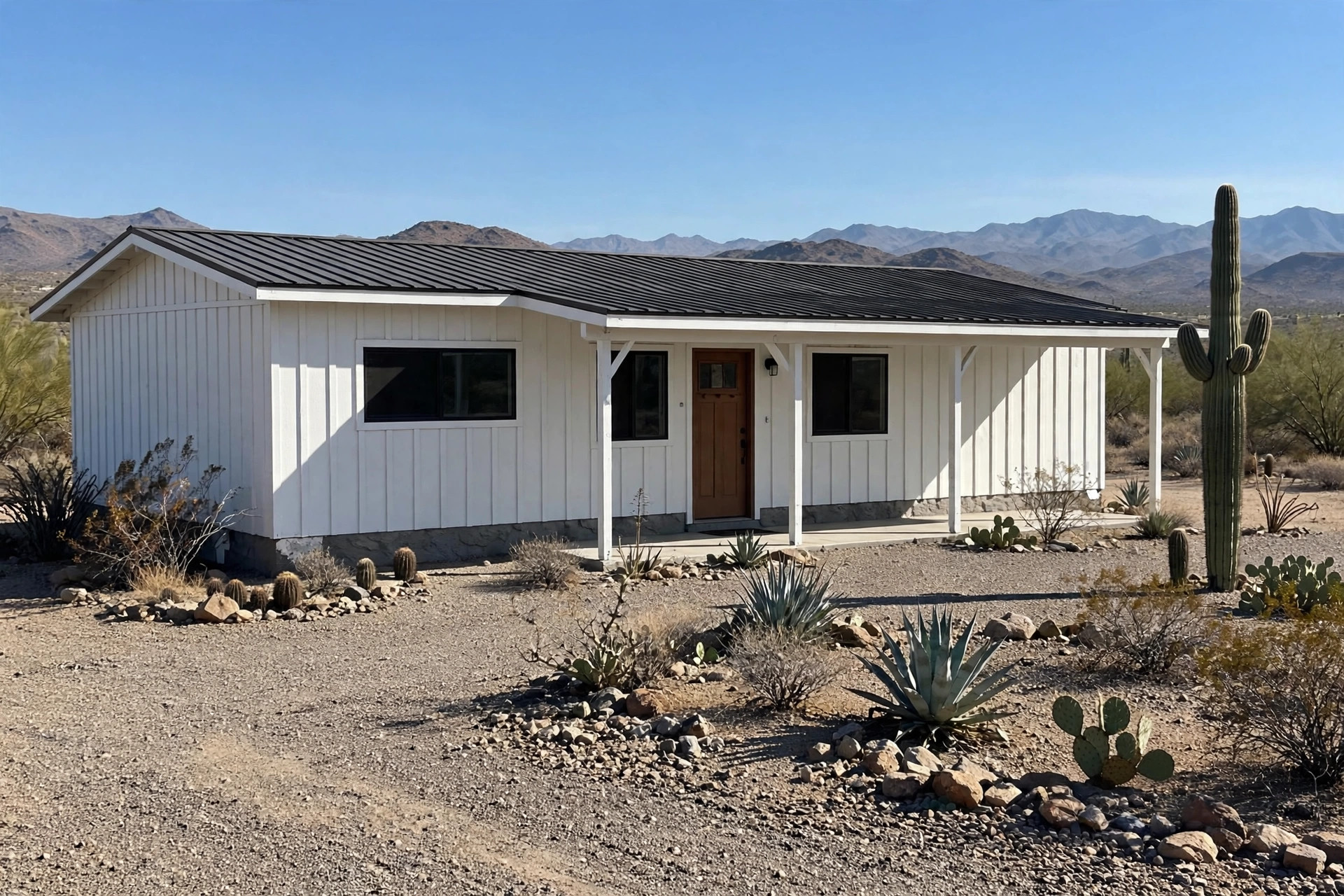
To buy board and batten siding online in Arizona is easier now than it ever was. A homeowner in Tucson or Flagstaff can order full walls of siding from a computer and have it arrive by truck. Board and batten is one of the oldest siding styles in the country: wide flat boards with narrow strips, called battens, laid over the seams.
But ordering siding on a screen has real risks. Colors look different in person. Freight delivery has rules. Arizona sun and heat punish some materials more than others. This guide walks through the whole process in plain terms.
Why Board and Batten Works on Arizona Homes: Buy Board and Batten Siding Online in Arizona
Board and batten has a long history in the American Southwest. Ranch houses and old barns used it for a century. The vertical lines draw the eye up, which makes a low ranch house look taller. The shadow lines between boards give texture that flat stucco lacks. Many Arizona homeowners choose it now to soften the look of a stucco box without tearing it off.
The style also fits the land. Light-colored board and batten reflects sun and keeps walls cooler. For modern desert homes, dark charcoal board and batten with a flat roof is a popular look.
One more point matters in Arizona. The state gets strong monsoon winds in summer. Vertical board and batten sheds wind-driven rain down the wall instead of trapping it behind horizontal laps. That helps walls dry faster after a storm.
What to Know Before You Buy Online
Buying siding online is not like buying a book. Panels are long and heavy. A box of vinyl or a bundle of fiber cement can weigh hundreds of pounds. The online store will ship by freight truck, not by parcel carrier. That changes how you plan.
Start with a careful measure of your walls. Measure height and width of each wall in feet. Subtract large openings like garage doors and picture windows. Most siding stores have a calculator on their site that turns your square footage into panels plus an extra 10 percent for cuts and waste. Order the extra. Running short in the middle of a job is the most common mistake.
Next, get samples before you buy. Most large sellers will mail small color chips for a few dollars. In Arizona, look at the chip in full sun at noon and again at sunset. Desert light is harsh and warm. A gray that looks cool on screen can look beige under Arizona sun. Never trust your monitor alone.
Read the delivery terms in full. Freight shipments need someone home. Many online sellers offer curbside delivery only, which means the truck stops at your curb and you move the panels. Others offer liftgate service for a fee. Check the fine print for damage rules too. You must note damage on the delivery ticket before the driver leaves, or claims get hard.
Finally, check local rules. Some Arizona towns and HOAs limit exterior materials and colors. Scottsdale, for instance, has design rules in some areas. A quick call to your HOA or city planning office takes ten minutes and can save a full refund headache.
Types of Board and Batten Siding
Not all board and batten is the same. The style refers to the pattern. The material is a separate choice, and it matters more in Arizona heat.
Vinyl Board and Batten
Vinyl is the most common choice for online buyers. It is light, which keeps freight costs down. It never needs paint. Good vinyl board and batten panels lock together with molded battens, and the better lines carry a deep shadow edge that reads like wood from the street.
The weak point in Arizona is heat. Cheap thin vinyl can warp or sag on south and west walls where summer surface temperatures pass 160 degrees. Look for vinyl rated for high heat and pick lighter colors. If you want vinyl, you may want to compare panels first with an insulated vinyl siding price comparison guide so you see what the better lines cost before you order. Check heat ratings on the maker’s site, such as the per-line data from CertainTeed, before you commit.
Fiber Cement Board and Batten
Fiber cement is made from cement, sand, and cellulose fiber. It is heavy, but it handles Arizona sun better than any other common siding. It does not warp, melt, or feed insects. It takes paint very well, and factory-painted lines carry long warranties. The look is crisp and it feels solid under the hand.
The cost is higher, and so is freight. A pallet of fiber cement is very heavy, so shipping runs more. Installation also takes more labor because each board must be cut with special blades and nailed or screwed to studs. But for a long-term desert home, many builders call it the best value. Makers like the ones you can read about at James Hardie pioneered this material for exactly this kind of climate.
Engineered Wood Board and Batten
Engineered wood is real wood fiber pressed with resins. It costs less than fiber cement and weighs less, so online shipping is friendlier. Factory-primed lines take paint well.
The trade-off is water. Monsoon rain and splashback from gravel can find any cut edge. In Arizona, keep engineered wood at least six inches above grade and caulk every joint. If you want a hands-off wall, fiber cement is the safer buy.
PVC and Composite Board and Batten
Solid PVC boards are a newer option. They are light, waterproof, and will not rot or warp in heat. The price is high. For small areas, like a gable accent or a porch wall, PVC is a fine online purchase. For a whole house, the cost adds up fast.
How Ordering Online Works, Step by Step
1. Measure and plan. Sketch each wall, note the square footage, and add 10 percent waste. Count inside and outside corner trim, J-channel, and starter strips. Online sellers list these as accessories, and you want one shipment, not three.
2. Pick material and color. Get samples first. Decide between vinyl, fiber cement, engineered wood, or PVC. For Arizona, lighter colors and heat-rated lines are the safe path. The siding selectors at The Home Depot and Lowe’s both show real panel photos and stock levels by region.
3. Use the store’s calculator. Enter your square footage. The site will suggest panel or board counts. Round up accessories by one box. A missing corner piece can stop a whole crew.
4. Choose delivery. Pick a freight option with a liftgate if you cannot unload a pallet by hand. Make sure your street can take a large truck.
5. Inspect on arrival. Count every bundle. Look for cracked corners, scuffed faces, and color mismatch between boxes. Write any damage on the driver’s paperwork and photograph it. This is the step that protects your refund rights.
6. Store it right. Keep panels flat, off the ground, and out of direct sun until installation. Arizona sun can pre-warp vinyl sitting on a driveway in July.
Cost and Price Guide
Prices change with material and market, but the ranges below are fair for 2026. They cover material only, not labor.
– Vinyl board and batten: about $2 to $6 per square foot of wall. A 2,000-square-foot wall area runs $4,000 to $12,000 in material. – Fiber cement board and batten: about $4 to $9 per square foot. The same area runs $8,000 to $18,000. – Engineered wood: about $3 to $7 per square foot. – PVC boards: about $7 to $12 per square foot, mostly used for accents.
Freight delivery to Arizona from a national warehouse typically adds $200 to $800. Some sellers offer free freight above a set order size, often around $2,000 to $3,000. Labor for installation, if you hire it, usually runs $3 to $8 per square foot on top of material.
Installing Board and Batten in Arizona
You can install board and batten yourself if you are handy, but the job is not small. Panels run 10 to 12 feet long. A few Arizona-specific notes help.
First, mind the heat schedule. Install siding in the cooler morning hours in summer. Vinyl expands in heat, and panels set tight at noon can buckle when they grow. Leave the expansion gaps the maker calls for.
Second, flash everything. Monsoon rain comes sideways. House wrap, flashing tape at windows, and metal drip caps over trim are not optional. Step-by-step flashing guides from This Old House and Bob Vila walk through the order of layers in plain terms.
Third, keep clearance. Termites are active in Arizona soil. No siding should touch dirt. Keep a six-inch gap between the lowest board and grade, and keep gravel or soil from piling against the wall over time.
Fourth, think about the old wall. Many Arizona homes are stucco over block. Board and batten can go over furring strips fastened to the block, which also creates an air gap that helps walls breathe. Check that your fasteners hit solid backing. A siding nail that bites only stucco will not hold in a monsoon gust.
Care and Upkeep
Board and batten asks little, but it is not zero work.
Wash the walls once a year. Dust storms coat Arizona homes in fine silt. A garden hose and a soft brush do the job, or hire from a power washing services roundup. Keep the washer tip back and the pressure low, or you will force water behind panels.
Repaint on schedule. Factory-painted fiber cement can go 15 years. Field-painted wood and engineered wood need new paint every 7 to 10 years in Arizona sun. Watch the south and west walls.
Caulk the joints. Check caulk lines around windows, doors, and corners each spring. Desert sun cracks caulk faster than in mild climates. A tube of exterior caulk and an afternoon keeps water out.
Trim the plants. Keep shrubs and tree limbs a foot off the wall. Sprinklers hitting the wall every day will stain any siding and rot wood lines. Aim heads away from the house.
Check after monsoons. Walk the house after a big storm. Look for loose battens, lifted panels, and water stains under windows. Fix small problems fast.
Safety
Siding work is mostly safe, but respect the risks. Cutting fiber cement creates silica dust. Wear a respirator rated for silica, not just a paper dust mask, and cut outdoors upwind. Vinyl dust is less harmful but still worth a mask.
Ladder work causes more injuries than any tool on this job. Set ladders on firm ground, keep three points of contact, and never lean past the rails.
Heat is the quiet danger. Summer attic-adjacent wall work in Phoenix can push body temperature fast. Drink water, take shade breaks, and stop if you feel dizzy. A rushed hot job is how accidents happen.
Finally, call 811 before you dig. If your project needs new footings, Arizona law wants utilities marked first. It is free and takes a few days.
Frequently Asked Questions
Can I really buy full siding orders online, or is it better to use a local store? You can buy full orders online, and many Arizona homeowners do. The trade-off is that you cannot see full panels before they ship, and freight delivery takes planning. Local stores let you see and touch, and they often deliver on their own trucks. Compare the total: online price plus freight against the local price with delivery. For large orders, online often wins. For small repairs, local usually wins.
Which material is best for Phoenix and Tucson heat? Fiber cement is the top pick for desert heat. It does not warp, melt, or fade fast. Heat-rated vinyl in light colors is a good budget pick.
How long does delivery take to Arizona? Plan on one to three weeks for stock colors and four to eight weeks for special-order colors or materials. Fiber cement often ships from regional plants, which can be faster in the West. Order early if your installer has a fixed start date.
Will board and batten raise my home value? Curb appeal matters, and board and batten gives an older Arizona ranch a fresh, modern look that buyers like. Appraisers credit condition and quality more than style. A well-installed fiber cement job in good shape helps value. A sloppy job hurts it.
Can I install it over my existing stucco? Yes, in most cases. Installers usually fasten vertical furring strips through the stucco into the block or framing, then hang the boards on the strips. This also adds a rain gap. Get a professional to check fastener hold, because stucco alone will not carry the load.
How do I match colors if I order trim later? Keep your order number, color name, and dye lot. Vinyl dye lots can shift slightly between runs, so ordering all trim with the main shipment is the safest move.
A Short Final Word
To buy board and batten siding online in Arizona is a sound plan when you do the homework first. Measure twice. Get samples and view them in desert sun. Pick a material that respects the heat. Plan the freight delivery like a small project of its own. The style itself has already proved it belongs here. It has stood on Arizona barns and ranch houses for a hundred years, and with the right material and a careful order, it will stand on yours for decades.
For plain how-to detail on tools and trim work, the project guides at Family Handyman are a useful companion. For side-by-side product tests, Consumer Reports covers major siding lines. And for design ideas, the photo libraries at The Spruce show board and batten on real homes in warm climates.
Related reading on this site: a soffit and fascia repair guide for the trim above your new walls, a cedar shake siding guide if you are weighing wood looks, and a vinyl siding installation cost guide for full-project budgeting.
References
Bob Vila. (n.d.). Home improvement advice. https://www.bobvila.com CertainTeed. (n.d.). Building materials and exterior products. https://www.certainteed.com Consumer Reports. (n.d.). Product reviews and ratings. https://www.consumerreports.org Family Handyman. (n.d.). DIY home repair and maintenance. https://www.familyhandyman.com James Hardie. (n.d.). Fiber cement siding and exterior products. https://www.jameshardie.com Lowe’s. (n.d.). Home improvement products. https://www.lowes.com The Home Depot. (n.d.). Home improvement products. https://www.homedepot.com The Spruce. (n.d.). Home and garden advice. https://www.thespruce.com This Old House. (n.d.). Home renovation guidance. https://www.thisoldhouse.com
Was this guide helpful?

About Jennifer Lee
The My Garden US editorial team writes practical, in-depth home and garden guides for American homeowners — tested advice, no fluff.
You May Also Like
How to Buy Metal Siding for Homes Online in California
January 24, 2026 0 views
Reliable Storm Door Installation in Florida: What Homeowners Need to Know
August 25, 2026 0 views
Best Stucco Exterior Repair Near Me: How to Find a Trusted Contractor
May 26, 2026 0 views