
A fence is one of the most practical improvements a homeowner can make. When you look for reliable fence installation contractors in the usa, you are looking for more than a builder. You are looking for a partner who will help you choose the right materials, respect your property lines, and leave you with a fence that stands straight for many years. This guide walks through every step in plain terms.
Why a Good Fence Matters
A fence does many jobs at once. It marks the edge of your land. It keeps children and pets inside the yard. It keeps unwanted visitors out. It can add privacy, and it can add value to the home. A well-built fence can also make the whole property look cared for.
A poorly built fence does the opposite. Posts lean. Gates sag. Boards fall. Within two winters the fence may look worse than no fence at all. That is why the choice of contractor matters as much as the choice of material. A reliable contractor stands behind the work and fixes what goes wrong.
How to Choose the Right Contractor: Reliable Fence Installation Contractors in the Usa
Finding reliable fence installation contractors in the usa takes a little research. These steps will help you find a crew you can trust.
Ask for Licenses and Insurance
Most states require contractors to carry a license for fence work. Ask to see the license number and check it with your state office. Ask for proof of insurance as well. A contractor should carry general liability insurance and workers compensation. If a worker is hurt on your land and the contractor has no insurance, you could face the cost. Do not skip this step.
Check Local References
Ask each contractor for three or four recent jobs in your area. Call the owners. Ask how the work went. Ask if the crew arrived on time. Ask if the price changed from the written quote. Ask if the yard was left clean. A reliable contractor will give references without a pause.
Read Reviews With Care
Online reviews can help, but read them with a steady eye. Look for patterns across many reviews rather than one angry post. Sites such as The Spruce publish guides on home projects and can give you a baseline for what good work looks like. Guides at Bob Vila also explain what to expect from exterior contractors.
Get Three Written Quotes
Never take the first price. Ask three contractors to visit your property and give a written quote. Each quote should list the fence material, the length of the run, the height, the gate count, the post depth, and the labor cost. Written quotes let you compare like with like. A contractor who refuses to put it in writing is one to avoid.
Watch for Red Flags
Be careful of contractors who ask for full payment before the work starts. A deposit of one-third is normal. Be careful of crews who knock on your door without an invitation. Be careful of anyone who cannot show proof of insurance. Trust your judgment. If something feels off, move on.
Types of Fences and Their Options
The right fence depends on your needs and your budget. These are the common types in American yards.
Wood Fences
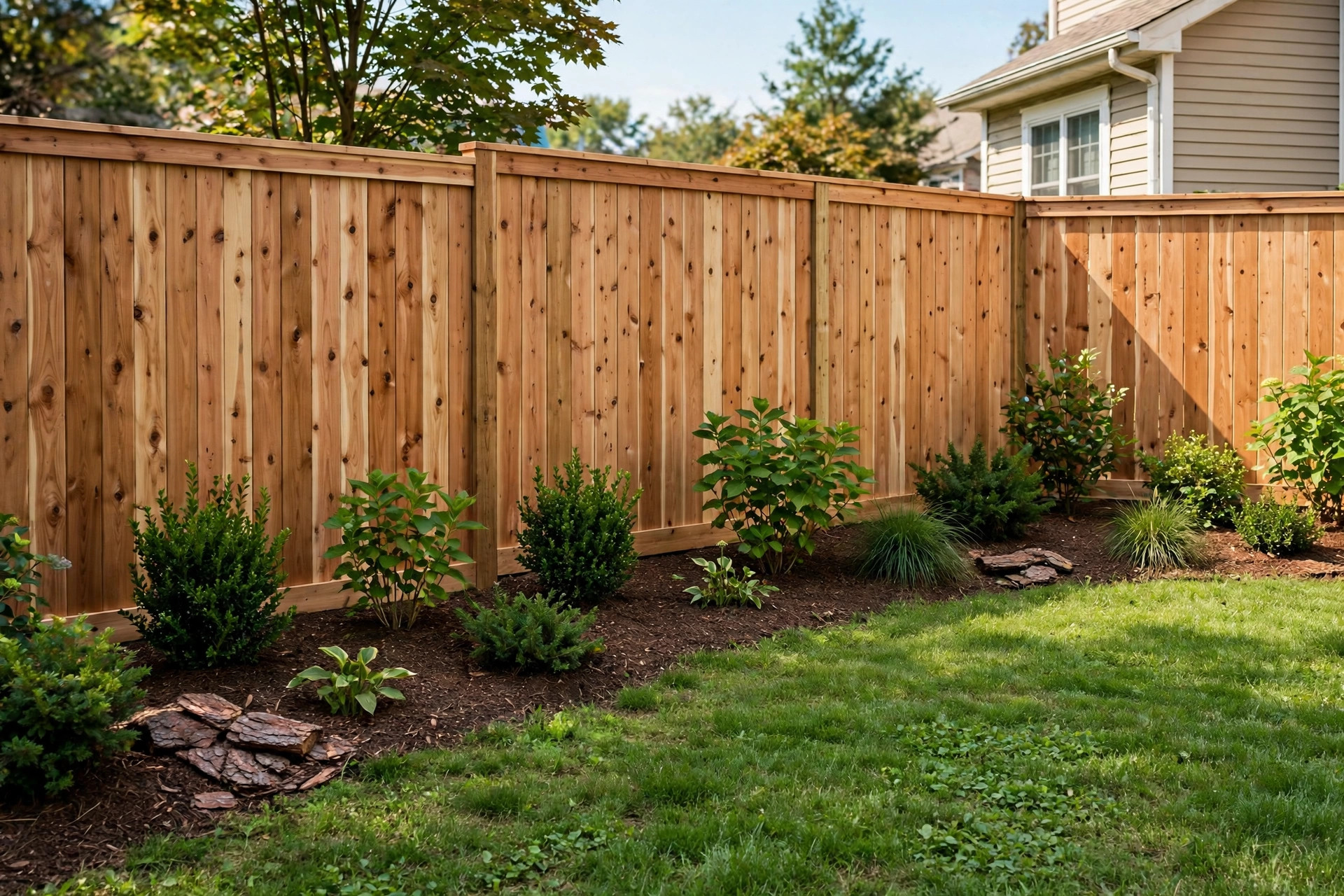
Wood is the classic choice. Cedar and redwood resist rot and insects. Pressure-treated pine costs less and can last many years when kept dry at the base. Wood fences offer full privacy and a warm look. They do need paint or stain every few years. The Family Handyman site has detailed guides on wood fence care and repair.
Vinyl Fences
Vinyl fences cost more at the start, but they need almost no care. They do not rot, rust, or need paint. A rinse with a hose keeps them clean. They suit hot and humid states as well as cold states. Many homeowners choose vinyl for privacy fences that must look neat year after year.
Chain-Link Fences
Chain link is the budget choice. It is strong and fast to install. It does not give privacy, but privacy slats can be added. It works well for side yards, dog runs, and large lots where cost is the main worry.
Metal and Aluminum Fences
Wrought iron and steel fences look stately and last a long time. They cost more and need paint to fight rust. Aluminum fences give a similar look at a lower price and they never rust. They are a good pick for front yards where appearance matters.
Composite Fences
Composite boards mix wood fiber and plastic. They look like wood but need no stain. They cost more than wood, but they resist weather well. They are a newer choice and are growing in use across the country.
Cost and Price Guide
Fence prices vary by state, material, and terrain. A flat yard costs less than a steep one. Rocky soil raises the cost of setting posts. Here are rough ranges for a standard 150-foot fence, installed by a professional crew:
– Wood privacy fence: $2,500 to $5,000 – Vinyl privacy fence: $4,500 to $8,000 – Chain-link fence: $1,500 to $3,000 – Aluminum fence: $3,500 to $7,000 – Wrought iron fence: $5,000 to $10,000
Gates add $200 to $600 each, depending on size and hardware. Permits add $50 to $300 in most towns. Always ask whether the quote includes permits and the removal of old fencing. The cost guides at This Old House can help you compare prices for exterior projects before you sign a contract.
When you review a quote, look for hidden costs. Ask about the depth of the post holes. Posts should be set at least one-third of their length below ground, in concrete, to stand firm in wind. Ask about the type of fasteners. Stainless steel or coated screws outlast plain nails. A cheap quote that skips these details will cost you more in repairs later.
Ask how the contractor handles slopes. On a hill, a fence can be stepped or racked. A stepped fence looks like a staircase, with each panel level. A racked fence follows the slope in a smooth line. Stepped works best on steep ground. Racked looks better on gentle slopes. The choice changes the price, so ask which method the crew will use.
Also ask about waste removal. A good crew hauls away old fence panels, concrete chunks, and scrap. Some quotes leave that work to you. Clarify this in writing before the job starts so there are no surprises on the last day.
Care and Upkeep After Installation
Even the best fence needs some care. Walk the fence line twice a year. Look for leaning posts, loose boards, and rust on hardware. Tighten bolts and replace small parts before they become big problems.
Wood fences need a fresh coat of stain or sealant every two to three years. This keeps water out of the boards. Trim plants back from the fence so leaves do not hold moisture against the wood. Keep soil and mulch a few inches below the bottom rail to slow rot.
Vinyl fences need only a wash with soap and water. Metal fences need a check for chips in the paint, since bare spots can rust. Chain-link fences last a long time but the bottom wire can rust where it touches wet soil. A little care each year will add many years to the life of the fence.
Check the gates too. Gates carry the most wear. Hinges loosen and latches stick. Oil the hinges once a year with a light spray. Tighten the screws on the latch plate. If a gate starts to sag, a diagonal brace or a new hinge will often fix it. Fix gate trouble early. A dragging gate pulls on the whole post and can warp it over time.
Safety and Legal Steps
Before any digging starts, call your local utility marking service. In most states, dialing 811 brings a crew to mark buried gas, water, and power lines at no charge. This step is required by law in many areas, and it protects your home and the workers.
Check your property survey. Many fence disputes come from fences built over the neighbor’s line. A survey costs $300 to $500 and can save a court fight. Talk to your neighbors before the work starts. A short talk can avoid a long problem.
Most towns require a permit for fences over a certain height. Common rules set a limit of six feet for back yards and four feet for front yards. Corner lots often have extra rules so drivers can see past the fence. Your contractor should know the local code, but ask to be sure. If your home sits in a community with a homeowners association, get written approval before work begins.
During the work, keep children and pets away from the site. Post holes, tools, and trucks can be dangerous. A good crew will keep the site tidy, but it is wise to keep your distance.
Choosing Materials at the Right Store
Many homeowners buy materials on their own and hire a contractor for labor only. This can save money if you know what you need. Large retailers such as Home Depot and Lowe’s carry fence panels, posts, gates, and hardware in most sizes. Their websites let you compare prices before you visit the store.
If you are also working on the rest of your home’s exterior, look into established makers. James Hardie and CertainTeed are known names in exterior building products and can be a reference point for quality standards on outside projects.
Other Exterior Projects to Consider
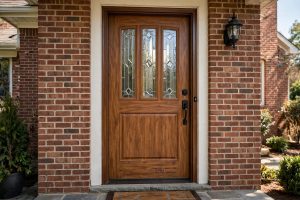
While a contractor is on site, many homeowners bundle related work. A new fence pairs well with a fresh entry. Our guide on professional grade exterior door replacement for homeowners walks through door options and costs. If your siding is aging, the vinyl siding installation cost guide usa gives clear price ranges. And for water control around the house, see our review of top rated gutter installation services reviews.
Frequently Asked Questions
How long does fence installation take?
Most home fences take two to four days. A simple 100-foot chain-link fence can be done in a day. A long wood privacy fence with several gates may take a week. Weather, soil, and permits can add time.
What is the best fence for privacy?
A wood or vinyl privacy fence six feet tall is the best choice for most yards. Solid panels block sight lines fully. For a front yard, check local height rules first, since front yards often have a four-foot limit.
Should I get a survey before building a fence?
Yes. A survey marks your exact property lines. Building over the line can force you to move or tear down the fence. The cost of a survey is small next to the cost of a dispute.
Do I need a permit for a fence?
In most towns, yes, at least for taller fences. Rules differ by city and county. Your contractor should handle the permit, but confirm it before work starts. Work without a permit can bring fines.
How long should a new fence last?
A wood fence lasts 10 to 15 years with care. A vinyl fence lasts 20 to 30 years. Metal fences can last 25 years or more. Chain link can last 20 years. Good posts, good drainage, and regular care add years to each type.
Can I install a fence myself?
Small repairs are fine for a handy homeowner. A full fence is hard work. Setting posts straight and level takes skill and tools. Most homeowners get a better result from a professional crew, and the fence lasts longer.
A Final Word
A fence is a long-term part of your home. Take the time to find reliable fence installation contractors in the usa who are licensed, insured, and willing to put every detail in writing. Choose a material that fits your climate and your budget. Care for the fence after it goes up. Do these things, and your fence will serve your family well for many years.
References
Bob Vila. (n.d.). Home improvement advice. https://www.bobvila.com CertainTeed. (n.d.). Building materials and exterior products. https://www.certainteed.com Family Handyman. (n.d.). DIY home repair and maintenance. https://www.familyhandyman.com James Hardie. (n.d.). Fiber cement siding and exterior products. https://www.jameshardie.com Lowe’s. (n.d.). Home improvement products. https://www.lowes.com The Home Depot. (n.d.). Home improvement products. https://www.homedepot.com The Spruce. (n.d.). Home and garden advice. https://www.thespruce.com This Old House. (n.d.). Home renovation guidance. https://www.thisoldhouse.com
Was this guide helpful?

About Lisa Anderson
The My Garden US editorial team writes practical, in-depth home and garden guides for American homeowners — tested advice, no fluff.
You May Also Like

Reliable Roof Replacement Contractors in Texas: A Homeowner’s Guide
April 27, 2026 0 views
Reliable Wood Siding Replacement in Texas
October 3, 2026 0 views
Top Rated Curb Appeal Makeover Services Reviews: A Plain Guide
January 14, 2026 0 views