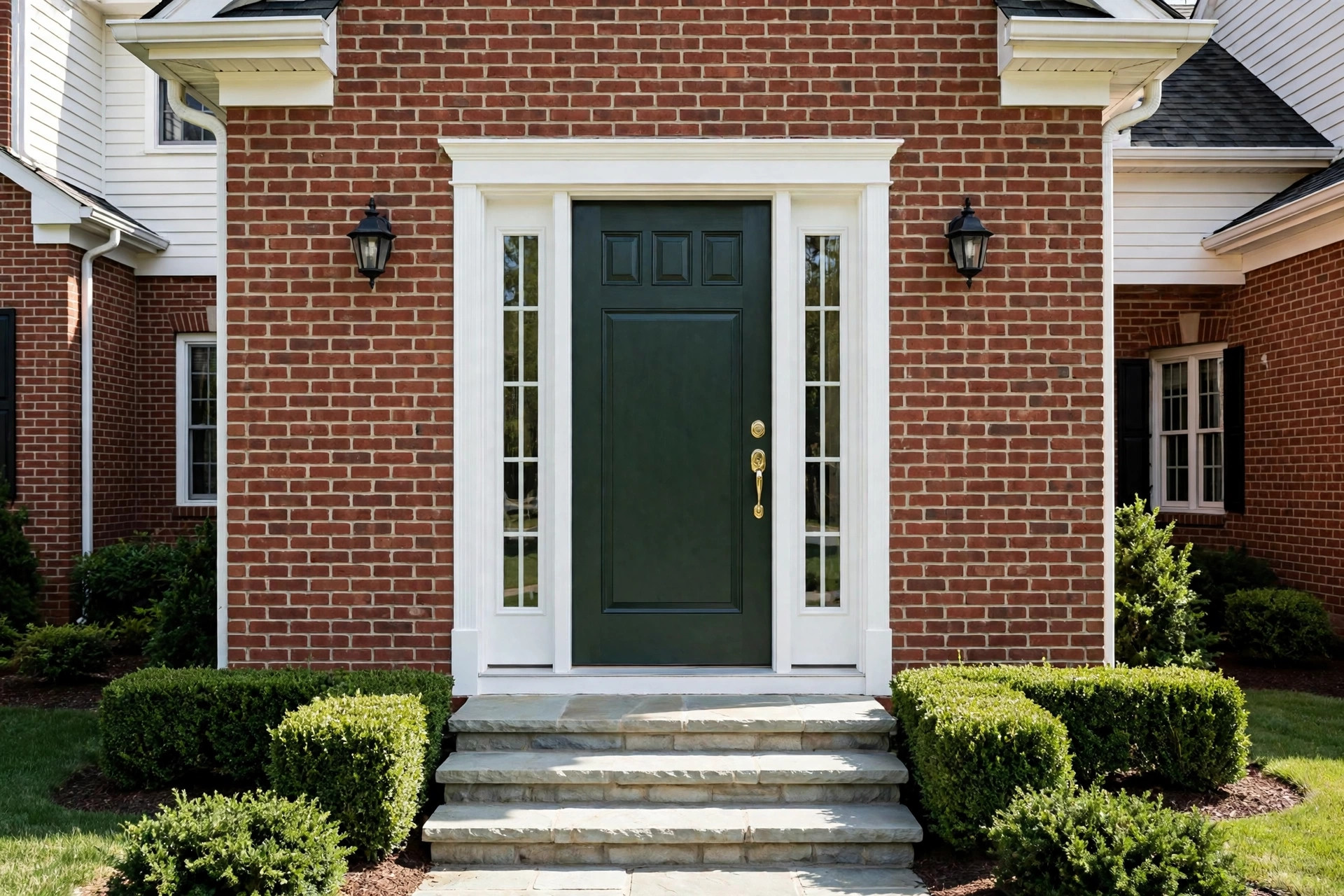

A front door does more work than almost any part of a house. It holds back wind and rain, it locks out intruders, and it sets the first mark of the home for every guest. When that door is worn, thin, or loose in its frame, the whole house pays for it in heat loss and worry. This guide covers professional grade exterior door replacement for homeowners in plain terms: why it matters, what to look for, which types last, what it costs, and how to care for the new door once it is hung.
Why Door Replacement Matters
An old entry door leaks air. Warm air escapes in winter, and hot air pushes in during summer. The furnace and the air conditioner work harder, and the bills grow. A new door with tight seals and a solid core cuts this waste. Many owners see lower energy bills in the first year.
Security is the second reason. A hollow, thin door with a weak strike plate is easy to kick in. A solid door, a deep-set deadbolt, and a reinforced frame make a break-in far harder. Home safety experts note that the door and its frame matter more than the lock alone.
Looks count too. The entry door is the face of the house. Real estate agents have long said that a new front door lifts curb appeal and can raise a home’s value. A clean, well-fitted door tells buyers the house has been cared for.
What to Look for in a Professional Grade Door: Professional Grade Exterior Door Replacement for Homeowners
Professional grade means the door is built for daily use and hard weather. It is not a thin builder’s door. Here are the marks to check.
Solid construction. The door should have a solid core or a dense foam core. Steel skins, fiberglass shells, and solid wood are the common choices. Press the face. It should feel firm, not hollow.
Weather sealing. Look for a full sweep at the bottom and weather stripping on all three sides of the frame. A good door ships with a threshold that adjusts.
Insulation value. Doors carry an R-value, a score for how well they resist heat flow. Fiberglass and insulated steel doors score higher than plain wood. A higher score means better savings.
Warranty. A real professional grade door comes with a written warranty of ten years or more. Read the fine print. Some warranties cover only the door, not the finish.
Fire rating. Entry doors can carry a twenty-minute fire rating. If your door sits near a garage or a stairwell, ask about this rating.
Before you shop, measure the opening. Write down the width, the height, and the thickness of the wall. Also note which way the door swings. These numbers make the whole job go faster. Detailed measuring guides walk through each step.
Types of Exterior Doors
Homeowners can pick from three main door materials. Each has its strengths.
Steel Doors
Steel doors are the strongest for the money. A steel skin over a foam core resists kicks and dents. They cost less than wood and they insulate well. Their weak point is rust. In wet climates, scratches must be sealed fast. A fresh coat of paint every few years keeps them sound.
Fiberglass Doors
Fiberglass is the most popular choice today. It looks like wood but never rots, warps, or swells. It needs little paint and it stands up to sun and rain. Fiberglass doors cost more than steel but less than fine wood. For most homes, they are the safe middle ground. Buying guides rate fiberglass high for low upkeep.
Wood Doors
Wood gives the richest look. A stained oak or mahogany door is hard to beat for beauty. But wood asks for care. It swells in rain and shrinks in dry heat. It needs sealing and repainting on a set schedule. For a covered porch, wood works well. For a door that faces the full sun, think twice.
Glass Inserts and Sidelights
Many entry doors carry glass panels or narrow side windows called sidelights. They let in light and brighten the hall. Pick double-pane glass for insulation. If privacy matters, choose frosted or textured glass. Remember that glass is the weak point for security, so keep it small or add a reinforced frame.
Double Doors and Dutch Doors
Some homes suit wider openings. A double entry door gives a grand look and lets large furniture pass through. A Dutch door splits in the middle, so the top half can stay open while the bottom stays shut. This is handy for homes with pets or small children. Both styles cost more than a single door, and the Dutch style needs two sets of hardware. Check the frame strength before you commit, since these units are heavy.
How to Choose the Right Door
Start with your climate. In cold states, a high R-value and tight seals matter most. In hot, humid states, fiberglass wins because it will not warp. In coastal areas, look for corrosion-proof hinges and locks.
Next, set your budget. Prices run wide, from a few hundred dollars to several thousand. A door that costs more up front can save money over twenty years if it needs less paint and repair.
Think about style. The door should match the house. A farmhouse suits a simple plank-style door. A colonial home suits a raised-panel door with sidelights. Hold color swatches against your siding in daylight before you decide. If you plan other exterior work, it helps to compare options side by side, such as weighing a storm door installation guide against a full door swap.
Get quotes from at least three installers. Ask each one the same questions: Are you licensed and insured? Who does the actual work? What is the timeline? What is covered if the door leaks? Good answers are short and clear.
Cost and Price Breakdown
A professional grade exterior door replacement usually runs between $1,000 and $4,000 for the full job. The door itself is about half the cost. Labor is the rest.
Here is a rough split:
– Steel door: $300 to $800 for the door; $500 to $900 for labor. – Fiberglass door: $600 to $2,000 for the door; $500 to $1,000 for labor. – Solid wood door: $1,000 to $4,000 for the door; $600 to $1,200 for labor.
Extra costs add up. A new storm door, sidelights, or a transom window raise the price. If the frame is rotted, rebuilding it can add $200 to $500. Old door removal and disposal may be a separate line item. Cost guides break these numbers down by region.
For patio and sliding doors, prices run higher because the glass is large and the track work is exact. See this energy efficient sliding patio doors buying guide for price ranges on those units.
Hiring an Installer
Most homeowners hire a pro for this job. A door that hangs wrong will stick, leak, and wear out fast. Here is how to hire well.
1. Check the license. The installer should hold a state contractor license where one is required. 2. Read reviews. Look for recent reviews that mention doors by name, not just general praise. 3. Ask for a written quote. The quote should list the door model, the hardware, the labor, and the cleanup. 4. Confirm the warranty. You want two warranties: one from the door maker and one from the installer for the labor. 5. Plan the day. The job takes four to eight hours. Someone should be home to lock up between visits.
A storm door can be added at the same visit. It guards the main door from weather and adds one more lock. Compare local options in this best storm door installation near me guide.
Care and Upkeep
A new door lasts longest when it gets simple care each year.
Clean it. Wash the door with mild soap and water twice a year. Dirt and grit wear the finish.
Check the seals. Run your hand around the frame on a windy day. If you feel air, the weather stripping may need replacing. Strips are cheap and easy to swap.
Oil the hardware. Hinges and locks last longer with a drop of oil each spring. Wipe off the extra.
Repaint on schedule. Wood doors may need a new coat every two to three years. Steel doors last five to seven years between coats. Fiberglass with a factory finish can go a decade.
Watch the threshold. The metal strip at the bottom takes foot traffic every day. Keep it tight to the floor. If it loosens, screws and caulk will fix it. Maintenance tips cover seasonal checks in more detail.
Safety During and After the Job
Door work is loud and the doorway stays open for hours. Plan for that. Move pets to a closed room. Keep children away from tools and open frames. At the end of the day, test every lock twice.
Once the door is in, change the habits that weaken it. Do not slam it. Do not hang heavy bags on the handle. Keep the deadbolt locked at night, not just the knob lock. A knob lock alone is easy to pick. Safety advice also covers how entry points fit into whole-home weather protection.
If you pair the new door with new windows, read a budget friendly vinyl replacement windows buying guide to plan both projects in one season.
Frequently Asked Questions
How long does a door replacement take? Most jobs finish in one day. A standard entry door takes four to six hours. Jobs with sidelights, new frames, or structural repair can run into a second day.
Can I replace an exterior door myself? A handy owner can do it, but the work is exact. The frame must be level and plumb, or the door will drag and leak. Most pros suggest hiring out this job. Step-by-step instructions show what the work involves.
How long does a new exterior door last? Fiberglass doors can last thirty years or more. Steel doors last twenty to twenty-five years with care. Wood doors last fifteen to twenty years, but only with steady repainting.
What is the most secure door material? Steel is the hardest to break through. Pair it with a reinforced strike plate, three-inch screws into the wall stud, and a quality deadbolt. The frame matters as much as the door.
Should I replace the frame too? If the old frame is straight and solid, keep it. If it is rotted, split, or out of square, replace it. A new door in a bad frame will never seal right.
Does a new door add home value? Yes. A new entry door is one of the cheapest upgrades with the best return. Buyers notice it first, and it photographs well for listings. Siding makers like James Hardie note that the whole entry system — door, trim, and siding — works together for curb appeal.
Final Word
A door is not a decoration. It is a working part of the house. Spend the time to pick a solid door, hire a careful installer, and give it a little care each year. A professional grade exterior door replacement for homeowners is one of those rare projects that pays back in comfort, safety, and value all at once.
References
Bob Vila. (n.d.). Home improvement advice. https://www.bobvila.com CertainTeed. (n.d.). Building materials and exterior products. https://www.certainteed.com Family Handyman. (n.d.). DIY home repair and maintenance. https://www.familyhandyman.com James Hardie. (n.d.). Fiber cement siding and exterior products. https://www.jameshardie.com Lowe’s. (n.d.). Home improvement products. https://www.lowes.com The Home Depot. (n.d.). Home improvement products. https://www.homedepot.com The Spruce. (n.d.). Home and garden advice. https://www.thespruce.com This Old House. (n.d.). Home renovation guidance. https://www.thisoldhouse.com
Was this guide helpful?

About Lisa Anderson
The My Garden US editorial team writes practical, in-depth home and garden guides for American homeowners — tested advice, no fluff.
You May Also Like
Best Deck Building Contractors Near Me: How to Choose the Right Deck Builder
March 11, 2026 0 views
Where to Buy Asphalt Shingle Roofing in Arizona
May 24, 2026 0 views
Stone Veneer Panels Reviews and Buying Guide
May 7, 2026 0 views