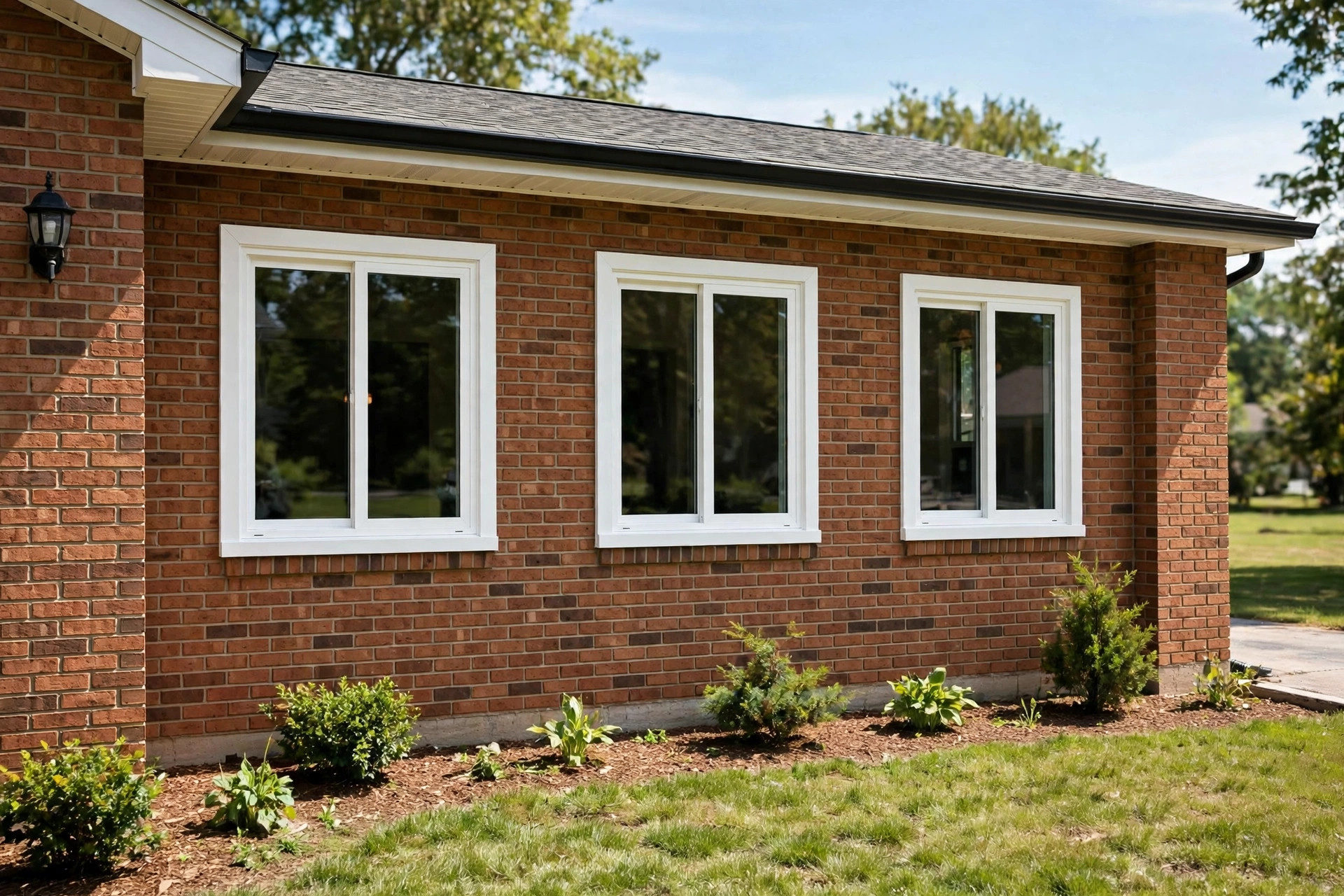

Old windows cause real trouble. They leak cold air in winter. They let warm air escape in summer. They stick when you try to open them. They fog between the panes. A budget friendly vinyl replacement windows buying guide helps you fix these problems without paying too much. Vinyl windows cost less than wood or fiberglass. They need little care. They last for many years. This guide walks you through every step. It explains what to look for, what to pay, and how to save money.
Why It Matters
Windows shape your whole home. They control light, air, noise, and heat. Old single pane windows waste energy. The U.S. Department of Energy reports that drafty windows raise heating and cooling bills. New vinyl windows seal tight. They keep your house warm in January and cool in July. That comfort matters every day.
Money is the second reason. Vinyl is the least costly frame material for replacement windows. A basic wood window can cost twice as much. For a homeowner on a budget, vinyl gives the best value. It will not rot. It will not rust. It does not need paint. That saves money year after year.
Looks matter too. New windows lift the whole face of a house. If you plan to sell, new windows help. This budget friendly vinyl replacement windows buying guide treats your money with respect.
What to Look For: Budget Friendly Vinyl Replacement Windows Buying Guide
Buying windows is not hard if you know the terms. Read this part before you visit any store or call any dealer. The main points fit on one page.
Frame Quality
Not all vinyl frames are equal. Cheap frames use thin walls. They bend over time. They let air pass at the corners. Look for frames with fused corners. Fused corners are welded, not screwed. They stay square. Ask the dealer how many chambers sit inside the frame. More chambers mean better insulation. Three to five chambers is a good sign.
Glass Package
Glass does most of the work. Basic double pane glass beats single pane glass by a wide margin. Double pane means two sheets of glass with air or gas between them. Argon gas fill is common and cheap. It slows heat loss. Low E coating is a thin film on the glass. It reflects heat back into the room in winter. It reflects sun heat away in summer. Energy Star labels windows that pass strict tests. Look for the blue label. It proves the window suits your climate zone.
U-Factor and SHGC
Two numbers tell you how a window performs. The U factor measures heat loss. A lower number is better. Look for 0.30 or below in cold areas. SHGC stands for solar heat gain coefficient. It measures how much sun heat passes through. In hot areas, a lower SHGC is better. In cold areas, a higher SHGC helps the sun warm your rooms. Dealers must list these numbers. If a dealer will not show them, walk away.
Installation Style
Two main styles exist. Insert windows fit inside your old frame. Workers slide the new unit into the old opening. This style costs less. It leaves the old trim in place. Full frame windows replace everything down to the wall studs. This style costs more. It fixes rot and damage in the old frame. If your old frames are solid, insert windows save a lot of money. If the frames are rotted, full frame is the right fix. A honest dealer will tell you which you need.
Types and Options
Vinyl windows come in many styles. Each style suits a different room and need. Prices change with style and size. Simple styles cost less. Fancy styles cost more.
Single Hung Windows
Single hung windows are the most common choice. The bottom sash moves up. The top sash stays fixed. They are simple. They are cheap. They fit almost every home. For a tight budget, start here.
Double Hung Windows
Double hung windows look like single hung windows. Both sashes move. The top slides down and the bottom slides up. You can tilt the sashes in for easy cleaning. They cost a bit more than single hung. Many buyers feel the extra cost is worth it.
Sliding Windows
Sliding windows move side to side. One panel glides on a track. They are simple and low cost. They suit wide openings. They work well over a sink or counter. You do not need to reach far to open them.
Picture Windows
Picture windows do not open. They are one big sheet of glass. They give the best view and the best price per square foot. Makers such as Andersen show how picture windows pair with smaller opening windows in the same room for air flow.
Casement Windows
Casement windows hinge at the side. They swing open like a door. A crank handle opens and closes them. They seal very tight when shut. That makes them good for windy areas. They cost more than hung windows. They also need clear space outside to swing.
Glass and Finish Upgrades
Double pane glass with Low E and argon is the sweet spot for most homes. Triple pane glass helps in very cold states, but it costs much more. Tint shades cut glare in sunny rooms. Grids between the glass add style.
Cost and Price
Price is the heart of this budget friendly vinyl replacement windows buying guide. Know the numbers before you shop. Prices change by state and by dealer. The ranges below reflect common prices in the United States.
Window Unit Prices
A basic single hung vinyl window often costs 150 to 300 dollars per unit. Double hung windows run 200 to 450 dollars. Sliding windows fall in the same range as double hung. Picture windows run 200 to 500 dollars for common sizes. Casement windows run 250 to 600 dollars. Large custom sizes cost more. These prices cover the window unit alone.
Installation Prices
Labor is the other half of the bill. Insert installation often costs 100 to 250 dollars per window. Full frame installation often costs 300 to 500 dollars per window. Ten windows with insert install might total 2,500 to 5,500 dollars. Big stores like Home Depot and Lowe’s list installed prices. Local dealers often match or beat them. Get at least three written quotes.
How to Save Money
You can cut the bill in honest ways. First, buy standard sizes. Custom sizes cost 20 to 50 percent more. Second, pick white frames. Third, choose double pane Low E glass and skip triple pane unless you live in a very cold zone. Fourth, use insert installation if your frames are sound. Fifth, buy in the slow season. Late fall and winter bring deals. Sixth, ask about rebates. Energy Star rated windows may earn utility rebates. Check with your power company. Seventh, buy all windows at once. Dealers discount bulk orders. Buyers who replace a whole house often pay less per window than buyers who replace two.
Be careful with very cheap offers. A price far below all other quotes is a warning sign. The dealer may use thin frames or add fees later. A fair low price is good. A crazy low price is a trap. Reports from Consumer Reports show that installation quality matters as much as the window brand.
Care and Upkeep
Vinyl windows ask little of you. That is one reason they suit a budget. You will not paint them. You will not stain them. You will not scrape them. A simple routine keeps them working for decades.
Wash the frames twice a year. Use warm water and mild dish soap. Wipe with a soft cloth. Do not use harsh cleaners. Do not use abrasive pads. They scratch the surface. Clean the glass with a standard glass cleaner. Keep the weep holes clear. Weep holes are small drains at the bottom of the frame. They let rain water out. A toothpick or pipe cleaner clears them.
Oil the moving parts once a year. Use silicone spray on the tracks and locks. Silicone does not attract dirt. Do not use oil based sprays. Check the weather stripping each fall. Press it flat if it has curled. Replace it if it is torn.
Check the caulk around the outside frame each year. Old caulk cracks and pulls away. Scrape out the bad spots. Add fresh exterior caulk. This small job stops water damage. Guides from Family Handyman show the steps with clear pictures.
Safety
Windows are safety tools, not just glass. Every bedroom needs a window that opens for escape in a fire. Measure the opening. It must be large enough for a person to climb through. Check local codes before you buy. Small basement windows may need enlargement to meet code. This is not the place to save money.
Glass choice matters for safety too. Tempered glass breaks into small dull pieces. Standard glass breaks into sharp shards. Use tempered glass in doors, low windows, bathrooms, and stairwells. Many codes require it in these spots. Laminated glass adds more safety. It holds together when struck. It also cuts noise. It costs more, but it protects kids and pets.
Locks deserve attention. Cheap locks break. Good cam locks pull the sashes tight. They stop drafts and slow intruders. Ask the dealer which lock comes with each model. Test the lock in the showroom. Safety tips from This Old House and Bob Vila cover these details well.
Choosing a Dealer
The dealer matters as much as the window. A careful installer turns an average window into a great result. A careless installer ruins the best brand. Ask these questions before you sign.
How long have you been in business? Five years or more is a good sign. Are you licensed and insured? Ask to see papers. What warranty covers the work? A strong labor warranty runs one to five years. What does the factory warranty cover? Good vinyl windows carry lifetime or long term coverage on parts. Does the quote list every cost? It should show unit price, labor, trim, caulk, disposal of old windows, and permits. Is the crew your own or hired day labor? Trained staff do better work.
Read reviews from past buyers. Check the Better Business Bureau. Ask neighbors who they used. Home sites like The Spruce also explain how to compare quotes line by line. Never pay the full price up front. A deposit of one third or less is normal. Hold the final payment until you have checked every window.
When you replace windows, other parts of the house get attention too. Many homeowners plan reliable wood siding replacement in Texas at the same time. Some also shop for weather resistant exterior lighting fixtures for sale to finish the front of the house. New owners even check where to buy house number plaques in Florida to complete the fresh look. Plan these extras in the same budget.
FAQ
How much do budget vinyl replacement windows cost installed? Most homeowners pay 250 to 700 dollars per window installed. Insert work on standard sizes sits at the low end. Full frame work on large or custom windows sits at the high end. A whole house with ten windows often totals 3,000 to 8,000 dollars. Three written quotes give you the true local range.
Are cheap vinyl windows worth it? Cheap does not have to mean bad. A well built budget window with fused corners, double pane Low E glass, and argon fill performs well for most homes. The danger lies in the lowest priced no name units with thin frames and weak locks. Spend a little more on the glass package and the install. Skip fancy colors and extra trim.
How long do vinyl windows last? Good vinyl windows last 20 to 30 years. Sun, heat, and poor install shorten that life. Basic care helps a lot. Keep weep holes clear. Wash frames twice a year. Recaulk when needed. Siding brands like James Hardie and CertainTeed make exterior products with similar long life spans. Windows from a solid maker last just as long with basic care.
Can I install replacement windows myself? A skilled homeowner can install insert windows. The job needs exact measuring, shimming, and sealing. Full frame install is harder. It opens the wall to weather. Most buyers get better results from a pro. Bad install voids many factory warranties. If you do it yourself, follow maker guides step by step.
Do vinyl windows add value to a home? Yes. New windows rank among the best mid cost upgrades for resale value. Buyers like low energy bills and clean looks. Appraisers note new windows. You may not get back every dollar, but you get strong value plus years of comfort.
What is the best glass for a tight budget? Double pane glass with a Low E coating and argon gas fill is the best value. It cuts heat loss far more than plain double pane. It costs only a little more. Save triple pane glass for very cold climates. The upgrade cost takes many years to pay back in mild zones.
A Final Word
Good windows do not require a big budget. This budget friendly vinyl replacement windows buying guide gives you the core facts. Pick fused corner frames. Pick double pane Low E glass with argon. Pick white single hung or double hung styles. Get three quotes. Choose the honest dealer over the cheapest price. Care for the windows each year. You will enjoy warm rooms, quiet nights, and low bills for decades.
References
Andersen. (n.d.). Windows and doors. https://www.andersenwindows.com Bob Vila. (n.d.). Home improvement advice. https://www.bobvila.com CertainTeed. (n.d.). Building materials and exterior products. https://www.certainteed.com Consumer Reports. (n.d.). Product reviews and ratings. https://www.consumerreports.org ENERGY STAR. (n.d.). Energy efficient products. https://www.energystar.gov Family Handyman. (n.d.). DIY home repair and maintenance. https://www.familyhandyman.com James Hardie. (n.d.). Fiber cement siding and exterior products. https://www.jameshardie.com Lowe’s. (n.d.). Home improvement products. https://www.lowes.com The Home Depot. (n.d.). Home improvement products. https://www.homedepot.com The Spruce. (n.d.). Home and garden advice. https://www.thespruce.com This Old House. (n.d.). Home renovation guidance. https://www.thisoldhouse.com U.S. Department of Energy. (n.d.). Energy efficiency and renewable energy. https://www.energy.gov
Was this guide helpful?

About James Carter
The My Garden US editorial team writes practical, in-depth home and garden guides for American homeowners — tested advice, no fluff.
You May Also Like

Top Rated Storm Door Installation Reviews: What Homeowners Need to Know
March 22, 2026 0 views
Top Rated Exterior Lighting Fixtures for Cold Climates
January 24, 2026 0 views
Best Fence Installation Contractors Near Me: How to Hire the Right Crew
January 14, 2026 0 views