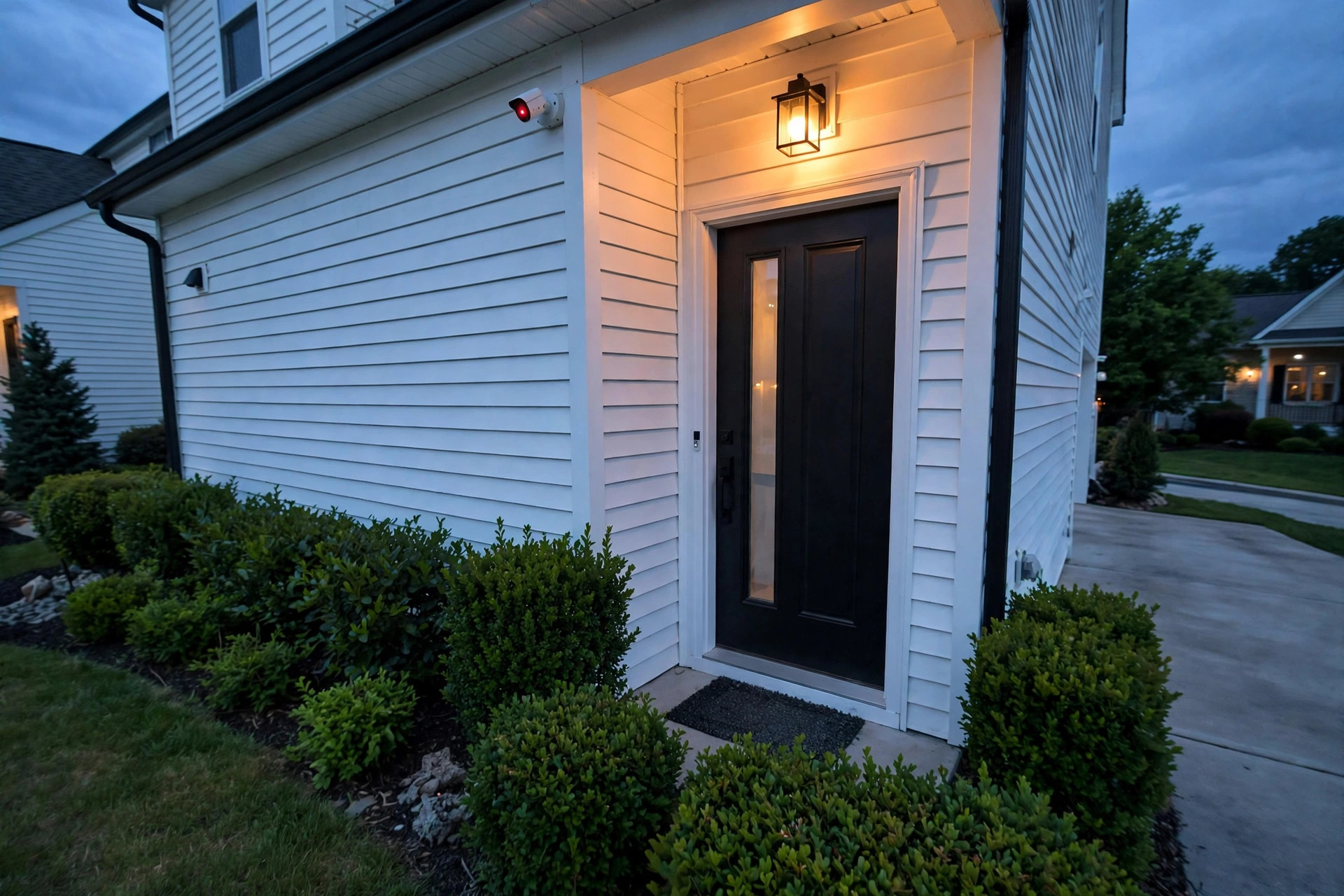

When a homeowner searches for top rated outdoor security cameras with free shipping, the need is simple. The home needs watchful eyes. The yard, the porch, and the driveway all deserve steady coverage. And the order should arrive at the door without an extra shipping charge. This guide explains what makes an outdoor camera worth buying, how to choose the right type, and how to keep it working for years.
Many families add cameras after a package goes missing from the porch. Others add them before a long trip away from home. A good camera records clear video day and night, stands up to rain and snow, and sends an alert when motion appears. The best rated models do all of this without a fuss. Let us look at why these cameras matter, what features count most, and how to shop with care.
Why Outdoor Security Cameras Matter
A home is more than walls and a roof. It holds people we love and goods we worked to earn. An outdoor camera stands guard when we cannot. It watches the front door while we sleep. It watches the back gate while we are at work. The mere sight of a camera can turn a thief away.
Police reports often point to camera footage as a key tool. A clear clip of a face or a license plate can make a case. Even without a crime, cameras bring calm. A parent can check the front yard from the kitchen. A traveler can check the porch from a far city. That peace of mind is worth much.
Cameras also help in small daily ways. They show when a package lands on the steps. They show which dog knocked over the trash can.
When cameras are top rated, buyers can trust the reviews behind them. Other owners have tested the video in rain and in dark. They have tested the app and the alerts. A high rating means the camera passed these real trials. Free shipping is a fair bonus. It keeps the total cost down and the purchase simple. Many large stores now ship outdoor cameras free, and Home Depot is one well known store that stocks a wide range of them.
What to Look For When Choosing: Top Rated Outdoor Security Cameras with Free Shipping
Video Quality
Clear video is the heart of a camera. Look for at least full HD, which means 1080p resolution. This gives a sharp picture of faces and plates within a normal yard range. Some top models offer 2K or 4K, which show even finer detail. A wide lens, around 120 degrees or more, covers more of the yard with one unit.
Night vision matters just as much. Most crime and most odd events happen after dark. Good cameras use infrared light to film in black and white at night. Color night video can show the color of a car or a coat, which helps a great deal.
Weather Rating
An outdoor camera must stand up to the sky. Check the weather rating on the box or the listing. The code IP65 or IP66 means the camera keeps out dust and rain. Cameras with this rating can sit under the eaves or on a fence post through storm and snow. In hot states, check the heat limit. In cold states, check the low limit. A camera rated from minus 4 to 122 degrees Fahrenheit suits most of the country.
Power and Connection
Cameras need power and a path to the network. Wired cameras plug into the home power and run steady. They never need a charge. Wireless cameras run on batteries or on small solar panels. They are easy to place, but the owner must charge or check the batteries.
Most outdoor cameras join the home through Wi-Fi. A strong signal at the mounting spot is key. If the camera sits far from the router, a Wi-Fi extender may help. Some cameras also work with a hub or a base station that plugs into the router. Read the listing with care before you buy.
Storage and Alerts
Where does the video go? Some cameras save clips to a small card in the unit. Others send clips to the cloud for a monthly fee. A few offer both. Local storage costs nothing after the card is bought. Cloud storage keeps the video safe even if the camera is stolen.
Motion alerts tell you when something moves. The best cameras let you mark zones, so the camera watches the walkway but ignores the street. Smart alerts can tell a person from a car or an animal. This cuts down on false alarms. Two way talk lets you speak through the camera to a visitor or to warn off a stranger. Many buyers read consumer guides to compare how well each brand handles alerts and storage.
Types of Outdoor Security Cameras
Bullet Cameras
Bullet cameras are the long, tube shaped units most people picture. They mount on a wall or under the eaves and point at one spot. They give a strong, fixed view of a door or a drive. Most are wired, which suits a permanent mount. They are often the most affordable top rated choice.
Dome Cameras
Dome cameras sit in a round cover. The cover hides which way the lens points. This can deter theft, since a stranger cannot tell what the camera sees. Dome units suit porches and patios where looks matter. They mount flat to a ceiling or wall.
Floodlight Cameras
A floodlight camera joins a bright light with a camera. When motion starts, the light snaps on and the camera records in color. This type is a strong pick for dark backyards and side yards. The light alone can scare off a prowler. Wiring is needed, since the lamp draws power. SimpliSafe and other home safety brands offer lighting and camera pairs for this kind of setup.
Doorbell Cameras
A doorbell camera sits by the front door in place of the old bell. It films visitors, takes in packages, and lets the owner talk to guests from a phone. It covers the porch well but sees little of the side yard. Many homes pair a doorbell camera with one or two standard outdoor units.
PTZ Cameras
PTZ stands for pan, tilt, and zoom. These cameras move. The owner can turn the view left or right, up or down, and zoom in on a detail. They suit large yards and farms. They cost more than fixed cameras, and they need a steady power source.
Cost and Price
Outdoor camera prices span a wide range. A simple wired bullet camera can cost as little as 30 to 60 dollars. A mid range wireless camera with color night vision often runs 80 to 150 dollars. A floodlight camera or a PTZ unit can run 150 to 300 dollars or more. A full set of four cameras with a hub can run 300 to 600 dollars.
Free shipping changes the math. A camera that costs 99 dollars with free shipping beats one that costs 89 dollars with a 20 dollar ship fee. Many large retailers ship orders over a set amount for free. Some ship every camera free with no minimum. When you compare prices, always add the ship cost to the shelf price. Lowe’s and other big chains often run free shipping deals on home safety gear, so it pays to check their current terms.
Cloud plans add to the cost over time. A basic plan may run 3 to 10 dollars a month per camera. Some brands cut the fee when you pay for the year.
Installation can add cost too. A wired floodlight camera may need an electrician, which can run 100 to 250 dollars. Wireless battery cameras need no pro help. Most owners can mount them with a drill and a ladder in under an hour. Guides from Bob Vila and This Old House walk through simple mounts step by step.
Care and Upkeep
A camera is only as good as its lens. Dust, pollen, and spider webs blur the view. Wipe the lens with a soft dry cloth every month or two. In bug season, check more often. Spiders love the warmth of infrared lights and will spin webs right across the lens.
Check the mount twice a year. Wind and time can loosen screws. A camera that points at the ground helps no one. Tighten the bracket and aim the lens back at the door or yard. If the camera is wired, check the cable for wear from sun and squirrels.
For battery models, watch the charge level in the app. Cold weather drains batteries fast. A solar panel add on can keep the charge topped up through the year. Replace old batteries when they no longer hold a charge.
Keep the app and the firmware up to date. Makers send updates that fix bugs and close safety holes. Turn on auto update if the app allows it. Change the default password on day one, and use a strong, unique code. Family Handyman offers plain upkeep checklists that suit any brand of outdoor camera.
A tidy yard helps the camera too. Trim bushes that block the view. Keep the lens clear of branches. Good exterior lighting near entry points makes night video sharper and helps the camera catch true color after dark.
Safety
Safety covers two things: the safety of the home and the safety of the camera owner. Mount the camera out of easy reach, at least eight to ten feet high. This keeps it out of the hands of a thief and out of the path of a thrown rock. Use the screws and anchors that come in the box, and pick a stud or solid siding when you can.
Electrical safety matters for wired units. Turn off the power at the breaker before you touch any house wiring. If the job calls for new wiring, hire a licensed electrician. Water and power do not mix, so seal any holes with outdoor caulk.
Digital safety matters as well. A camera joins your home network, so guard it like you guard your bank login. Use a strong password. Turn on two step sign in if the brand offers it. Keep the Wi-Fi network locked with a modern code. Place cameras to watch your own property only. Pointing a camera into a neighbor’s window can break local laws. Check town rules before you aim a lens at a shared fence line. Tech reviewers at CNET and PCMag often cover privacy settings in their camera reviews, which is a good place to learn what each brand allows.
Frequently Asked Questions
How many outdoor cameras does a home need? Most homes do well with two to four. One should watch the front door and porch. One should watch the back door or patio. A third can watch the driveway or garage. Large lots may need more. Walk the lot at dusk and note the dark spots. Each dark entry point is a good spot for a camera.
Do wireless cameras work in cold weather? They do, but cold drains batteries faster. Most brands rate their batteries down to about minus 4 degrees Fahrenheit. In deep winter, expect to charge more often. A solar panel helps. Wired cameras have no such worry, since house power runs steady.
Can I install outdoor cameras myself? Yes, in most cases. Battery and plug in models need only a drill, a ladder, and the app on your phone. The app walks you through each step. Wired floodlight cameras are harder, since they tie into house power. When in doubt, call an electrician. The fee is worth the peace of mind.
Do I need a subscription for the camera to work? No. Most cameras record and send live video with no plan. The plan only adds cloud storage and smart alerts. A memory card in the camera can store clips for free. Read the fine print, since some brands lock key features behind a pay wall.
Will rain damage my outdoor camera? Not if the camera is rated for outdoor use. Look for IP65 or higher on the listing. Mount the camera under the eaves when you can for extra shelter. Wipe the lens dry after a hard storm. With fair care, a good camera lasts five years or more.
Is free shipping really free? It should be, but read the terms. Some stores set a minimum order, such as 45 dollars. Some exclude far rural zones. Some add the ship cost into a higher shelf price. Compare the full out the door price across two or three stores before you click buy. James Hardie and CertainTeed focus on siding and exterior cladding rather than cameras, which is a reminder to buy cameras from stores that stock home safety gear and to pair the units with sound exterior walls and fresh paint for a clean, secure look.
A Final Word
The search for top rated outdoor security cameras with free shipping ends with a simple plan. Pick a camera with clear day and night video, a true weather rating, and a power type that suits your home. Mount it high, aim it well, and keep the lens clean. Guard the login like a house key. The camera will then do its quiet job, day and night, in rain and in calm. A safe home is a calm home, and a good camera helps make it so.
References
Bob Vila. (n.d.). Home improvement advice. https://www.bobvila.com CertainTeed. (n.d.). Building materials and exterior products. https://www.certainteed.com CNET. (n.d.). Technology news and reviews. https://www.cnet.com Consumer Reports. (n.d.). Product reviews and ratings. https://www.consumerreports.org Family Handyman. (n.d.). DIY home repair and maintenance. https://www.familyhandyman.com James Hardie. (n.d.). Fiber cement siding and exterior products. https://www.jameshardie.com Lowe’s. (n.d.). Home improvement products. https://www.lowes.com PCMag. (n.d.). Technology product reviews. https://www.pcmag.com SimpliSafe. (n.d.). Home security systems. https://www.simplisafe.com The Home Depot. (n.d.). Home improvement products. https://www.homedepot.com This Old House. (n.d.). Home renovation guidance. https://www.thisoldhouse.com
Was this guide helpful?

About Emily Rodriguez
The My Garden US editorial team writes practical, in-depth home and garden guides for American homeowners — tested advice, no fluff.
You May Also Like
Top Rated Exterior Lighting Fixtures for Cold Climates
January 24, 2026 0 views
Best Carriage Style Garage Doors for Small Apartments
September 1, 2026 0 views
Where to Buy Double Hung Windows in Texas: A Complete Guide
May 16, 2026 0 views