
Introduction
Tile floors take a beating. Muddy boots, spilled soup, and pet paws all leave their mark. Many homeowners in the United States now clean tile with steam instead of a bucket and mop. If you are shopping for one, a steam mops for tile floors price comparison usa can save you real money and steer you toward a machine that fits your home. This guide explains what steam mops do, what features matter, and what you can expect to pay at each price level.
Why Steam Mops Matter for Tile Floors: Steam Mops for Tile Floors Price Comparison Usa
Tile is hard and grout lines are rough. Dirt settles into those small valleys where a dry rag cannot reach. Hot steam loosens that grime. The mop pad then lifts it away. No bucket of dirty water is needed. That is the basic reason steam mops have become so common in kitchens, bathrooms, and laundry rooms.
Steam also kills germs with heat alone. For families with small children or pets, this is a real plus. You clean without harsh cleaners. The floor dries in minutes because only a thin layer of steam touches it. Less water also means less risk of damage to grout. A damp, not soaked, floor is the goal, and steam mops deliver that.
Tile floors also trap smells. Grease from cooking settles on kitchen tile. Soap film builds up in bathrooms. Steam cuts through that film fast. The heat breaks the bond between grime and the tile surface. After one pass, the floor often feels clean under bare feet again. That clean feel is hard to get with a string mop that leaves a wet, sticky film.
Cost is another factor. A bag of cleaner, a mop head, and hot water cost money week after week. A steam mop costs money once. The pads wash and last for many months. Over a few years, many families spend less on floor care. The time saved is large too. A kitchen floor that once took forty minutes can take fifteen.
What to Look for When You Buy
Not all steam mops work the same way. Here are the points that matter most when you compare models.
Heat-Up Time
Cheap mops may take a minute or more to heat. Better models heat in twenty to thirty seconds. Fast heat-up is handy if you want to spot-clean a small spill without a long wait.
Water Tank Size
A small tank means more refills. For a small bathroom, that is fine. For a whole kitchen and hallway, look for a tank of twelve ounces or more. Removable tanks are easier to fill at the sink.
Steam Levels
Most models offer at least two or three steam settings. Tile with heavy grout dirt needs high steam. Lighter daily cleaning needs less. Adjustable steam gives you control and protects the floor from excess heat.
Mop Head and Pads
A wide head covers large rooms faster. Swivel heads reach under cabinets. Washable pads save money over time because you do not throw them away. Some brands sell pads in packs, and the cost adds up, so check pad prices before you buy.
Weight and Cord
A light mop is easier to push around. Under eight pounds is a good target. The cord should reach your outlets. A long cord, twenty feet or more, cuts down on unplugging and moving. A few models run on batteries, but they cost more and run for a short time.
Extras
Some mops come with small brushes for grout lines. Others convert to a hand-held steamer for counters and sinks. These extras raise the price. Decide if you will really use them. Buying tools you never touch is a waste.
Some models come with a small carpet glider for low rugs. This is a nice extra, but it is not a full carpet cleaner. Do not pay much for it unless you have tile next to small rugs.
A warranty is worth a look. Cheap mops often carry a one-year warranty. Mid-priced models may offer two years. A longer warranty can be a sign that the maker trusts the build. Read what the warranty covers. Some cover the heater but not the pads.
Types of Steam Mops for Tile Floors
Manufacturers sell several kinds of steam mops. Knowing the types helps you read any price chart with care.
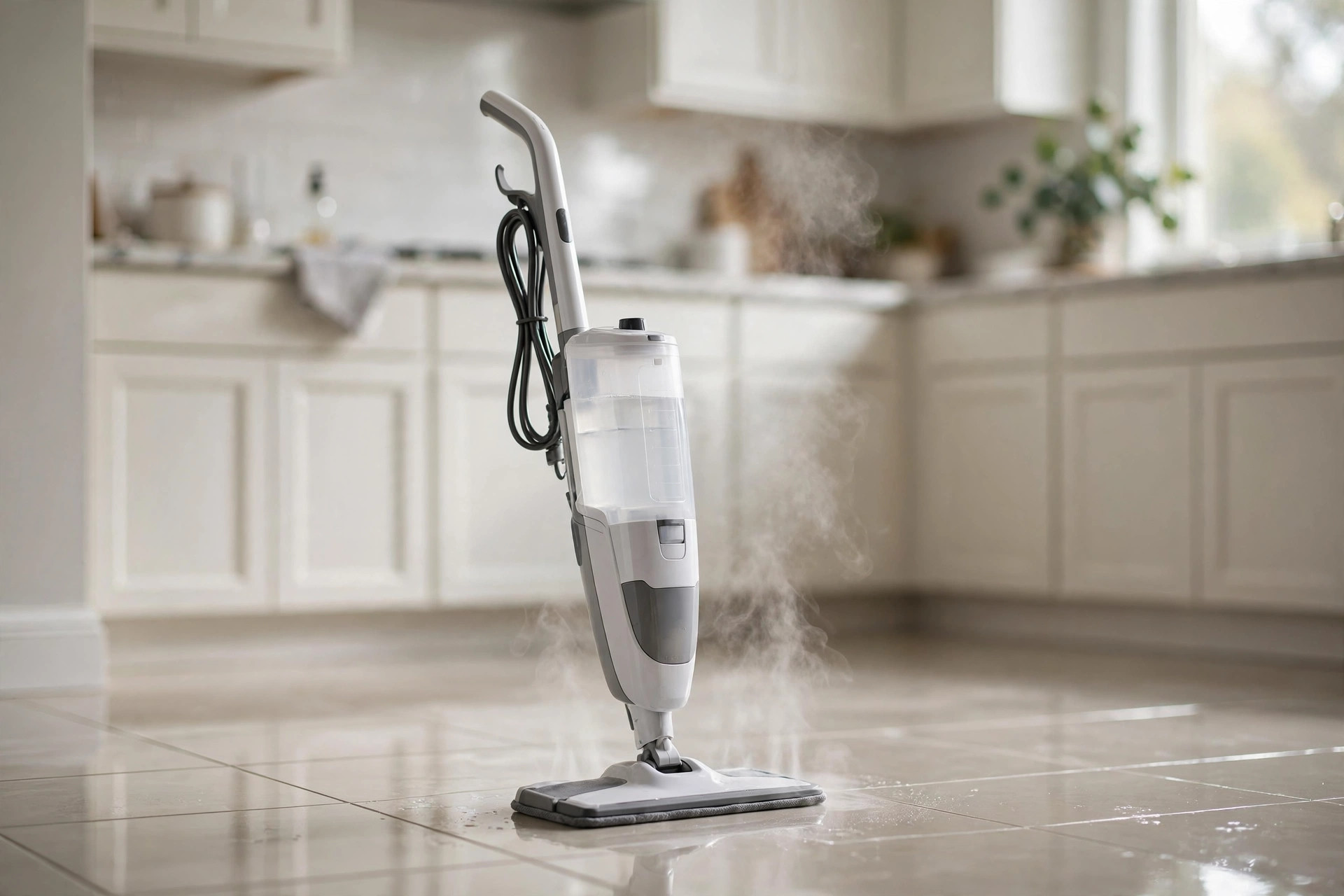
Stick steam mops look like upright vacuums. They are the most common type for tile. Prices start low and they store well in a closet.
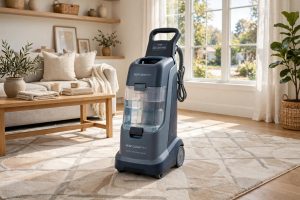
Canister steam cleaners have a separate tank on wheels and a hose with a mop head. They cost more. They hold more water and often run longer. They suit large homes.
Steam mop and vacuum combinations sweep and steam in one pass. They are newer and priced at the top of the range. If your tile floors collect crumbs and dust each day, one of these can replace two tools.
Hand-held steamers with mop attachments are small and light. They work for bathrooms and small kitchens. They are the cheapest option but the slowest for big rooms.
Steam Mops for Tile Floors: Price Comparison in the USA
Prices vary by brand, size, and features. The chart below gives a general picture of the American market today.
Under $60: Basic stick mops live here. They heat slowly and offer one or two steam levels. They clean fine on glazed ceramic tile. They may lack swivel heads and come with one thin pad. Brands such as Shark sell entry models in this range during sales, and big stores like Home Depot and Lowe’s carry them.
$60 to $120: This is the sweet spot for most homes. You get faster heat-up, three steam levels, washable pads, and a longer cord. This range holds many of the best-selling models. Independent testing groups such as Consumer Reports and Good Housekeeping review these mops for cleaning power and ease of use.
$120 to $200: Here you find canister models, steam-and-vacuum machines, and premium sticks with hand-held converters. Tanks are bigger. Steam is stronger. Build quality is better. These suit large homes with long runs of tile.
Over $200: This range covers commercial-grade steam cleaners. Most homes do not need them. They heat fast and run long, but they are heavy and costly. If you run a small rental or a home business, the price may be worth it.
Where you buy matters too. Big-box stores, home centers, and maker websites all set their own prices. Sales around holidays can cut twenty to thirty percent off. Comparing prices across two or three stores before you buy is always wise. For advice on what features are worth paying for, The Spruce, This Old House, and Family Handyman all publish buying guides that break down specs in plain terms.
Care and Upkeep
A steam mop lasts longer if you care for it. Use distilled water when you can. Tap water leaves mineral scale inside the heater. Scale shortens the life of the machine. Wash the pads after every use. A dirty pad just spreads grime back onto the floor. Let pads air-dry so they do not sour.
Empty the tank after cleaning. Standing water grows mold. Wipe the mop head with a dry cloth. Check the cord for wear each month. Replace worn pads rather than forcing them to work past their life. A fresh pad picks up more dirt and protects the tile surface.
Grout needs extra care. After steam cleaning, let the floor dry fully. If grout still looks gray, scrub it with a stiff brush and a mild grout cleaner once a year. Re-seal grout lines every one to two years if the maker suggests it. Sealed grout resists stains and makes each steam cleaning work better.
Store the mop in a dry spot. Hang the cord loosely. A tight wrap can crack the cord over time. Keep extra pads in a clean bag so they stay free of dust. With these small habits, the mop will heat fast and clean well for years.
The EPA notes that steam cleaning uses no chemicals, which cuts down on household waste. Fewer cleaner bottles in the trash is a small win for any home.
Safety Tips
Steam is hot. It can burn skin in a second. Keep children and pets out of the room while you mop. Never point the steam head at your hands or feet. Let the mop cool before you change pads. Set it upright when you pause. Never leave it face-down on the floor while it is on.
Unplug the mop before you fill the tank on models that ask for it. Read the manual first. It lists what the mop can and cannot clean. Steam can damage unsealed stone and some vinyl floors, so check that your tile and grout are sealed. When in doubt, test a small hidden spot first.
Frequently Asked Questions
Do steam mops really work on grout?
Yes, to a point. Steam softens surface grime in grout lines. A stiff brush head helps with deep stains. Old, set-in stains may need a grout cleaner too. For day-to-day dirt, steam does the job well.
Can I use a steam mop on all tile?
It works on glazed ceramic and porcelain tile, which most homes have. Unsealed natural stone can soak up steam and stain. Check your tile type before you buy.
Is distilled water really needed?
It is the safest choice. Hard tap water leaves scale that can clog the heater. If your water is soft, filtered tap water is fine. Most manuals state what they prefer.
How long does a good steam mop last?
With care, a mid-priced mop lasts three to five years. Cheap models may fail sooner. Washable pads are the part you replace most often. Some owners pair their mop with microfiber cleaning cloth sets for quick wipe-ups between steam sessions.
Are steam mops better than spin mops?
Each has a use. Spin mops are cheaper and good for light work. Steam mops clean deeper and sanitize with heat. For homes with tile in kitchens and baths, many owners keep both: steam for deep cleans, a quick mop for spills. For tough spots, some add cordless electric scrubbers to their kit.
How often should I steam clean tile floors?
Once a week is enough for most homes. Kitchens and entryways see more dirt, so they may need two passes a week. Bathrooms do well with a weekly pass too. Between steam sessions, a quick sweep keeps grit from scratching the tile. Homes with pets may want to mop high-traffic paths twice a week to stay ahead of paw prints.
Keep steam on the tile. Steam can harm wood finishes over time. Sweep or use a proper wood tool on the wood side of the threshold. If you also care for wood floors, a guide on quiet hardwood floor buffers may help.
A Short Final Word
A steam mop is a simple tool that makes tile floors look new with little effort. Compare prices across the ranges above. Match the tank, steam levels, and weight to your home. Skip extras you will not use. With a fair price and a little care, your mop will serve you for years, and your tile will show it.
References
Consumer Reports. (n.d.). Product reviews and ratings. https://www.consumerreports.org Family Handyman. (n.d.). DIY home repair and maintenance. https://www.familyhandyman.com Good Housekeeping. (n.d.). Product reviews and home advice. https://www.goodhousekeeping.com Lowe’s. (n.d.). Home improvement products. https://www.lowes.com Shark. (n.d.). Home cleaning appliances. https://www.sharkclean.com The Home Depot. (n.d.). Home improvement products. https://www.homedepot.com The Spruce. (n.d.). Home and garden advice. https://www.thespruce.com This Old House. (n.d.). Home renovation guidance. https://www.thisoldhouse.com U.S. Environmental Protection Agency. (n.d.). Protecting human health and the environment. https://www.epa.gov
Was this guide helpful?

About Emily Rodriguez
The My Garden US editorial team writes practical, in-depth home and garden guides for American homeowners — tested advice, no fluff.
You May Also Like
Best Hardwood Floor Buffers for American Homes
April 5, 2026 0 views
Stainless Steel Appliance Cleaners: Reviews and Buying Guide
January 16, 2026 0 views
Professional Grade Gutter Cleaning Tools Buying Guide
February 9, 2026 0 views