A good set of pantry food storage containers changes the way a kitchen works. This pantry food storage containers reviews and buying guide walks through every point that matters, from materials and lid seals to sizes and prices. Readers who buy with care keep dry goods fresher, cut down on waste, and bring order to a cluttered shelf. The sections below rate the main container styles, explain what the reviews praise and criticize, and set out a plain plan for choosing the right set.
Why Good Pantry Storage Matters
Most American kitchens hold dozens of open bags and boxes. Flour sits in a torn sack. Cereal goes stale in a cardboard box. Rice bags slump in a dark corner. The result is spoiled food, lost money, and shelves that look like a storm passed through. Airtight containers solve the problem at the root. They shut out air, moisture, and pests, and they turn a messy pantry into a neat, readable system.
Freshness is the first gain. Dry goods such as flour, sugar, rice, oats, and coffee lose flavor fast once opened. Air and damp are the main enemies. A container with a true airtight seal slows that damage by weeks and often months. Families report that staples last longer and taste better, which means fewer trips to the store and less food in the trash.
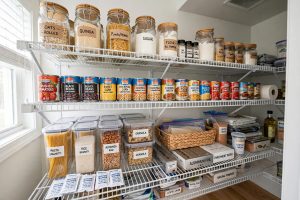
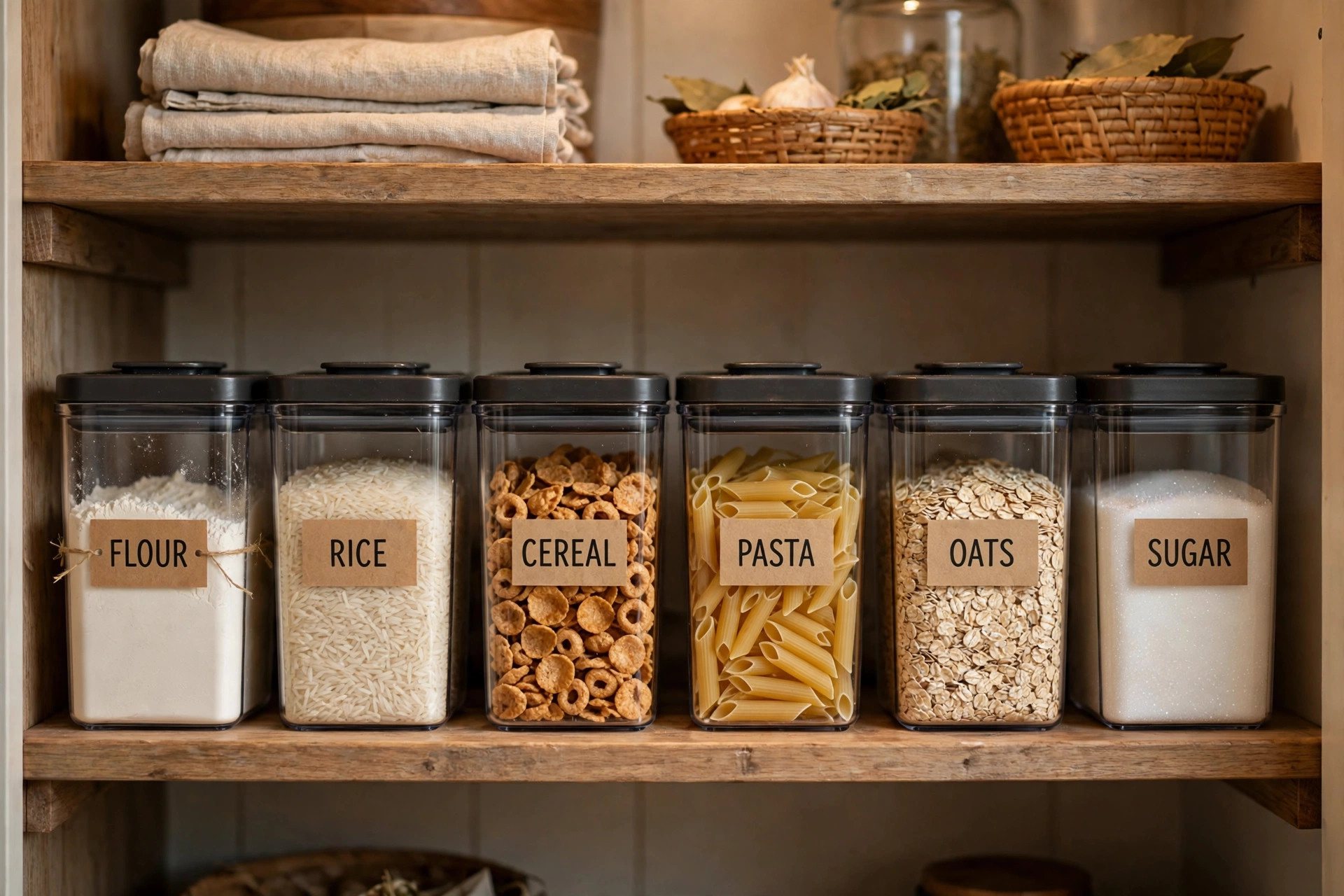
The second gain is order. Clear containers show exactly what is inside and how much is left. No more opening five boxes to find the brown sugar. No more buying a second bag of pasta because the first one hid behind a cereal box. Many cooks pair their containers with sturdy pantry shelving units, and the pair makes even a small pantry feel twice as large.
Pest control is the third gain. Pantry moths and weevils love open flour and grain. Once they arrive, they spread through every bag on the shelf. Hard-sided airtight containers break that chain. For full pantry organization guides, sites such as The Spruce and Apartment Therapy publish tested storage advice alongside ideas for the rest of the home.
Reviews: What Shoppers Like and Dislike: Pantry Food Storage Containers Reviews and Buying Guide
Surveys of shopper reviews point to the same themes again and again. The containers that win the best marks share a few traits. Their lids seal firmly with a gasket or a locking tab. Their bodies are clear, so the contents stay visible. They stack well, so shelf space is not wasted. And they survive the dishwasher without warping or cracking.
The most common complaint is weak seals. Cheap containers often claim to be airtight but use thin lids that bow or crack within months. Reviewers note that cereal turns stale in these jars just as fast as in the box. A second common complaint is lids that are hard to open. Some locking designs need real hand strength, which frustrates older shoppers and anyone with arthritis.
Size mismatch draws criticism too. Tall containers waste space under short shelves, while small jars hold only a fraction of a standard flour sack. Smart buyers measure their shelf height and their favorite staple bags before they order. Reviews also warn about staining. Clear plastic can turn cloudy or hold the smell of strong foods after long use, though hand washing helps.
Glass containers win praise for looks and odor resistance. Heavy-duty glass keeps no smell and washes clean for years. The downside is weight and breakage, and prices run higher. Plastic sets win praise for low price and light weight, plus many are marketed as BPA-free. The downside is shorter life and the clouding noted above. Retail catalogs at IKEA, Walmart, Target, and The Container Store show the full range of both styles, and Wayfair carries large matching sets for bigger pantries.
How to Choose: What to Look For
Seal Quality
The seal is the heart of the container. Look for a silicone or rubber gasket inside the lid. When the lid closes, the gasket should press evenly all around the rim. Flip-lock lids, screw tops, and push-button vacuum lids all work when the design is sound. A simple test helps. Close the lid on an empty container, fill a sink, and press it under water. A stream of bubbles marks a bad seal.
Material
Food-grade plastic is the popular choice. It is light, cheap, and hard to break. Look for labels such as BPA-free and food-safe. Tritan plastic resists clouding better than cheap polycarbonate. Glass is the premium choice. It does not absorb odors, it looks fine on open shelves, and it lasts for decades. Its cost and weight are the trade-offs. Stainless steel suits dry goods kept in dark pantries, but it hides the contents, so it works best for flour and sugar that are used daily.
Shape and Size
Square and rectangular containers use shelf space better than round ones. They sit flush against each other with no dead gaps. Buy a mix of sizes. Tall slim jars fit pasta and spaghetti. Medium wide jars fit rice, flour, and sugar. Small jars fit snacks, nuts, and dried fruit. Measure the tallest shelf in the pantry first, and leave at least an inch above the lid for fingers.
Lids and Ease of Use
Lids should open with one hand and close with a clear click. Avoid designs with tiny tabs that snap off. Check that replacement lids are sold on their own, because lids wear out first. For homes with children, shatterproof plastic beats glass on lower shelves. Stores such as Home Depot and Costco stock bulk sets with spare lids, and Family Handyman offers practical pantry layout tips.
Types and Options
Stacking canister sets. These are the classic choice. A set of four to ten matching jars, usually square, with uniform lids. They look tidy and stack safely. Best for a full pantry reset.
Flip-top cereal dispensers. Tall narrow containers with pour spouts. They suit cereal, oats, and rice. Reviewers like the easy pour and dislike lids that leak at the spout.
Vacuum-seal containers. Push-button lids that press air out before sealing. They give the best freshness for coffee, flour, and pet treats. They cost more and have more parts to wash.
Bulk bins with scoop lids. Wide-mouth jars with a large opening for a scoop. They suit flour, sugar, and baking supplies used in big amounts.
Nested space-saver sets. Containers that nest inside each other when empty. They suit small kitchens and renters, since unused jars store compactly. Some buyers use matching sets across rooms; for example, a nightstand with storage drawers keeps bedroom clutter down the same way pantry jars keep food clutter down.
Cost and Price
Prices run wide. A basic plastic set of six to ten pieces costs about fifteen to forty dollars. Mid-range sets with silicone gaskets and BPA-free plastic cost about forty to eighty dollars. Premium glass sets cost about sixty to one hundred fifty dollars for a comparable count. Single large containers cost five to twenty dollars each, with vacuum-seal models at the top of the range.
Value matters more than sticker price. A cheap set that warps in a year costs more over time than a solid set that lasts a decade. Reviews suggest spending in the middle range for the containers used daily, such as flour and cereal, and saving money on small jars for rarely used items. Watch for sales at big-box stores, since storage sets are marked down often. Price trackers and comparison guides can help, much like a price comparison guide helps in other categories.
Sets cost less per piece than single jars, but only buy the sizes you will use. A thirty-piece set sounds rich until ten odd shapes sit empty in a cabinet. For cold or damp storage rooms, waterproof shelving pairs well with sealed containers to guard against moisture from below.
Care and Upkeep
Wash new containers before first use with warm soapy water. Most plastic sets are top-rack dishwasher safe, but hand washing keeps them clear longer. Hot dryers can warp thin lids, so let lids air dry. Glass containers handle the dishwasher well, though rubber gaskets should be removed and washed by hand so they keep their shape.
Check seals twice a year. Press each gasket and look for cracks or flat spots. Replace worn gaskets when you can, or retire the jar to non-food use. Store empty containers with lids off or loosely set so trapped moisture does not breed odor. Label each jar with the contents and the date it was filled. Masking tape and a marker work fine, and they peel off clean.
Keep containers out of direct sun. Ultraviolet light breaks down plastic and fades labels. A pantry with a door is ideal. Wipe shelves during the twice-yearly seal check, and look for fine dust or webbing that signals pantry moths. If moths appear, empty the whole shelf, wash every jar, freeze suspect flour for three days, and start fresh.
Safety Notes
Food safety starts with food-grade materials. Buy containers marked food-safe by the maker. Avoid storing hot food in plastic jars; let food cool first. Never use containers that held chemicals or paint for food, even after washing.
Heavy glass jars belong on low, stable shelves. A glass jar falling from a high shelf can shatter and injure. Keep lids and small parts away from toddlers, since some lids are a choking risk. If a plastic container melts, warps, or smells of chemicals, throw it out. The cost of a new jar is small next to the risk.
Shoppers with latex allergies should check gasket materials, since some seals use natural rubber. Silicone gaskets are the safer pick for them.
Frequently Asked Questions
Are airtight containers really better than the original boxes? Yes, for opened dry goods. Boxes and bags let air and moisture in once opened. A true airtight seal slows staling, keeps pests out, and keeps the pantry tidy. Unopened factory-sealed packages store fine as they are.
Glass or plastic: which is the better buy? Glass wins for odor resistance, looks, and long life. Plastic wins for price, weight, and safety around children. Many homes use both: glass for flour, sugar, and coffee, and plastic for cereal, snacks, and pasta.
How many containers does a typical pantry need? Start with eight to twelve in mixed sizes. That covers flour, sugar, rice, pasta, oats, cereal, coffee, and a few snacks. Add more as habits become clear. It is cheaper to buy a second small set later than to guess wrong at the start.
Do I need to decant everything? No. Decant the goods you use often and the ones that spoil fast: flour, cereal, rice, coffee, sugar, and baking supplies. Leave odd-shaped packages and rarely used items in their bags until you know your system.
How do I keep labels neat? Use chalk labels, dry-erase labels, or simple masking tape. Write the contents and the fill date. Reusable labels cost a few dollars and keep the shelf looking clean.
Can I use these containers in the freezer? Only if the maker says so. Many pantry plastics crack in freezer cold. Freezer-rated containers use thicker walls and flexible lids. When in doubt, move food to a bag or container rated for freezing.
A Short Final Word
The right pantry food storage containers pay for themselves in fresher food, less waste, and calmer shelves. Buy for the seal first, then for size and material. Measure the shelves, start with a modest set, and grow the system as habits settle. With honest reviews as a guide and a little care in upkeep, a tidy, long-lasting pantry is well within reach.
References
Apartment Therapy. (n.d.). Home design ideas and inspiration. https://www.apartmenttherapy.com Costco. (n.d.). Wholesale retailer. https://www.costco.com Family Handyman. (n.d.). DIY home repair and maintenance. https://www.familyhandyman.com IKEA. (n.d.). Home furnishings. https://www.ikea.com Target. (n.d.). Retail store. https://www.target.com The Container Store. (n.d.). Storage and organization products. https://www.containerstore.com The Home Depot. (n.d.). Home improvement products. https://www.homedepot.com The Spruce. (n.d.). Home and garden advice. https://www.thespruce.com Walmart. (n.d.). Everyday low prices. https://www.walmart.com Wayfair. (n.d.). Furniture and home goods. https://www.wayfair.com
Was this guide helpful?

About Emily Rodriguez
The My Garden US editorial team writes practical, in-depth home and garden guides for American homeowners — tested advice, no fluff.