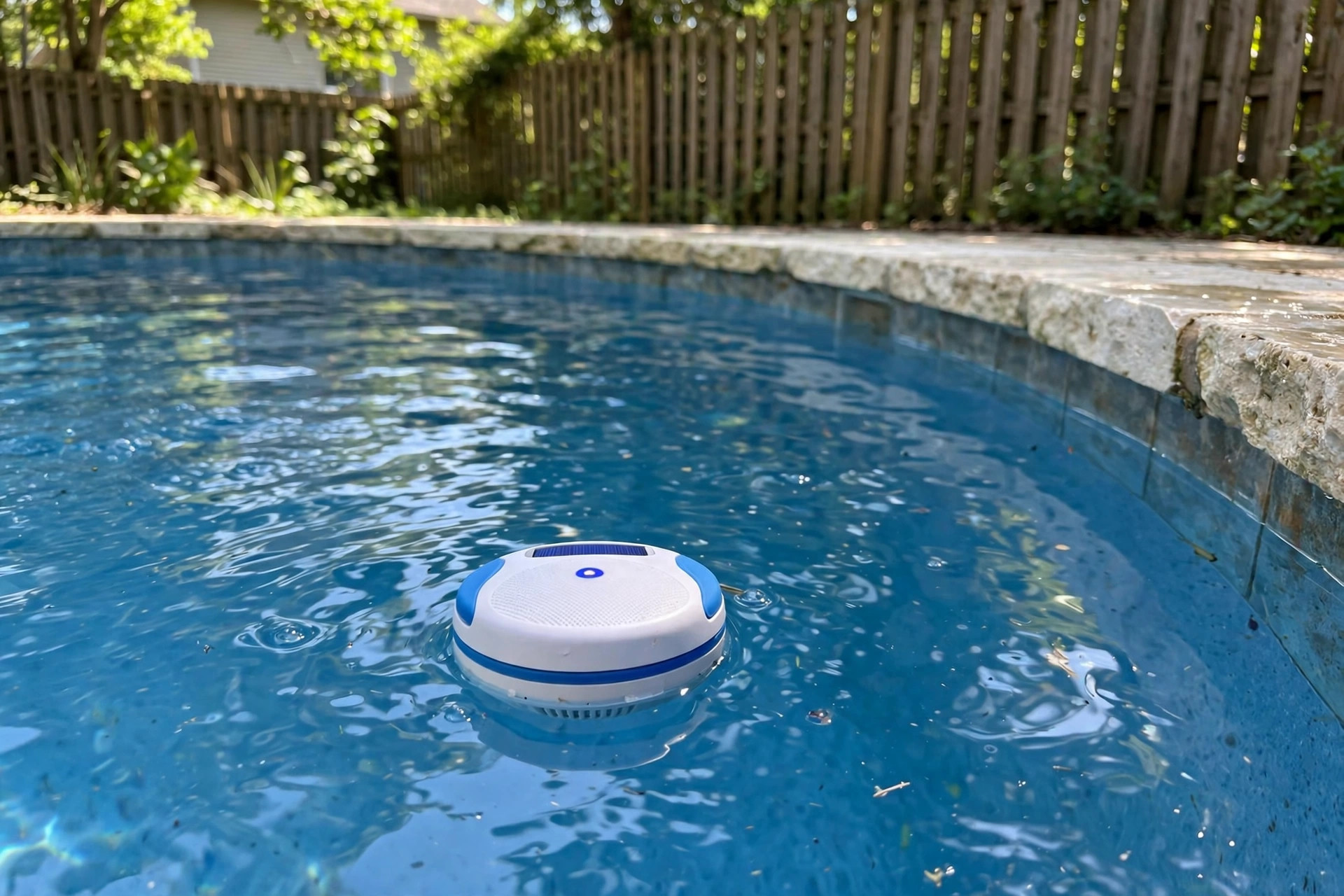

A pool is a joy in the hot months. It is also work. Water chemistry changes every day. A storm, a heat wave, or a pool party can shift the balance in hours. This is why many owners now read smart pool monitor reviews for homeowners before they buy. A smart pool monitor is a small device that floats in your pool or sits in a basket and measures water chemistry. It sends the results to your phone. You no longer need to guess or rely only on test strips. The device watches the water for you, day and night.
Why a Smart Pool Monitor Matters
Clear water is not always safe water. Pool water can look blue and still carry germs. It can look fine and still have low chlorine. Low chlorine lets bacteria grow. High chlorine burns the eyes and skin. The pH of the water matters too. If the pH is off, chlorine works less well. Your eyes sting and the pool liner can wear out fast.
In the past, owners tested water with strips or liquid kits. That method still works, but it takes time and practice. Many people read colors wrong. A smart monitor removes the guesswork. It tests the water on a set schedule, sometimes several times a day. It warns you when a value drifts out of range. Some models even tell you exactly how much chemical to add.
Homeowners also like the money saved. When you add chemicals by guess, you often add too much. Too much chlorine wastes money and can damage the pool. Too little means algae, and an algae cleanup is costly. A monitor helps you dose with care. Reviews from owners often say the device paid for itself in one season.
How a Smart Pool Monitor Works: Smart Pool Monitor Reviews for Homeowners Usa
A smart pool monitor uses small sensors to read the water. Most units measure pH, chlorine or ORP, and temperature. ORP stands for oxidation reduction potential. It shows how well the sanitizer in your water is working. Some higher priced models also read alkalinity, salt level, or cyanuric acid.
The device usually floats on the pool surface like a small disk. Other designs mount inside the skimmer or on the pipe. Readings go to your phone through an app. The app shows graphs over time. You can see trends, such as chlorine dropping after a sunny weekend. Many apps send alerts when action is needed. Some connect to voice assistants or home hubs. Tech sites such as CNET and PCMag cover these smart home links in their device reviews.
Battery life is an important point in every review. Most monitors run for weeks or months on one charge. Solar top covers on some models add power during the day. The app usually shows battery level so you are not caught off guard.
What to Look for When You Choose One
Accuracy and Sensor Count
A monitor is only as good as its sensors. Read reviews for real world accuracy. Look for models that list which tests they run. At a minimum, you want pH and chlorine or ORP. Temperature is standard on almost all units. Salt and alkalinity sensors are a plus for salt water pools. Some reviewers compare the monitor against a lab grade liquid test to check trust.
App Quality and Alerts
The app is half the product. A good app is simple to read. It should show current values, past trends, and clear advice. The best apps tell you the dose in cups or ounces, not just numbers. Push alerts matter too. You want a warning before the water goes far out of range. Reviews often praise or blame the app, so read them with care. The Verge often reports on how well smart home apps hold up in daily use.
Connection and Range
Many monitors use Bluetooth, Wi-Fi, or a mix of both. Bluetooth only models need your phone nearby. That can be a problem if the pool is far from the house. Wi-Fi models with a bridge or hub reach further. Some brands sell a range extender. Check your yard layout before you buy. If your router sits far from the pool, a weak signal will cause missed readings.
Build and Winter Care
Pool chemicals are harsh. The monitor body must resist sun, chlorine, and salt. Look for sealed designs with strong sensor guards. Some units need sensor covers when the pool closes for winter. Reviews from cold states often note how the device held up after storage.
Ongoing Costs
Many brands sell replacement sensor cartridges. Ask how often they need a swap and what they cost. Some apps charge a monthly fee for full features. Add these costs before you compare prices. A cheap unit with pricey cartridges can cost more over two years.
Types of Smart Pool Monitors
Floating Monitors
The floating type is the most common. You drop it in the pool and it drifts on the surface. It is easy to set up and easy to pull out for cleaning. The downside is that it can drift into the skimmer or get in the way of swimmers. Most owners take it out during parties and put it back after.
Inline and Skimmer Models
These mount in the skimmer basket or on the pool pipe. They stay out of sight and out of the way. Install takes more work, and not every pool setup fits them. They suit owners who want a clean look and a fixed spot.
Probe Stations
A probe station is a small box near the pump with sensors in a chamber. It gives steady readings and works well for large pools. It costs more and may need a pool pro to install. Reviews show these are popular with owners of bigger or commercial style pools.
If you want a full review roundup of pool gear, pool supply sites such as Leslie’s Pool Supplies and learning hubs such as Swim University publish buying guides for pool owners.
Cost and Price Ranges
Smart pool monitors fall into three rough bands.
Budget models cost about 100 to 200 dollars. They track pH, chlorine or ORP, and temperature. The app is simple. They suit small pools and first time buyers. Reviews say they work well but may drift and need more calibration.
Mid range models cost about 200 to 400 dollars. They add better sensors, salt readings, and smarter dose advice. The app shows longer trends. Most homeowners land in this band. Review scores are highest here for value.
Premium models cost 400 dollars and up. They add alkalinity, cyanuric acid, or probe station designs. Some link to automatic chemical feeders. These suit large pools or owners who want full control.
Remember the running costs. Sensor cartridges can cost 50 to 150 dollars a year. A few brands add an app plan. Consumer testing groups such as Consumer Reports remind buyers to count these costs over the life of the product, not just the sticker price.
Care and Upkeep
A smart pool monitor is not a set and forget tool. It needs light care to stay true.
Rinse the sensors with clean water every week or two. Wipe off film and scale with a soft cloth. Never use rough pads, which scratch sensor faces. Check the app for calibration prompts. Some models ask you to calibrate with a known solution each month. Keep the firmware updated through the app. Updates fix bugs and can improve readings.
Store the unit as the maker tells you. In freeze states, pull it out before the first frost. Some makers sell a storage cap filled with liquid to keep sensors wet. Dry sensors age faster. Also check the battery or charge on a set day each month so alerts never go silent.
When a reading looks odd, test with a strip before you act. A dirty sensor can read high or low. Clean it, wait an hour, and compare. This simple habit keeps your trust in the device strong and stops you from chasing false alarms.
Many owners pair the monitor with a smart water leak detector near the pool pump to catch drips early. A small leak caught fast can save hundreds in water and repair costs.
Safety Notes for Pool Owners
A monitor helps with chemistry, but it does not make a pool safe on its own. Drowning is fast and silent. The U.S. Consumer Product Safety Commission notes at CPSC.gov that layers of protection matter most: a fence with a self closing gate, door alarms, and active adult watch.
A pool monitor can add one more layer. Some models detect when the device is lifted from the water or sense large waves. These are not a substitute for a real pool alarm or adult watch. Security brands such as SimpliSafe and ADT cover whole home safety systems, and pool owners often add gate sensors from the same systems. If you run a full smart home, hubs sold through the Google Store can pull pool alerts into the same dashboard as your doorbell and locks.
Keep chemicals locked away from children. Store them in a dry, cool place, off the ground. Never mix chemicals, and add them to water, not the reverse. Wear gloves and eye cover. If a child swallows pool chemical, call poison control at once.
Frequently Asked Questions
Do smart pool monitors replace test strips?
They replace daily strip testing for most owners. Most makers still advise a strip or liquid check once a month to confirm the sensors. Think of the monitor as your daily watch and the kit as your backup.
How accurate are these devices?
Good models read within a small margin of a quality liquid kit. Accuracy depends on clean sensors and timely calibration. Reviews show the best units stay close to lab style tests when cared for. Cheap units can drift, so read owner reviews for long term notes.
Can I leave the monitor in the pool all the time?
Floating models are made to stay in the water through the season. Take them out for parties, heavy storms, and shock treatments if the maker says so. Always remove the unit before winter close in cold states.
Do they work with salt water pools?
Many do, and salt owners benefit the most since salt cells shift pH often. Check that the model lists salt level or is rated for salt water. Rinse more often, since salt leaves a film on sensors.
Will a smart pool monitor save me money?
Most owners say yes. You waste less chemical, avoid algae blooms, and catch problems early. The savings depend on pool size and how often you tested before. Over two seasons, the math favors the monitor for most pools.
Can I connect it to my smart home?
Some models link to voice assistants or smart hubs. You can ask for the water temperature or get alerts on a smart speaker. Check the product page for the exact platforms supported. Google Home devices listed at the Google Store pair with several brands.
A Short Final Word
Reading smart pool monitor reviews for homeowners is time well spent. The right device takes the guesswork out of water care. It warns you early, saves chemicals, and keeps the pool ready for a swim. Pick a model that fits your pool size, your budget, and your tech comfort. Keep the sensors clean and the app updated. And remember that chemistry is only one part of pool safety. Good fences, alarms, and watchful eyes keep the family safe.
Pool owners who like smart gear may also enjoy reviews of the best automatic pool cleaner or a smart pool pump with app control to round out a low work pool setup.
References
ADT. (n.d.). Home security and automation. https://www.adt.com CNET. (n.d.). Technology news and reviews. https://www.cnet.com Consumer Reports. (n.d.). Product reviews and ratings. https://www.consumerreports.org Google Store. (n.d.). Smart home devices. https://store.google.com Leslie’s Pool Supplies. (n.d.). Pool supplies and equipment. https://www.lesliespool.com PCMag. (n.d.). Technology product reviews. https://www.pcmag.com SimpliSafe. (n.d.). Home security systems. https://www.simplisafe.com Swim University. (n.d.). Pool and hot tub care guides. https://www.swimuniversity.com The Verge. (n.d.). Technology news and reviews. https://www.theverge.com U.S. Consumer Product Safety Commission. (n.d.). Product safety information. https://www.cpsc.gov
Was this guide helpful?

About David Wilson
The My Garden US editorial team writes practical, in-depth home and garden guides for American homeowners — tested advice, no fluff.
You May Also Like
Rachio vs Orbit B-Hyve Comparison 2026 USA: A Plain Guide for Homeowners
February 17, 2026 0 views
Home Automation Installer Near Me Cost: A Plain Guide for American Homeowners
August 10, 2026 0 views
Best Self Emptying Robot Vacuum Reviews USA
September 28, 2026 0 views