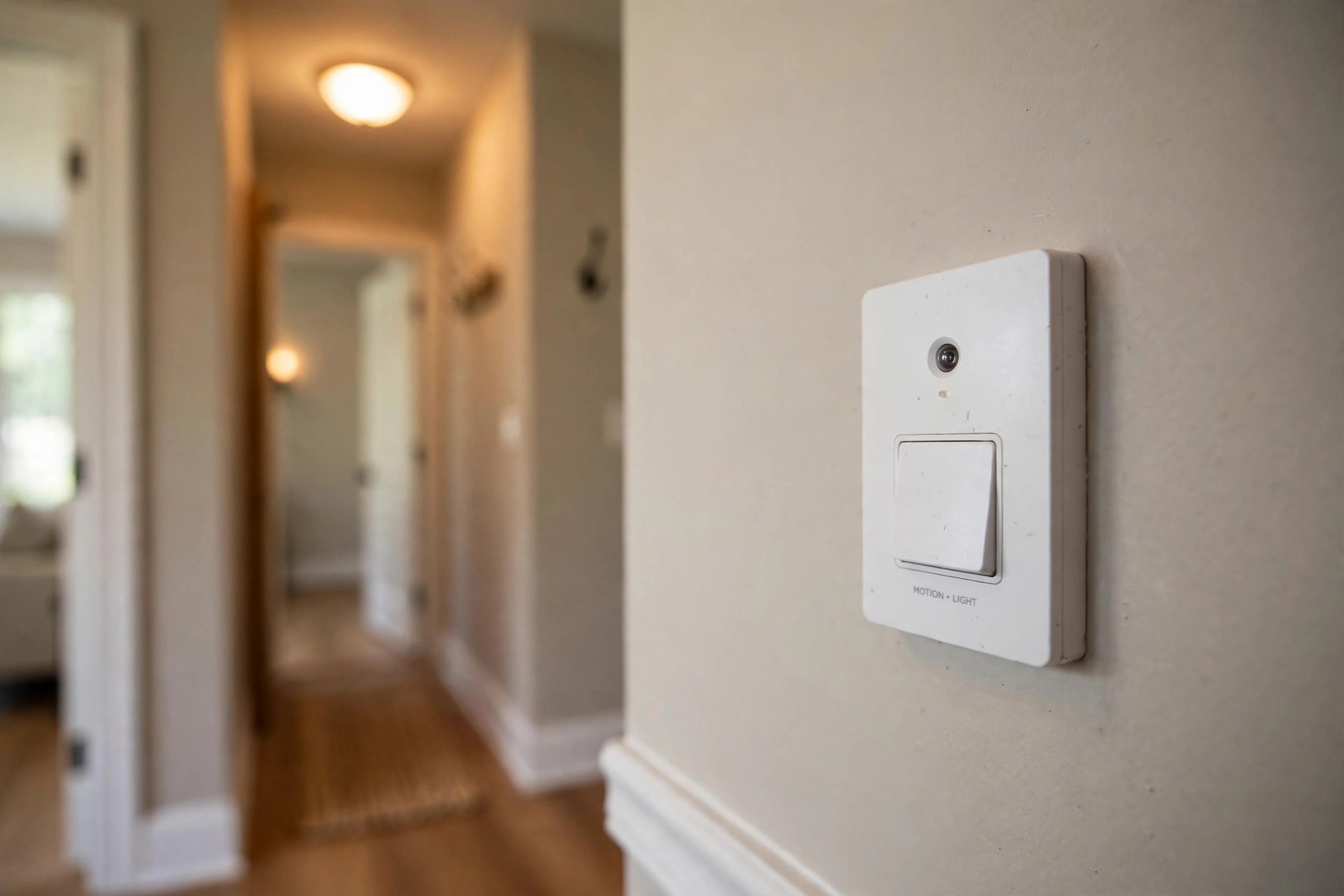

Walk into a dark hallway with your arms full of groceries. The light comes on by itself. That is the simple promise behind the best motion sensor light switch reviews USA buyers read before they shop. These small devices replace a normal wall switch. They sense movement. Then they turn the light on. When the room is empty, they turn it off again. No touch is needed. The idea is old. But the new models are smarter, quieter, and easier to install than the ones from years past. This guide explains what these switches do, how to pick one, what they cost, and how to care for them. The words are plain. The facts are current for 2026.
Why It Matters
A motion sensor light switch saves energy. That is its first job. A forgotten light in a garage or a bathroom can burn power for hours. The switch ends that waste. It cuts the power when no one is in the room. Over a year, this adds up. Families with children find this useful. Children rarely remember to turn lights off. The switch remembers for them. Guests benefit too. A visitor who does not know where the switch sits still gets light when it is needed.
Safety is the second reason. A lit hallway at night means fewer falls. An elderly person who gets up at 2 a.m. does not need to hunt for a switch in the dark. The light greets them. A lit stairwell means fewer missed steps. For this reason alone, many buyers place these switches near stairs, in laundry rooms, and in basements.
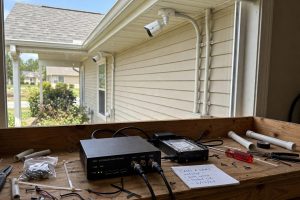
Security is the third reason. A light that snaps on when someone walks past a window can make a home feel watched over. Many homeowners pair an indoor switch with an outdoor unit. A motion sensor flood light on the back porch, for example, covers the yard while the indoor switch covers the hallway. The two work as a team.
Convenience rounds out the list. Hands full of laundry. Hands wet from the kitchen. Hands holding a sleeping child. In each case the light handles itself. Reviewers on CNET and PCMag often name this hands-free comfort as the feature buyers praise most.
What to Look for When You Choose: Best Motion Sensor Light Switch Reviews Usa
Detection range and field of view
The sensor sees a certain distance and a certain angle. Most indoor models cover 180 degrees and reach 15 to 30 feet. That is enough for a normal hallway or a small room. A long hallway or an L-shaped room may need a wider view. Check the range on the box. Picture the room in your mind. Then match the numbers.
Time delay
After motion stops, the switch waits before it turns the light off. This wait is the time delay. Most switches let you set it from 15 seconds to 30 minutes. A short delay saves more power. A long delay avoids the light dying while you sit still at a desk. Many buyers pick one to five minutes for hallways. They pick longer delays for offices.
Daylight sensing
A good switch knows the difference between day and night. With daylight sensing, it will not turn the light on when the sun is already doing the job. This saves still more power. Some switches let you turn this feature off. That is handy in rooms with no windows.
Switch type: single pole and three way
A single pole switch controls a light from one place. A three way setup controls one light from two places, such as the top and the bottom of a stairway. Many motion sensor switches come in single pole versions. Fewer models work in three way setups. Read the label before you buy. Installing the wrong type is a common and avoidable mistake.
Neutral wire needs
This is the detail that trips up most do-it-yourself buyers. Many smart switches need a neutral wire in the box. Older homes sometimes lack one. If your box has no neutral wire, look for a model made for that case. Shoppers in older homes often search for the best smart light switch no neutral option before they buy anything. Open the switch plate and look inside the box first. A white wire bundled in the back is usually the neutral.
Bulb compatibility
Most modern switches work with LED, CFL, and incandescent bulbs. Some older sensor switches struggle with low-watt LED bulbs. The light may flicker or glow faintly. Check the minimum wattage on the switch. Then check your bulb. When both match, the pairing is smooth.
Types and Options
Motion sensor switches fall into a few clear groups.
Passive infrared (PIR) sensors are the most common. They sense body heat in motion. They are cheap and reliable. They need a clear line of sight. A wall or a tall shelf blocks them.
Ultrasonic sensors send out sound waves and listen for the echo. They can sense movement around corners. They cost more. They may trigger from air moving off a heating vent.
Dual technology sensors combine both methods. The light turns on only when both agree. This cuts false alarms. These cost the most. They suit offices and large rooms.
Vacancy sensors turn the light on by hand and off by themselves. They are useful in rooms where people sit still for long periods. A home office is a good example. The light never shuts off while you work at your desk because you turned it on yourself.
Occupancy sensors do both jobs. They turn the light on and off on their own. Hallways, closets, and bathrooms suit this type well.
Some models add smart features. They connect to Wi-Fi or a smart home system. You can set schedules from your phone. You can check whether you left the light on. Brands that sell home security gear, such as ADT, now offer switches that tie into a wider home system. Buyers who want a full setup sometimes add a floodlight camera outside and run everything from one app.
Cost and Price
Prices are friendly. A basic single pole motion sensor switch costs between 15 and 35 dollars in the United States in 2026. Dual technology models run 35 to 60 dollars. Smart Wi-Fi models run 30 to 70 dollars, depending on the brand and the features.
Installation cost is a separate question. A handy homeowner can install one in about 30 minutes with basic tools. The only cost is the switch itself. Hiring an electrician costs 100 to 200 dollars per switch in most areas. If the wiring is old or the box is crowded, the price can rise. Getting two or three quotes is wise.
The energy savings are real but modest per switch. The U.S. Department of Energy notes on EnergyStar that lighting is a steady share of home power use. Cutting wasted hours trims the bill. Most buyers report that a switch pays for itself in one to two years through saved power alone. The convenience, of course, pays off on day one.
Care and Upkeep
These switches ask for little. Wipe the sensor lens with a soft dry cloth once or twice a year. Dust on the lens can weaken detection. Do not use wet cleaners on the face of the switch. Water and wiring do not mix.
Check the settings after a season change. A heater kicking on in winter can fool an ultrasonic sensor. A summer sunbeam through a window can fool the daylight sensor. A small turn of a dial fixes most of this.
If the light starts turning on and off for no reason, check three things. First, look for moving heat sources nearby, such as a pet bed or a heating vent. Second, check that the time delay did not get bumped to its shortest setting. Third, confirm the sensor lens is clean. Guides at Bob Vila and The Spruce walk through these checks step by step.
The switch itself has no bulb or battery to replace in most models. It draws a tiny amount of power to run the sensor. This standby draw is very small. It does not wipe out the savings.
Safety
Electricity deserves respect. Turn off the breaker before you touch any wire. Test with a non-contact voltage tester. If you are unsure which breaker feeds the box, ask for help. The Consumer Product Safety Commission reminds homeowners that most home electrical injuries are avoidable with simple steps.
Match the switch to the load. A switch rated for 600 watts of incandescent load may carry a lower LED rating. Overloading a switch can cause heat and failure. The ratings are printed on the device and in the manual.
Do not install these switches on ceiling fans or on outlets. They are made for lights. Use them for lights only.
Outdoor models need a weatherproof cover and the right rating. An indoor switch on a porch will fail early and may be unsafe. Read the box. If it says indoor use, keep it indoors.
FAQ
Will a motion sensor switch work with my LED bulbs?
Most will. Buy a model that lists LED compatibility and a low minimum wattage. Cheap LED bulbs sometimes flicker with older sensor designs. A quality bulb from a known brand, bought at a store like Lowe’s or Home Depot, usually pairs well.
Can pets trigger the sensor?
Small pets can trigger a PIR sensor placed low on a wall. Mounting the switch at normal switch height, about 48 inches, helps. Some models let you aim the sensor or mask part of the lens. Dual technology models are less likely to trip on a cat crossing the room.
Do these switches work in a three way hallway?
Some do. You need a model labeled for three way or multi-location use. Standard single pole sensor switches do not work in that wiring. If the hallway light has two switches today, buy accordingly or call an electrician.
How long does installation take?
About 20 to 40 minutes for one switch if the wiring is standard. Turn off the breaker, remove the old switch, connect three or four wires with wire nuts, and mount the new switch. Older boxes without a neutral wire take longer and may need a different model.
Will the switch save me real money?
Yes, in rooms where lights get left on. Bathrooms, closets, garages, and children’s rooms show the fastest payback. A switch that costs 25 dollars can save that much in power within a year or two. Independent testing from groups like Consumer Reports backs up the savings claim for sensor-based lighting controls.
Can I use one outside?
Only if it is rated for outdoor use. Outdoor sensor switches and flood lights have sealed housings and wider detection zones. An indoor model will not survive rain and cold. Buy the outdoor version and follow the weatherproofing steps in the manual.
A Final Word
The best motion sensor light switch reviews USA shoppers rely on all point to the same lesson. Pick the right sensor for the room. Check the wiring before you buy. Set the delay to match how the room is used. Do those three things and the switch will serve you quietly for years. It will cut your power bill. It will light your way at night. And it will do its small job so well that you will soon forget it is there.
References
ADT. (n.d.). Home security and automation. https://www.adt.com Bob Vila. (n.d.). Home improvement advice. https://www.bobvila.com CNET. (n.d.). Technology news and reviews. https://www.cnet.com Consumer Reports. (n.d.). Product reviews and ratings. https://www.consumerreports.org ENERGY STAR. (n.d.). Energy efficient products. https://www.energystar.gov Lowe’s. (n.d.). Home improvement products. https://www.lowes.com PCMag. (n.d.). Technology product reviews. https://www.pcmag.com The Home Depot. (n.d.). Home improvement products. https://www.homedepot.com The Spruce. (n.d.). Home and garden advice. https://www.thespruce.com U.S. Consumer Product Safety Commission. (n.d.). Product safety information. https://www.cpsc.gov
Was this guide helpful?

About Emily Rodriguez
The My Garden US editorial team writes practical, in-depth home and garden guides for American homeowners — tested advice, no fluff.
You May Also Like

Best Sliding Door Security Bar Reviews USA
September 7, 2026 0 views
Best Solar Path Lights Reviews 2026 USA: A Plain Guide to Bright, Safe Walkways
September 19, 2026 0 views
Best Home Security System No Monthly Fee USA: A Complete Guide for Homeowners
January 10, 2026 0 views