
If you own a home with a septic system, one question comes up again and again: how often to pump septic tank, and where can you find a clear usa guide you can trust? The short answer is that most tanks need pumping every three to five years. But the right schedule for your home depends on the size of your tank, the number of people in the house, and how much water you use. This guide walks you through each factor in plain words, so you can plan with confidence.
A septic tank is a box buried in your yard. It holds the waste water that leaves your home through your pipes. Heavy solids sink to the bottom and form a layer called sludge. Lighter waste, like grease, floats to the top and forms a layer called scum. The clear water in the middle flows out to a drain field, where the soil cleans it. When the sludge and scum layers get too thick, the system stops working the way it should. Pumping removes those layers and gives the tank a fresh start.
Why Pumping on Time Matters
A septic tank does not fix itself. If you skip pumping for too long, solids build up and flow into the drain field. The drain field is made of pipes and gravel under your yard. Once solids clog it, it cannot drain water. Repairs cost thousands of dollars. In many cases, a failed drain field must be dug up and replaced. That is a job no home owner wants.
Late pumping also causes sewage backups inside the house. Toilets flush slowly. Drains gurgle. Bad smells rise from sinks and showers. In the worst cases, sewage flows back into the bathtub. These problems are not only gross. They are health hazards. Human waste carries germs that can make people sick, especially children and older adults.
Regular pumping protects your wallet as well as your health. A routine pump-out costs a few hundred dollars. A full system replacement can cost five to twenty thousand dollars. The choice is clear. Keeping a steady pumping schedule is one of the cheapest ways to protect your home.
What Happens During a Pump-Out
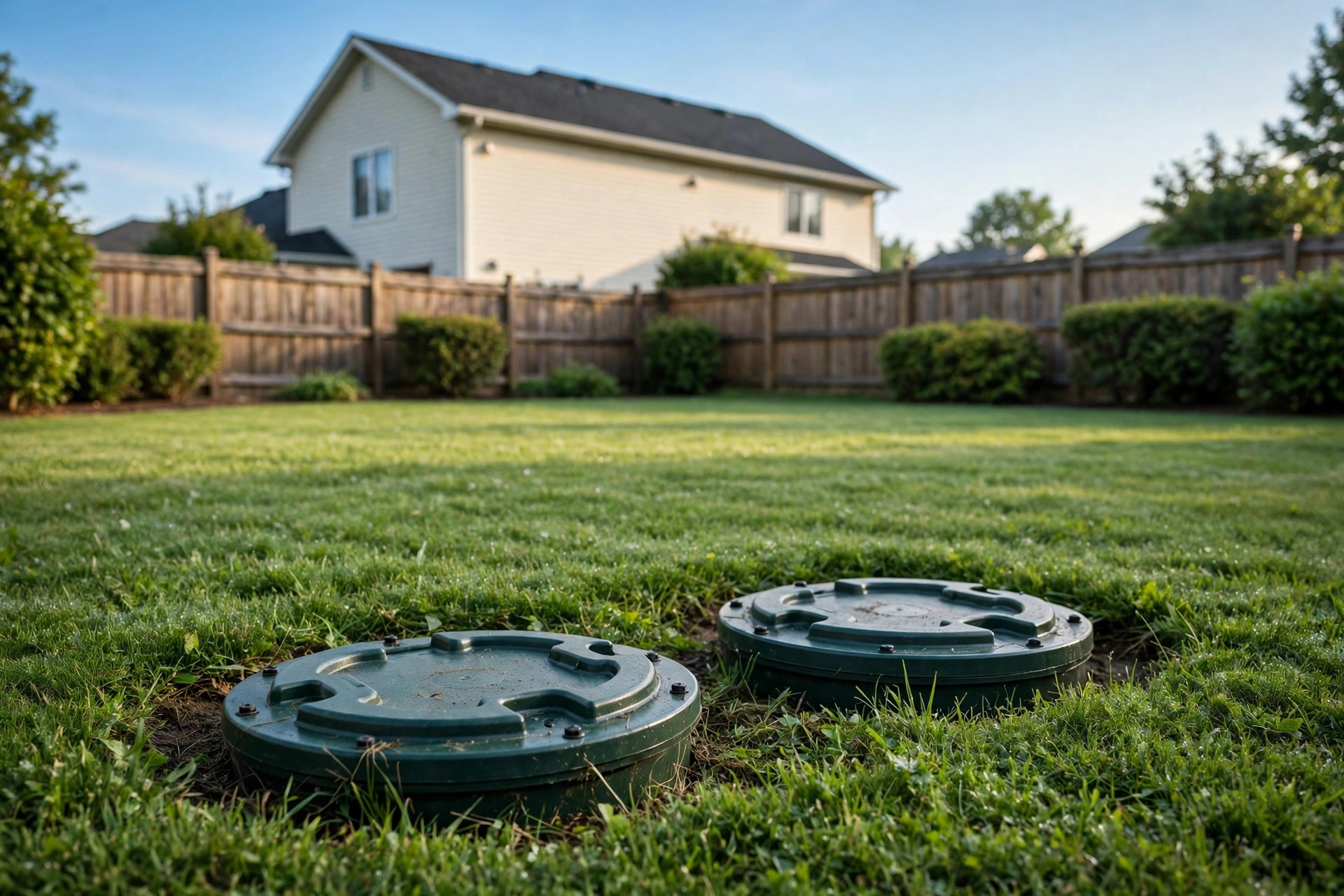
A licensed pumper drives a large truck to your home. The truck has a strong vacuum pump and a storage tank. The worker opens the tank lids in your yard and lowers a long hose into the tank. The vacuum pulls out the sludge, scum, and waste water. A good pumper also breaks up thick solids and checks the baffles, which are walls inside the tank that keep solids from leaving. The whole job takes one to three hours. The waste is taken to a treatment plant or an approved disposal site.
How to Read Your Septic Tank Size: How Often to Pump Septic Tank Usa Guide
The most common home septic tanks hold 1,000 gallons. Larger homes may have 1,250, 1,500, or even 2,000 gallon tanks. The size is often written on the permit filed with your county when the system was installed. If you do not have the paper work, look at the concrete lids in your yard. Some tanks have the size stamped into the concrete. You can also ask your pumper. Many pumpers keep records of the tanks they service.
Smaller tanks fill faster. A 750 gallon tank serving a family of four may need pumping every two years. A 1,500 gallon tank with only two people may go five years or more. Tank size is the first number you need for a good schedule.
The Pumping Schedule Table
Health agencies and tank makers have studied this question for years. The chart below gives a common rule of thumb. Find your tank size in the first column and the number of people in your home across the top. The number where they meet is the suggested pumping interval in years.
| Tank size | 1 person | 2 people | 3 people | 4 people | 5 people | 6 people | |———–|———-|———-|———-|———-|———-|———-| | 750 gal | 9.1 | 4.6 | 3.0 | 2.3 | 1.8 | 1.5 | | 1,000 gal | 12.4 | 6.2 | 4.1 | 3.1 | 2.5 | 2.1 | | 1,250 gal | 15.6 | 7.8 | 5.2 | 3.9 | 3.1 | 2.6 | | 1,500 gal | 18.9 | 9.4 | 6.3 | 4.7 | 3.8 | 3.1 |
This table comes from guidance used by public health departments across the country. It assumes normal home water use. If your household uses a lot of water, pump sooner. If you have a garbage disposal, pump sooner, because food waste adds solids to the tank. Many experts say to knock one year off the schedule when a disposal is in daily use.
These numbers are guides, not laws. The only way to know for sure is to have the tank measured. A pumper can measure the sludge and scum layers with a long stick. Pump when the sludge layer reaches about one third of the tank depth, or when the scum layer is within three inches of the outlet pipe.
Signs Your Tank Needs Pumping Now
Do not wait for the calendar if your system shows trouble. Watch for these signs:
– Slow drains. Sinks, tubs, and toilets drain more slowly than usual. – Bad smells. A rotten egg smell near drains or over the tank area in the yard. – Wet spots. Patches of wet, green grass over the drain field, even in dry weather. – Gurgling sounds. Strange noises from pipes when water runs. – Sewage backup. Water or sewage backing up into tubs or floor drains. This is urgent.
If you see any of these, call a licensed pumper right away. A backup is a health emergency. Keep children and pets away from sewage spills until they are cleaned up.
How Much Does Pumping Cost in the USA
Across the United States, pumping a home septic tank usually costs between $250 and $600. Most home owners pay about $400 for a standard 1,000 gallon tank. Prices rise with tank size and with how hard the tank is to reach. If the lids are buried deep, the pumper must dig, and digging adds to the bill. Some owners install risers, which are short pipes that bring the lids up to the surface. Risers cost extra up front but make each future pumping cheaper.
Costs vary by state and county. Rural areas often charge less than cities. Get two or three quotes before you book. Ask each pumper what the price covers: the pump-out, the disposal fee, a system check, and any digging. A fair price covers all of these.
For home owners who also manage their water quality, projects often go hand in hand. Many families look at the best whole house water filter system usa when they service their septic system, and compare the whole house water filtration cost installed to plan the budget. Under the sink, a reverse osmosis system under sink reviews usa search helps with drinking water choices.
How to Make Your Tank Last Longer
You can stretch the time between pumpings and protect your system with a few simple habits.
Save water. Less water in means less water the tank must handle. Fix leaky faucets and running toilets. A running toilet can send hundreds of gallons into the tank each day. Take shorter showers. Run the dishwasher and washing machine with full loads.
Watch what goes down the drain. The tank can only digest natural waste and toilet paper. Do not flush wipes, even those marked flushable. Do not pour grease, oil, or paint down the sink. Do not flush medicine, bleach in large amounts, or harsh cleaners. These items kill the helpful bacteria that break down waste.
Spread out laundry. Do not wash five loads back to back. Spread loads through the week so the tank is not flooded all at once.
Protect the drain field. Do not park cars on it. Do not build sheds over it. Keep trees at least 30 feet away, because roots can break pipes. Direct roof drains and sump pumps away from the field.
Many home owners read guides from This Old House and Family Handyman for step by step upkeep tips. The EPA offers free septic care booklets that explain how the system works. If you want a second opinion on your schedule, check reviews on Consumer Reports or browse upkeep ideas at Bob Vila and The Spruce.
Additives: Do You Need Them?
Stores sell powders and liquids that claim to boost septic bacteria or cut pumping needs. Most experts say you do not need them. A healthy tank already has the bacteria it needs. No additive can replace pumping. Some products may even harm the drain field. Save your money. Regular pumping and good habits work better than any bottle.
Finding a Licensed Pumper
Choose a pumper licensed by your state or county. Ask how long they have been in business. Ask for references from neighbors. A good pumper will:
– Open both lids of the tank, not just one. – Pump from the main tank and check the outlet filter. – Tell you the sludge level before and after. – Give you a receipt with the gallons removed.
Keep your receipts in a folder. When you sell the house, buyers will ask for service records. A full record of pumping raises the home’s value and speeds the sale. Real estate agents note that septic records are a common request in rural listings.
Risers and Filters
If your tank lids are buried, ask about risers. Risers are sturdy pipes that extend the lids to ground level. They cost $200 to $400 to install, but they save digging costs at every future pumping. Many pumpers install them on the spot.
An outlet filter is a small screen on the pipe that leaves the tank. It catches stray solids before they reach the drain field. Filters cost little and are easy to clean once a year. Ask your pumper to check yours or add one. Home stores such as Home Depot and Lowe’s carry filters and risers if you want to see the parts yourself.
Safety Rules for Septic Owners
Septic tanks are safe when left alone, but they hold dangers inside.
– Never climb into a tank. The air inside can knock a person out in seconds. Only trained workers with safety gear may enter. – Keep lids secure. Heavy concrete or plastic lids must stay closed and locked. A child or pet could fall in. – Stay clear of backups. Raw sewage carries germs. Wear gloves and boots if you must be near a spill, and wash well after. – Ventilate. Never cover the tank vent pipes. The system must breathe.
The Consumer Product Safety Commission warns home owners about the dangers of open or broken tank covers. If a lid cracks, have it replaced at once.
Seasonal Notes
Spring. After heavy rains, check the drain field for standing water. Spring is a good time to schedule pumping before summer guests arrive.
Summer. High water use from guests and lawn watering fills tanks fast. Watch for slow drains.
Fall. Schedule pumping before winter if your area freezes hard. Frozen ground makes digging costly.
Winter. Keep the tank area clear of heavy snow machines. Insulating the field with a light snow cover is fine; do not pile plowed snow on it.
Records and County Rules
Some counties require pumping every three to five years by law. Others require an inspection when a home is sold. Check with your county health department. They can tell you the local rules and often have a list of licensed pumpers. Keep a simple log: the date of each pumping, the gallons removed, and the company name. A log makes it easy to stay on schedule.
Water treatment firms such as Aquasana and fixture makers like Kohler and Delta Faucet publish care guides that pair well with your pumping log. They cover filters, fixtures, and water saving parts that ease the load on your tank.
FAQ
How often should a family of four pump a 1,000 gallon tank? About every three years. If you use a garbage disposal or have heavy water use, plan for every two and a half years.
Can I pump my own septic tank? No. You need a licensed pumper with a vacuum truck. The waste must go to an approved treatment site. Home owners cannot haul it themselves.
What happens if I never pump the tank? Solids build up and flow into the drain field. The field clogs and fails. Sewage may back up into the house. Repair costs run into the thousands.
Does a bigger tank mean I never pump? No. Bigger tanks only stretch the time between pumpings. Every tank needs pumping sooner or later.
How do I find my tank? Look for the main sewer line leaving the house. The tank sits 10 to 25 feet out, usually in line with it. A metal detector finds the steel handles on concrete lids. Your county permit may show a map.
Is it normal for the yard to smell after pumping? A mild smell for a day is normal. A strong lasting smell may mean a vent problem or a leak. Call your pumper back if it lasts more than a day or two.
A Short Final Word
Pumping your septic tank every three to five years is one of the simplest ways to protect your home. Learn your tank size, count the people in the house, and mark the next date on your calendar. Keep water use low, watch what goes down the drain, and keep good records. A little care now saves a big bill later.
References
Aquasana. (n.d.). Water filtration systems. https://www.aquasana.com Bob Vila. (n.d.). Home improvement advice. https://www.bobvila.com Consumer Reports. (n.d.). Product reviews and ratings. https://www.consumerreports.org Delta Faucet. (n.d.). Kitchen and bathroom faucets. https://www.deltafaucet.com Family Handyman. (n.d.). DIY home repair and maintenance. https://www.familyhandyman.com Kohler. (n.d.). Bathroom and kitchen fixtures. https://www.kohler.com Lowe’s. (n.d.). Home improvement products. https://www.lowes.com The Home Depot. (n.d.). Home improvement products. https://www.homedepot.com The Spruce. (n.d.). Home and garden advice. https://www.thespruce.com This Old House. (n.d.). Home renovation guidance. https://www.thisoldhouse.com U.S. Consumer Product Safety Commission. (n.d.). Product safety information. https://www.cpsc.gov U.S. Environmental Protection Agency. (n.d.). Protecting human health and the environment. https://www.epa.gov
Was this guide helpful?

About Lisa Anderson
The My Garden US editorial team writes practical, in-depth home and garden guides for American homeowners — tested advice, no fluff.
You May Also Like
Gas Tankless Water Heater Installation Cost USA: What Homeowners Pay
July 10, 2026 0 views
Best Macerating Toilet for Basement USA: A Practical Guide for Homeowners
July 31, 2026 0 views
Pressure Assisted Toilet Pros Cons USA: What Every Homeowner Should Know
May 30, 2026 0 views