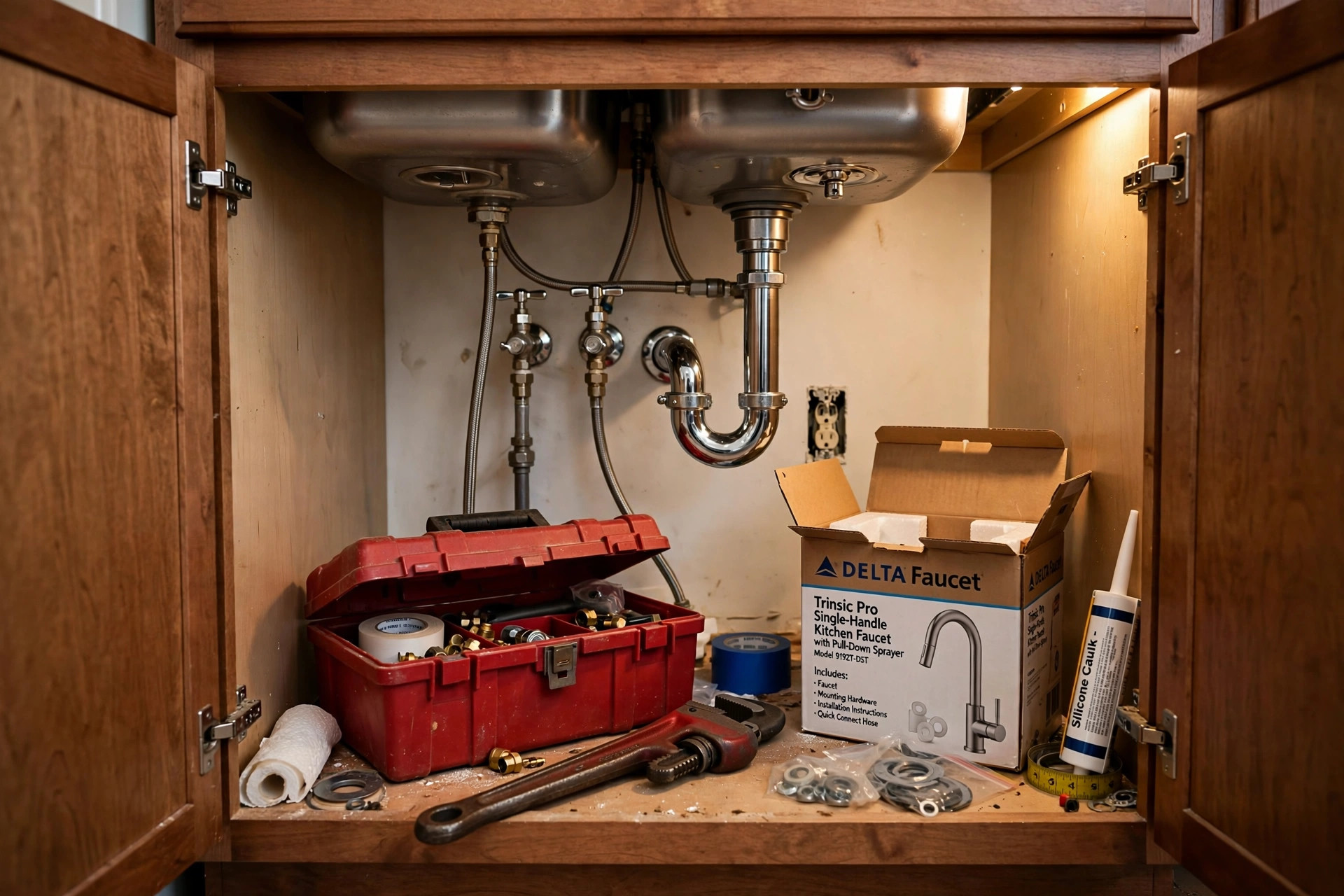

A leaking pipe can ruin a floor in one night. A bad water heater can leave a family cold for days. When water goes wrong in a home, it goes wrong fast. That is why this how to find a reliable plumber usa guide was written. It gives plain steps for finding a plumber you can trust, checking his or her papers, and paying a fair price. The steps work in every state, from big cities to small towns.
Why a Good Plumber Matters
Water is the one thing a house cannot live without. It comes in through pipes and leaves through drains. Pumps, valves, and water heaters keep the system working. When any part breaks, the damage can spread quick. A small drip under a sink can rot a cabinet. A burst pipe can flood a basement.
A reliable plumber does more than fix a leak. He or she stops small troubles from growing into big ones. A good plumber knows the local building code. He or she pulls permits when they are needed. He or she uses the right parts and stands behind the work.
A bad plumber costs more than money. Sloppy pipe joints can leak inside a wall for months. Bad drain work can send sewer gas into the house. Work done without a permit can cause trouble when you sell the home. Hiring well the first time saves worry later.
What to Look for in a Reliable Plumber: How to Find a Reliable Plumber Usa Guide
License and Insurance
In most states, a plumber must hold a state license. Some states let cities issue the license instead. A license shows that the plumber passed a test and met work hours. It is the first thing to check.
Ask for the license number. Then check it with the state board. Many boards let you search by name or number. Make sure the license is current and in good standing. If a plumber says he or she does not need a license, check the law for your state before you believe it.
Insurance matters just as much. A plumber should carry two kinds. General liability covers damage to your home. Workers compensation covers injury to the crew. Ask for a copy of the insurance paper. A true pro will send it without a fuss.
Experience and Reputation
Years on the job teach what books cannot. A plumber with ten years of work has seen every kind of leak. He or she can size up a job fast and pick the right fix. New plumbers can be fine too, but make sure a licensed master plumber stands behind them.
Reputation is earned one job at a time. Read reviews on more than one site. Look for patterns. One angry review may mean little. Ten reviews that mention the same fault mean a lot. Ask the plumber for references from recent jobs. Then call those references and ask simple questions. Did the work start on time? Was the price as quoted? Would you hire them again?
How to Search for a Plumber
Start with people you know. Friends, neighbors, and co-workers give the most honest advice. A neighbor who just fixed a water heater can tell you the full story. Ask what the job was, what it cost, and how the crew acted.
Then widen the net. Home improvement sites keep lists of local pros. The big home stores like Home Depot and Lowe’s keep lists of local contractors and sell the fixtures a plumber may need. Trade groups in your state can point you to licensed members. The Family Handyman site offers free guides that help you judge whether a job is small or big.
Search the web with your city name plus the word plumber. Read the business page. Look for a real address, not just a phone number. A shop with a real address tends to stay in business and honor its warranty.
Make a short list of three to five names. Do not pick the first name you see. A short list lets you compare price and manner. It also keeps one bad apple from spoiling the whole job.
Questions to Ask Before You Hire
Call each plumber on your short list. Ask the same questions of all. Their answers will tell you a lot.
1. Are you licensed and insured in my state? Can you send me proof? 2. How many years have you been in business? 3. Who will do the work, and will you be on site? 4. Can you give me a written estimate? 5. Do you charge by the hour or by the job? 6. What is your warranty on labor and parts? 7. Will you pull the permits if the job needs them? 8. How do you handle a problem after the work is done?
Listen for straight answers. A reliable plumber answers plainly. A shady one dodges. Watch for red flags. Beware of anyone who demands full payment up front. Beware of prices that are far below all other bids. Beware of pressure to sign today. Honest plumbers let you think.
Ask how they handle related gear in your home. If you own a garbage disposal that works with a septic system, tell the plumber at the first call. A good plumber will know what care it needs.
Types of Plumbing Jobs
Not all plumbing work is the same. Small jobs take an hour or two. These include a running toilet, a dripping faucet, or a slow drain. Any solid plumber can handle them.
Medium jobs take a day. These include a new water heater, a sump pump, or a shower valve. The plumber may need to shut off the main water line. Ask how long you will be without water.
Large jobs take days or weeks. These include a full repipe, a sewer line swap, or a bathroom rough-in. For large jobs, always get a written contract. The contract should list the work, the parts, the price, the start date, and the end date. It should also state how changes are priced.
Some plumbers serve special needs. Well owners need a plumber who knows pumps and tanks. If you are shopping for a well pressure tank, read reviews first so you can talk with your plumber about the right size. Septic owners need a plumber who respects the drain field. Tell the plumber about your system at the start.
Cost and Price: What to Expect
Prices move with the city, the job, and the time of day. Still, some ranges hold true across the country.
Many plumbers charge a service call fee of 50 to 150 dollars. This covers the trip and the first look. Some waive the fee if you hire them for the job. Hourly rates often run 75 to 150 dollars. In high-cost cities, they can run higher.
Flat rates are common for set jobs. A toilet install may run 200 to 500 dollars plus the toilet. A water heater swap may run 1,000 to 2,500 dollars. A main sewer line repair can run into the thousands. Night and weekend calls cost more. An emergency visit at 2 a.m. may carry a double rate.
Get at least three written bids for any job over a few hundred dollars. Each bid should list labor and parts apart. Parts should name the brand and model. Fixture makers like Moen, Delta Faucet, and Kohler publish list prices, so you can check that the parts markup is fair. If one bid is far lower than the rest, ask what is missing. Cheap bids often leave out permits or cut corners on parts.
Never pay the full sum before the work is done. A deposit of 10 to 30 percent is normal for big jobs. Pay the rest when the work passes your check and any needed inspection.
Care and Upkeep After the Visit
A good plumber fixes the trouble. You keep it fixed. Simple habits stretch the life of pipes and fixtures.
Do not pour grease down the kitchen drain. Grease hardens and clogs. Run cold water for 15 seconds after using the disposal. Keep hair out of shower drains with a cheap screen.
Check under sinks twice a year. Look for damp spots, stains, and small drips. A water leak sensor in the basement can warn you early if trouble starts where you cannot see it. Learn where your main shutoff valve is. In a burst-pipe emergency, shutting off the main can save thousands.
Flush the water heater once a year. Sediment builds up at the bottom of the tank and makes the heater work hard. A yearly flush takes 30 minutes and adds years of life.
Know your water. Hard water leaves scale on fixtures and shortens the life of heaters. The EPA publishes free guides on home water quality. If your water tastes odd or stains sinks, ask your plumber about testing. A filter firm like Aquasana sells test kits, but your plumber can read the results and suggest the right fix.
Safety
Plumbing work has real risks. Hot water can scald. Gas lines feed many water heaters and stoves. Sewer gas can harm health. Electricity sits close to many pumps.
Let the plumber do gas and sewer work. Do not touch a gas line yourself. If you smell gas, leave the house and call the gas company. If a drain backs up with sewage, keep kids and pets away until it is clean.
During the visit, keep the work area clear. Move rugs, toys, and pets from the room. Give the plumber a clear path to the shutoff valves. A safe work area leads to a safe job.
After the work, test everything with the plumber still there. Run each faucet. Flush each toilet. Check under each sink for drips. Good plumbers welcome the check.
How to Judge the Finished Work
When the job is done, walk the work with the plumber. Look at each joint and each fixture. Joints should be tight and dry. Caulk lines should be smooth. New fixtures should sit level and firm.
Ask for the papers. You should get an itemized bill, the parts list, and the warranty terms in writing. If permits were pulled, ask for the inspection card or the final sign-off.
Keep these papers with your house files. A buyer will like to see them when you sell. They also prove the warranty if a part fails later.
Sites like This Old House publish free checklists for judging home repair work. Reading one before the plumber arrives helps you know what to watch for.
FAQ
How much does a plumber cost per hour in the USA?
Most plumbers charge 75 to 150 dollars per hour. Rates run higher in big cities and on nights and weekends. Many add a service call fee of 50 to 150 dollars. Always ask for the rate in writing before the work starts.
Should I hire a plumber or a handyman?
Hire a licensed plumber for any work on water, gas, or sewer lines. A handyman can swap a faucet or a toilet flapper, but code work needs a plumber. Gas work always needs a licensed pro.
How do I check if a plumber is licensed?
Ask for the license number. Then search it on your state licensing board site. Check that it is current and in good standing. You can also call the board. The check takes five minutes and can save you a bad hire.
What are the signs of a bad plumber?
Watch for no license, no insurance, and no written estimate. Beware of full payment up front and pressure to sign now. Sloppy dress and a messy truck do not prove bad work, but clear answers and clean habits point to care.
Do plumbers give free estimates?
Some do, some do not. Many give free estimates for big jobs and charge a service fee for small repair visits. Ask before you book. A fee that goes toward the repair if you hire them is fair and common.
How fast should a good plumber respond?
For a true emergency like a burst pipe, a good plumber answers day or night and comes within a few hours. For plain jobs, a call back within one business day is fair. Long silence is a poor sign.
Final Word
Finding a reliable plumber is not luck. It is a simple process. Ask around, check the license, read the reviews, and get written bids. Meet the plumber, ask plain questions, and trust your gut. The plumber who answers straight, prices fair, and stands behind the work is the one you want. Keep this how to find a reliable plumber usa guide handy. When the next drip starts, you will know just what to do.
References
Aquasana. (n.d.). Water filtration systems. https://www.aquasana.com Delta Faucet. (n.d.). Kitchen and bathroom faucets. https://www.deltafaucet.com Family Handyman. (n.d.). DIY home repair and maintenance. https://www.familyhandyman.com Kohler. (n.d.). Bathroom and kitchen fixtures. https://www.kohler.com Lowe’s. (n.d.). Home improvement products. https://www.lowes.com Moen. (n.d.). Faucets and plumbing fixtures. https://www.moen.com The Home Depot. (n.d.). Home improvement products. https://www.homedepot.com This Old House. (n.d.). Home renovation guidance. https://www.thisoldhouse.com U.S. Environmental Protection Agency. (n.d.). Protecting human health and the environment. https://www.epa.gov
Was this guide helpful?

About Sarah Mitchell
The My Garden US editorial team writes practical, in-depth home and garden guides for American homeowners — tested advice, no fluff.
You May Also Like
Best Tankless Reverse Osmosis System USA: A Simple Guide for Homeowners
May 12, 2026 0 views
Water Softener vs Conditioner: A Full Comparison for American Homes
February 20, 2026 0 views
Matte Black Kitchen Faucet: Pros and Cons for American Homes
January 28, 2026 0 views