Why Alkaline Water Filter Systems Matter
Americans read alkaline water filter system reviews in the USA with growing care. The reason is simple. Water makes up a large part of daily life. People cook with it. They drink it. They give it to their children. When the water tastes flat or smells off, the whole home feels less sound.
An alkaline water filter system changes the water before it reaches the glass. Most models do two jobs at once. First, they take out things you do not want, such as chlorine, lead, and bad tastes. Second, they raise the pH of the water. A higher pH means the water is less acidic. Many users say the water tastes smoother after this step.
Reviews help buyers sort fact from sales talk. The market is full of bold claims. Some sellers promise health miracles. Reviews from real owners tell a calmer story. They report on taste, ease of setup, filter cost, and how long the parts last. This guide pulls those lessons together in plain terms.
What to Look for in a Good System: Alkaline Water Filter System Reviews Usa
Filtration Power First
The most important job of any filter is to clean the water. Alkaline systems are not all equal here. Some remove only a few common tastes. Others strip out lead, mercury, fluoride, and a long list of chemicals. Check the list of contaminants each maker states it removes. Look for proof, not promises. Third-party test sheets carry more weight than bold box claims.
The Alkaline Stage
After cleaning, the system should raise the pH. Most do this with mineral media. Calcite, magnesium, and tourmaline are common. The water passes through these minerals and picks up ions. A good system should lift tap water from around 7.0 to a range of 8.0 to 9.5. Look for a stated pH range in the specs. Some units let you adjust the level with a dial.
Flow Rate and Capacity
A slow filter can annoy a busy family. Check how many gallons per day the system handles. Whole-house units serve every tap. Under-sink models serve one faucet. Countertop pitchers serve one glass at a time. Match the capacity to your home. A family of five needs more than a single renter does.
Ease of Setup
Some systems need a plumber. Others snap on in ten minutes with no tools. Reviews often praise or fault this step. If you rent, pick a model you can take with you. If you own, a permanent under-sink unit may serve you better.
Filter Life and Cost
The first price is not the full price. Every system needs new cartridges. A cheap unit with costly filters can cost more over three years than a dear unit with cheap filters. Do the math before you buy. Divide the yearly filter cost by the gallons you drink. That is your true price per gallon.
Types of Alkaline Water Filter Systems
Pitchers
Pitchers are the simplest option. You fill them at the tap and wait. Most cost under fifty dollars. They fit in any fridge. The trade-off is speed. Each pour takes minutes to filter. The alkaline boost is mild. They suit single people or small kitchens.
Countertop Units
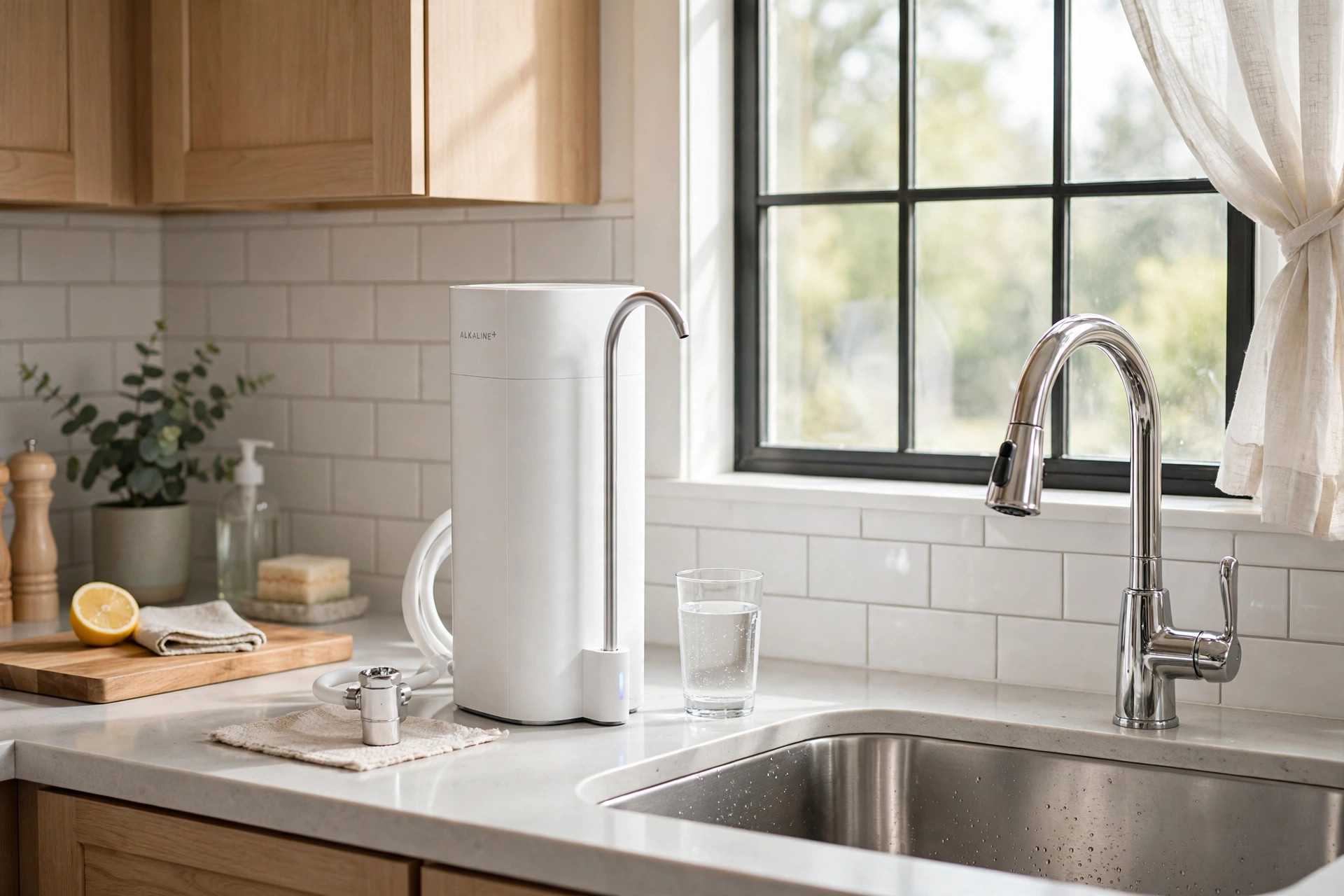
Countertop systems sit next to the sink. They connect to the faucet with a small adapter. Flow is faster than a pitcher. Many add a stronger mineral stage. They cost more, often between one hundred and four hundred dollars. They need some counter space. Renters like them because they come off without tools.
Under-Sink Systems
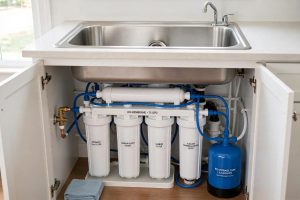
Under-sink units hide below the counter. A small second faucet on the sink top serves the treated water. These models often filter best. They have room for larger cartridges and more stages. They cost between two hundred and eight hundred dollars. Some need a plumber for setup. They suit owners who want a clean look and strong output.
Whole-House Systems
Whole-house systems treat every tap in the home. They sit where the main water line enters. They cost the most, often one to three thousand dollars. They also need pro setup. Few whole-house units are alkaline-only. Most pair alkaline mineral stages with heavy-duty filtration. They suit large homes with clear water problems.
Water Ionizers
Ionizers use electric plates to split water into alkaline and acidic streams. They sit on the counter. They can reach high pH levels fast. They cost between three hundred and two thousand dollars. They do not filter as well on their own. Many buyers pair them with a separate pre-filter. Reviews are mixed. Owners who like the tech love it. Others find the upkeep fussy.
How Reviews Judge the Top Brands
American buyers name a few brands again and again in their reviews. Each has a clear strength.
Aquasana draws praise for clean-tasting water and honest specs. Owners like the clear filter-change lights. Some say the pH lift is mild rather than strong. You can read more at Aquasana, which lists its test data in plain view.
Moen and Delta show up in many kitchen faucet reviews tied to filtration. These makers build filter-ready faucets with a clean finish. If you plan an under-sink unit, a solid faucet matters as much as the filter. See the fixture lines at Moen and Www.deltafaucet.com for options that pair well with treated-water taps.
Kohler earns marks for build quality in whole-home water gear. Its gear costs more but lasts. Kohler keeps a deep catalog of water products for American homes.
Big-box stores give the widest side-by-side choice. Shoppers compare dozens of models in one visit. Www.homedepot.com and Www.lowes.com both stock countertop, under-sink, and whole-house models with owner reviews attached.
Trade guides help buyers learn the craft. This Old House walks through setup steps in clear photos. Www.familyhandyman.com offers plain how-to pieces on filters and faucets.
Public health facts ground every buying choice. The Www.epa.gov sets the legal limits for drinking water in the United States. Its pages list which contaminants matter and why.
Cost and Price Ranges
Prices in the USA vary by type. Pitchers run twenty to sixty dollars. Countertop models run one hundred to four hundred dollars. Under-sink systems run two hundred to eight hundred dollars. Whole-house systems run one thousand to three thousand dollars. Ionizers run three hundred to two thousand dollars.
Yearly filter costs add up. Pitcher filters cost thirty to sixty dollars a year. Countertop cartridges cost sixty to one hundred fifty dollars a year. Under-sink sets cost one hundred to two hundred fifty dollars a year. Whole-house media can run two hundred to five hundred dollars a year. Always add this to the sticker price before you judge a deal.
Watch for hidden costs too. Some units need new adapters, drain saddles, or a plumber visit. Some need a power outlet. A few need softened water first, or the mineral media clogs fast. Reviews often flag these extras. Read the one-star reviews first. They name the costs that ads hide.
Care and Upkeep
A filter only works if you tend it. Change cartridges on schedule. Most makers give a month or gallon count. A light or beep helps. If the water flow slows, the filter is likely full. Do not stretch a spent cartridge. It can grow germs and lose its power.
Sanitize the system once a year. Many makers sell a small cleaning kit. Wipe seals and check hoses for leaks. If your unit has mineral media, back-flush it as the guide says. Keep a spare cartridge on hand. Stores run out at the worst times.
Test your water once a year. Cheap pH strips show the alkaline level. A home test kit shows the main contaminants. If the pH drops below your target, the mineral stage may be spent. If tastes return, the carbon stage may be full. Small tests save big repairs.
Safety Notes
What Alkaline Systems Cannot Do
No alkaline filter kills all germs. If your water comes from a well, test for bacteria first. Some units carry UV lamps for that job. A plain alkaline pitcher will not make unsafe well water safe. Reviews of Lowe’s models show what an added germ-killing stage looks like.
Mineral Balance
Very high pH water can upset the stomach in some people. Most doctors say water in the 8.0 to 9.5 range is fine for healthy adults. People with kidney trouble should ask a doctor first. Do not chase extreme pH numbers. A mild lift gives most of the taste gain with less risk.
Lead and Pipes
Old homes may have lead pipes or solder. An alkaline filter that is not rated for lead will not fix this. Look for a stated lead-removal claim backed by a test. If lead is a worry, a certified filter is a must. Related work on remineralizing reverse-osmosis water can help too; see these The Home Depot for context.
Install Care
Under-sink units touch your home plumbing. A bad joint can leak and ruin a cabinet. If you are not handy, hire a plumber. Shut the water off before you start. Keep towels and a bucket near. Small care here saves large bills later.
What Real Owners Say Most
Read enough reviews and patterns emerge. Owners praise taste first. The word smooth appears often. Next comes easy setup for countertop models. Then comes the cost of filters, which draws the most gripes. A unit that tests well at month one must still please at month twelve. The best reviews come from owners who have used the system for a full year.
Noise gets few mentions, which is good. Most units run silent. Speed draws mixed notes. Pitchers are slow by design. Countertop models please most users. Whole-house units draw praise for steady pressure.
One common tip stands out. Buy extra filters at the start. Prices rise. Stock runs short. A spare set on the shelf means you never drink past a due date.
How to Pick Your System
Start with your water. A city water report is free and lists the main issues. Well owners should pay for a lab test. Buy the filter that fits the problem you have, not the one with the loudest ads.
Next, count your taps. One glass a day points to a pitcher. A family kitchen points to under-sink or countertop. Every tap in a large home points to whole-house gear.
Then, set your budget with filters in mind. Add three years of cartridges to the sticker price. Compare that total across models. The dear unit with cheap filters often wins.
Finally, read reviews with care. Look for reviews from your state if you can. Water differs by region. A system that shines in soft-water Florida may clog fast in hard-water Arizona. Long reviews with photos beat short ones. Reviews that mention service calls tell you how the maker treats buyers after the sale.
Related home water projects often go together. If your waste lines need work, check the cost of a This Old House before you plan new plumbing. If your water source is a private well, pair any alkaline stage with proper disinfection, as noted in these Lowe’s. And if you run reverse osmosis first, remember it strips minerals out; these The Home Depot explain how to put healthy minerals back.
Frequently Asked Questions
Do alkaline water filters really work?
They do two real jobs. They clean the water, and they raise its pH through minerals. How well they do each job varies by model. Check test data and owner reviews, not ad copy.
What pH should I aim for?
Most owners aim for 8.0 to 9.5. This range tastes smooth and sits within what most health sources call fine for healthy adults. Higher is not better. It can taste soapy and may upset the stomach.
How often must I change the filter?
It depends on the model and your water use. Pitchers often need a new filter each month or two. Under-sink sets often last six to twelve months. Whole-house media can last a year or more. Follow the maker’s count in gallons or months, whichever comes first.
Can I install an under-sink system myself?
Many buyers do. Most kits need only basic tools and an hour or two. If your sink has odd plumbing or you feel unsure, hire a plumber. A small fee beats a flooded cabinet.
Do these systems remove fluoride?
Some do, most do not. Standard carbon and mineral stages leave fluoride in place. Special alumina or reverse-osmosis stages take it out. If fluoride matters to you, check the spec sheet for a clear claim.
Are ionizers better than mineral filters?
They are different, not better. Ionizers reach high pH fast but filter weakly on their own. Mineral systems clean and lift pH in one pass but move slower. Many owners pair an ionizer with a strong pre-filter to get both.
A Short Final Word
Alkaline water filter system reviews in the USA point to a clear lesson. The best system is the one that fits your water, your home, and your budget for filters. Start with a water test. Read long owner reviews. Add up the true yearly cost. Then buy with calm eyes. Good water is a daily comfort. A sound choice now pays you back with every glass.
Related guides on this site include best whole house water filter system usa, whole house water filtration cost installed, and reverse osmosis system under sink reviews usa.
References
Aquasana. (n.d.). Water filtration systems. https://www.aquasana.com Delta Faucet. (n.d.). Kitchen and bathroom faucets. https://www.deltafaucet.com Family Handyman. (n.d.). DIY home repair and maintenance. https://www.familyhandyman.com Kohler. (n.d.). Bathroom and kitchen fixtures. https://www.kohler.com Lowe’s. (n.d.). Home improvement products. https://www.lowes.com Moen. (n.d.). Faucets and plumbing fixtures. https://www.moen.com The Home Depot. (n.d.). Home improvement products. https://www.homedepot.com This Old House. (n.d.). Home renovation guidance. https://www.thisoldhouse.com U.S. Environmental Protection Agency. (n.d.). Protecting human health and the environment. https://www.epa.gov Www. (n.d.). Home and garden information. https://www
Was this guide helpful?

About Sarah Mitchell
The My Garden US editorial team writes practical, in-depth home and garden guides for American homeowners — tested advice, no fluff.