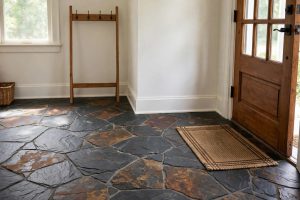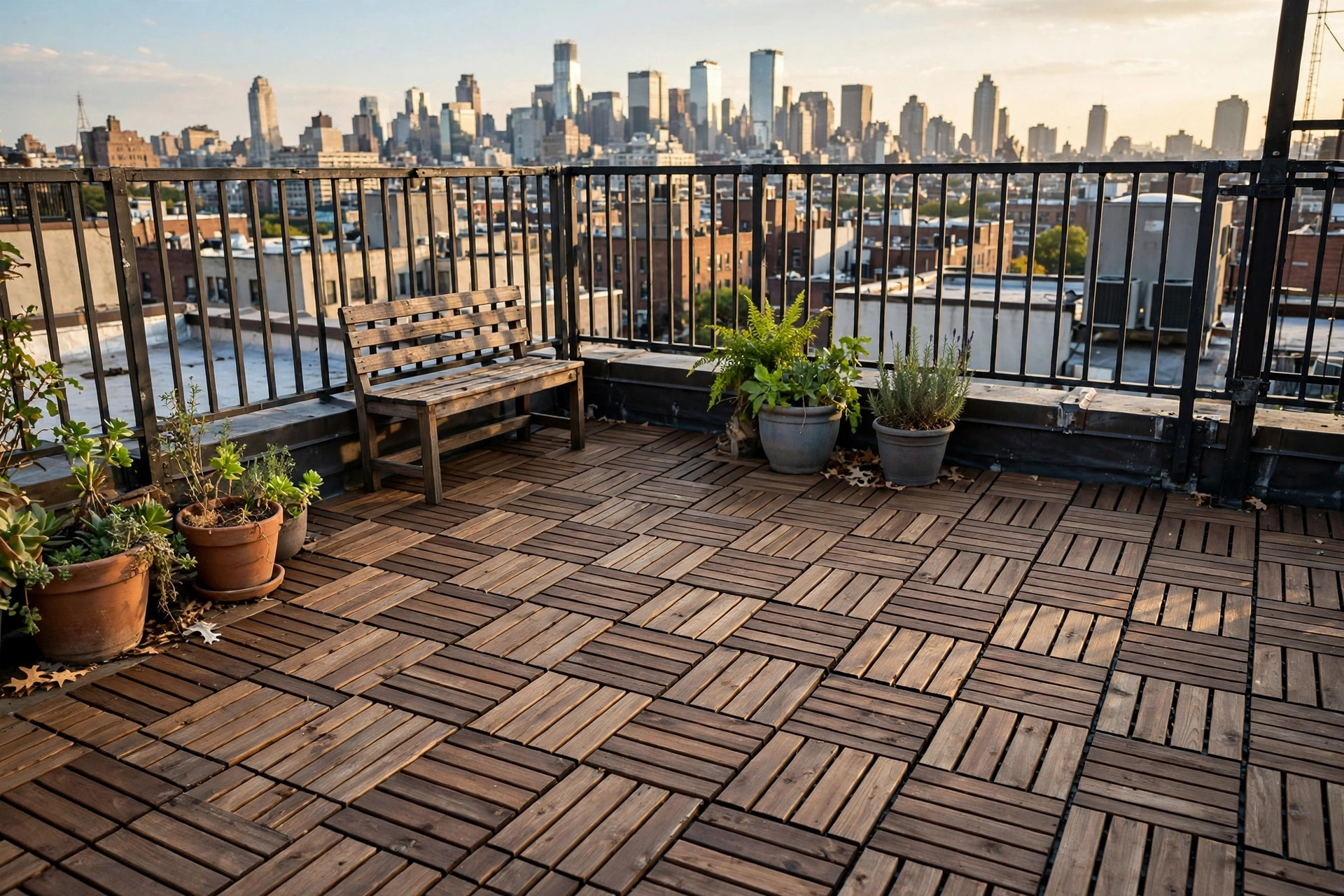

A rooftop deck turns an unused flat roof into a place where people can sit, eat, and enjoy the evening air. In many American cities, homes and apartment blocks have flat roofs that can carry this kind of use, but a bare roof surface is not safe to walk on for long. Water can collect. The surface can get hot. It can also wear down under foot traffic. The best deck tiles for rooftop deck USA homeowners choose are made to sit on top of a roof membrane and protect it, while giving a flat and pleasant floor to walk on.
Roof decks are common in New York, Chicago, Philadelphia, San Francisco, and many other places where yard space is hard to find. A set of deck tiles can change a dull roof into an outdoor room.
Why Deck Tiles Suit Rooftops
Most rooftops that take foot traffic have a waterproof membrane under them. This layer keeps rain out of the building. If you nail boards into it or let chairs scrape it, the membrane can tear. Deck tiles solve this problem. They float on top of the roof. They do not need nails or screws. Their plastic bases hold the tile surface a little above the membrane, so water can drain under them.
This raised design has another benefit. It keeps the tile surface cooler in the summer sun. Air moves under the tiles and carries heat away. The roof membrane also lives longer because it is not worn by shoes and not cooked by direct heat. Many roof makers in the United States allow this kind of floating floor, while they warn against glued or nailed floors.
Weight is the first thing to check before any choice. A roof can only carry a set load. Deck tiles are light, but stone tiles and thick porcelain tiles add up. For a roof, you want to know the dead load of the tile per square foot and keep it well inside what the building allows. If you are not sure what the roof can carry, ask a local engineer before you buy anything.
What to Look for in Rooftop Deck Tiles: Best Deck Tiles for Rooftop Deck Usa
Not every deck tile is fit for a rooftop. These are the points that matter most.
Weight. Light tiles are safer for a roof. Interlocking wood and composite tiles are often under two pounds per square foot. Porcelain roof tiles on plastic grids can weigh four to six pounds per square foot. Stone can weigh more. Keep the total under what the roof can hold.
Drainage. Good roof tiles sit on a raised grid or have wide gaps between tiles. Rain must pass through and flow to the drains. If tiles sit flat and hold water, the roof can pond and the membrane can age faster.
Wind. Rooftops catch strong gusts. Loose tiles can blow across the roof and damage the membrane or nearby railings. Look for tiles that lock together firmly. Heavy porcelain tiles resist wind by their own weight. On high roofs, some owners add edge restraints around the field of tiles.
Sun and heat. The tile must stand up to years of sun. Wood tiles need oil or they will gray. Composite tiles hold their color longer. Porcelain and stone barely change at all.
Slip. A roof deck should have a surface that does not get slick when wet. Many tiles have a textured top for this reason. Smooth glazed tiles are a poor choice outdoors.
Membrane safety. The tile base should not have sharp feet that cut the membrane. Many systems use smooth plastic pads. It is smart to lay a separation mat or a second protection layer under the tiles if the roof maker advises it.
Types of Deck Tiles for Rooftops
Interlocking Wood Tiles
Wood deck tiles are squares of slatted wood, often acacia, eucalyptus, or teak, held together by a plastic grid. They snap together by hand. No tools are needed. They give a warm look that many people love on a roof deck. They are light and easy to carry up stairs.
Wood tiles need care. Sun will bleach them if you do nothing. A coat of deck oil once or twice a year keeps the color rich. They can rot in damp spots, so good drainage is key. They are one of the most used choices for rooftop deck tiles in the United States, and wide ranges are sold by Home Depot and Lowes.
Composite Deck Tiles
Composite tiles look like wood but are made from a mix of wood fibers and plastic. They snap together the same way as wood tiles. They do not need oil. They do not gray the same way. They resist stains better than raw wood. They are a good pick for people who want a wood look with less work. Their cost is higher than plain wood tiles, but the upkeep is low.
Porcelain Roof Pavers
Porcelain tiles for roofs are thick, usually about three quarters of an inch. They sit on plastic pedestals or on plastic grid bases. They look like stone or slate but cost less than real stone. They do not fade. They do not soak up water. They are heavier than wood or composite tiles, so the roof load must be checked first. Solid-surface guides such as terrazzo tile flooring cost per square foot show how much weight solid tiles can add. Many makers of porcelain roof tiles sell full systems with pedestals sized for roof work.
Stone Tiles
Granite and slate tiles on grids give a roof deck a high-end look. They are very hard and last for many years. They are the heaviest choice, so many roofs cannot take them. If your roof can carry them, they need almost no care beyond sweeping. Lay them only after a clear check of the roof load.
Rubber Tiles
Rubber deck tiles are soft underfoot and quiet. They are made from recycled rubber in many cases. They drain well and are light. Their look is plain, so they are often used for play areas and utility corners of a roof rather than the main sitting area.
Cost and Price Ranges
Prices for rooftop deck tiles in the United States vary by material and by seller. Wood interlocking tiles often run from about four to ten dollars per square foot. Composite tiles run from about seven to fifteen dollars per square foot. Porcelain roof pavers with pedestals often run from about fifteen to thirty dollars per square foot. Natural stone tiles can run from twenty to forty dollars per square foot.
For a 300 square foot roof deck, the tile cost alone might be 1,200 dollars for basic wood tiles or 6,000 to 9,000 dollars for a porcelain paver system. Add the cost of edge trim, any protection mat, and tools. Many owners do the work themselves because the tiles snap together, so labor cost can be zero. If you hire a contractor, labor may add five to ten dollars per square foot. Prices change by region and by year, so check current listings at LL Flooring or your local store before you set a budget.
Keep the total project cost in mind, not just the tile price. A protection mat under the tiles, edge restraints, and new drain screens all add cost. So does a structural check if one is needed.
How to Plan and Lay the Tiles
Good planning makes the job simple. These steps follow the way many contractors lay rooftop deck tiles.
1. Check the roof. Confirm the roof can take foot traffic and the added tile weight. Find the drains and note where water flows. 2. Clean the roof. Sweep off all grit. Small stones can press into the membrane under the tile feet. Check the membrane for tears and fix them first. 3. Lay a protection mat if advised. Some roof makers want a separation layer between tile feet and membrane. Ask the maker or read the roof papers. 4. Start from one corner. Snap tiles together and work across the roof. Keep a small gap from walls and railings so tiles can grow a little in the heat. 5. Cut tiles at edges. A simple saw cuts most wood and composite tiles. Mark cuts with care so the edge stays straight. 6. Check drainage. Pour water on a few spots and watch it flow under the tiles to the drains. No ponding should sit under the floor. 7. Add edge trim. Trim boards or edge restraints hold the field of tiles in place and give a clean look.
Most people finish a small roof in a weekend. If you want tips on keeping tile edges level during the work, read tile leveling system reviews for diyers usa. That guide covers tools that help keep a floor flat.
Care and Upkeep Through the Year
Rooftop deck tiles need a little care to last. Sweep them each month so grit does not build up. Wash them with mild soap and water once a season. Pull up a few tiles twice a year and look at the membrane under them. Clear leaves from the drains each fall. Leaves are a main cause of ponding on roof decks.
Wood tiles need oil when they start to gray. Composite tiles may show marks from shoes; most marks wash off. Porcelain and stone need little more than washing. Rubber tiles can be hosed down. After a heavy storm, walk the deck and check that no tiles moved and that drains are clear.
Winter brings extra weight from snow in cold states. In places like Chicago or Boston, clear heavy snow with a plastic shovel, since metal shovels can chip tiles. In warm states, the main task is washing off dust and checking for sun damage.
Safety Points to Know
A rooftop deck is safe when it is built with care. Keep these points in mind.
First, railings must meet local codes. Most cities call for a guard rail at least 42 inches high on a roof deck. Do not trust a low wall or a loose rail.
Second, keep tiles from moving. Interlock them well and add edge restraints. A loose tile on a high roof is a hazard to people below.
Third, mind the wind. In storms, loose items on a roof deck can become dangerous. Heavy porcelain tiles stay put. Light wood tiles need firm interlocks.
Fourth, plan for fire rules. Some cities have rules about wood floors on roofs. Composite and porcelain tiles may pass rules that raw wood fails. Check local code before you buy.
Fifth, keep drains open. Water that cannot leave the roof adds weight and can find its way inside. Never let tiles or mats cover a drain.
The CPSC is not a tile source, but its general home safety pages are worth a read before any rooftop project. For step-by-step building advice, This Old House and Family Handyman both cover deck work in plain language. Design ideas and product reviews can be found at The Spruce, while Shaw Floors and Mohawk Flooring show the range of modern floor products for outdoor use.
Frequently Asked Questions
Can deck tiles go straight on a roof membrane? Most floating deck tile systems are made for this, but you should check the roof maker’s papers first. Some roofs need a protection mat under the tiles. Never glue or nail through the membrane.
How much weight do deck tiles add? Light wood and composite tiles add about one to two pounds per square foot. Porcelain pavers on pedestals add about four to six pounds per square foot. Stone adds more. Always keep the total well under the roof’s load limit.
Do I need a permit for a rooftop deck in the USA? Many cities call for a permit when a roof is used as a deck. Rules differ by city. Check with the local building office before you start. Railings, stairs, and load limits are often part of the permit check.
What is the best wood for rooftop deck tiles? Teak and ipe last the longest outdoors. Acacia is the common budget pick and looks good, but it needs oil to hold its color. For a home with pets, note that best hardwood floor finish for dogs usa covers finishes that stand up to claws; on a roof, composite tiles may be the easier pick.
How long do rooftop deck tiles last? Wood tiles last about eight to fifteen years with oil. Composite tiles often last fifteen to twenty-five years. Porcelain and stone can last for decades. The plastic bases age too, so check them when you lift tiles for membrane checks.
Can I lay deck tiles myself? Yes. Most interlocking tiles snap together by hand. A 200 to 300 square foot roof is a common weekend job for two people. The main skill is planning cuts at the edges and keeping drains open.
A Short Final Word
The best deck tiles for rooftop deck USA projects are the ones that fit your roof, your climate, and your budget. Wood tiles give warmth at a low price. Composite tiles give the same look with less care. Porcelain and stone give a hard surface that lasts for years. Whatever you choose, check the roof load, keep water flowing to the drains, and follow local rules for railings and permits. A well-built roof deck can give you an extra outdoor room for many years to come.
References
Daltile. (n.d.). Ceramic and porcelain tile. https://www.daltile.com Family Handyman. (n.d.). DIY home repair and maintenance. https://www.familyhandyman.com LL Flooring. (n.d.). Hardwood, vinyl, and tile flooring. https://www.llflooring.com Lowe’s. (n.d.). Home improvement products. https://www.lowes.com Mohawk Flooring. (n.d.). Flooring products. https://www.mohawkflooring.com Shaw Floors. (n.d.). Flooring products. https://www.shawfloors.com The Home Depot. (n.d.). Home improvement products. https://www.homedepot.com The Spruce. (n.d.). Home and garden advice. https://www.thespruce.com This Old House. (n.d.). Home renovation guidance. https://www.thisoldhouse.com U.S. Consumer Product Safety Commission. (n.d.). Product safety information. https://www.cpsc.gov
Was this guide helpful?

About Michael Thompson
The My Garden US editorial team writes practical, in-depth home and garden guides for American homeowners — tested advice, no fluff.
You May Also Like

Vertical Subway Tile Shower Ideas for USA Homes
September 19, 2026 0 views
Best Washable Area Rugs for Living Room Use: A Plain Buying Guide
May 14, 2026 0 views
Best Underlayment for Laminate Flooring USA: A Practical Guide
August 26, 2026 0 views