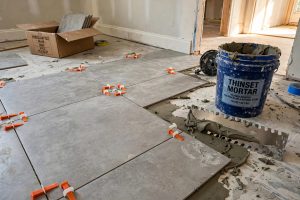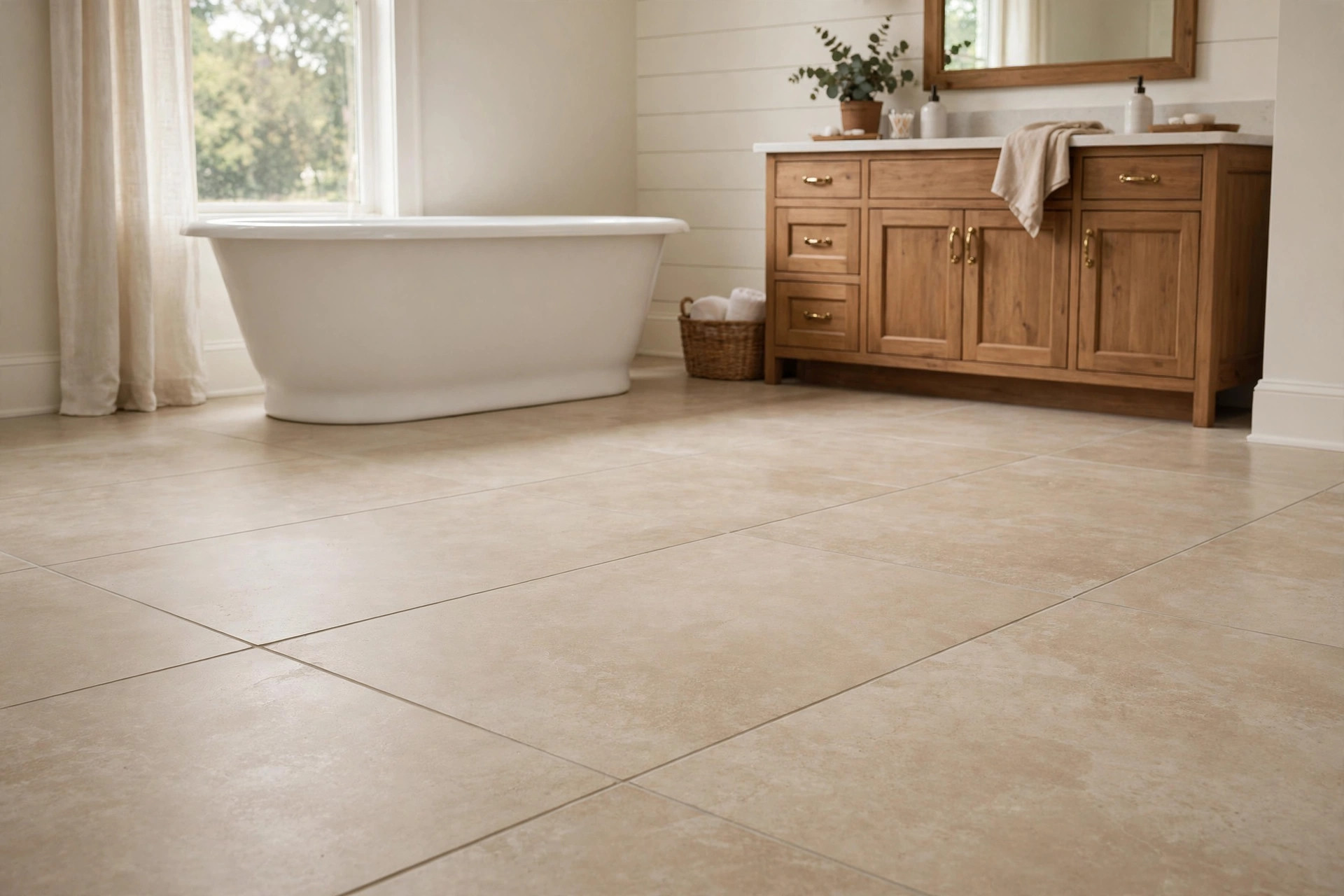

The bathroom floor is small in square footage but large in daily use. It sees bare feet each morning, damp towels, and water from the shower. It also shapes the whole look of the room. The bathroom floor tile trends 2026 usa shows are simple at heart. Homeowners want floors that look like natural stone, feel safe underfoot, and stay easy to clean. Large sizes keep gaining ground. Matte finishes beat glossy ones. Warm neutrals push out cold grays. And porcelain remains the workhorse material for most American remodels. This guide walks through the leading styles, the real costs, and the care each choice needs, so you can pick a floor that suits your budget and your daily routine.
Why Bathroom Floor Trends Matter
A bathroom floor must do two jobs at once. It must look good, and it must stand up to water. Few finishes handle both as well as tile. Vinyl can mimic tile, but it can curl at the edges in a steamy room. Wood swells and stains. True tile, set on a sound base, can last for decades with little complaint.
Trends matter because they set prices and supply. When a style becomes popular, factories make more of it, and prices drop. A pattern that was rare five years ago may now sit in stock at every big-box store. Timing your remodel to the current wave can save real money. The bathroom floor tile trends 2026 usa installers report also reflect what buyers want when you sell. A floor that feels dated can drag down a whole bathroom in the eyes of a buyer. A floor that reads clean, calm, and current can lift it.
Style also feeds comfort. A pale floor bounces light around a small room and makes it feel larger. A warm-toned floor takes the chill off bare feet in January. A slip-safe surface keeps an older parent or a small child steady. These are practical gains, not decoration alone.
What to Look for When You Choose: Bathroom Floor Tile Trends 2026 Usa
Slip resistance
Wet floors are slick floors. Look for a high slip rating on the box. In the United States, many makers now print the dynamic coefficient of friction, or DCOF. A value of 0.42 or higher suits wet areas. Matte finishes grip better than polished ones. Small tiles grip better than large ones, because more grout lines mean more traction. If you love a large-format look, choose a tile with a textured surface to keep your footing sure.
Water handling
Porcelain absorbs less than half a percent of water. That is why it leads in bathrooms. Ceramic costs less but absorbs more, so it suits walls better than floors. Natural stone is lovely but porous, and it needs sealing. Any tile floor is only as waterproof as its grout and its base. A sound membrane under the tile keeps water from reaching the subfloor.
Size and scale
One of the strongest bathroom floor tile trends 2026 usa shoppers can see is the move to big tiles. Twelve-by-twenty-four inch tiles are now common. Some showrooms carry tiles as large as twenty-four by forty-eight. Fewer grout lines mean a calmer look and less scrubbing. But big tiles need flat floors. If your subfloor waves, the edges of large tiles can sit uneven, a flaw called lippage. A pro can level the floor first, which adds cost but pays off in the finish.
Tone and light
Bathrooms are often small and windowless. Light tones open them up. In 2026, warm whites, soft beiges, and pale sand tones are ahead of cool gray. These warm neutrals pair well with wood vanities and brushed-brass fixtures, both popular this year. Dark floors still have a place in large, well-lit baths, but they show every footprint and water spot.
Main Types and Options in 2026
Large-format porcelain
Large porcelain slabs are the headline of the bathroom floor tile trends 2026 usa designers keep citing. A twelve-by-twenty-four inch porcelain tile in a limestone look can make a forty-square-foot bath feel twice as large. The grout lines fade from view. Cleaning takes minutes. Porcelain needs no sealing, shrugs off stains, and holds its color for years. Prices run wide, from budget lines at a few dollars a foot to imported Italian slabs at twenty dollars or more. Good looks now reach the mid-range, so most homeowners can afford the style.
Stone-look porcelain
Natural stone has a timeless pull, but it asks for sealing and gentle care. Stone-look porcelain gives the marble veining or travertine warmth without the upkeep. Ink-jet printing has grown so fine that even a close look can fool the eye. Carrara-style whites remain a classic pick. Travertine and limestone looks in warm beige are rising fast. For shoppers who want real stone, honed marble stays in style, but count on sealing it each year and wiping spills fast.
Patterned and encaustic-look tile
Bold pattern is the counter-trend to calm large formats. Cement-look tiles with Moroccan, Spanish, or star patterns turn a small bath into a jewel box. These work best in powder rooms and guest baths, where you see the floor briefly and the pattern can shine. Because patterned tile is busy, keep the walls plain. Prices for true encaustic cement tile run high, and the tile is thick and needs sealing. Porcelain copies give the same look for less money and less care.
Wood-look plank tile
Wood-look tile keeps a steady place in American baths. It brings the warmth of oak or walnut to a wet room where real wood would fail. Planks now run six inches wide and up to four feet long. Herringbone and chevron layouts are gaining fans in 2026, though they need more tile and more labor. Choose a plank with varied grain so the floor does not repeat like wallpaper. A matte finish reads most like real wood.
Hexagon and penny tile
Small shapes never left, and they still suit classic and cottage baths. Hexagons in matte white are a fixture of farmhouse style. Penny rounds in soft gray or blue make a sweet shower floor, where the many grout lines add grip. Small tiles cost more to set because the setter places each sheet by hand, but they forgive wavy floors better than large ones.
Terrazzo-look tile
Speckled terrazzo looks are back in a big way. Modern porcelain copies scatter chips of gray, beige, and rust across a pale field. The busy surface hides dirt well, which busy families love. It pairs nicely with plain walls and simple fixtures. Terrazzo-look tile sits in the mid price range and needs no sealing.
Cost and Price
Tile prices in 2026 span a wide range. Budget ceramic floor tile starts near one dollar per square foot. Mid-range porcelain runs four to ten dollars. Premium and imported lines run twelve to twenty-five dollars or more. Natural stone starts around eight dollars and climbs fast for marble.
Material is only half the bill. Labor to set a bathroom floor often matches or beats the tile cost. Expect three to eight dollars per square foot for a standard set, more for large formats, patterns, or herringbone layouts that need extra cuts. A membrane or leveling layer adds one to three dollars per foot. Grout, thinset, and trim add a few hundred dollars on a small bath.
A typical hall bath of forty square feet might total fifteen hundred to three thousand dollars for tile and labor with mid-range porcelain. A master bath twice that size can run three to six thousand. Get three written bids. Ask each bidder what prep work is included, because prep is where cheap bids hide their gaps. Homeowners comparing options can browse current stock and pricing at large retailers such as Home Depot and Lowe’s before they talk to a setter.
If your bath sits over a cold crawl space, think about heat. An electric radiant mat under the tile costs roughly eight to fifteen dollars per square foot installed, and it turns a chilly tile floor into the warmest spot in the house on a winter morning. Many owners who add it say they would never go back. Related reading on warming a tiled bath can be found in our guide to heated bathroom floor cost per square foot.
Care and Upkeep
Porcelain asks little. Sweep or vacuum weekly. Mop with warm water and a mild cleaner. Skip wax and oil soaps, which leave a film. For grout, a soft brush and a grout cleaner once a month keeps lines bright. Sealed grout resists stains longer, so ask your setter to seal the lines at the end of the job.
Natural stone asks more. Seal it on schedule, usually once a year. Wipe up toothpaste, soap, and colored liquids quickly, because stone can stain. Use cleaners made for stone, never vinegar or bleach, which etch the surface. If this sounds like work you will not do, choose porcelain instead and save yourself the trouble.
Patterned and dark tiles show soap film. A quick squeegee after showers helps. Hard water leaves white spots on any tile; a mix of water and a mild acid cleaner made for tile lifts them. Always test a cleaner in a corner first.
Keep a few spare tiles from your lot. Dye lots shift between runs, and a matching tile five years later is hard to find. Store them flat in a dry place. For showers, our companion piece on the best tile for shower walls pairs well with this guide.
Safety
The bathroom is one of the most common rooms for home falls. The floor you pick can lower the risk. Choose tile with a DCOF of 0.42 or higher. Matte and textured surfaces beat polished ones. In a curbless shower, run the same floor tile straight through so there is no lip to trip on, and keep the slope gentle.
Small children and older adults benefit from grab bars and a non-slip mat in the tub or shower. Good lighting matters too. A dark floor in a dim bath hides puddles. If you love a dark tile, add strong overhead light and a night light near the toilet. For households weighing large format tile for a small bathroom, note that big tiles in a shower need a textured finish to stay safe underfoot.
Frequently Asked Questions
What is the most popular bathroom floor tile in 2026?
Large-format porcelain in warm stone looks leads the market. Twelve-by-twenty-four inch tiles in limestone, travertine, or soft marble patterns are the top sellers in most American showrooms this year. They make small baths feel larger and need little upkeep.
Is matte or glossy tile better for a bathroom floor?
Matte is better for floors. It hides water spots, resists slips, and suits the calm look that is current in 2026. Save glossy tile for walls, where it bounces light and stays dry.
Can I use large tiles in a tiny bathroom?
Yes, and designers often advise it. Fewer grout lines make a small room read larger and calmer. The floor must be flat, so budget for leveling if your subfloor waves. Use a textured large tile in the shower area for grip.
How much does it cost to tile a bathroom floor in 2026?
A small bath with mid-range porcelain often runs fifteen hundred to three thousand dollars for tile and labor. Large formats, patterns, and herringbone layouts raise labor costs. Radiant heat adds eight to fifteen dollars per square foot.
Does bathroom floor tile need to be sealed?
Porcelain and most glazed ceramic do not need sealing. Natural stone does, usually once a year. Cement-look tile and true encaustic tile also need sealing. When in doubt, ask the maker and follow the box.
What grout color works with 2026 tile trends?
Grout that matches the tile keeps the calm, seamless look that is popular now. A warm gray with beige tile, or a soft white with marble-look tile, are safe picks. Dark grout hides stains but draws the eye to every grout line, which fights the large-format look.
A Final Word
The bathroom floor tile trends 2026 usa buyers are following point in one clear direction: calm, warm, and easy to live with. Large porcelain tiles in stone looks give you the luxury feel without the luxury upkeep. Matte finishes keep you steady. Warm neutrals flatter every fixture style, from chrome to brushed brass. Pick a tile you can clean in minutes, set it on a sound base, and keep a few spares in the garage. Do that, and your floor will look current in 2026 and still look right ten years from now. Inspiration and buying guides from trusted names like Shaw Floors, Mohawk Flooring, Daltile, and LL Flooring can help you compare lines side by side, while project advice from This Old House, The Spruce, and Floor & Decor walks through real installs step by step.
References
Daltile. (n.d.). Ceramic and porcelain tile. https://www.daltile.com Floor & Decor. (n.d.). Tile, wood, and stone flooring. https://www.flooranddecor.com LL Flooring. (n.d.). Hardwood, vinyl, and tile flooring. https://www.llflooring.com Lowe’s. (n.d.). Home improvement products. https://www.lowes.com Mohawk Flooring. (n.d.). Flooring products. https://www.mohawkflooring.com Shaw Floors. (n.d.). Flooring products. https://www.shawfloors.com The Home Depot. (n.d.). Home improvement products. https://www.homedepot.com The Spruce. (n.d.). Home and garden advice. https://www.thespruce.com This Old House. (n.d.). Home renovation guidance. https://www.thisoldhouse.com
Was this guide helpful?

About Lisa Anderson
The My Garden US editorial team writes practical, in-depth home and garden guides for American homeowners — tested advice, no fluff.
You May Also Like
Electric Radiant Floor Heat for Tile Reviews: A Plain Guide
July 20, 2026 0 views
Best Tile for Shower Ceiling Reviews USA: A Plain Guide to What Works Overhead
August 25, 2026 0 views
Slate Tile Flooring for Entryway Spaces: A Practical Guide for American Homes
March 10, 2026 0 views