
Many homeowners type “walk in shower installation cost near me” into a search box before they call a single contractor. They want one number. The truth is that the cost of a walk in shower depends on the size of the job, the tile you pick, the plumbing work, and the prices in your own town. This guide walks you through each part. It gives price ranges you can trust. It explains what raises the bill and what keeps it down. It also shows how to find an honest installer near you.
Why a Walk In Shower Is Worth the Money
A walk in shower is a shower with little or no curb. You step in through a wide open space or a glass door. Many designs have no door at all. The floor slopes gently toward the drain. The look is clean and modern.
Older homeowners prize these showers. A low curb or a barrier free entry makes the bathroom safer. A person with a walker or a wheelchair can roll right in. There are no high edges to trip over. Families with young children like them too.
A walk in shower also adds value to a home. Buyers see it as an upgrade. A fresh tile shower with glass looks better than an old plastic tub surround. Real estate agents say bathrooms sell homes. A well built shower is one of the strongest selling points in a bathroom.
Cleaning is simpler as well. Fewer corners mean fewer places for soap scum to hide.
What to Look For When You Search Near Me: Walk in Shower Installation Cost near Me
The phrase “near me” matters. Labor prices change from town to town. A job in a large city often costs more than the same job in a small town. The cost of tile and plumbing parts stays fairly steady. The cost of labor does not.
Start with a clear picture of your project. Measure the space. Know if you plan to keep the drain in the same place. Moving a drain means cutting the floor and moving pipes. That adds cost. Know if you want a glass door, a fixed glass panel, or an open entry with no glass. Each choice changes the price.
Ask each contractor the same questions. How long will the job take? Is the waterproofing included in the quote? What tile sizes can their crew handle? Will they pull the building permit? Get at least three written quotes. A written quote should list labor, materials, and the timeline. Verbal promises are not enough.
Check the contractor’s record. Ask for photos of past shower jobs. Ask for two references you can call. A good installer will not hesitate. The product guides at The Home Depot and Lowe’s can help you compare shower kits, tile, and pans before you talk to a crew.
Types of Walk In Showers and What They Cost
Prefabricated Shower Pan
A prefab pan is a factory made base. The crew sets it in place and tiles or finishes the walls around it. This is the fastest option. A basic prefab walk in shower, installed, often costs between $1,500 and $4,000. The pan itself may cost $300 to $900. Labor makes up the rest.
Prefab pans come in acrylic, fiberglass, and solid surface. Acrylic is light and holds up well. Solid surface feels like stone and costs more. Sizes run from 32 by 32 inches up to 60 by 36 inches or larger.
Tiled Shower With Mortar Base
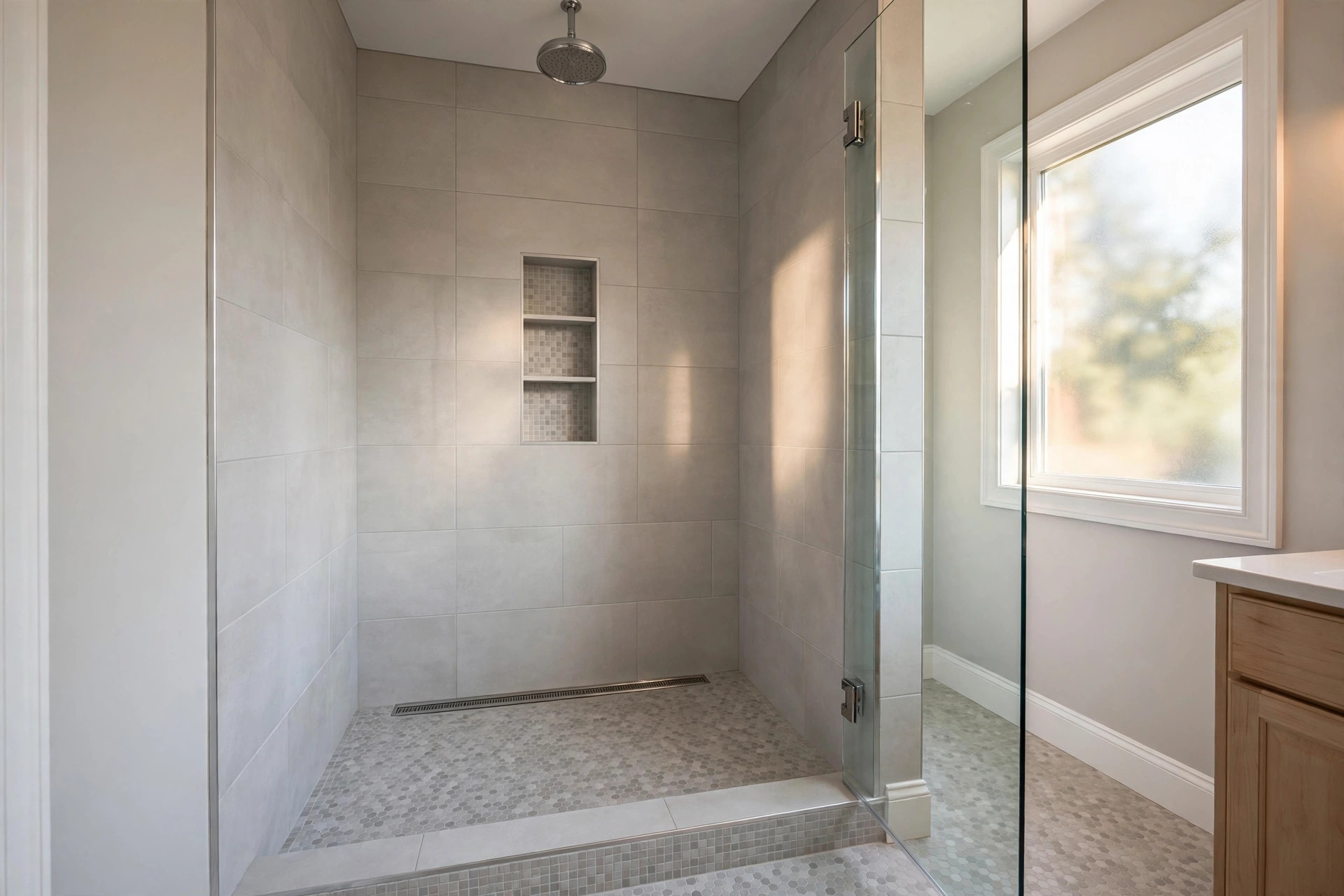
A fully tiled shower is the classic choice. The crew builds the floor from mortar, shapes the slope, applies waterproofing, and sets tile by hand. This takes more skill and more days. A fully tiled walk in shower usually costs between $4,000 and $12,000 installed. High end tile or a large space can push the price higher.
The result can last decades when built right. The slope drains water properly. The waterproofing sits under the tile and protects the wood beneath. Tile choices range from simple ceramic to porcelain, natural stone, and glass mosaic. Porcelain is the most common pick today. It resists stains and needs little care.
Barrier Free and Curbless Shower
A curbless shower has no step at all. The bathroom floor flows into the shower floor. This design needs careful planning. The floor below must drop or the shower area must be built up. Drain placement is critical. Expect to pay between $6,000 and $15,000 for a curbless walk in shower, since the floor work is more complex.
Glass Enclosures
Glass changes the price a great deal. A simple fixed glass panel may add $500 to $1,200. A full frameless glass door system can add $1,500 to $3,500 or more. Thicker glass and custom cuts raise the price. Standard sizes cost less than custom sizes.
Cost Breakdown: Where the Money Goes
A typical walk in shower installation has four main cost parts.
Labor is the largest part. It often takes 40 to 60 percent of the total. Removing the old tub or shower takes one to two days. Building the new shower takes three to seven days. Plumbing changes add more time.
Tile and stone vary widely. Basic ceramic tile may cost $2 to $5 per square foot for material. Good porcelain runs $4 to $12. Natural stone such as marble or travertine runs $8 to $25 or more. Small mosaic tiles cost more to install because the setter places many more pieces. Large format tiles cover area fast but need flat walls and a steady hand.
Plumbing fixtures include the valve, shower head, and drain. A simple chrome set may cost $150. A brushed nickel or matte black set with a rain head and a hand shower can cost $500 to $1,500. Brand name fixtures from makers such as Kohler and Delta Faucet cost more than store brands but often carry stronger warranties.
Waterproofing and setting materials are the hidden costs. Cement board, waterproof membranes, mortar, grout, and sealant add $300 to $800 to a typical job. These materials decide how long the shower lasts. A cheap job skips proper waterproofing. That is a mistake you will pay for later.
Factors That Raise or Lower the Price
Drain location. Keeping the drain where it is saves hundreds of dollars. Moving it means opening the floor or slab and rerouting the pipe.
Plumbing upgrades. An old home may have galvanized pipes. A good crew may suggest new copper or PEX lines while the walls are open. This adds cost now but prevents leaks later.
Tile size and pattern. A simple grid pattern in medium tile is the cheapest to install. Herringbone, diagonal layouts, and tiny mosaics take more time. Niche shelves and built in benches add tile work too.
Wall condition. Walls behind an old tub may be rotted or moldy. The crew must tear out the damage and rebuild. No one can price this until the old shower comes out. Ask your contractor how they handle surprises.
Permits and inspections. Many towns require a permit for bathroom plumbing changes. A permit may cost $50 to $300. The inspection protects you. It confirms the drain, vent, and waterproofing meet code. Ask for a start date in writing.
How to Find a Good Installer Near You
Word of mouth is still the best tool. Ask neighbors, friends, and coworkers who redid a bathroom. Ask what the crew did well and what went wrong. One honest story is worth more than ten online reviews.
Online reviews help too. Read the bad reviews first. Look for patterns. One complaint about a delay may mean nothing. Five complaints about leaks mean everything. Check that the business has a real address and a working phone number.
Get three bids at minimum. Each bid should describe the same scope of work. If one bid is far lower than the others, ask why. A very low bid may leave out waterproofing, the permit, or the glass. Compare line by line.
Ask about the warranty. A solid tile contractor offers a warranty on labor of at least one year. Many offer two.
Ask who does the work. Some companies sell the job and send a different crew. You want to know who will be in your home.
Care and Upkeep After Installation
A new walk in shower needs simple care. Rinse the walls after use. Squeegee the glass if you have it. This takes one minute and stops water spots.
Clean grout with a mild cleaner. Avoid harsh acids on natural stone. Stone needs a sealer. Most sealers last one to three years. Your installer can tell you which sealer fits your stone.
Vent the bathroom. Run the exhaust fan during and after each shower. Moisture in the air feeds mold. A good fan keeps the room dry.
For more on protecting the structure under your tile, see our guide to waterproofing a shower before tile. The steps there apply to any walk in shower project.
Bathroom Floor Choices That Pair Well
Many homeowners redo the bathroom floor at the same time as the shower. It makes sense. The crew is already there. The materials match. The floor outside the shower should handle splashes and wet feet.
Slip resistance matters near a curbless shower. Small tiles with more grout lines give better grip. Textured porcelain is a popular pick. Some homeowners like the warm look of wood but worry about water. Real wood and bathrooms do not mix well. If you love the wood look, porcelain planks that mimic wood are a safer choice. You can browse current options from makers such as Shaw Floors, Mohawk Flooring, and LL Flooring.
Budget shoppers sometimes try peel and stick products. Our peel and stick tile for bathroom floor reviews look at how these hold up in wet rooms. They are cheap and easy to lay. They are not the best pick right next to a curbless shower. Water can find the seams.
Tile remains the top choice for shower walls and floors. Makers like Daltile offer lines made for wet areas. The how to guides at This Old House and The Spruce show proper setting methods step by step. If you are weighing natural materials for the dry areas of the bath, our notes on reclaimed wood flooring for sale near me cover what to check before you buy.
Safety Tips for Your Walk In Shower
Safety is a top reason people choose a walk in shower. A few details make it safer still.
Choose a floor tile with grip. The tile box lists a slip rating. Ask the store for tile rated for wet floors. Mosaic floors with many grout lines grip better than one large slick tile.
Add grab bars. A bar near the entry and one inside the shower help people of all ages. Bars must screw into studs or solid blocking. Plan the blocking before the tile goes up. Once tile is set, it is too late.
Set the water heater to a safe temperature. 120 degrees Fahrenheit is the common advice. This stops scalds. A pressure balance or thermostatic valve holds the temperature steady when a toilet flushes.
Good light matters. A bright ceiling light over the shower helps older eyes see the floor edge. Some showers add a small recessed light in the ceiling. The wiring must be rated for wet areas. Your electrician will know the code.
Keep the entry clear. Towels and bath mats should not bunch up at the curb. A wall mounted towel bar keeps things off the floor.
Frequently Asked Questions
How much does a walk in shower installation cost near me?
Most homeowners pay between $4,000 and $10,000 for a full walk in shower installation. A basic prefab pan job may cost $1,500 to $4,000. A large curbless tiled shower with glass can reach $12,000 to $15,000. Labor rates in your town move the price up or down. Get three local quotes to pin down your number.
How long does installation take?
A simple pan replacement may take two to three days. A fully tiled walk in shower usually takes five to ten working days. Curbless designs and plumbing moves add days. Glass is measured after tile work ends, which adds one to two weeks of waiting for the glass shop.
Can I keep my existing drain?
Often yes. Keeping the drain in place saves money and time. Your contractor will check that the old drain and trap are sound. If the pipes are corroded, replace them while the floor is open. It is far cheaper than opening the floor twice.
Is a permit required?
In most towns, yes, when you move plumbing or change the shower footprint. A simple fixture swap may not need one. Call your local building office before work starts. The permit fee is small. The inspection gives you proof the work meets code.
Tile or prefab pan: which is better?
Tile lasts longer and looks custom. A pan installs faster and costs less. A pan is a good pick for a rental or a tight budget. Tile is the better pick for a forever home. Either one works well if the crew does careful work.
What tile is best for a walk in shower floor?
Small porcelain mosaic tile is the most common pick. The many grout lines give grip. The small pieces follow the floor slope to the drain. Large tiles can work on walls. On the floor, keep them small or choose a textured finish.
A Short Final Word
A walk in shower is one of the best upgrades a homeowner can make. It is safer, easier to clean, and kind to the home’s value. The cost varies, but the path is clear: measure your space, pick your materials, get three written bids, and hire a crew with a record you can check. Do that, and your search for “walk in shower installation cost near me” will end with a shower you enjoy for years.
References
Daltile. (n.d.). Ceramic and porcelain tile. https://www.daltile.com Delta Faucet. (n.d.). Kitchen and bathroom faucets. https://www.deltafaucet.com Kohler. (n.d.). Bathroom and kitchen fixtures. https://www.kohler.com LL Flooring. (n.d.). Hardwood, vinyl, and tile flooring. https://www.llflooring.com Lowe’s. (n.d.). Home improvement products. https://www.lowes.com Mohawk Flooring. (n.d.). Flooring products. https://www.mohawkflooring.com Shaw Floors. (n.d.). Flooring products. https://www.shawfloors.com The Home Depot. (n.d.). Home improvement products. https://www.homedepot.com The Spruce. (n.d.). Home and garden advice. https://www.thespruce.com This Old House. (n.d.). Home renovation guidance. https://www.thisoldhouse.com
Was this guide helpful?

About Michael Thompson
The My Garden US editorial team writes practical, in-depth home and garden guides for American homeowners — tested advice, no fluff.
You May Also Like
Carpet Stretching Service Cost Near Me: What Homeowners Pay
February 19, 2026 0 views
Best Outdoor Rugs for Patio Reviews USA: A Plain Guide for American Homes
June 13, 2026 0 views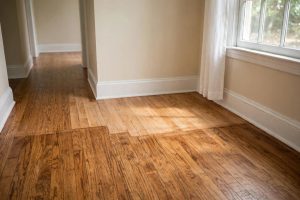
How to Fix Squeaky Hardwood Floors USA: A Complete Guide
April 7, 2026 0 views