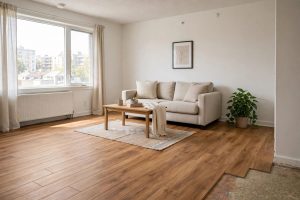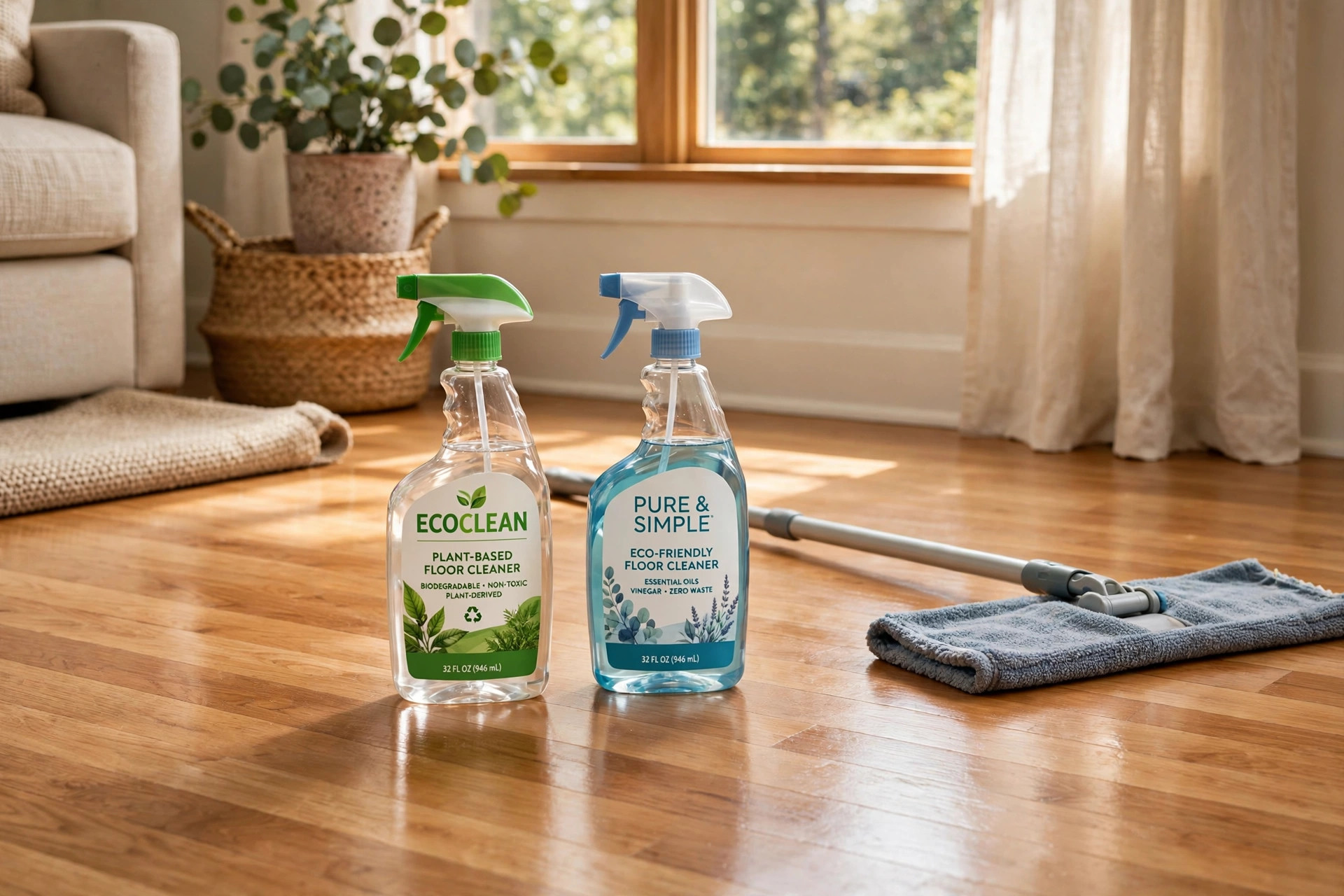

A dog comes in from the yard. Paws are wet. Mud spots follow it down the hall. A cat knocks over a water bowl near the couch. These small moments happen in every home with pets. The search for the best hardwood floor cleaner for pets usa starts right there, in the daily wear of family life. Hardwood floors are warm and fine to look at, but they ask for gentle care. Pets add a new layer of need. Their noses are low to the ground. Their paws rest on the floor for hours. A cleaner that is safe for people may not be safe for them. This guide walks through what matters, what to look for, and how to pick the right product for your home.
Why Pet-Safe Floor Cleaners Matter
Hardwood floors take a beating in pet homes. Dogs track in dirt and grit. Cats drag litter across the boards. Nails click and scrape as animals run to the door. Over time, the finish dulls. Small scratches pile up. Stains set in if spills sit too long. A good cleaner does more than lift dirt. It protects the finish and keeps the wood from drying out.
Regular house cleaners are not always fit for the job. Many use strong agents that cut grease fast but leave residue behind. That film dulls the wood and can trap dirt. Some add heavy scent that lingers in the air. Pets breathe closer to the floor than we do. A cat may rest its chin on a fresh spot. A dog may lick a paw after walking over it. When you look for the best hardwood floor cleaner for pets usa, the first test is simple: will it harm an animal that walks, sleeps, and plays on that floor all day.
What to Look for in a Pet-Safe Hardwood Cleaner: Best Hardwood Floor Cleaner for Pets Usa
Check the Label for Pet Safety
Read the back of the bottle before you buy. Look for clear words about use around pets. A trusted maker will state it plainly. Vague claims like “natural” mean little on their own. The list of parts should be short and plain. When in doubt, pick the simpler formula.
pH-Neutral Formulas
Wood floors like a calm, even clean. Harsh cleaners with high acid or strong base can strip the top coat. A pH-neutral cleaner lifts soil without eating into the finish. This keeps the shine and helps the floor last for years. Makers of wood floors often print care rules on their sites. The guides at LL Flooring and Shaw Floors explain which cleaner types work with sealed wood and which do not.
No Waxy Buildup
Some cleaners leave a layer that makes floors look wet and shiny at first. That layer catches dust fast. It can turn dull and gray within weeks. With pets, the buildup shows paw prints even more. A no-rinse, no-wax formula is the safer pick. The floor should dry clean and feel smooth underfoot.
Low Scent or No Scent
Dogs and cats smell the world far better than people. A strong pine or lemon scent can stress an animal. It can also make a cat avoid a room. Low-scent or scent-free cleaners are kinder. They leave the house smelling clean without the cloud of perfume.
Residue-Free Rinse
A cleaner that rinses clean leaves nothing for pets to pick up on their paws. Look for words like “no residue” on the label. Home improvement guides at The Spruce and Bob Vila often rate cleaners on how cleanly they rinse and how the floor looks after drying.
Types of Pet-Friendly Hardwood Cleaners
Ready-to-Use Spray Cleaners
Spray bottles are the workhorse of the pet home. You spot-clean a muddy trail or a spilled bowl in seconds. No bucket needed. No measuring. These are best for quick daily touch-ups between deeper cleans.
Concentrated Refills
Concentrates mix with water in a bucket or a spray bottle. They cost less per use. They cut down on plastic waste. Many pet owners keep one concentrate for the whole house. Follow the mix ratio on the label. Too much soap leaves film, even with a gentle product.
Cleaner and Polish Combinations
Some products clean and add shine in one step. These can suit floors with light wear. Be careful with layers. Overuse builds up, and pets’ claws can streak the polish. Use these once in a while, not for every clean.
Enzyme Cleaners for Pet Accidents
When a pet has an accident, a plain wood cleaner may not be enough. Enzyme cleaners break down the stuff that causes smell. Pick one that says it is safe for sealed hardwood. Test it in a corner first. Enzymes are good at their job, and on old or weak finishes they can act strong.
Steam Mops and Water-Only Tools
Some owners lean on steam or plain water for weekly cleans. Heat lifts dirt with no soap at all. But steam can harm wood if the finish is worn. Read your floor maker’s rules first. Our guide on steam mops for hardwood floors covers when steam is safe and when it is not.
How to Choose the Right One for Your Home
Know Your Finish
Most hardwood floors in American homes are sealed with polyurethane. Some older floors use oil or wax. Each finish asks for a different care. Water-based polyurethane is tough but hates soaking. Oil finishes can dry out under strong soap. Check with your floor maker or installer if you are unsure. When the finish is right, the cleaner can be gentle and still do the job.
Match the Cleaner to the Pet
Big dogs bring in more dirt. Long-haired dogs bring in more hair. Cats bring litter and the odd hairball. A house with two large dogs needs a stronger daily routine than a house with one cat. If accidents are common, keep an enzyme product on hand as well as your main cleaner.
Size of the Home
A small flat needs only a spray bottle. A large house with wood in every room calls for a mop and a concentrate. Think about how much floor you clean and how often. Buying the right size saves money and trips to the store.
Test a Hidden Spot First
Every floor ages in its own way. Before a full clean, test the product under a rug or in a closet. Let it dry. Check the shine. If all is well, go ahead with the rest of the room.
Cost and Price of Pet-Safe Wood Cleaners
Prices for the best hardwood floor cleaner for pets usa vary by type and brand. Most ready-to-use sprays sell for 8 to 15 dollars per bottle. Concentrates run 12 to 25 dollars, but each bottle makes many gallons. Enzyme cleaners for accidents cost 10 to 20 dollars. A quality microfiber mop adds 20 to 40 dollars and lasts for years.
Shop across stores to compare. Home Depot and Lowe’s carry wide ranges and often show user reviews. Over a year, a pet home may use 50 to 100 dollars in cleaner. That is small next to the cost of refinishing a floor, which can run thousands. A steady cleaning habit is cheap insurance.
Care and Upkeep for Floors in Pet Homes
Daily Habits
A quick dry sweep or dust mop each day keeps grit from grinding into the finish. Place mats at doors where pets come in. Wipe paws with a damp cloth after walks. These small steps cut most of the wear.
Weekly Mopping
Mop with a damp, not wet, microfiber pad once a week. Wring the pad well. Too much water is the enemy of wood. It seeps into seams and boards. Work in small sections and let each dry before you move on.
Trim Nails and Groom Coats
Short nails scratch less. Regular brushing cuts the loose hair that blows across floors. Both habits ease the load on your cleaner.
Use Rugs in Busy Spots
Rugs take the hit in halls and by doors. An 8×10 area rug under 200 dollars can guard the busiest room of the house. Washable rugs are best with pets. They catch dirt and come clean in the wash.
Deep Clean Each Season
Four times a year, move the furniture and clean the whole floor edge to edge. Look for worn spots in the finish. Catch them early. A floor that is kept clean and sealed will hold its looks for decades.
Safety Tips for Pets and Floors
Keep pets out of the room while the floor is wet. Let it dry fully before they walk on it. This takes ten to twenty minutes with most modern cleaners. Store bottles up high or in a locked cabinet. Even a gentle cleaner is not meant to be drunk. Rinse the mop head well after each use so old soap does not build up.
Watch how your pet acts after a clean. If a dog sneezes or a cat avoids the room, switch to a scent-free option. Air the room with a window open while you mop. Fresh air helps the floor dry fast and keeps smells low. Government health guidance at EPA offers plain advice on keeping indoor air safe when using cleaning products around the home.
Common Mistakes to Avoid
Many owners use too much water. A soaking mop leaves puddles in the seams. Over time, boards swell and lift. Others mop with the same dirty pad room after room. The pad just spreads soil around. Rinse or swap pads as you go.
Another mistake is using vinegar on every floor. Vinegar is mild, but on some finishes it can dull the coat with repeat use. Floor care experts at This Old House warn against one-size-fits-all home mixes. A made-for-wood cleaner is the safer bet.
Do not mix products. A cleaner plus bleach or ammonia is a bad mix for wood and for lungs. Use one product at a time. Rinse well between different products if you switch.
Storing and Using Cleaners Around Pets
Store all cleaners in a closed cabinet. Dogs can chew bottles. Cats can knock them off low shelves. Keep the caps tight. Pour only what you need. Wipe up drips from the bottle neck so nothing sits where a pet can reach.
When you mop, work away from the pet’s bed and bowls. Move the bowls to a dry spot while the floor dries. Check that the mop water is out of reach. A bucket of soapy water draws curious animals. Keep the room door closed until the floor is dry.
When to Call a Professional
Some jobs are too big for a bottle. Deep scratches that break through the finish need more than soap. Water stains that turn boards dark may need sanding. If the floor feels rough all over, the finish may be worn through. A floor pro can screen and recoat the floor, often in a day. The cost is far less than a full sand and refinish. For garage and shop floors, see our notes on garage floor mats for winter to protect high-wear zones.
FAQ
Is a pet-safe wood floor cleaner really needed?
Yes. Pets live close to the floor. They walk, sleep, and sometimes lick it. A cleaner made with pets in mind cuts risk. It is a small cost for real peace of mind.
Can I use a regular all-purpose cleaner on hardwood?
Not a good idea. All-purpose cleaners are often too strong for wood finishes. They can leave film and dull the shine. Use a product made for hardwood floors.
How often should I mop hardwood floors with pets?
Damp mop once a week in most pet homes. Spot-clean spills and muddy trails right away. Homes with several large dogs may need mopping twice a week.
Are spray mops safe for hardwood?
Spray mops made for wood floors are fine when used as directed. Use a light mist, not a soaking spray. Keep the pad clean. Change or rinse pads often.
What if my pet licks the wet floor?
Move the pet out of the room until the floor dries. Most pet-safe cleaners are made for this risk, but no cleaner should be eaten or drunk. If your pet drinks from a spill, call your vet.
Does a pet-safe cleaner cost more?
A little, but not much. Pet-safe sprays run a few dollars more than harsh store brands. Concentrates often cost less per use. The price gap is small next to floor repair costs.
A Short Final Word
The best hardwood floor cleaner for pets usa is not one magic bottle. It is the right match of a gentle cleaner, good daily habits, and a little care for the finish. Sweep often. Mop with a light hand. Keep nails short and paws clean. Pick a cleaner that is kind to both the wood and the animals who live on it. Do that, and your floors will look good for years, and your pets will walk on safe ground every day. For more cleaning and home care ideas, visit Good Housekeeping and Family Handyman for tested tips.
References
Bob Vila. (n.d.). Home improvement advice. https://www.bobvila.com Family Handyman. (n.d.). DIY home repair and maintenance. https://www.familyhandyman.com Good Housekeeping. (n.d.). Product reviews and home advice. https://www.goodhousekeeping.com LL Flooring. (n.d.). Hardwood, vinyl, and tile flooring. https://www.llflooring.com Lowe’s. (n.d.). Home improvement products. https://www.lowes.com Shaw Floors. (n.d.). Flooring products. https://www.shawfloors.com The Home Depot. (n.d.). Home improvement products. https://www.homedepot.com The Spruce. (n.d.). Home and garden advice. https://www.thespruce.com This Old House. (n.d.). Home renovation guidance. https://www.thisoldhouse.com U.S. Environmental Protection Agency. (n.d.). Protecting human health and the environment. https://www.epa.gov
Was this guide helpful?

About Sarah Mitchell
The My Garden US editorial team writes practical, in-depth home and garden guides for American homeowners — tested advice, no fluff.
You May Also Like
Cool Deck Coating for Pool Area Reviews: What Buyers Say About Heat, Grip, and Durability
January 12, 2026 0 views
Electric Radiant Floor Heat for Tile Reviews: A Plain Guide
July 20, 2026 0 views
Pool Deck Resurfacing Options and Costs in the USA
June 9, 2026 0 views