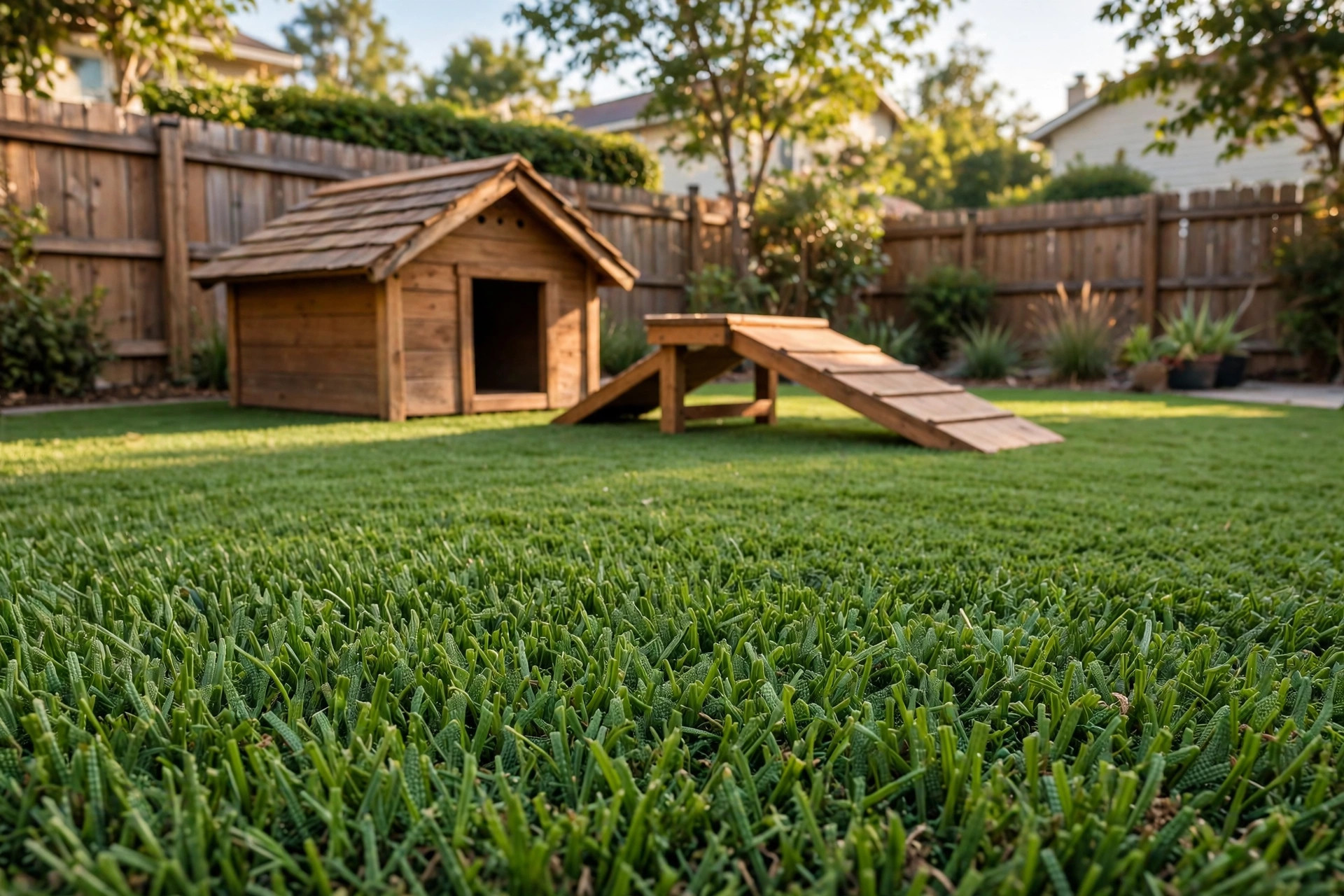
Many dog owners across America ask the same question. Is artificial grass good for dogs. The honest answer is not simple. There are real benefits and real problems. This guide walks through the artificial grass for dogs pros cons in plain words. You will learn what to look for, what it costs, how to keep it clean, and when real grass is still the better choice. By the end you can decide with clear eyes.
Why It Matters
Dogs use the yard every day. They run, play, dig, and do their business on it. A tired lawn owner faces dead spots, mud tracks, and brown patches from urine. For some families the dream is simple. A green yard that stays green. No mowing. No watering. No muddy paws on the kitchen floor.
Artificial grass promises that dream. But dogs are not light furniture. They scratch, chew, and scratch again. They lie in the hot sun. They pee in the same corner every morning. So the question is not only whether the turf looks nice. The question is whether it is safe, clean, and fair to the dog. That is why honest artificial grass for dogs pros cons matter more than sales talk.
The Pros: What Works Well: Artificial Grass for Dogs Pros Cons
Let us start with the good news. There are real reasons why dog owners choose fake grass.
No mowing and less watering. The turf stays the same green color all year. You do not need a mower, gas, or oil. Many owners report lower water bills. This is one of the strongest points in the artificial grass for dogs pros cons debate.
No mud and fewer weeds. Rain runs through the turf into the ground below. Dogs come back inside with clean paws. Weeds have a hard time growing through the backing.
No brown spots from urine. Real grass dies when dogs urinate on the same spot. Artificial grass does not turn brown. This alone wins many dog owners over.
No lawn chemicals. With real grass many people use weed killers and bug sprays. Some of those products are unsafe for pets. With turf you can skip them. For more ideas on safe yard care, see pet safe lawn weed killer reviews.
Soft and even surface. Good turf with the right base gives a flat area for play. Old dogs with stiff joints may like a level surface with no holes.
All-year use. The yard is usable in winter slush and summer dry spells. No dead season.
A real rival remains. Seed breeders keep making tougher real grass for dog yards. Companies like Pennington and Scotts sell blends built for heavy traffic and urine spots, so a living lawn is still a fair rival to turf for owners who do not mind the upkeep.
The Cons: What Can Go Wrong
Now the other side. These points are just as real.
It gets hot. This is the biggest complaint. On a hot summer day artificial grass can burn bare feet. Dogs feel this too. Dogs cannot sweat like people. Heat can make them sick. In warm states the turf can be far hotter than real grass. Shade and cooling sprays help, but they do not remove the problem.
Urine smell builds up. Dog urine drains through, but over time the smell can stay in the turf fibers and the base below. Many owners must rinse the yard often and use special cleaners. A yard that looked clean can smell bad on a warm evening.
High cost up front. Quality pet turf costs many dollars per square foot once you count the base, the labor, and the edging. A large yard can cost as much as a used car. Real grass seed costs far less to start.
It wears out. Dogs dig and chew. Claws scratch. Heavy play wears the fibers down. Most pet turf lasts eight to fifteen years. Then it must be replaced. Real grass renews itself for free.
Not natural under the paws. Some dogs dislike the feel at first. Young puppies may try to eat the edges or pull at seams. Swallowed pieces can harm a dog.
Heat and smell need work. This point bears repeating because it surprises people. The smell problem is the most common reason owners regret the choice.
What to Look For When You Buy
Not all turf is the same. Pet turf is made for dogs. Regular landscape turf is made for looks. Always buy turf made for pets when you have dogs.
Drainage rate. This is the most important number. Good pet turf drains many inches of water per hour. Poor turf drains slowly. Slow drainage means standing water and smell. Ask the seller for the drainage rate in writing.
Blade height and density. Short blades are easier to clean. Taller blades look more natural but trap more waste. For dogs, a medium blade with strong backing works well.
Backing material. The backing holds the blades. For pets you want a backing that lets liquid pass fast and does not trap it. Some products use a fully porous backing. Ask about this.
Heat resistance. Dark turf runs hotter. Lighter greens stay a bit cooler. Some brands add cooling technology. In hot climates, talk to local owners before you buy.
Non toxic materials. The turf should be free of lead and heavy metals. Ask for safety test reports. A good seller will show them.
Infill choice. Infill is the loose material brushed between blades. Some infills hold smell. Some stay cooler. For dogs, ask for pet safe infill and skip crumb rubber if you have worries about chemicals.
Types and Options
There are three main ways to get turf for a dog yard.
Full yard install. A crew removes the old grass, builds a crushed stone base, lays the turf, and finishes the edges. This is the most common choice. It looks best and drains best.
Partial area or dog run. Some owners turf only the dog run or one corner of the yard. This saves money and keeps real grass for the rest. It is a smart middle road.
Turf tiles or mats. These are small squares you lay yourself. They work for patios and small spaces. They do not drain as well as a full install.
There is also a middle path many owners forget. You can keep real grass but change how you care for it. Pet safe lawn care can keep a real yard green and safe for dogs. If full turf is too costly, this is worth a look. You can compare options with natural mosquito yard treatment safe pets for chemical free ideas.
Cost and Price
Cost is a major part of the artificial grass for dogs pros cons. Prices vary by state and yard size.
Materials. Quality pet turf runs about five to twelve dollars per square foot for the roll alone. Cheap turf costs less but often drains poorly and wears fast.
Base and labor. A crew must dig out old grass, haul in crushed rock, level it, and pack it down. This is skilled work. Labor and base materials often add four to eight dollars per square foot.
Total installed. Most full installs land between eight and twenty dollars per square foot. A five hundred square foot dog run may cost four thousand to ten thousand dollars. A full backyard can run far higher.
Ongoing costs. Turf still needs care. You will buy a hose sprayer, pet safe cleaner, and maybe a leaf blower. Some owners pay for yearly deep cleaning.
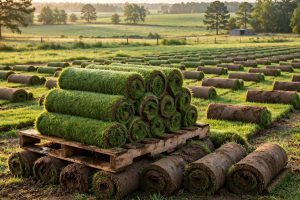
Compare with real grass. New sod may cost one to two dollars per square foot. Seed is cheaper still. But real grass needs water, fertilizer, mowing, and time. Over ten years the gap narrows. Testing groups such as Consumer Reports advise comparing total cost of ownership, not just day-one price. Big stores like The Home Depot stock both turf rolls and natural lawn supplies, which makes side-by-side shopping easy. Do the math for your own yard before you sign.
Care and Upkeep
Turf is low care, not no care. Dog owners must keep a routine.
Pick up solid waste daily. This is the first rule. Left waste breaks down into the turf and feeds smell.
Rinse often. Hose down the pee spots every few days. In summer, rinse more. Water carries urine through the base before it builds up.
Use pet safe cleaners. Enzyme cleaners made for pet turf break down urine. Avoid harsh bleach. It can harm the turf color and the dogs.
Brush the fibers. A stiff broom or power brush lifts flat blades. This keeps the turf looking full and stops matting where dogs run the same path.
Check the seams and edges. Dogs pull at loose edges. Check them each month and repair small lifts before they grow.
Control weeds and pests. Weeds can still grow at the edges. Grubs and bugs can still live in the base soil. If pests show up, choose dog safe methods. See grub killer for lawns safe for dogs for options that keep pets safe.
Watch the heat. On very hot days, keep dogs off the turf during peak sun or cool the surface with water first. This is part of the routine in warm states.
Garden writers at The Spruce suggest a simple seasonal calendar for turf care, much like the ones lawn pros publish on LawnStarter. A written routine is what keeps the yard fresh year after year.
Safety for Dogs
Safety comes before looks. Walk through these points.
Heat burns. Paw pads can burn on hot turf. Test with your own bare hand. If it is too hot for you, it is too hot for the dog. Limit midday play in summer.
Chemicals and infill. Make sure every part of the system is labeled pet safe. Keep the product papers. If a dog chews pieces of turf, call your vet.
Digging and chewing. Some dogs try to dig through the turf. A strong base and tight seams help. Train young dogs early to leave the turf alone.
Bacteria. Warm, damp turf can grow germs. Regular rinsing and enzyme cleaner keep the surface fresh. This is hygiene, not fear. A little routine goes far.
Older dogs and heat. Senior dogs and flat faced breeds overheat fast. For them, turf in full sun may be a poor choice. Shade trees or a shaded rest area help a lot.
If you want trusted background on yard equipment and lawn care machines, the makers publish plain guides. Toro offers lawn care resources for homeowners. Deere shares yard upkeep guides. Briggs and Stratton covers small engine care for mowers you may still keep for the front yard.
Frequently Asked Questions
Does artificial grass smell with dogs? It can. Urine smell builds up if the turf is not rinsed often. Good drainage, enzyme cleaner, and regular hosing keep it under control. Poor drainage makes it worse.
Will dog urine ruin artificial grass? Urine will not turn it brown like real grass. But it can stain some turf and leave odor in the base. Rinse pee spots with water on a regular schedule.
Is artificial grass safe for puppies? Most quality pet turf is safe once installed. The risk is chewing. Puppies may pull at edges and swallow pieces. Watch young dogs and train them early.
How long does pet turf last with dogs? Eight to fifteen years is common. Heavy dogs, rough play, and hot sun shorten the life. Cheaper turf wears out faster.
Can I install artificial grass myself for dogs? Small areas, yes. Full yards need proper base work for drainage. Poor drainage is the main cause of smell problems. Many owners hire a crew for this reason.
Does artificial grass get too hot for dogs? Yes, it can. On hot days the surface can burn paws. Choose lighter colors, add shade, and keep dogs off it during peak heat. Always test with your hand first.
A Final Word
The artificial grass for dogs pros cons come down to your yard, your climate, and your dogs. Turf gives you a clean green yard with no mowing and no mud. It costs a lot up front, needs regular rinsing, and runs hot in summer. For some families it is the right call. For others, a well kept real lawn with pet safe care is better and cheaper. Walk your yard, talk to local owners, and choose with both the pros and the cons in mind.
References
Briggs & Stratton. (n.d.). Small engines and outdoor power equipment. https://www.briggsandstratton.com Consumer Reports. (n.d.). Product reviews and ratings. https://www.consumerreports.org Deere. (n.d.). Lawn care and yard equipment. https://www.deere.com LawnStarter. (n.d.). Lawn care guides and local services. https://www.lawnstarter.com Pennington. (n.d.). Grass seed and lawn care. https://www.pennington.com Scotts. (n.d.). Lawn seed and lawn care products. https://www.scotts.com The Home Depot. (n.d.). Home improvement products. https://www.homedepot.com The Spruce. (n.d.). Home and garden how-to guides. https://www.thespruce.com Toro. (n.d.). Lawn care products and resources. https://www.toro.com
Was this guide helpful?

About Michael Thompson
The My Garden US editorial team writes practical, in-depth home and garden guides for American homeowners — tested advice, no fluff.