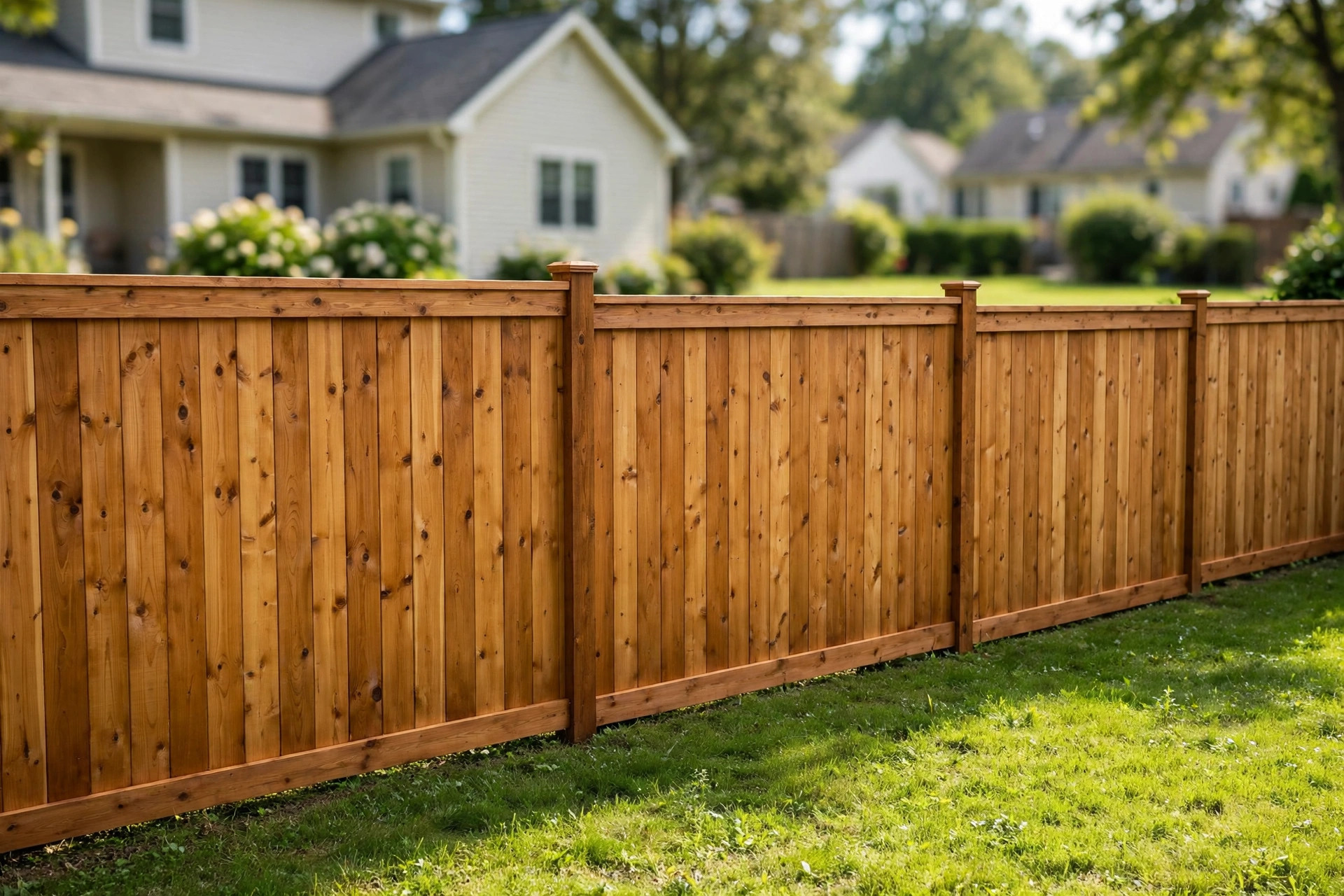

A cedar fence is one of the nicest parts of an American yard. The wood smells sweet when it is fresh. The grain has a warm red-brown color. But sun and rain wear it down fast. If you want the best exterior stain for cedar fence usa homeowners trust, you must know what to buy and how to use it. A plain coat of stain can add years to the life of your fence. It also keeps the yard looking neat and cared for. This guide explains the types of stain, what to look for, what it costs, and how to keep the finish in good shape. The language is simple. The advice is practical. By the end, you will know exactly which stain suits your fence and your budget.
Why Staining Your Cedar Fence Matters
Cedar is a strong wood. It fights rot and insects better than pine. Yet it is not immune to the weather. The sun bleaches the surface. The boards turn a dull gray in one or two summers. Rain soaks into the wood and makes it swell. Then heat dries it out and the boards crack. Over time the fence looks tired. The posts weaken. The whole structure lasts fewer years.
Stain stops this slow damage. It soaks into the wood and blocks water. It has pigments that screen out the rays of the sun. It slows the graying process. A stained fence keeps its color far longer than a bare fence. The boards stay straight. The joints hold firm. Most fence builders say a stained cedar fence can last five to ten years longer than one that is left bare.
Looks matter too. A stained fence raises the look of the whole property. Neighbors notice a clean, even fence. Buyers notice it when you sell a house. A fence that looks new gives the yard a cared-for feel. The cost of one coat of stain is small next to the price of a new fence. That is why staining is one of the smartest small jobs a homeowner can do.
How to Choose the Right Stain: Best Exterior Stain for Cedar Fence Usa
Walk into any home store and you will see a long wall of stain cans. The choice can feel hard. It gets easy when you know what matters. Three things decide the right stain: the base, the finish level, and the color.
Oil-Based or Water-Based
Oil-based stains sink deep into cedar. They give rich color and long life. They take a day or more to dry. They need mineral spirits for cleanup. Many old hands still prefer them for rough fence boards.
Water-based stains dry in a few hours. They clean up with soap and water. They hold their color well and crack less over time. They do not sink as deep as oil, but modern formulas are close. For most homeowners, water-based stain is the easy pick. It is also kinder to the air and to nearby plants.
Pick the Right Finish Level
Finish level means how much of the wood grain shows through. It ranges from clear to solid. Clear coats show all the grain but give the least sun protection. Solid stains hide the grain like paint but give the strongest shield. Semi-transparent stains sit in the middle. They show the grain and still block much of the sun. Most fence owners choose semi-transparent or semi-solid stain. It gives the best mix of looks and life.
Color and Tone
Cedar stain comes in many shades. Natural and honey tones keep the classic cedar look. Redwood tones add warmth. Dark walnut and espresso shades look modern. Pick a color that fits your house and yard. Test the stain on a scrap board or a hidden post first. Wet stain looks darker than dry stain. Let the test spot dry a full day before you judge it.
The wood stain lines from Sherwin-Williams show how wide the color range is, and the exterior stain guides from Benjamin Moore explain how tone changes the feel of a yard. If you want ideas for color on other wood outside your home, see our guide to cedar siding stain colors for usa homes.
Types of Exterior Wood Stain
Four main types of stain fit cedar fences. Each has its place. The best one for you depends on the age of your fence and the look you want.
Transparent and Clear Stain
Clear stain has little or no color. It shows the full beauty of new cedar. It lets the red-brown grain shine. But it gives the least block against the sun. Use it only on new fences in mild climates. Expect to recoat every year. It is the cheapest option but the most work over time.
Semi-Transparent Stain
This is the top pick for most cedar fences. It adds a light wash of color. The grain still shows through. It blocks a good share of sun rays. It lasts two to three years on a fence. It is easy to apply with a sprayer or brush. Homeowners who want the classic cedar look almost always choose this type.
Semi-Solid Stain
Semi-solid stain hides most of the grain. It leaves a hint of wood texture. It gives strong sun protection and lasts three to four years. It suits older fences that have grayed or have small flaws. It evens out the color across old and new boards. If your fence looks patchy, this type can make it look new again.
Solid Stain
Solid stain looks like thin paint. It hides the grain fully. It gives the strongest shield and can last four to five years or more. It suits very old fences or fences with mixed boards. The trade-off is the look. You lose the natural cedar grain. Pick it when protection matters more than the wood look.
The stain options from Behr cover all four types in wide color lines. For tips on picking between them, the fence and deck stain advice from Bob Vila is a solid starting point. Design sites like HGTV also show how different finishes change the mood of a backyard.
Cost and Price of Staining a Cedar Fence
A gallon of good exterior wood stain costs between 35 and 60 dollars in most American stores. One gallon covers about 150 to 300 square feet of fence, depending on the wood and the stain type. Rough cedar drinks more stain than smooth boards. Solid stain covers less area per gallon than transparent stain.
A standard backyard fence of 150 linear feet and six feet high has about 1,800 square feet of surface if you stain both sides. You may need six to ten gallons. That puts the material cost between 210 and 600 dollars. Add brushes, rollers, or a sprayer rental for 50 to 150 dollars more. Drop cloths and tape add a small sum.
Many homeowners hire the job out. A pro crew charges by the linear foot or by the square foot. For a clear view of local rates, read our guide to fence staining service near me prices. If you have a deck that needs work too, our deck staining cost calculator near me can help you plan both jobs at once.
Do-it-yourself work saves real money. A fence that costs 1,500 dollars to stain by a pro may cost 400 dollars in materials if you do it yourself. The job takes a full weekend for most yards. The work is simple but physical. You must wash the fence, let it dry, then apply two thin coats. Plan the job for a dry stretch with mild temperatures.
The big home stores carry full stain aisles. Home Depot and Lowe’s both stock many brands and sell the sprayers, brushes, and cleaners you need in one trip. Buying all supplies in one place keeps the project simple.
Care and Upkeep After Staining
A stained fence needs light care to stay in good shape. Wash it once a year with a garden hose and a soft brush. Mix a little mild soap in a bucket of water. Work from the top down. Rinse well. This washes off dirt, pollen, and mildew before they eat into the finish.
Check the fence each spring. Look for gray spots, peeling, or bare wood. Touch up small worn spots with a brush. Full recoating is needed every two to five years, depending on the stain type and your climate. Fences in hot sunny states fade faster. Fences in rainy states need checks for mildew.
Trim bushes and grass away from the fence base. Plants that touch the wood hold moisture against it. Keep sprinklers from hitting the fence daily. Standing water at the base rots posts fast. A few inches of clear space along the bottom lets air move and keeps the wood dry.
Never use a strong pressure washer on a stained fence. High pressure strips the stain and roughs up the wood fibers. If you must pressure wash, use the lowest setting and hold the tip far back. A soft wash is safer and works just as well.
For step-by-step upkeep plans, the outdoor project guides from This Old House lay out seasonal care in plain terms. The cleaning and care tips from The Spruce also cover mildew and grime on wood fences.
Safety Tips for Staining a Fence
Stain is safe when you use it with care. Work on a calm day with no strong wind. Wind blows stain onto plants, cars, and siding. Wear old clothes, gloves, and safety glasses. A simple dust mask keeps fumes out of your lungs, mainly with oil-based products.
Keep children and pets away from the work area. Wet stain is toxic if licked or touched. Let the fence dry fully before you let dogs back into the yard. Read the dry time on the can and add a few hours in humid weather.
Ladders are the main danger. Most fences are six feet high, so you may need a short ladder for the top rail. Set the ladder on flat ground. Never lean past your belt past the rails. Move the ladder often instead of reaching far.
Store leftover stain in a cool, dry place with the lid shut tight. Keep cans away from heat and flame. Oil-soaked rags can catch fire on their own. Spread used rags flat outside to dry, then throw them away. Never bunch oily rags in a pile.
Cover plants near the fence with plastic sheets. Stain drops can burn leaves. Move patio furniture out of the way. Tape off concrete and stone where you do not want color.
Frequently Asked Questions
How long should I wait to stain a new cedar fence?
Wait at least four to six weeks after the fence is built. Fresh cedar has natural oils and moisture that stop stain from soaking in. Some builders say wait a full season. A simple test works: sprinkle water on the wood. If it soaks in fast, the wood is ready. If it beads up, wait longer.
Can I stain over old stain?
Yes, in most cases. Clean the fence well first. If the old stain is peeling, scrape and sand the loose spots. Use the same type of stain or move to a more solid type. Going from solid back to transparent rarely works. When in doubt, test a small area and check the bond after a week.
What is the best time of year to stain a fence?
Spring and fall are best in most of the USA. The air should be between 50 and 85 degrees. Avoid direct hot sun, which dries stain too fast and leaves marks. Avoid rain for at least 24 hours after the job. Check the forecast for two dry days in a row before you start.
How many coats of stain does a cedar fence need?
Two thin coats are the rule for most stains. The first coat soaks in. The second coat builds color and protection. Let the first coat dry as the can directs. Do not lay it on thick. Thick coats peel and crack. Thin, even coats last longer and look better.
Will stain stop my cedar fence from turning gray?
Stain slows graying a great deal but does not stop it forever. Pigments in the stain block the sun rays that bleach wood. Semi-transparent and solid stains protect best. Clear coats protect least. When the color starts to fade, plan a recoat. That is normal upkeep, not a failure of the product.
A Final Word
A cedar fence is an investment. Stain is the cheap shield that guards it. Pick a semi-transparent or semi-solid stain from a trusted brand. Prep the wood well. Apply two thin coats in mild weather. Keep up with yearly washing and touch-ups. Do these simple things and your fence will stand straight and look rich for many years. The best exterior stain for cedar fence usa shoppers choose is the one that fits their climate, their fence age, and their taste. With this guide in hand, that choice is now an easy one.
References
Behr. (n.d.). Paints, primers, and stains. https://www.behr.com Benjamin Moore. (n.d.). Paints and stains. https://www.benjaminmoore.com Bob Vila. (n.d.). Home improvement advice. https://www.bobvila.com HGTV. (n.d.). Home and garden ideas. https://www.hgtv.com Lowe’s. (n.d.). Home improvement products. https://www.lowes.com Sherwin-Williams. (n.d.). Paints and coatings. https://www.sherwin-williams.com The Home Depot. (n.d.). Home improvement products. https://www.homedepot.com The Spruce. (n.d.). Home and garden advice. https://www.thespruce.com This Old House. (n.d.). Home renovation guidance. https://www.thisoldhouse.com
Was this guide helpful?

About Jennifer Lee
The My Garden US editorial team writes practical, in-depth home and garden guides for American homeowners — tested advice, no fluff.
You May Also Like

Mural Wallpaper for Living Room: A Guide to Buying the Right One
January 19, 2026 0 views
Painting Stucco House Cost in Arizona: A Full 2026 Guide
February 17, 2026 0 views
Sliding Barn Door Paint Ideas USA Homeowners Use for a Fresh Farmhouse Look
January 22, 2026 0 views