
When you look for sliding barn door paint ideas USA homeowners actually use, you find more than a list of colors. You find a way to make a plain door into the center of the room. A sliding barn door is large, flat, and hard to miss. The color you choose will set the tone for the space around it. Many people in the United States have added these doors to save floor space and to bring a farmhouse feel into modern homes. Paint is the cheapest way to give that door a finished, personal look. With the right ideas and a steady hand, you can paint a barn door that looks as if a carpenter built it just for you.
Why Sliding Barn Door Paint Ideas Matter
A sliding barn door takes up a large wall area when open. It also blocks the doorway when closed. In both cases, your eyes land on it. A dull or worn door can drag down a whole room. A fresh coat of paint can do the opposite.
Paint also guards the wood. Barn doors are often made of pine or reclaimed lumber. Raw wood dries out, takes on stains, and can warp with changes in humidity. A coat of primer and two coats of paint seal the surface. The door lasts longer and wipes clean with a damp cloth. For families with children or pets, that easy cleanup matters.
Another reason paint matters is choice. Wood stain gives you shades of brown. Paint gives you thousands of colors. You can match the door to your walls, set it off from them, or use it as the one bold piece in a quiet room. The many sliding barn door paint ideas USA homeowners share online show just how far a little paint can go.
How to Choose a Color for Your Barn Door: Sliding Barn Door Paint Ideas Usa
The best color is the one that fits your room and your light. Rooms with big windows show true color. Rooms that face north can make paint look darker and cooler. Rooms with warm lamps can push paint toward yellow.
Match the Room, Not Just the Door
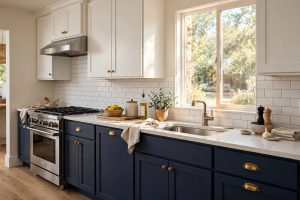
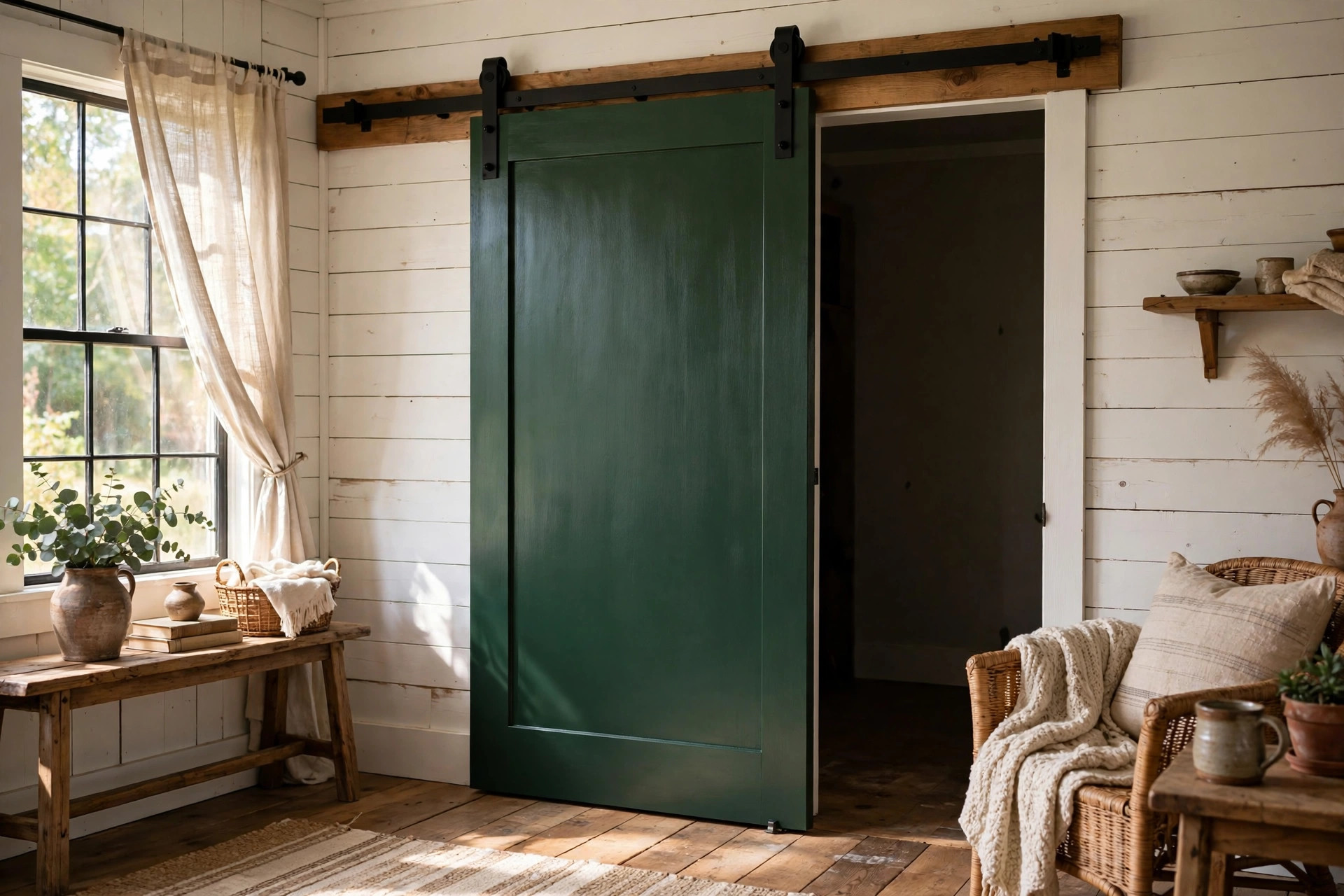
Start with what the room already has. Look at your floors, trim, and furniture. If your walls are light, a dark door can stand out in a good way. Deep navy, forest green, or charcoal gray give a strong contrast. If your walls are dark, a soft white or cream door can lighten the doorway.
One popular move is to paint the door the same color as the trim. This makes the door feel built in, like part of the house itself. Another move is to pick up an accent color from the room. If you have blue pillows or a green rug, a door in the same family of color ties the room together.
Before you buy a full gallon, buy small test cans. Paint large test boards and lean them against the wall by the door. Look at them in morning light, noon light, and lamplight. Color on a wall changes through the day, and a big sliding door will show every shift.
Colors That Work in American Homes
White and off-white are the most common choices, and they fit almost any style. They keep a small room bright. Black doors are bold and modern. They work well in kitchens and dining rooms. Gray is a safe middle choice. Warm grays suit farmhouse rooms, while cool grays suit modern rooms.
Some homeowners use chalky blue or sage green for a soft country feel. Others use barn red for a true farm look. Deep green doors look at home in offices and dens. If you want advice on dark tones for other rooms, these dark paint colors can guide your choice across the house.
Types of Paint and Finishes for Barn Doors
Paint choice is about more than color. The type of paint and the sheen change how the door looks and how long the paint lasts.
Paint Types
Latex paint is the most common choice for barn doors. It cleans up with water, dries fast, and has little odor. Modern latex paint is strong and resists scuffs well. Oil-based paint is harder and levels smooth, but it takes long to dry and needs mineral spirits for cleanup. Many painters now use latex for whole projects like this one.
Chalk paint and milk paint are also popular for barn doors. They give a soft, matte look that fits the farmhouse style. They often need a wax or a clear topcoat to hold up to daily use. If you want a smooth factory look, a paint made for doors and trim works best.
Sheen Choices
Flat paint hides flaws in the wood but is hard to clean. It marks up fast on a door that people touch. Eggshell and satin are the sweet spot for most barn doors. They have a soft glow, clean well, and hide small flaws better than gloss. Semi-gloss is the toughest and easiest to wipe down, but it shows every brush mark and wood defect. If your door is smooth and new, semi-gloss can look sharp. If the door is rough or old, satin is kinder.
The paint experts at Sherwin-Williams note that doors and trim need hard-wearing paint, and the brand’s guides for interior doors are a good place to start. For those who want wide color charts to browse, Behr and Benjamin Moore both offer large selections with tools that let you preview colors in a room.
How to Prepare and Paint a Sliding Barn Door
Good prep is what separates a door that looks new for years from one that chips in a few months. Most of the work happens before the paint can opens.
What You Need
Gather painter’s tape, drop cloths, a screwdriver, a sanding sponge or sandpaper, a tack cloth, primer, paint, brushes, and a small roller. A two-inch angled brush works well for the edges and grooves. A four-inch foam roller gives a smooth finish on flat boards.
A Step-by-Step Method
First, take the door off its track if you can. It is much easier to paint a door flat on sawhorses. If you must paint it in place, protect the floor and tape the hardware. Next, clean the door with a damp cloth and let it dry. Sand the whole surface with medium-grit sandpaper, then fine-grit, to give the paint a grip. Wipe off the dust with a tack cloth.
Apply a coat of primer. Primer helps the paint stick and stops old stains from showing through. Let it dry as the can directs. Then paint two thin coats of your topcoat. Thin coats dry harder and look smoother than one thick coat. Let the first coat dry fully before the second. Remove the tape while the last coat is still a bit tacky for a clean edge.
Brush along the grain of the wood. If the door has cross-braces, paint the braces first, then the main boards. This keeps your edges neat. For more how-to help on doors and trim, the guides at This Old House walk through the same steps in detail.
Tips for Common Barn Door Styles
Flat plank doors are the simplest to paint. Use the roller for the large boards. Z-brace and X-brace doors take more time because of the angles. Use the angled brush to cut in around the braces first. Dutch doors, with a top and bottom half, can be painted two colors if you like. Some people paint the top half white and the bottom half a color. Distressed looks need chalk paint and a light hand with sandpaper after the paint dries. Sand the edges where a real door would wear.
Cost and Price Ranges in the USA
Painting a barn door yourself is one of the cheapest home projects. A gallon of good latex paint costs between 35 and 65 dollars at stores like Home Depot and Lowe’s. A quart of primer costs about 15 to 25 dollars. Brushes, rollers, sandpaper, and tape add another 20 to 40 dollars if you own nothing. Most DIY paint jobs come in under 150 dollars total.
Hiring a painter raises the price. A pro may charge 150 to 400 dollars per door, depending on the size and the state of the wood. Doors that need heavy sanding or repair cost more. Ask for the price in writing and check what it covers. Some painters bring their own paint and supplies, while others add them to the bill.
The price of the door itself varies. A ready-made barn door kit costs 150 to 600 dollars. Custom doors from a carpenter can cost far more. Paint is a small part of the total, so it is worth spending a little more for good paint. Cheap paint takes more coats and fades sooner.
Care and Upkeep After Painting
A painted barn door needs little care, but a few habits will keep it fresh. Dust the door now and then with a soft cloth. Wipe fingerprints and marks with a damp cloth and mild soap. Do not scrub hard, since heavy scrubbing can dull the sheen.
Check the bottom of the door and the handle area once a year. These spots take the most wear. Touch up chips with a small brush and the leftover paint. Keep the extra paint in the can, with the lid tight, in a dry place. Label the can with the room and the date so you can find it later.
Oil or grease the track hardware so the door slides smooth. A door that drags will rub the paint at the bottom. The home care writers at Bob Vila cover track maintenance for sliding doors, which pairs well with your painted finish.
Safety While Painting
Paint fumes can make a room hard to breathe in. Open windows and use a fan to move air through the room. Wear a mask rated for paint fumes if you are sensitive. Keep pets and small children out of the work area until the paint is dry.
Read the label on the paint can. Some primers and oil-based paints give off strong fumes and need good airflow. Store paint cans away from heat and out of reach of children. Wash your hands when you are done. If you are sanding old paint from an older home, test for lead first. Homes built before 1978 may have lead paint, and sanding it is not safe without the right steps. Guidance from HGTV and the project tips at Family Handyman both stress testing old finishes before you sand.
Frequently Asked Questions
What is the best paint for a sliding barn door? A good latex paint made for doors and trim is the best choice for most people. It dries fast, cleans up with water, and stands up to daily touch. Use a satin or semi-gloss sheen for the best mix of looks and toughness.
Should I use a brush or a roller on a barn door? Use both. A roller covers the large flat boards fast and leaves a smooth finish. A brush gets into grooves, corners, and around braces. Cut in with the brush first, then roll the flat areas.
Do I need to sand before painting a barn door? Yes. Sanding gives the new paint a surface it can grip. Even a new door has a smooth factory finish that paint can slide off. A light sand with medium-grit paper, followed by fine-grit, is enough for most doors.
Can I paint a barn door without taking it off the track? You can, but it is harder. Painting flat on sawhorses lets you reach both sides and keeps dust off the wet paint. If you paint it in place, tape the hardware and the floor, and paint one side at a time.
How long does barn door paint last? A well-prepared door painted with good latex paint can look fresh for five to ten years inside the house. Doors in busy hallways or laundry rooms may need touch-ups sooner. Keep leftover paint for repairs.
Can I paint over a stained barn door? Yes, with the right primer. Clean and sand the door, then apply a stain-blocking primer. The primer stops the old stain from bleeding through the paint. Then apply two coats of your topcoat.
Final Word on Sliding Barn Door Paint Ideas USA
The many sliding barn door paint ideas USA homeowners try share one lesson. Paint is a small cost for a big change. A door that once blended in can become the best part of the room. Pick a color that fits your home, prep the wood with care, and take your time with the coats. If you later paint other parts of the house, these same rules help, whether you are painting a brick house or learning the ropes of painting vinyl shutters. The door you paint this weekend may be the project you are still proud of years from now.
References
Behr. (n.d.). Paints, primers, and stains. https://www.behr.com Benjamin Moore. (n.d.). Paints and stains. https://www.benjaminmoore.com Bob Vila. (n.d.). Home improvement advice. https://www.bobvila.com Family Handyman. (n.d.). DIY home repair and maintenance. https://www.familyhandyman.com HGTV. (n.d.). Home and garden ideas. https://www.hgtv.com Lowe’s. (n.d.). Home improvement products. https://www.lowes.com Sherwin-Williams. (n.d.). Paints and coatings. https://www.sherwin-williams.com The Home Depot. (n.d.). Home improvement products. https://www.homedepot.com This Old House. (n.d.). Home renovation guidance. https://www.thisoldhouse.com
Was this guide helpful?

About Lisa Anderson
The My Garden US editorial team writes practical, in-depth home and garden guides for American homeowners — tested advice, no fluff.
You May Also Like
Best Paint for Exterior Doors Fiberglass USA: A Simple Guide to Color That Lasts
July 20, 2026 1 views
Concrete Countertop Sealer Reviews USA: What Homeowners Should Know
June 25, 2026 0 views
Best Paint for Concrete Block Walls USA Homeowners Trust
March 26, 2026 0 views