The best exterior paint for humid climates usa homeowners choose is not the cheapest can on the shelf. It is a paint built to fight moisture, mold, and mildew day after day. Humid air works its way under weak coatings. It lifts paint, stains siding, and turns trim black with mildew. A good paint stops all three.
If you live in the Gulf states, the Southeast, or anywhere summer air feels thick, your home needs special care. This guide walks you through what to buy, what to skip, and how to paint so the job lasts. You will learn how finishes work, which formulas resist moisture best, what a fair price looks like, and how to keep your new paint looking fresh for years.
Why Humidity Ruins Exterior Paint
Paint fails faster where the air stays wet. Water gets under the film. Sun heat makes it expand. Night air cools it down. This daily cycle pushes and pulls on the coating until it cracks or peels.
Mold and mildew are the other problem. They love damp, shaded walls. Once they grow, they feed on the paint itself. Dark spots spread across the north side of the house. Porches and covered entries get it first. The best exterior paint for humid climates usa painters recommend includes mildew-fighting agents that slow this growth.
Poor surface prep makes the damage worse. Old paint that is loose will not hold a new coat. Wood that is damp will not bond well. When moisture is trapped under a fresh coat, bubbles form within weeks. That is why professional painters spend more time scraping, cleaning, and drying the walls than they do brushing on paint.
What to Look For When You Choose Paint: Best Exterior Paint for Humid Climates Usa
Shopping for exterior paint can feel confusing. The labels use big words. Here are the simple traits that matter most in damp weather.
Mildew Resistance
Look for paint labeled mildew resistant. These formulas include special agents that slow mold and mildew growth. They are a must for shaded walls, porches, and homes near water. Paint makers such as Sherwin-Williams publish exterior lines built around this feature.
Strong Adhesion
A paint must grip the wall. Look for words like superior adhesion or self-priming on the label. Paint that grips well resists the peeling that humid air causes. Tests from groups like Consumer Reports often rank exterior paints on this trait.
Flexibility
Siding moves as it swells with moisture and shrinks as it dries. Paint that flexes with the wood will not crack. Acrylic latex paints are known for this flexibility. Ask at home centers such as The Home Depot or Lowe’s which lines flex best.
Washability
Humid climates leave grime, pollen, and mildew film on walls. A paint that washes clean saves you work. Satin and semi-gloss finishes wash better than flat finishes.
Types of Exterior Paint for Damp Weather
Not all paint types handle moisture the same way. These are the main choices you will see.
Acrylic Latex Paint
Acrylic latex is the top pick for most humid regions. It lets water vapor pass through the film while keeping rain out. This means trapped moisture can escape instead of lifting the paint. It dries fast, cleans up with water, and flexes with the siding. For wood, vinyl, and fiber cement siding, acrylic latex is the standard choice of most painters. Makers like Behr offer premium acrylic lines aimed at harsh weather.
Alkyd and Oil-Based Paint
Oil-based paints are tough and smooth. They flow well and level out nicely on doors and trim. But they are less flexible than latex and can crack as wood moves. They also take longer to dry and need solvents for cleanup. Many painters still use them on metal railings and front doors, where a hard shell matters more than flexibility.
Masonry and Stucco Coatings
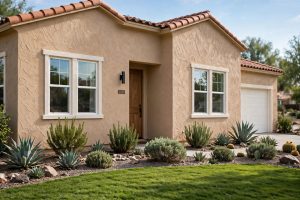
Stucco and concrete block hold moisture for a long time. Standard paint can trap it inside. For these surfaces, use masonry paint or an elastomeric coating. Elastomeric paints stretch like rubber and bridge small cracks. They are thick and heavy, so they cost more, but they last a long time on stucco homes in the South.
Primer
A good primer is not optional in humid weather. Use an exterior bonding primer on bare wood, patched spots, and chalky old paint. Primer seals the surface and gives the topcoat something strong to grip. Guides from This Old House stress that prep and primer decide most of the job’s success.
Best Finishes for Humid Climates
Finish matters as much as formula. The sheen you pick changes how water, dirt, and mildew behave on the wall.
– Flat or matte: Hides flaws well but holds dirt and mildew. Not the best pick for humid areas. – Eggshell: A light sheen that wipes cleaner than flat. Works on siding in mild climates. – Satin: The most popular pick for humid regions. It sheds water, resists mildew stains, and looks warm on siding. – Semi-gloss: Best for trim, doors, and shutters. It repels water and scrubs clean easily. – High-gloss: Very durable but shows every flaw. Good for front doors and railings only.
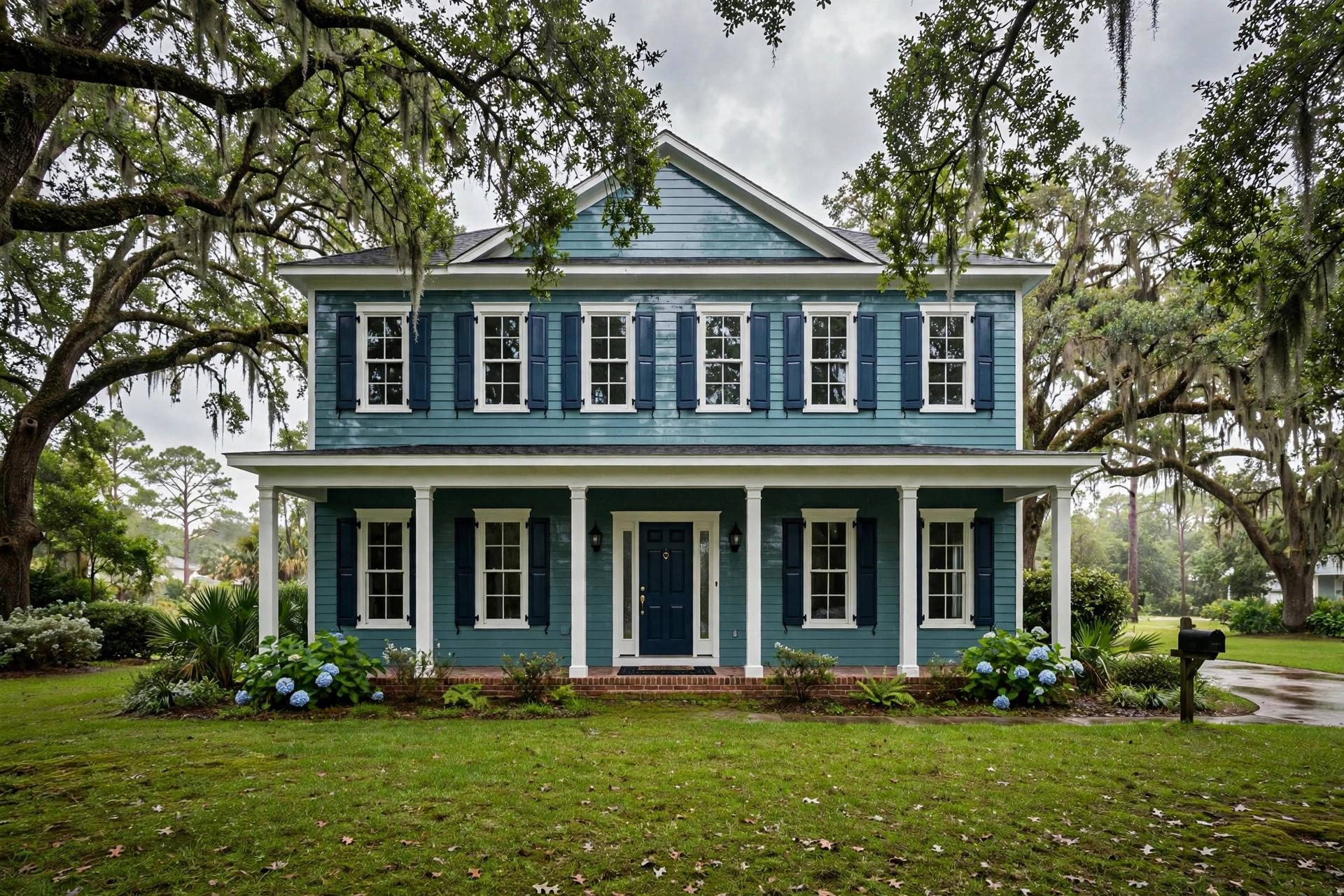
Most painters pair satin siding with semi-gloss trim. This mix gives the body of the house moisture protection while keeping the details easy to clean. Tips from The Spruce echo this same advice.
Cost and Price of a Humid-Climate Paint Job
Prices vary by region, house size, and paint quality. Here are honest ranges for 2026.
A gallon of quality exterior acrylic latex costs 45 to 75 dollars. Premium mildew-resistant lines run 60 to 90 dollars a gallon. Elastomeric masonry coatings can cost 80 to 120 dollars for five gallons. Primer adds another 30 to 50 dollars a gallon.
For a do-it-yourself job on a 1,500-square-foot home, expect 500 to 900 dollars in paint and supplies. A 2,500-square-foot home may need 800 to 1,400 dollars in materials. Rollers, brushes, tape, caulk, and cleaning supplies add up.
Hiring a painter costs more but saves days of work. Professional exterior jobs run 1.50 to 4.00 dollars per square foot of wall area. A typical 2,000-square-foot home costs 4,000 to 9,000 dollars for a full exterior job with prep, primer, and two coats. Prices run higher in cities and lower in rural areas. A cost estimator can help you set a budget before you call for quotes.
If your home has brick, note that exterior brick painting often costs more because brick needs special primer and thick coatings.
How to Paint in Humid Weather
Painting when the air is damp takes planning. Follow these steps for a finish that lasts.
1. Check the forecast. Paint needs 24 to 48 hours of dry weather. Aim for humidity below 70 percent and temps between 50 and 85 degrees. Morning dew should be gone before you start. 2. Clean the walls. Use a pressure washer on a low setting or scrub with soap and water. Remove all mildew with a bleach and water mix or a commercial cleaner. Rinse well. 3. Scrape and sand. Remove all loose paint. Feather the edges of bare spots with sandpaper so the new coat blends in. 4. Let it dry. Do not paint damp wood. Press a dry cloth against the wall. If it picks up moisture, wait another day. 5. Caulk gaps. Fill cracks around windows, doors, and trim with exterior caulk. This keeps water out of the wall. 6. Prime bare spots. Cover all bare wood and patched areas with exterior primer. 7. Apply two coats. One coat is never enough in humid weather. Let the first coat dry fully before the second. Painting guides from Family Handyman show the right brush and roller technique for smooth coverage.
Start on the shady side of the house in the morning. Move to the sunny side as the day goes on. Never paint in direct hot sun. The paint skins over too fast and will not bond well.
Care and Upkeep After Painting
Good paint still needs care in humid places. Wash the siding once a year with a garden hose and a soft brush. Use a mild soap. This removes pollen, salt, and early mildew before they stain.
Trim plants away from the walls. Bushes that touch the house hold moisture against the paint. Keep at least six inches of air space. Clear gutters so water does not spill down the siding.
Inspect the paint each spring. Look for small cracks, peeling edges, and dark spots. Touch up trim with a small brush. Fix caulk that has shrunk or pulled away. Small repairs now stop big failures later. Porches take special abuse, so read a porch and patio paint buying guide before you coat floors or railings.
If mildew returns, wash it off with a mix of one part bleach to three parts water. Rinse well and let it dry. Never let mildew sit. It will eat through the paint film over time.
Safety Notes for Painting Your Home
Safety matters on every paint job. Wear a mask when sanding or scraping, since old paint can contain lead. Homes built before 1978 need lead-safe work practices. Call a certified pro if you suspect lead paint.
Work from a stable ladder or scaffold. Keep three points of contact. Do not lean past the rails. Have someone spot you when working high.
Wear gloves and eye protection. Keep paint and solvents away from open flames. Store leftover paint in a cool, dry place with the lid sealed. Clean brushes with the right cleaner for your paint type.
If you hire help, ask for proof of insurance and references. A real pro will explain the prep work, the paint brand, and the number of coats. Advice from Bob Vila covers the questions to ask before you sign a contract.
Frequently Asked Questions
How often should I repaint in a humid climate?
Most homes need a fresh coat every five to seven years in humid regions. Trim may need touch-ups every three to four years. Quality paint on a well-prepped surface lasts longer than cheap paint on dirty wood.
Is primer really needed over old paint?
Yes, on any bare or patched spots. Old paint that is clean and firm can take a new coat without full priming. But bare wood, filler, and chalky areas must be primed. Primer is cheap insurance for a costly job.
Can I paint when it is about to rain?
No. Paint needs dry time before rain hits it. Check that no rain is coming for at least 24 hours, and 48 hours is safer. Wet paint will streak, spot, or wash off entirely.
What causes paint to bubble in humid weather?
Moisture trapped under the paint film is the main cause. Damp wood, high humidity during painting, or water leaks behind the siding can all trap moisture. Let surfaces dry fully and fix leaks before you paint.
Which is better for humid climates, oil or latex paint?
Latex paint is better for most humid homes. It flexes with the siding, lets moisture vapor escape, and resists cracking. Oil paint has its place on doors and metal, but latex wins on walls.
How do I stop mildew from coming back?
Use mildew-resistant paint, keep shrubs trimmed back, and wash the walls yearly. Make sure gutters and downspouts move water away from the siding. Sunlight and airflow are the best natural defense against mildew.
A Final Word
The best exterior paint for humid climates usa homes is a paint that fights moisture on every front. It grips the wall, flexes with the wood, and resists mildew. Acrylic latex in a satin finish covers most homes well. Brick and stucco need heavier masonry coatings.
Spend most of your effort on prep. Clean, dry, and prime the surface. Then apply two full coats in dry weather. Do this right and your home will hold its color and protection through years of damp summers. For fresh color ideas that lift curb appeal, browse the design ideas at HGTV.
References
Behr. (n.d.). Paints, primers, and stains. https://www.behr.com Bob Vila. (n.d.). Home improvement advice. https://www.bobvila.com Consumer Reports. (n.d.). Product reviews and ratings. https://www.consumerreports.org Family Handyman. (n.d.). DIY home repair and maintenance. https://www.familyhandyman.com HGTV. (n.d.). Home and garden ideas. https://www.hgtv.com Lowe’s. (n.d.). Home improvement products. https://www.lowes.com Sherwin-Williams. (n.d.). Paints and coatings. https://www.sherwin-williams.com The Home Depot. (n.d.). Home improvement products. https://www.homedepot.com The Spruce. (n.d.). Home and garden advice. https://www.thespruce.com This Old House. (n.d.). Home renovation guidance. https://www.thisoldhouse.com
Was this guide helpful?

About James Carter
The My Garden US editorial team writes practical, in-depth home and garden guides for American homeowners — tested advice, no fluff.