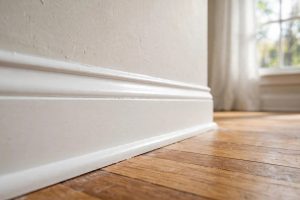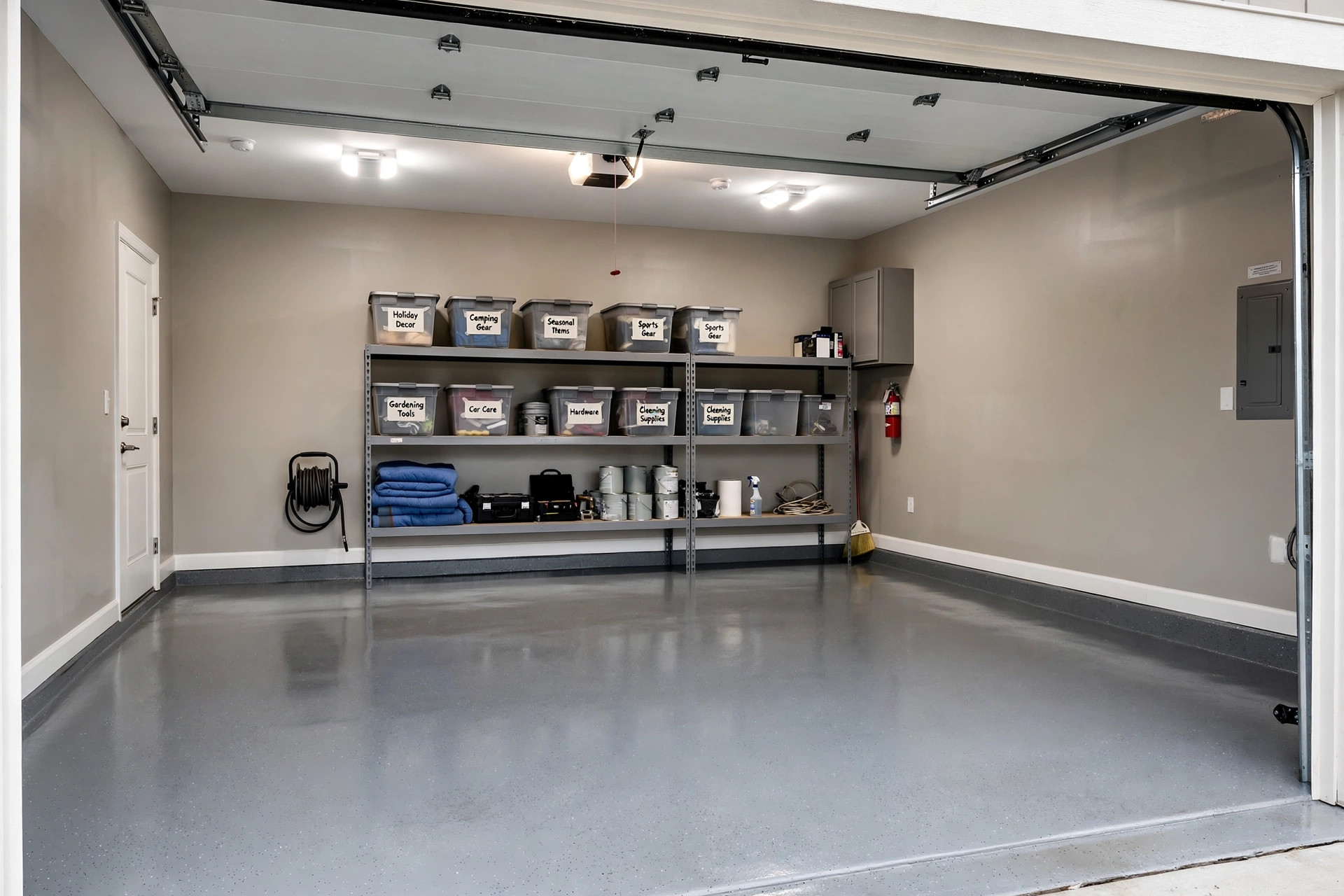

A garage is one of the hardest-working rooms in an American home. It stores cars, tools, bicycles, and boxes. It sees heat in summer and cold in winter. It collects dust, fumes, and scuffs. When people search for the best paint for garage walls usa, they are not after a color trend. They want a coating that holds up to daily abuse and still looks clean years later. This guide walks through what matters, what to buy, and how to apply it right.
Why Garage Walls Need Special Paint
Inside walls are protected. Garage walls are not. Cars bring in water, mud, and road salt. Engines give off heat and fumes. Tools bump against the wall. Ladders lean on it. A standard flat interior paint will scuff, stain, and peel under this treatment.
Garages also swing through wide temperature changes. A garage in Texas may reach 110 degrees in summer. A garage in Minnesota may freeze in winter. Paint on these walls must expand and contract without cracking. It must also resist moisture. Snowmelt and rain drip from tires and car bodies. Concrete block and drywall both absorb water. The right paint acts as a barrier.
Good garage paint also brightens the space. Most garages have little natural light. A light, washable wall color reflects light from fixtures and makes the room feel larger and safer. A dark or dingy garage hides hazards. This Old House has long advised readers to treat garage walls as working surfaces, not decoration. That advice still holds.
What to Look for When You Choose: Best Paint for Garage Walls Usa
Before you pick a product, look at five traits. These decide whether the paint survives or fails.
Finish. Flat paint hides flaws but marks easily. Eggshell and satin strike a balance. They are easy to wipe clean. Semi-gloss is tougher still and resists moisture well. Many pros choose satin or semi-gloss for garages. Behr offers washable finishes designed for high-traffic areas, and their paint lines include options suited to garage interiors.
Durability. Look for words like scrub-rated, stain-resistant, and mildew-resistant. A scrub rating tells you how many times the paint can be washed before it wears through. Higher is better for a garage. Benjamin Moore lists scrub and stain data for its premium interior lines, which helps shoppers compare.
Mold and mildew resistance. Garages stay damp longer than living rooms. Condensation forms on cold walls. A paint with mildewcide holds off growth. If your garage has had mold before, this trait is not optional.
Coverage. Coverage is measured in square feet per gallon. Most interior paints cover 350 to 400 square feet per gallon per coat. Garage walls are rough, especially concrete block. Rough walls drink more paint. Buy one extra gallon rather than one gallon short.
VOC level. Volatile organic compounds make paint fumes strong. Garages often vent poorly. Low-VOC and zero-VOC paints smell less and clear out faster. Families with children or pets should favor low-VOC formulas. Sherwin-Williams publishes VOC data across its product lines, which makes label reading easy.
Types and Options for Garage Walls
Several paint types work on garage walls. Each has strengths and limits.
Acrylic Latex Interior Paint
This is the most common pick. Acrylic latex cleans up with water. It dries fast. It flexes with temperature changes. A quality acrylic latex in satin or semi-gloss handles drywall garage walls well. It is also the cheapest route. For many homeowners, a good acrylic latex is the best paint for garage walls usa searches can turn up, because it balances cost and performance.
Epoxy Paint
Epoxy is the toughest option. It forms a hard shell that resists chemicals, oil, and abrasion. Auto shops use it. Homeowners use one-part epoxy formulas that brush on like paint. Two-part epoxy kits are stronger but harder to apply. Epoxy works well on concrete block and masonry. It costs more and demands careful prep. If you fix cars at home, epoxy deserves a look. Guides at Bob Vila explain the difference between one-part and two-part epoxy in plain terms.
Elastomeric Paint
Elastomeric paint stretches. It bridges small cracks in concrete and stucco. It is thick, like a rubber coating. It suits garages built of concrete block or poured concrete that develop hairline cracks. The thick film also blocks moisture well. The trade-off is cost and weight. It needs a strong primer and careful roller work.
Masonry Paint
Masonry paint is made for brick, block, and concrete. It resists alkali from fresh concrete. It breathes, so trapped moisture can escape. If your garage walls are bare concrete block, a masonry formula bonds better than a standard interior paint. Many paint makers, including lines carried at Lowe’s, sell masonry-specific products.
Primer and Paint Combos
Paint-and-primer in one can save a step on drywall that is already primed or painted. On bare drywall, bare wood, or new concrete, use a separate primer. A dedicated primer seals the surface and gives the topcoat grip. Skipping primer on new concrete is a common cause of peeling. If you want a primer recommendation before you start, our note on the best degreaser before painting cabinets usa covers surface cleaning principles that apply to garage walls as well.
Preparing the Walls
Prep decides the result more than the paint brand does. Old painters say ninety percent of the job is preparation. They are right.
Start by clearing the garage. Move cars, tools, and shelves away from the walls. Cover the floor with drop cloths. Tape off trim, outlets, and the ceiling line.
Clean the walls. Garages collect grease and dust. Wash with a degreasing cleaner and a stiff brush, then rinse. Let the walls dry fully. Bare concrete may need two or three days to dry after washing. Paint over moisture, and it will bubble.
Repair damage. Fill holes and cracks with patching compound or masonry filler. Sand patched spots smooth. Scrape loose paint down to a firm edge. On concrete block, brush out loose mortar crumbs from the joints.
Prime as needed. New drywall gets drywall primer. New concrete gets masonry primer. Old glossy paint gets a light sanding so the new coat grips. Then cut in the edges with a brush and roll the walls in steady W patterns. Two thin coats beat one thick coat every time.
Ventilate the space. Open the garage door and set up a fan. Fresh air speeds drying and clears fumes. If you are painting in winter, keep the garage above 50 degrees while paint dries. Cold air slows curing and weakens the film.
Cost and Price
Paint for a two-car garage usually costs between 150 and 400 dollars in materials. Here is a simple breakdown.
A gallon of quality acrylic latex interior paint runs 35 to 60 dollars at major retailers like The Home Depot. A two-car garage with 800 to 1,000 square feet of wall needs 4 to 6 gallons for two coats, depending on surface roughness. Epoxy paint costs more, often 60 to 100 dollars per gallon. Elastomeric paint sits in the same upper range.
Primer adds 25 to 45 dollars per gallon. Most garages need 2 to 3 gallons of primer. Supplies, such as rollers, brushes, tape, and drop cloths, add another 40 to 70 dollars.
Hiring a painter changes the math. Professional painters charge 1 to 3 dollars per square foot of wall in most US markets. A two-car garage might cost 1,000 to 2,500 dollars for labor plus materials. If you only need the walls refreshed, a do-it-yourself weekend saves real money. For a sense of how painters price larger jobs, see our guide to the best exterior house painting cost estimator usa, which covers estimating methods that work for garages too.
Color Choices That Work
Color is personal, but garages favor function. Light grays, warm whites, and pale taupes are popular. They reflect light and hide dust better than pure white. Pure white shows every mark. Dark colors shrink the space and drink light.
Some homeowners paint a darker band along the bottom three feet of wall. This wainscot effect hides scuffs from car doors and boots. Use semi-gloss for the band so it wipes clean. A two-tone scheme can look sharp and practical at once.
Gloss level matters more than hue. A satin finish in any light color will outperform a flat finish in a trendy color. Choose durability first, color second. Design ideas at HGTV show how simple color schemes keep work spaces bright and tidy.
Care and Upkeep
Painted garage walls need little care, but small habits extend their life.
Wipe scuffs when they happen. A damp sponge and mild soap handle most marks on satin and semi-gloss finishes. Do not use harsh solvents on latex paint. They dull the finish.
Check the walls once a year. Look for peeling near the floor, where water sits. Look for cracks in concrete walls. Touch up small spots before they spread. A pint of leftover paint in a sealed can keeps for years. Label the can with the room and date.
Control moisture. A garage that stays wet will beat any paint. Fix roof leaks. Slope the driveway so water runs away from the door. A dehumidifier helps in humid climates. The Spruce offers practical checklists for garage maintenance that pair well with a fresh paint job.
Recoat when the walls look tired. With good prep and a quality product, garage wall paint lasts 7 to 12 years. Epoxy can last longer. Recoating on schedule is cheaper than stripping failed paint later.
Safety
Garage painting has real risks. Respect them.
Ventilate. Paint fumes build up in closed garages. Open the main door and use a fan. Wear a respirator rated for paint vapors if you use oil-based or epoxy products. A dust mask is not enough for chemical fumes.
Watch for lead. Homes built before 1978 may have lead paint on old garage walls. Do not sand or scrape it without a lead test kit. Federal rules govern lead-safe work practices. If tests show lead, hire a certified renovator.
Store paint safely. Keep cans off the floor and away from furnaces, water heaters, and cars. Rags soaked in oil-based paint can ignite on their own. Spread used rags flat outdoors to dry, then dispose of them per local rules.
Mind the floor. Wet paint on concrete floors is slick. Wear shoes with grip. Clean spills at once.
FAQ
How many coats of paint do garage walls need? Two coats over primer is the standard. One coat rarely covers well, and the second coat builds the film that resists scuffs. On rough concrete block, some painters use three coats.
Can I use regular interior wall paint in a garage? Yes, if it is a quality acrylic latex in satin or semi-gloss. Cheap flat paint will not hold up. For attached garages that see daily car traffic, step up to a durable or epoxy formula.
Should I paint garage drywall or leave it bare? Paint it. Paint seals the paper face of drywall and makes walls washable. Unpainted drywall absorbs moisture and stains. Use drywall primer first, then two topcoats.
What is the best color for a garage interior? Light gray is a safe pick. It hides dust, reflects light, and pairs with most floor coatings. Warm white and light beige work too. Avoid pure white if the garage sees heavy use.
Do I need to prime garage walls before painting? Prime any bare surface: new drywall, new wood, or new concrete. On previously painted walls in sound shape, a paint-and-primer combo is fine. Always prime over stains, patches, or bare spots.
How long should I wait between coats? Follow the can. Most latex paints recoat in 2 to 4 hours. Epoxy may need 8 to 24 hours. Cool or humid air slows drying, so allow extra time. Rushing coats weakens adhesion.
A Final Word
The best paint for garage walls usa shoppers can find is not one brand. It is the right type, finish, and prep for your garage. Acrylic latex in satin or semi-gloss covers most needs. Epoxy wins where chemicals and abrasion rule. Elastomeric and masonry paints serve concrete walls best. Pick a light color, prime bare surfaces, ventilate while you work, and the job will look good for a decade. If your next project moves indoors, our review of the best paint for kitchen cabinets usa reviews applies many of the same durability lessons to another hard-working surface.
References
Behr. (n.d.). Paints, primers, and stains. https://www.behr.com Benjamin Moore. (n.d.). Paints and stains. https://www.benjaminmoore.com Bob Vila. (n.d.). Home improvement advice. https://www.bobvila.com HGTV. (n.d.). Home and garden ideas. https://www.hgtv.com Lowe’s. (n.d.). Home improvement products. https://www.lowes.com Sherwin-Williams. (n.d.). Paints and coatings. https://www.sherwin-williams.com The Home Depot. (n.d.). Home improvement products. https://www.homedepot.com The Spruce. (n.d.). Home and garden advice. https://www.thespruce.com This Old House. (n.d.). Home renovation guidance. https://www.thisoldhouse.com
Was this guide helpful?

About Jennifer Lee
The My Garden US editorial team writes practical, in-depth home and garden guides for American homeowners — tested advice, no fluff.
You May Also Like
Driveway Sealer Buying Guide for USA Homes
May 18, 2026 0 views
Best Paint for Exterior Doors Fiberglass USA: A Simple Guide to Color That Lasts
July 20, 2026 0 views
Exterior Brick Painting Service Near Me Cost: What Homeowners Should Know
March 11, 2026 0 views