Introduction
The vinyl siding painting cost per square foot is the first figure most homeowners ask for when they think about repainting their house. Vinyl siding was once thought of as a product that could never be painted. That idea has faded. Today, modern paints bond well to vinyl, and a painted vinyl home can look new again for a fraction of the cost of new siding. Most homeowners pay between one and four dollars for each square foot of painted vinyl siding. The final number depends on labor, paint quality, the size of the home, and the condition of the siding.
This guide walks through every part of the cost. It explains why painting vinyl siding matters, how to choose paint, what choices you have, what drives the price up or down, and how to care for the finish. It also covers safety and answers common questions. By the end, you will know how to budget for the job and how to talk with a painter with confidence.
Why Painting Vinyl Siding Matters: Vinyl Siding Painting Cost Per Square Foot
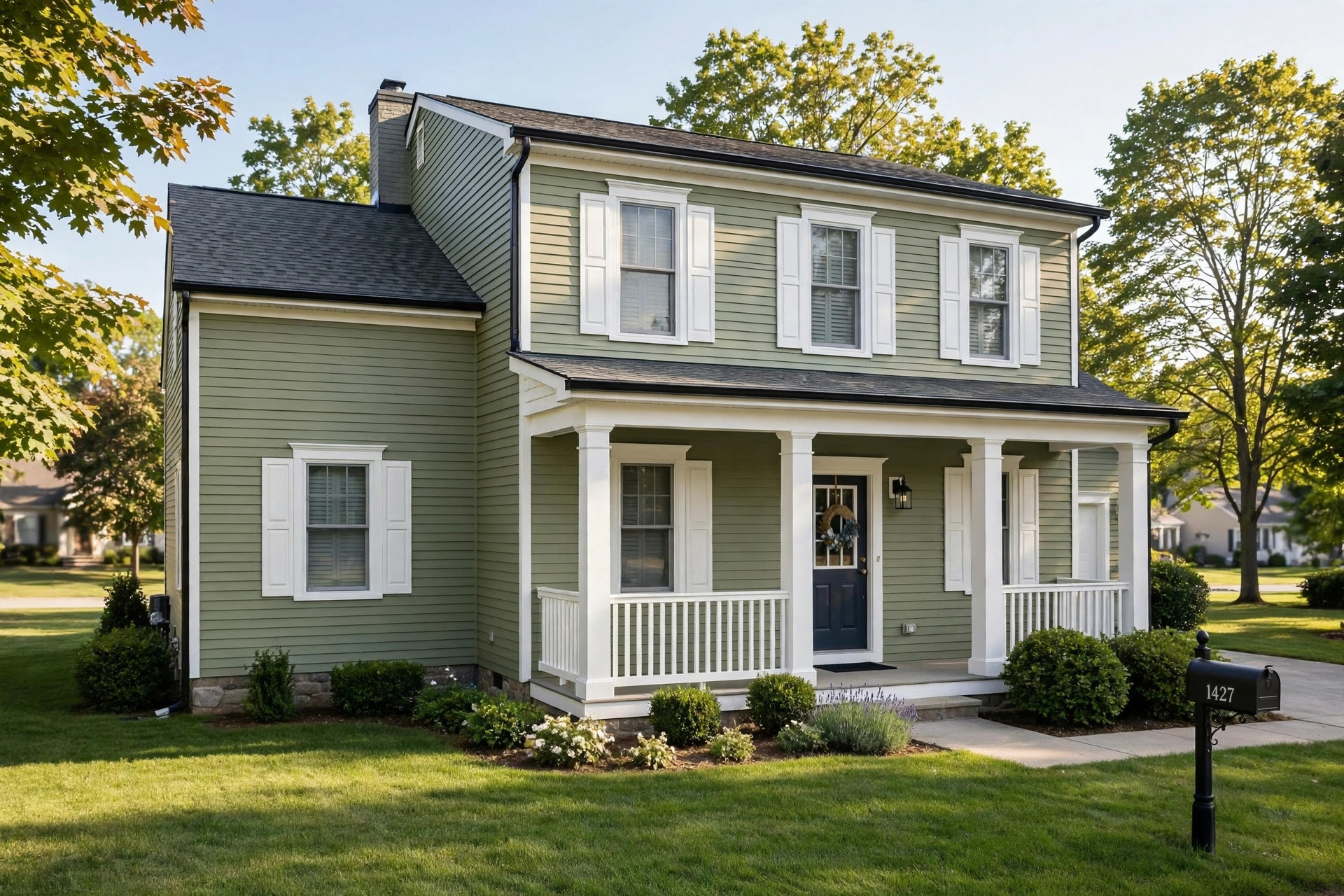
A home with faded vinyl siding looks tired. The color dulls under years of sun. Some panels may look chalky or bleached. Painting gives the house a fresh face. It is much cheaper than replacing all the siding, which can cost three or four times as much. A good paint job on vinyl can last seven to ten years if it is done right.
Painting vinyl also protects the panels. Good exterior paint adds a layer against rain, wind, and ultraviolet light. For many families, painting is the smart middle path. It is not as cheap as doing nothing, and it is not as costly as new siding.
The look matters to neighbors and buyers too. Real estate agents often say that fresh paint is one of the best small investments a seller can make. A clean, modern color on vinyl siding can raise curb appeal in a single weekend of work.
How Painters Measure the Vinyl Siding Painting Cost per Square Foot
Painters use the square foot to keep pricing fair. They measure the outside walls of the house. They do not count the windows and doors in most cases, but some painters charge for the full wall area and treat it as one number. The total square footage of siding is then multiplied by the rate per square foot.
For a 1,500-square-foot home, the wall area may be 1,800 to 2,200 square feet of siding. At two dollars a square foot, the job costs 3,600 to 4,400 dollars. For a 2,500-square-foot home, the wall area may reach 3,000 square feet, which pushes the total to 6,000 dollars at the same rate.
The per-square-foot rate includes labor and materials. Labor is the largest part. In most markets, labor takes 60 to 80 percent of the total. Homeowners who do the work themselves pay only for materials, which is why a do-it-yourself job can cut the cost in half.
When you search for a best exterior house painting cost estimator usa, you will see wide ranges. This is because each home is different. A one-story ranch with easy walls costs less than a three-story colonial with steep gables.
What to Look For When Choosing a Painter
Check the Painter’s Experience With Vinyl
Not every house painter has painted vinyl siding. Vinyl moves. It expands in heat and shrinks in cold. Paint must move with it. Ask the painter how many vinyl homes they have done. Ask to see photos of past jobs. A painter who only paints wood may not know the rules for vinyl.
Ask About Paint and Primer
The right paint is an acrylic latex paint made for exterior use. Some brands sell paint made just for vinyl siding. Ask the painter which brand and line they use. Ask if they will prime bare or damaged spots. Many experts at Sherwin-Williams and Behr note that a clean surface and the right primer make the finish last years longer.
Get Three Written Quotes
Get at least three written quotes. Each quote should list the square footage, the paint brand, the number of coats, and the work included. When quotes differ by a wide margin, ask why. The cheapest bid is not always the best. A bid that skips washing the siding is a red flag.
Look at Reviews and Proof of Insurance
Read reviews from past customers. Ask for proof of liability insurance and worker safety coverage. A good painter will provide these papers without delay.
Types of Paint and Color Choices for Vinyl Siding
Acrylic Latex Paint
Acrylic latex is the standard choice for vinyl. It flexes with the siding and resists cracking. It comes in flat, satin, and semi-gloss finishes. Satin is the most common pick for siding because it hides small flaws and cleans well.
Vinyl-Safe Paint Formulas
Some paint makers sell formulas labeled safe for vinyl. These paints limit heat buildup on dark colors. Dark colors absorb more heat, and vinyl can warp if it gets too hot. A vinyl-safe formula keeps the surface cooler. Benjamin Moore and other makers publish lists of colors that are safe for vinyl use.
Color Rules for Vinyl
The old rule was simple: never paint vinyl darker than its original color. New paints have eased this rule, but it still guides good practice. Lighter colors reflect heat. If you want a dark color, use a vinyl-safe paint and check with the maker first. The team at This Old House has shown many examples of bold new colors on older vinyl homes.
Primer
Primer is not always needed on sound vinyl. It is needed on bare spots, patched areas, and heavily chalked siding. A bonding primer helps paint grip. Ask the painter where they plan to prime. Spot priming is normal. Full priming adds cost but can be worth it on older siding.
Cost and Price: What Moves the Vinyl Siding Painting Cost per Square Foot
Typical Ranges
Across the United States, the vinyl siding painting cost per square foot usually falls between $1 and $4. A simple one-story home with sound siding may cost near $1 to $1.75 per square foot. A two-story home with repairs may run $2 to $3. Complex homes with many gables, dormers, or hard-to-reach walls may reach $3 to $4.
Labor
Labor is the main cost. Rates vary by region. In high-cost cities, labor runs higher. In rural areas, it runs lower. Two painters may take three to five days on an average home. Tall homes need ladders or lifts, which adds time and money.
Paint Quality
Good exterior paint costs 50 to 80 dollars per gallon. A home may need 10 to 20 gallons. Cheap paint may save a few hundred dollars up front but fade faster. Better paint covers well and lasts longer. The price guides at Lowe’s and The Home Depot list current paint prices by brand.
Prep Work
Prep work is where good jobs stand out. The siding must be washed, often with a pressure washer on a low setting. Loose caulk is removed and replaced. Mold and mildew are treated. Heavy prep adds hours to the job, and hours add cost. Skipping prep is the main reason paint jobs fail early.
Repairs
Damaged panels must be fixed before painting. A cracked or loose panel may need replacement. Trim boards may need scraping and priming. Each repair adds to the bill. A painter should list repairs as a separate line on the quote.
Size and Height of the Home
More wall area means more paint and more labor. Taller homes cost more per square foot because work goes slower on ladders and lifts. Homes with porches, bay windows, and mixed siding types also cost more because the work is slower.
Season and Location
Paint prices and labor rates shift by season. Spring and fall are the busiest times. Some painters charge less in the slow winter months, but cold air can ruin a paint job. The best months are mild and dry. Guides at Bob Vila, HGTV, and The Spruce cover seasonal timing for exterior projects.
If you want a quick ballpark before calling painters, try a best exterior house painting cost estimator usa tool online. It will not replace a real quote, but it helps you spot bids that are far too high or far too low.
Care and Upkeep After the Paint Dries
A painted vinyl home is easy to care for. Wash the siding once a year with a garden hose and a soft brush. Use mild soap. Avoid harsh chemicals and high-pressure washing, which can strip paint. Clean gutters so water does not run down the walls in sheets.
Walk around the house each spring. Look for peeling, cracking, or chalking. Small touch-ups in the first years can stop larger problems. Keep trees and bushes trimmed back from the walls so leaves do not trap moisture against the paint.
Most paint makers give a warranty on their products, but the warranty only covers the paint film. It does not cover poor prep work. Keep your contract and paint receipts. If a problem appears early, call the painter while the workmanship warranty is still in force.
Safety
Painting a house involves ladders, heights, and chemicals. If you hire a pro, the crew should use stable ladders and safety harnesses on steep roofs. They should mask windows and cover plants and walkways.
If you paint it yourself, read the paint label. Wear gloves, eye protection, and a mask when spraying or sanding. Keep children and pets away from wet paint. Work on dry days with mild temperatures. Never paint in rain or when rain is due within a day.
Old homes may have lead paint on trim under the vinyl or on nearby wood. If your home was built before 1978, have the trim tested for lead. Lead-safe work rules apply. The Environmental Protection Agency publishes clear rules for lead-safe work on older homes.
Painting Vinyl Siding Yourself vs Hiring a Pro
A do-it-yourself job can cut the vinyl siding painting cost per square foot to 50 cents to one dollar. You pay for paint, primer, caulk, and supplies only. A home that costs 4,000 dollars with a pro may cost 1,200 dollars in materials alone.
But the trade is time and risk. A homeowner may need two weekends or more. Renting a sprayer adds cost. Mistakes in prep work show in the finish. A pro brings speed, tools, and a warranty on the work.
Consider your skill and your schedule. If you have painted before and own a good ladder, a one-story home is a fair do-it-yourself project. If the home is tall or the siding is damaged, hire a pro.
Some homeowners split the job. They wash and prep the siding themselves and hire a painter for the spraying. This can trim the bill while keeping the finish in skilled hands.
How to Budget for the Job
Start with the wall area. Measure each wall’s width and height and multiply. Multiply the total by 2 dollars for a mid-range guess. Add 10 to 15 percent for repairs and surprises.
Next, set the paint budget. Count on 10 to 20 gallons for an average home. At 60 dollars a gallon, that is 600 to 1,200 dollars. Add primer, caulk, and tape for another 150 to 300 dollars.
Then get quotes. Tell each painter the same details so the quotes can be compared. Ask what is included and what is extra. Ask how many days the job will take.
Plan the timing. Book the painter for a mild, dry stretch. A deposit of 10 to 25 percent is normal. Never pay the full amount before the work starts.
Frequently Asked Questions
How much does it cost to paint vinyl siding on a 2,000-square-foot house?
A 2,000-square-foot house often has 2,400 to 2,800 square feet of wall area. At 2 dollars per square foot, the job runs 4,800 to 5,600 dollars. Simple homes may cost less. Homes with repairs or tall walls may cost more.
Can you paint vinyl siding a darker color?
Yes, but with care. Dark colors absorb heat, and vinyl can warp when it gets too hot. Use a vinyl-safe paint formula and check the maker’s color list for vinyl. Many painters advise staying within a few shades of the original color.
How long does painted vinyl siding last?
A well-prepped job with good paint lasts seven to ten years. Cheap paint or skipped prep work may fail in three to five years. Yearly washing and quick touch-ups extend the life of the finish.
Do I need to prime vinyl siding before painting?
Sound vinyl often needs no full primer coat. Bare spots, patched areas, and heavy chalking should be primed with a bonding primer. Ask the painter where they plan to prime, and make sure it is written in the quote.
Is painting vinyl siding cheaper than replacing it?
Yes, by a wide margin. Painting costs 1 to 4 dollars per square foot. New vinyl siding often costs 4 to 10 dollars per square foot installed. Painting is the clear choice when the panels are in good shape.
Can I paint vinyl siding myself?
Yes. A do-it-yourself job costs 50 cents to one dollar per square foot in materials. It takes time and care, especially in washing and prep work. Tall homes and damaged siding are better left to a pro.
A Final Word
Knowing the vinyl siding painting cost per square foot turns a vague worry into a clear plan. Measure the walls. Pick a vinyl-safe paint. Get three written quotes. Keep the prep work honest, and the finish will reward you for years. A fresh coat of paint is one of the simplest ways to lift the look of a home without the cost of new siding.
If the outside of your home gets a new look, you may also plan inside updates. A guide on kitchen cabinet refinishing service cost usa can help you budget the kitchen next, and peel and stick wallpaper for bedrooms reviews offers a low-cost way to refresh bedroom walls.
References
Behr. (n.d.). Paints, primers, and stains. https://www.behr.com Benjamin Moore. (n.d.). Paints and stains. https://www.benjaminmoore.com Bob Vila. (n.d.). Home improvement advice. https://www.bobvila.com HGTV. (n.d.). Home and garden ideas. https://www.hgtv.com Lowe’s. (n.d.). Home improvement products. https://www.lowes.com Sherwin-Williams. (n.d.). Paints and coatings. https://www.sherwin-williams.com The Home Depot. (n.d.). Home improvement products. https://www.homedepot.com The Spruce. (n.d.). Home and garden advice. https://www.thespruce.com This Old House. (n.d.). Home renovation guidance. https://www.thisoldhouse.com
Was this guide helpful?

About Sarah Mitchell
The My Garden US editorial team writes practical, in-depth home and garden guides for American homeowners — tested advice, no fluff.