Introduction
A worn bathtub can drag down a whole bathroom. Stains, dull spots, and old chips make the room feel tired, even when everything else is clean. Most homeowners fear the cost of a full tub replacement. New tubs cost hundreds of dollars, and the labor can cost hundreds more. Tearing out an old tub can also damage tile and walls. There is a simpler path. Searches for bathtub refinishing kits USA online deals keep rising, and with good reason. A quality kit lets you recoat your tub in a weekend for a fraction of replacement cost. This guide explains how these kits work, what to look for, how much to pay, and how to shop safely online. The facts here apply to most porcelain, enamel, fiberglass, and cast-iron tubs found in American homes.
Why Bathtub Refinishing Matters: Bathtub Refinishing Kits Usa Online Deals
A bathtub is the largest fixture in most bathrooms. Its surface sets the tone for the room. When the finish wears thin, the tub can look yellow or gray. Small cracks in the coating can trap dirt and soap scum. Those rough spots are also harder to clean, so the tub keeps looking dirty. Refinishing solves these problems without demolition.
Refinishing is far cheaper than replacement. A basic kit costs between 30 and 150 dollars. A new tub alone can cost 300 to 1,000 dollars before labor. A full replacement job often passes 2,000 dollars once you add plumbers, tile work, and debris removal. Refinishing keeps the old tub in place. That means no broken tile, no plumbing changes, and no dumpster in the driveway. Even shoppers who later consider a freestanding soaking tub often refinish their current tub first to buy time.
It is also faster. Most kits take one weekend. Day one is for cleaning, sanding, and repair. Day two is for the new coating. The tub then cures for 48 to 72 hours before use. A hired replacement can keep a bathroom out of service for a week or more. For a home with one bathroom, that speed matters.
A good refinish job can last five to ten years with proper care. That is a strong return on a small investment. Many landlords use refinishing kits to prepare rental units. Flippers use them to lift a bathroom on a budget. Homeowners use them to buy time before a full remodel. The guides at This Old House and Bob Vila both treat refinishing as a sound first step before costly replacement.
What to Look for in a Bathtub Refinishing Kit
Not all kits are equal. The wrong product can peel within months. Read the label with care. Match the kit to your tub material.
Check Your Tub Material
Most American tubs fall into four groups. Porcelain-enamel steel tubs have a glossy glass-like coat over steel. Cast-iron tubs have thick enamel over iron and are very heavy. Fiberglass tubs are light and flex slightly. Acrylic tubs look like fiberglass but feel warmer and hold color longer. The kit should name your surface on the box. Epoxy kits bond well to enamel and cast iron. Acrylic resins suit fiberglass and acrylic tubs. If the label is vague, move on.
Epoxy Coating vs. Acrylic Resin
Epoxy kits use a two-part mix that hardens into a tough shell. The finish is hard and glossy. It resists chemicals and heat. The trade-off is strong fumes during application. Good ventilation is a must. Acrylic resin kits are more flexible and forgiving. They suit fiberglass, which moves and flexes. They tend to smell less. They may not last as long on hard enamel surfaces. Think of it this way: hard surfaces want epoxy, soft surfaces want acrylic.
Kit Contents That Matter
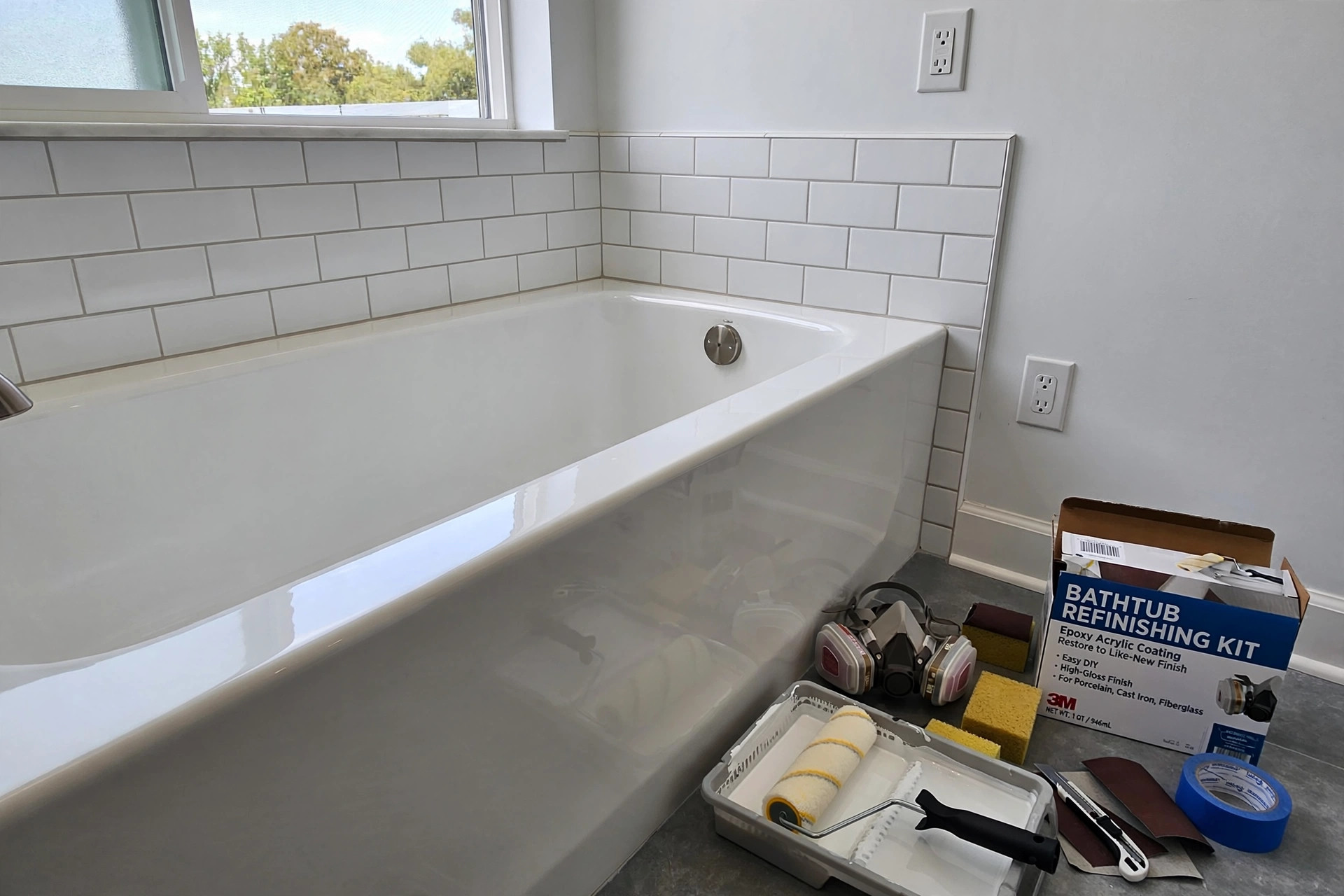
A complete kit should include cleaner or degreaser, sanding material, repair filler for chips, primer or bonding agent, the topcoat, and clear mixing directions. Some kits add a spray gun or foam rollers. Roll-on kits are simpler for beginners. Spray kits give a smoother finish but need steady hands and better ventilation. The product pages at Home Depot and Lowe’s list kit contents in plain terms, which helps when you compare boxes.
Types of Bathtub Refinishing Kits
Brush and Roller Kits
These are the most common kits for first-time users. You mix the coating and apply it with a foam roller or brush. The process is slow and easy to control. Most of these kits cover one standard tub. They work best on porcelain and enamel. The finish can show slight texture if you roll too fast. Two thin coats beat one thick coat every time.
Spray-On Kits
Spray kits promise a factory-smooth finish. Some use a small hand sprayer. Others need an air compressor. The results can look very close to a new tub. The risk is overspray. Tape and plastic sheeting must cover every surface in the bathroom. A respirator is required, not optional. Beginners should practice on cardboard before touching the tub.
Repair-and-Touch-Up Kits
Small chip-repair kits are not full refinishing kits. They fix one or two damaged spots. They are handy between full jobs. They cost little, often under 20 dollars. Do not expect a touch-up kit to change the color or look of a whole tub. They are first aid, not a new coat of paint.
Color-Change Kits
Some kits let you switch a tub from avocado green or pink to white or almond. This is popular in older homes. Color-change needs more coats for full coverage. Dark-to-light changes may need a tinted primer. Plan for extra drying time between coats. White remains the safest choice for resale value.
Cost and Price Guide
Online prices for bathtub refinishing kits in the United States fall into clear bands. Basic roll-on kits run 30 to 60 dollars. Mid-range kits with better primer and filler run 60 to 100 dollars. Premium spray kits run 100 to 150 dollars. Professional-grade kits, often sold to contractors, can pass 200 dollars.
Online deals can shave 15 to 30 percent off these prices. Seasonal sales around spring and holiday weekends are common. Bundle deals that pair a refinishing kit with a new rain shower head or matching faucet can add value during a bathroom refresh. Watch for free shipping, since kits contain chemicals that sometimes carry hazmat fees. Check the final checkout total before you judge a deal.
One caution about very cheap kits. A 20-dollar kit that peels in six months costs more than a 70-dollar kit that lasts eight years. Read recent buyer reviews. Look for reviews that mention the finish after one year, not just after one week. The buying guides at The Spruce and HGTV both stress long-term results over day-one looks.
Shipping time matters too. Plan your project for a weekend when you will not need the tub. Many online stores offer two-day delivery. Order early so the kit arrives with a few days to spare. Nothing ruins a weekend project like a box stuck in transit.
How to Use a Refinishing Kit Safely
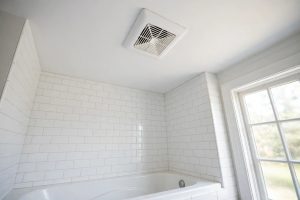
Safety is the part of this project that beginners skip. Do not skip it. Most coating products release strong fumes. Work with the bathroom fan running and a window open. A portable fan in the doorway pushes fumes out. Wear a respirator rated for organic vapors, not just a paper dust mask. Chemical-resistant gloves and safety glasses are also needed. The safety pages at the Consumer Product Safety Commission and the Environmental Protection Agency explain why good ventilation matters during home chemical projects.
Keep children and pets away from the work area until the tub has fully cured. Fumes linger even when the smell fades. If anyone in the home has asthma or breathing problems, consider hiring a professional who works with low-odor products. Store leftover coating in a locked cabinet, away from heat. Dispose of rags and empty cans through your local household hazardous waste program.
Care and Upkeep After Refinishing
A refinished tub needs gentle care. The new coating is tough, but it is not the same as factory enamel. Clean with non-abrasive liquid cleaners. Avoid scouring powders, bleach pads, and stiff brushes. A soft sponge and mild soap do the job. Rinse the tub after each use to stop soap scum from settling.
Do not use bath mats with suction cups for the first few months. They can pull the new coating loose. Use a non-slip mat without suction cups instead. Avoid leaving wet towels or shampoo bottles sitting in one spot for days. Trapped moisture can soften the coating. Dry the tub with a soft towel after use if your water is hard.
Repair chips quickly. Keep a small touch-up kit on hand. A chip that reaches the bare tub can rust or grow. A quick fill and dab of coating stops the damage. With this level of care, a refinished tub can look good for years. Pair the renewed tub with clean fixtures — many makers such as American Standard publish care guides that help a fresh finish stay glossy, and many homeowners finish the job with updated caulk and a new tub spout.
Frequently Asked Questions
How long does a bathtub refinishing kit last? Most jobs last five to ten years. Epoxy on enamel tubs tends to last longest. Lifespan depends on prep work, the quality of the kit, and how gently the tub is cleaned. Skipping the sanding step is the most common reason for early peeling.
Can I refinish a fiberglass tub with a standard kit? Yes, but use a kit made for fiberglass or acrylic. These tubs flex, and hard epoxy can crack on them. Read the label for the words fiberglass or acrylic. If it does not name your material, choose another kit.
Do I need to remove the old finish first? No. Refinishing bonds to the old surface after proper sanding. Deep sanding down to bare tub is not needed. What matters is a clean, dull, roughened surface so the new coating can grip. Strip only if the old coating is peeling badly.
How long before I can use the tub again? Most kits call for 48 to 72 hours of cure time. Do not rush this. Using the tub early can mark or soften the finish. Keep the bathroom warm and dry during curing. Cold, damp air slows the hardening process.
Can I change my tub color with a kit? Yes. Many kits offer white, almond, and bone. Some offer gray or black. Going from a dark color to white needs more coats. White is the best pick if you plan to sell the home. Bold colors can date a bathroom.
Is it cheaper than hiring a professional refinisher? A do-it-yourself kit costs 30 to 150 dollars. A professional refinisher charges 300 to 600 dollars for a standard tub. The professional job often lasts longer and looks smoother. The kit wins on price. If your tub has deep cracks or rust holes, a pro is the wiser choice.
A Short Final Word
Bathtub refinishing kits bought through USA online deals give an old bathroom a fresh start at low cost. Pick a kit that matches your tub material. Prep the surface with care. Respect the fumes. Let the coating cure fully. Follow these steps, and a dull, stained tub can look close to new by Sunday evening. If you are planning a wider bathroom refresh, you may also want to look at a heated floor kit to keep the room warm underfoot. Small upgrades, done well, add up to a room you enjoy using every day.
References
American Standard. (n.d.). Bathroom and kitchen products. https://www.americanstandard.com Bob Vila. (n.d.). Home improvement advice. https://www.bobvila.com HGTV. (n.d.). Home and garden ideas. https://www.hgtv.com Lowe’s. (n.d.). Home improvement products. https://www.lowes.com The Home Depot. (n.d.). Home improvement products. https://www.homedepot.com The Spruce. (n.d.). Home and garden advice. https://www.thespruce.com This Old House. (n.d.). Home renovation guidance. https://www.thisoldhouse.com U.S. Consumer Product Safety Commission. (n.d.). Product safety information. https://www.cpsc.gov U.S. Environmental Protection Agency. (n.d.). Protecting human health and the environment. https://www.epa.gov
Was this guide helpful?

About David Wilson
The My Garden US editorial team writes practical, in-depth home and garden guides for American homeowners — tested advice, no fluff.