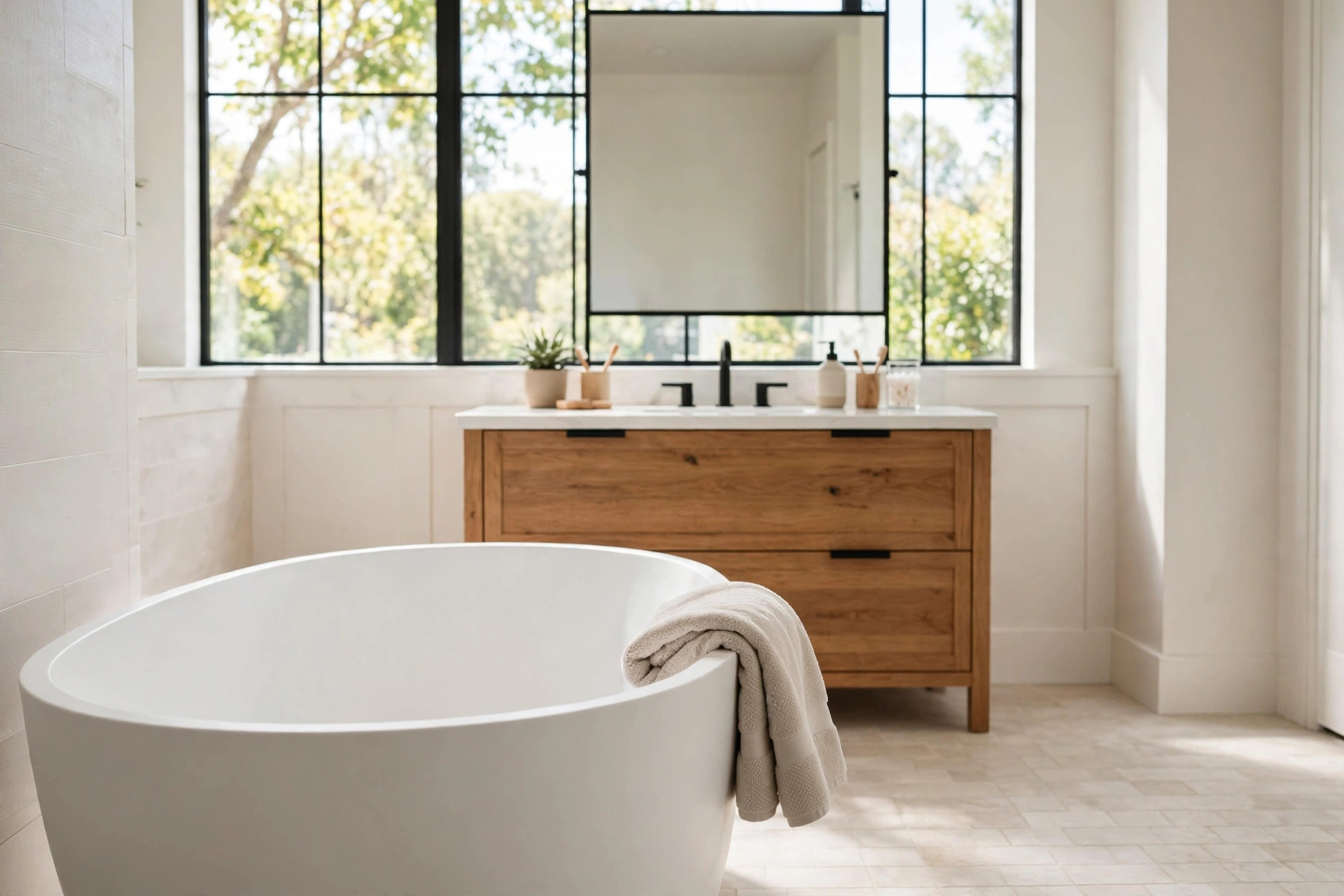

A freestanding soaking tub is one of the finest comforts a home can offer. This freestanding soaking tubs reviews buying guide usa will help you choose with care. A long bath after a hard day can calm the mind and ease sore muscles. More and more American families now put a deep soaking tub at the center of a bathroom remodel. It looks fine. It feels better.
But not every tub suits every home. Size, weight, material, and cost vary a great deal. Some tubs need strong floors. Some need long fill times. This guide walks through the facts in plain terms so you can buy with full knowledge and no regret.
Why It Matters
A standard bathtub holds about 14 inches of water. A soaking tub often holds 17 to 19 inches or more. That extra depth lets you sink in to the shoulders. The heat reaches the chest and the neck. Warm water eases tired joints. It slows the heart rate. It invites rest.
A freestanding tub also changes the look of a room. Unlike an alcove tub, it stands alone. It needs no wall to lean on. Placed well, it becomes the center of the bath. Home buyers notice it. A well-planned bath can add real value to a house. Real estate writers at HGTV often point to the master bath as a room that moves buyers.
A tub is also a long-term choice. It may last 20 to 30 years. The wrong tub brings years of trouble: slow drains, cold water, a floor that strains under the load. The right tub brings years of quiet comfort. That is why this freestanding soaking tubs reviews buying guide usa takes time with the details.
What to Look For: Freestanding Soaking Tubs Reviews Buying Guide Usa
Size and Fit
Start with a tape measure. A typical soaking tub is 60 to 72 inches long. Oval models run 59 to 67 inches. Width is often 28 to 33 inches. Depth runs 20 to 28 inches.
Measure the door. The tub must pass through it. Measure the hall and the stair turns. Many buyers forget this step and pay for it later. Leave at least 6 inches of clear space around the tub for cleaning. Plan the drain and the faucet side before you order. Freestanding tubs fill through a freestanding filler or a wall-mounted spout, and the rough plumbing must be set before the floor is finished.
Water Depth and Capacity
Depth matters more than length. A tub of 19 inches of soaking depth fits most adults to the shoulder. A 60-gallon tub fills fast and suits a standard water heater. An 80-gallon tub gives more room but takes longer to fill. Some large tubs need 100 gallons or more. A tankless heater or a large tank may be needed for those models.
Check your water heater before you buy. A 40-gallon tank can fill a 60-gallon tub if the start water is hot enough and no one else draws hot water. For bigger tubs, many homes need a 50 or 75-gallon tank. A plumber can confirm.
Material
Acrylic is the most common choice. It is light, warm to the touch, and holds heat well. It resists chips and scratches. Good acrylic tubs cost less than cast iron and are easy to set in place.
Cast iron with an enamel coat is the old classic. It is very heavy, sometimes 300 to 500 pounds empty. It holds heat for a long time. The surface is glass smooth and lasts for decades. The floor under it must be strong.
Stone resin is a newer mix of stone and plastic resin. It feels like solid stone. It keeps water warm. It is heavy but lighter than cast iron. Copper tubs look fine and kill some germs on their own, but they cost a great deal and need care.
Avoid thin fiberglass tubs if you want a true soak. They flex and cool fast. They suit a quick rinse, not a long rest.
Weight and Floor Strength
A filled soaking tub is heavy. A 60-gallon tub plus a bather can weigh 600 to 800 pounds. A 100-gallon cast iron tub can pass 1,000 pounds. Most floors built to code can carry this if the load spreads over enough joists. But old homes and upper floors need a check. A builder or an engineer can tell you if the joists need help. Never skip this step with cast iron.
Faucet and Drain
Freestanding tubs pair with freestanding fillers. The filler stands on the floor next to the tub. Some buyers choose a wall-mounted spout. Both work. The freestanding filler costs more but looks complete. Check the drain speed. A slow drain cools the water as you sit. A good drain of standard size clears a full tub in a few minutes.
Types of Freestanding Soaking Tubs
Oval Tubs
Oval tubs are the classic choice. They fit most bodies. They use less water than round tubs. They suit rooms of medium size. Most reviews rate oval acrylic tubs highest for comfort per dollar.
Rectangular Tubs
Rectangular tubs look modern. They fit well along a wall. They often have more flat back support. They can be harder to find in deep-soak depths.
Round Tubs
Round tubs make a bold mark. They need a large room. They hold the most water. They take the longest to fill. They suit two bathers.
Slipper Tubs
Slipper tubs have one raised end. The back rises like a chair. They look old and fine. They give fine back support. They suit readers and long soakers.
Japanese-Style Tubs
These are deep and short. They let you sit upright in deep water. They use less floor space. They need less water than long tubs. They are a smart pick for small baths.
Reviews: What Buyers Say
Reviews from American buyers repeat the same lessons year after year. Shoppers praise acrylic tubs for light weight and warm feel. They praise cast iron for heat and long life. They warn about cheap tubs with thin walls. Thin walls cool fast and flex under weight.
Buyers at The Home Depot and Lowe’s often note the fill time in their reviews. A tub that takes 15 minutes to fill tests patience. A tub with a fast filler and a good heater fills in 7 to 10 minutes. That gap decides how often the tub gets used.
Guides at Bob Vila and This Old House stress the floor check and the heater check. Skip those two checks and even a fine tub brings grief. Reviews also warn about slip. A smooth tub with no texture needs a mat or a textured floor.
Price reviews are mixed. Budget tubs under 800 dollars can serve well if the walls are thick and the brand is sound. Mid-range tubs of 1,000 to 2,500 dollars win most praise. High-end tubs above 3,000 dollars win on looks and feel but not always on function.
Cost and Price
Expect these ranges for the tub alone in the USA:
– Budget acrylic soaking tubs: 500 to 1,000 dollars. – Mid-range acrylic or stone resin tubs: 1,000 to 2,500 dollars. – Cast iron soaking tubs: 2,000 to 5,000 dollars. – Copper and solid stone tubs: 4,000 to 10,000 dollars and up.
The tub is only part of the cost. A freestanding filler runs 300 to 1,200 dollars. Delivery of a heavy tub can add 150 to 400 dollars. Setting the tub in place may cost 500 to 1,500 dollars with a plumber. Floor work, if needed, can add much more.
Watch for hidden costs. A new water heater can run 1,000 to 3,000 dollars installed. Floor joist work can run 1,000 dollars or more. Tile and trim around the tub add cost too. Get a full quote before you sign.
Many buyers pair a tub project with other bath work. New frameless shower doors and a quiet exhaust fan are common adds. A towel warmer keeps robes warm for the step out of the tub. Plan the whole bath at once to save on labor.
Care and Upkeep
Acrylic tubs clean with mild soap and a soft cloth. Never use harsh scouring powder. It scratches the surface. Rinse after each bath to stop soap film. A paste of baking soda and water lifts most stains.
Cast iron enamel needs soft cleaners too. Harsh acid cleaners dull the enamel over time. Dry the rim after use to stop rust at chips. Touch up small chips with enamel repair paint.
Stone resin cleans like acrylic. Copper tubs need special wax to keep their shine. Never use bleach on copper. It stains the metal.
Keep the drain clear. A hair catcher in the drain stops most clogs. Once a month, flush the drain with hot water. Check the caulk line where the filler meets the floor each year. Old caulk lets water reach the floor below.
The Spruce offers fine care guides for bath fixtures. Simple habits keep a tub new for decades.
Safety
Hot water can burn. Set the water heater to 120 degrees. That is hot enough for a fine soak and safe enough to stop scalds. Test the water with your hand before you step in.
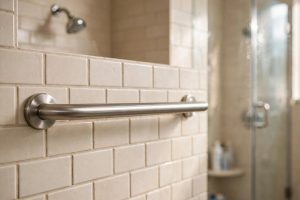
Wet porcelain and acrylic are slick. Place a non-slip mat in the tub. Place a bath rug on the floor. Older bathers may want grab bars. Grab bars can be fixed to a stud in the wall near the tub. They are not just for the old. Anyone can slip.
Never leave a child alone in a filled tub. Even a few inches of water can harm a small child. Drain the tub when the bath is done.
Heavy tubs need care in moving. Do not drag a tub across a finished floor. Use a dolly and soft pads. Two strong adults can move an acrylic tub. Cast iron needs three or four, or a pro crew.
If the tub will not be used for a long time, drain it fully. Stale water leaves rings and feeds germs. Wipe it dry. Leave the drain open a crack so air moves through.
Frequently Asked Questions
How much water does a freestanding soaking tub use?
Most use 50 to 80 gallons per bath. Small Japanese-style tubs may use 40 gallons. Large round tubs may use 100 gallons or more. Check the tub spec sheet before you buy. Then check your water heater.
Do I need a plumber to install a freestanding tub?
Yes, in most cases. The drain and the filler rough-in must be set right. The tub must be level. A bad level tub pools water at one end. A licensed plumber sets it in a few hours. The floor check may need a builder too.
Can I put a freestanding tub on an upper floor?
Often yes, if the floor is sound. Most modern floors carry a filled acrylic tub with no trouble. Cast iron on an old upper floor needs an engineer to check the joists. When in doubt, ask a pro. It costs less than a repair.
How long does a freestanding soaking tub last?
A good acrylic tub lasts 15 to 25 years. Cast iron can last 30 years or more. Copper lasts decades with care. Cheap thin tubs may fail in under 10 years. The drain and the filler may need parts sooner than the tub itself.
Are freestanding tubs harder to clean than built-in tubs?
They need a bit more care. You must clean all sides, since all sides show. But there are no tile grout lines to scrub. Most owners say the extra wipe takes only a few minutes.
What brands make good freestanding soaking tubs?
Well-known makers include Kohler, Moen, Delta Faucet, and American Standard. Each sells lines of tubs and fillers in many styles. Read current reviews, check the warranty, and compare the wall thickness before you choose.
A Short Final Word
A freestanding soaking tub is a buy you will feel every week. Take your time. Measure the room. Check the floor. Check the heater. Read reviews with care. Choose a thick-walled tub from a sound maker. Then enjoy the deep warm water for years to come. This freestanding soaking tubs reviews buying guide usa aimed to give you the plain facts. The rest is up to you, and a long quiet bath.
References
American Standard. (n.d.). Bathroom and kitchen products. https://www.americanstandard.com Bob Vila. (n.d.). Home improvement advice. https://www.bobvila.com Delta Faucet. (n.d.). Kitchen and bathroom faucets. https://www.deltafaucet.com HGTV. (n.d.). Home and garden ideas. https://www.hgtv.com Kohler. (n.d.). Bathroom and kitchen fixtures. https://www.kohler.com Lowe’s. (n.d.). Home improvement products. https://www.lowes.com Moen. (n.d.). Faucets and plumbing fixtures. https://www.moen.com The Home Depot. (n.d.). Home improvement products. https://www.homedepot.com The Spruce. (n.d.). Home and garden advice. https://www.thespruce.com This Old House. (n.d.). Home renovation guidance. https://www.thisoldhouse.com
Was this guide helpful?

About Michael Thompson
The My Garden US editorial team writes practical, in-depth home and garden guides for American homeowners — tested advice, no fluff.
You May Also Like

Rain Shower Heads for Florida Homes: A Complete Buying Guide
August 1, 2026 0 views
Bathroom Vanity Light Bars Reviews Buying Guide USA
February 13, 2026 0 views
Bathroom Vanity Light Bars Buying Guide USA: How to Choose the Right One
February 20, 2026 0 views