
Many home gardeners ask about garlic bulbs planting where to buy USA sources of good seed garlic. Garlic is one of the easiest crops to grow. It asks for little space and little care. Yet the quality of the bulbs you plant decides the size of the harvest you reap. This guide walks through the whole process. It covers where to buy seed garlic in the United States, how to pick healthy bulbs, when to plant, how to care for the crop, and what to expect at harvest time.
Why Planting Your Own Garlic Matters
Store garlic is grown for the shelf, not for the soil. The heads in the market are often treated to stop sprouting. They may carry disease. They are rarely labeled with a variety name. When you plant your own garlic, you choose the variety. You know the source. You control the soil and the care.
Home grown garlic tastes sharper and fresher than store heads. Many gardeners find that one good row of garlic can supply a kitchen for most of the year. A small plot of four by eight feet can hold more than one hundred cloves. That is enough for cooking and for saving seed for the next season.
Garlic also fits well into a busy life. You plant it in the fall. It rests through the winter. It grows in the spring and is ready by early summer. For most of that time it needs almost no work. It is one of the few crops that rewards the gardener who plans ahead and then does very little.
What to Look for When You Buy Garlic Bulbs for Planting: Garlic Bulbs Planting Where to Buy Usa
Seed Garlic Versus Grocery Garlic
The first rule is simple. Buy seed garlic, not grocery garlic. Seed garlic is grown for planting. It is inspected for disease. It is kept in the right conditions. Grocery garlic comes from unknown fields. It may be a softneck variety that does not suit your climate. It may have been sprayed with a sprout inhibitor. Some imported heads may carry pests or viruses that can live in your soil for years.
A good seed garlic seller will name the variety. They will tell you whether it is hardneck or softneck. They will ship at the right time for fall planting. Burpee, for example, is one of the old seed houses that lists named garlic varieties for home growers. Park Seed and Gurney’s also offer seed garlic in their fall catalogs.
Signs of Quality
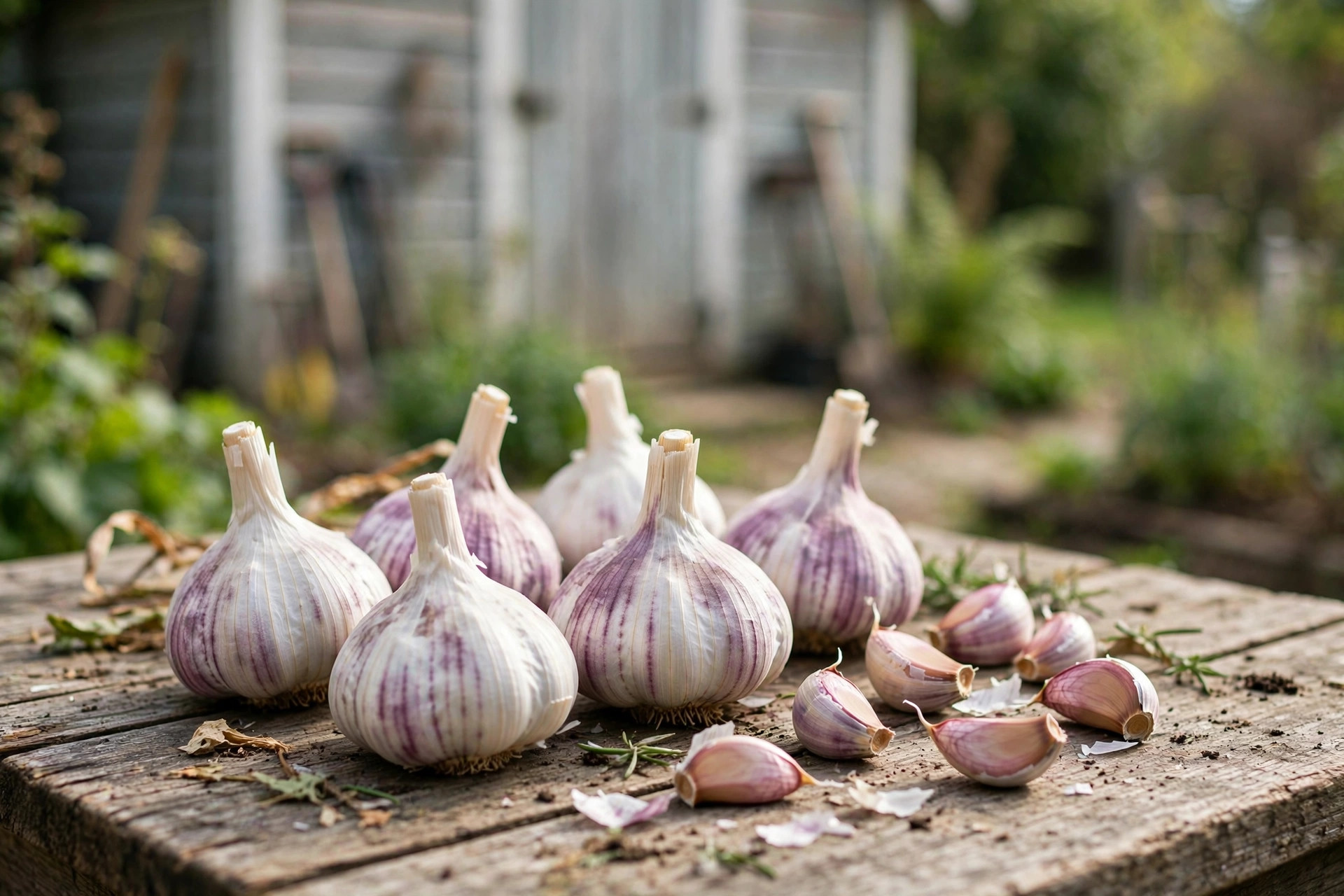
Look for large, firm bulbs with tight skins. The cloves should feel solid, not soft or hollow. Avoid bulbs with green mold, dark spots, or a sour smell. Each head should break into plump cloves with the paper skin intact. Small, shriveled cloves will grow into small, weak plants.
Buy from a seller in your own region when you can. Garlic adapts to local soil and weather over time. A variety grown for years in the Northeast will do better there than the same variety raised in the Deep South. Many small farms sell regionally adapted seed garlic at fall markets and through mail order.
Types of Garlic Bulbs to Plant
Garlic falls into two broad groups. The group you choose should match your climate.
Hardneck Garlic
Hardneck garlic grows a stiff stem through the center of the head. It forms fewer but larger cloves in a single ring. The flavor is strong and rich. Hardneck types need cold winters to form full bulbs. They do best in the northern half of the country, from New England through the Midwest and the mountain West.
Hardneck garlic also gives a bonus crop. In early summer it sends up a curly flower stalk called a scape. Gardeners cut the scapes and cook them like green beans. Cutting the scapes also sends more energy to the bulb below.
Popular hardneck varieties include Music, German Extra Hardy, and Chesnok Red. A gardening calendar from the Old Farmer’s Almanac helps growers time fall planting by region.
Softneck Garlic
Softneck garlic has no stiff stem. Its cloves form in several layers around a soft center. It keeps longer in storage than hardneck, often for eight months or more. The flavor is milder. Softneck types do not need a hard freeze. They are the right choice for the South, the Gulf Coast, and the mild parts of the West.
Most braids of garlic seen at fairs are softneck, because the soft stems weave easily. Common softneck varieties include California Early, Inchelium Red, and Silverskin. If your winters are short and warm, softneck is the safer bet.
Where to Buy Garlic Bulbs for Planting in the USA
Fall is the buying season. Most sellers take orders from late summer through October and ship in time for planting. Here are the main sources American gardeners use.
Seed companies are the most common source. Burpee, Park Seed, and Gurney’s sell named varieties by mail and online. Their catalogs describe each variety and note the best regions for it. White Flower Farm offers garden bulbs and plants with detailed growing notes.
Specialty garlic farms are another fine source. These small growers often sell at farmers markets and through their own websites. They can tell you exactly how a variety did in soil like yours. Buying from a nearby farm also cuts shipping stress on the bulbs.
Local garden centers stock seed garlic in the fall. The stock may be limited to two or three varieties. The advantage is that you can hold the bulbs in your hand before you buy. You can also ask the staff what sells well in your town.
Online marketplaces carry seed garlic too, but buy with care. Check reviews. Make sure the seller names the variety and ships at planting time. Avoid listings that show stock photos of grocery garlic.
For research on plant health and growing practices, the National Institute of Food and Agriculture supports agricultural extension programs across the country. Your county extension office can also name trusted local sources.
Gardeners who want garlic bulbs planting for sale usa listings with current season stock should start their search by early September, when the best varieties sell out first.
Cost and Price
Seed garlic costs more than grocery garlic. That is normal. You are paying for clean stock, named varieties, and true seed quality.
A single bulb of seed garlic usually sells for two to five dollars at retail. Most sellers offer packs. A quarter pound pack, which holds about two to three bulbs, often costs eight to fifteen dollars. A one pound pack, enough for a small row of thirty to forty cloves, runs fifteen to thirty dollars. Rare or new varieties can cost more.
For a home garden, one pound of seed garlic is plenty for a first planting. It will yield several pounds at harvest. If you save the largest heads for replanting, you will never need to buy seed garlic again. Many gardeners treat the first purchase as a one time investment.
Shipping adds to the cost for mail orders. Some sellers offer free shipping over a set order size. Ordering with a neighbor can split the cost. Gardening Know How and The Spruce both publish seasonal buying tips that help new growers compare prices.
How to Plant Garlic Bulbs
When to Plant
Plant garlic in the fall, four to six weeks before the ground freezes hard. In the North, that means late September through October. In the South, November or even December works. The cloves need time to grow roots before winter but should not send up much green top growth.
A soil thermometer helps. Plant when the soil is near 60 degrees Fahrenheit at four inches deep. If you plant too early in warm soil, the cloves may sprout too much and suffer in winter. If you plant too late, the roots will be weak.
Steps for Planting
Pick a sunny spot with soil that drains well. Garlic hates wet feet. Work compost into the top six inches of soil. The bed should be loose and rich.
Break each bulb into cloves just before planting. Keep the paper skin on each clove. Plant only the largest cloves from the outer ring. Small inner cloves grow into small bulbs.
Push each clove two inches deep, pointy end up. Space the cloves six inches apart in rows one foot apart. Water the bed well after planting. Then cover the bed with four to six inches of straw or shredded leaves. The mulch keeps the soil temperature steady and stops weeds.
Mark the rows with labels. In the spring, when green shoots push through the mulch, you will be glad you did. Proven Winners and Monrovia keep plant care libraries with general guidance on soil preparation and mulching.
Care and Upkeep
Garlic is a low care crop, but a few tasks raise the harvest.
Water in the spring if rain is scarce. Garlic needs about one inch of water per week while it is growing fast. Stop watering two to three weeks before harvest. Dry soil at the end helps the bulbs cure.
Feed the plants once in early spring. A side dressing of compost or a balanced garden fertilizer is enough. Too much nitrogen late in the season grows leaves at the cost of bulbs.
Pull weeds by hand. Garlic has shallow roots and does not compete well. The straw mulch laid at planting time does most of the weed work for you.
Watch for pests. Onion maggots and aphids are the usual foes. Crop rotation helps. Do not plant garlic where onions or garlic grew in the last three years. Healthy seed garlic from a clean source is the best defense against disease.
Harvest when the lower leaves turn brown but five or six green leaves remain. In most regions this is late June or July. Dig carefully with a fork. Do not pull the plants by the stems. Cure the bulbs in a dry, airy, shaded spot for two to three weeks before trimming the tops and roots.
Gardeners planting onion sets planting for sale usa crops alongside garlic will find the timing and care much the same, since both are fall or early spring alliums.
Safety
Garlic is safe for most people to grow and eat. A few points deserve care.
Wash your hands after handling soil and compost. Wear gloves if you have cuts. Soil can carry bacteria that enter through broken skin.
Store seed garlic in a cool, dry place until planting. Do not store it in sealed plastic bags. Trapped moisture breeds mold.
Keep garlic away from pets in large amounts. Dogs and cats can be harmed by eating much garlic or onion. Store harvested bulbs where pets cannot reach them.
Use clean tools. Disinfect your trowel and fork between beds if you suspect disease. Do not compost diseased plants. Bag them and throw them away.
Read labels on any fertilizer or pest product you use. Follow the rates on the package. More is not better.
FAQ
How many cloves should I plant for a family of four? Plant about fifty to one hundred cloves. That is roughly two to three pounds of seed garlic. It will yield fifteen to thirty pounds at harvest, enough for cooking through the year with some left for replanting.
Can I plant garlic from the grocery store? You can, but it is a gamble. Grocery garlic may be treated to stop sprouting. It may carry disease. The variety may not suit your climate. Seed garlic costs more but gives a far better result.
What is the difference between hardneck and softneck garlic? Hardneck garlic has a stiff central stem, fewer large cloves, and strong flavor. It needs cold winters. Softneck garlic has layered cloves, milder flavor, and longer storage. It suits warm climates.
When will my garlic be ready to harvest? Most garlic is ready in late June or July, about eight to nine months after fall planting. Harvest when the lower leaves brown but several green leaves remain. Dig one bulb to check size before harvesting the whole bed.
Can I grow garlic in containers? Yes. Use a pot at least twelve inches deep with drainage holes. Fill it with rich potting soil. Plant cloves six inches apart and two inches deep. Water through the growing season. Container garlic needs winter cold too, so keep the pot in an unheated garage or bury it in mulch in cold regions.
Do I need to buy new seed garlic every year? No. Save the largest, healthiest heads from each harvest for replanting. Over a few years your garlic will adapt to your soil. Buy fresh seed stock every three to four years to keep the line vigorous and disease free.
A Short Final Word
Good garlic starts with good seed. Take time to find a trusted seller. Choose a variety that fits your climate. Plant at the right time in rich, well drained soil. Then let the winter and spring do their work. By early summer you will dig up heads far better than anything from a store shelf. Fall bulb planting is a small habit with a large reward, much like following a daffodil bulb packs buying guide usa before ordering spring flowers. Start this fall, and your kitchen will thank you next year.
References
Burpee. (n.d.). Seeds, plants, and gardening supplies. https://www.burpee.com Gardening Know How. (n.d.). Gardening guides and plant care. https://www.gardeningknowhow.com Gurney’s Seed & Nursery Co. (n.d.). Seeds, plants, and garden supplies. https://www.gurneys.com Monrovia. (n.d.). Plants for home gardens. https://www.monrovia.com National Institute of Food and Agriculture. (n.d.). Agricultural research and extension. https://www.nifa.usda.gov Park Seed. (n.d.). Seeds, plants, and gardening supplies. https://www.parkseed.com Proven Winners. (n.d.). Plants and gardening inspiration. https://www.provenwinners.com The Old Farmer’s Almanac. (n.d.). Gardening calendars and advice. https://www.almanac.com The Spruce. (n.d.). Home and garden advice. https://www.thespruce.com White Flower Farm. (n.d.). Plants, bulbs, and garden supplies. https://www.whiteflowerfarm.com
Was this guide helpful?

About James Carter
The My Garden US editorial team writes practical, in-depth home and garden guides for American homeowners — tested advice, no fluff.
You May Also Like
Where to Find Morning Glory Seeds for Sale in the USA
April 14, 2026 0 views
Dahlia Bulbs Bulk Florida Homes USA: A Simple Guide to Planting and Care
January 30, 2026 0 views
How to Grow Bell Peppers: USA Gardener’s Guide
October 6, 2026 1 views