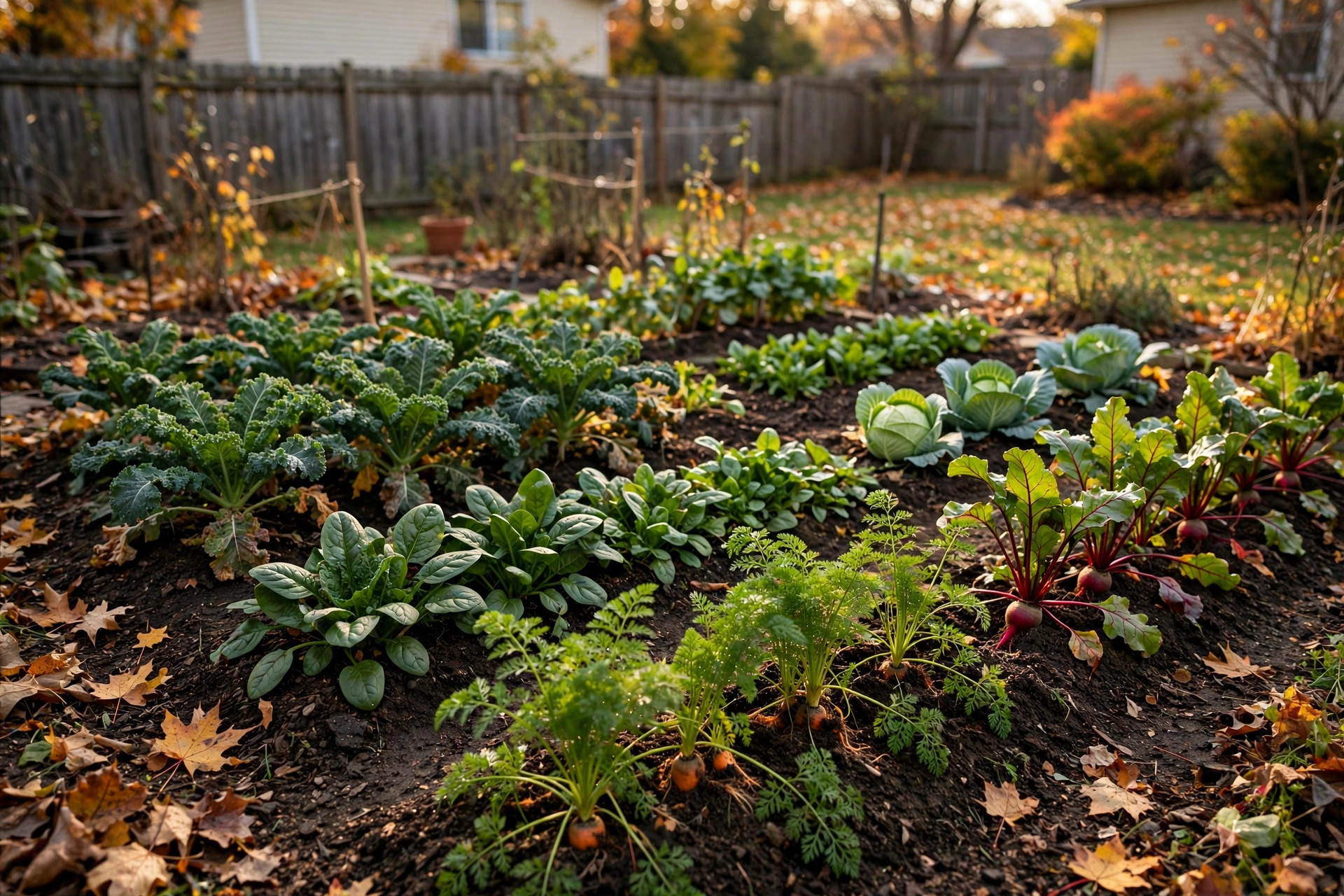

Many gardeners stop work when summer ends. The seed packets get put away. The beds sit empty. This is a missed chance. Some of the finest garden crops grow in the cool days of autumn. The list of cold weather vegetables to plant fall crops is long and full of good eating.
These plants like cool air. Some taste sweeter after a light frost. They grow best when day time heat drops and nights turn crisp. This guide explains what to plant, when to plant it, and how to care for it. It covers cost, care, and safety too. By the end you will have a clear plan for your own fall garden planting schedule.
Why Fall Vegetables Deserve a Place in Your Garden
Summer gardens get all the praise. Tomatoes, peppers, and corn take the stage. But fall crops have quiet strengths. Cool soil holds water longer. Pests slow down. Weeds grow less fast. You spend less time on hard work.
Many cold weather vegetables to plant fall varieties improve in flavor as the weather cools. Kale, carrots, and Brussels sprouts turn starch into sugar when nights grow cold. A carrot pulled after the first light frost tastes sweeter than one pulled in August. This is not a trick. It is plant chemistry. Cool air slows growth and lets sugars build up in the leaves and roots.
Fall gardening also stretches your harvest. Instead of a bare yard from September to March, you can pick fresh greens into November or later.
There is another gain. Fall rain does much of the watering for you. Your water bill drops. Your plants still thrive.
How to Choose Cold Weather Vegetables to Plant Fall
Not every vegetable likes the cold. Warm season crops like tomatoes and peppers stop growing when frost nears. You must pick plants built for cool air. Here is how to make good choices.
Know Your First Frost Date
The first frost date is the most important number in fall gardening. It tells you when cold weather will likely arrive. Count back from that date to find your planting window. Seed packets list “days to maturity.” If spinach needs 40 days and your first frost is October 15, plant by early September. Many extension guides and garden sites like The Spruce publish regional frost date charts that help with planning.
Give yourself a safety margin. Plant a week or two earlier than the count says. Cool days slow growth.
Pick Frost Tolerant Vegetables
Some plants die at the first frost. Others shrug it off. Many cold weather vegetables to plant fall crops handle frost well. Kale, spinach, and garlic can take hard freezes. Lettuce and radish handle light frost. Know which plants need cover and which do not. Lowe’s garden centers often label fall plants with cold tolerance ratings that make this easy.
Match the Plant to Your Climate
Gardeners in the far south can plant through winter. Gardeners in the north have a short window. A gardener in Florida can grow frost tolerant vegetables from October to March. A gardener in Minnesota must plant in July or August for a fall harvest. Match your planting plan to your zone, not to a general calendar.
Start with Seeds or Transplants
Seeds cost less and give more choice. Transplants save time. In late summer, soil is warm and seeds sprout fast. If you are late, buy transplants from a local nursery to catch up.
The Best Cold Weather Vegetables to Plant Fall
Here are the top choices. Each one earns its place with cold hardiness, good yield, and fine flavor.
Leafy Greens
Leafy greens are the stars of the fall garden. They grow fast and stand cold well.
Spinach loves cool soil. Sow it in late summer for a fall crop. It can survive under snow in many zones and grow again in spring. Harvest outer leaves and let the center keep growing.
Kale is the toughest green of all. It grows through hard frost. Many types survive winter in zone 7 and warmer. Sow seeds directly or set out transplants. Pick leaves from the bottom up.
Lettuce prefers cool weather too. Heat makes it bitter. Fall lettuce tastes mild and crisp. Choose loose leaf types for fast harvests.
Arugula grows fast and adds a sharp, peppery bite to salads. Sow it every two weeks for a steady supply.
Mustard greens and collards have deep southern roots. They thrive in fall. Collards improve after frost. Cut leaves as needed.
Root Vegetables
Roots grow underground, where soil stays warmer than air. This makes them fine fall crops.
Carrots are a fall classic. Sow seeds in loose, stone free soil. Thin the rows so roots have room to grow. Cold turns their starch to sugar. Pull them after the first frost for the sweetest flavor.
Beets grow well in cool weather. Both roots and tops are good to eat. Sow seeds half an inch deep. Thin seedlings to three inches apart.
Radishes are the fastest crop in the garden. Some types mature in 25 days. Sow them in late summer for quick fall harvests. They like cool, moist soil.
Turnips give two crops in one. The roots are mild and sweet after frost. The tops cook like other greens. Sow seeds directly.
Parsnips take longer but reward patience. Sow them in spring or early summer for fall digging. Frost sweetens them.
Brassicas
The cabbage family loves cool air. Heat causes stress. Fall is their best season.
Broccoli forms heads better in cool weather. Set out transplants in late summer. Water well. Cut the main head when tight. Side shoots keep coming for weeks.
Cauliflower needs steady moisture and cool air. Transplants work better than seeds for fall crops. Tie leaves over the head to keep it white.
Cabbage stores well and feeds a family for weeks. Choose varieties matched to your season length. Early types need about 60 days.
Brussels sprouts need a long season. Start them early. Frost improves their flavor. Pick sprouts from the bottom of the stalk upward.
Garlic and Onions
Garlic is the easiest fall crop. Plant cloves in October or November, pointed end up, two inches deep. Mulch the bed. The cloves root before winter and shoot up in spring. Harvest comes the next summer. Few crops ask for so little and give so much.
Fall planted onions work in mild areas. Use sets or transplants of short day types. They grow through winter and bulb up in spring. In cold zones, grow them as green onions and pull them young.
Peas
Peas like cool weather. Sow them in late summer for a fall crop. Choose early varieties that mature in 60 days. Give them a trellis to climb. Heavy frost will end the crop, so time them to finish before hard freezes.
What Tools Make Fall Planting Easier
Good tools save time and protect your back. You do not need much, but a few basics help.
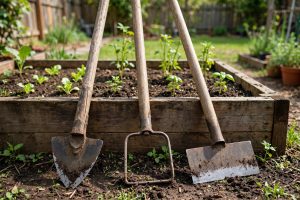
A sturdy garden fork loosens soil without turning it over. A sharp hoe cuts weeds fast. A hand trowel handles transplant holes. Pruners snip dead leaves and harvest stems cleanly. Quality hand tools from makers like Fiskars and Corona last many seasons when cleaned after use.
A soil thermometer takes the guesswork out of timing. A quick check tells you when to sow. A rain gauge tracks natural water so you do not overwater.
Row cover fabric is the fall gardener’s best friend. This light cloth lets sun and rain through but holds in warmth. It guards against frost and insects. Simple clips hold it down in wind.
Mulch matters more in fall than in summer. Straw, shredded leaves, or bark protect roots from freeze and thaw cycles. Spread three to four inches around plants after the soil cools.
For watering, a good hose and a gentle spray nozzle work well. A garden sprayer for weed control keeps paths clear without disturbing young plants. And since late summer sun can still be strong when you plant, a garden hat with UV protection makes long planting sessions more comfortable.
Consumer testing groups like Consumer Reports publish ratings on garden tools and hoses that can guide your purchases. Stores such as The Home Depot carry most fall garden supplies in one trip.
Cost and Price of a Fall Vegetable Garden
Fall gardening costs little. Most of the expense is seed and soil care.
A packet of vegetable seed costs between two and four dollars. One packet plants a long row. For a small family garden, ten to fifteen dollars in seed grows months of food. Transplants cost more, often three to five dollars per plant. They save time but raise the total.
Soil amendments are the next cost. A bag of compost costs five to ten dollars. Test your soil first so you buy only what you need.
Row cover fabric costs about twenty to thirty dollars for a large piece. It lasts several seasons if stored dry. Hoops made from wire or PVC pipe cost a few dollars. Mulch is often free. Shredded fall leaves cost nothing and work well.
Water costs drop in fall. Rain handles much of the job. You may water only at planting time and during dry spells.
Compare this to grocery prices. A bag of organic spinach costs four or five dollars. A fall bed can grow many times that value, so most gardeners come out ahead after buying seed and supplies.
Start small if money is tight. One bed of spinach, lettuce, and radishes costs under twenty dollars to plant. It will feed salads for weeks. Add more beds as you gain skill.
Care and Upkeep Through the Season
Fall crops need less care than summer crops, but they still need attention.
Water seeds well at planting. Late summer soil can be dry. Keep the top inch moist until seeds sprout. A light mulch or burlap over the row holds moisture. Remove it when seedlings appear.
Thin seedlings on time. Crowded plants grow weak. Follow the spacing on the seed packet.
Weed lightly and often. Weeds steal water and food. A quick pass with a hoe each week keeps them down.
Feed plants lightly. Fall crops grow slower and need less food than summer crops. Too much nitrogen late in the season makes soft growth that frost damages. A side dressing of leaf mold compost at planting is often enough.
Watch for pests. Cabbage worms and aphids still appear in fall. Row cover blocks many insects. Hand picking works for small gardens. Advice columns at Family Handyman and Bob Vila offer seasonal pest control tips suited to home gardeners.
Protect plants as frost nears. Cover tender crops with row cover or old sheets when frost threatens. Remove covers in the morning so plants get sun.
Clean up at season end. Pull dead plants. Compost healthy tops. Add fallen leaves to the compost pile. A clean bed starts spring ahead. This simple autumn vegetable garden routine keeps disease from carrying over to next year.
Safety in the Fall Garden
Gardening is safe work, but a few rules keep it that way.
Dress for the weather. Fall mornings are cold. Wear layers you can remove as the day warms. Keep hands warm with gloves.
Use tools with care. Keep blades sharp. Cut away from your body. Store tools out of reach of children.
Lift with your legs. Bags of compost and soil are heavy. Bend your knees and keep your back straight. Ask for help with the heaviest loads.
Wash produce well. Fall rain can splash soil onto leaves. Rinse greens in clean water. This removes dirt and small insects.
Store chemicals safely. Keep fertilizers and pest products in locked sheds. Follow label directions. Wash hands after use.
Watch for ticks in tall grass and leaf litter. Wear long sleeves when clearing brush.
Take breaks. Fall air feels fine, but work is still work. Drink water. Rest in shade. Gardening should build health, not strain it.
Frequently Asked Questions
When should I plant cold weather vegetables for fall?
Count back from your first expected frost date. Most fall crops need 40 to 70 days to mature. Plant in late summer, often July or August in northern areas and September in southern areas.
Which vegetables survive frost?
Kale, spinach, collards, garlic, and parsnips handle hard frost. Carrots, beets, and broccoli handle light frost. Lettuce and radishes need cover when hard frost comes.
Can I plant a fall garden in containers?
Yes. Lettuce, spinach, radishes, and herbs grow well in pots. Use containers at least six inches deep. Place them where they get four to six hours of sun. Containers cool faster than ground beds, so cover them early on frosty nights.
Do fall vegetables need fertilizer?
They need less than summer crops. Work compost into the bed before planting. This feeds plants slowly all season.
How do I protect plants from early frost?
Cover them with row cover fabric, old bedsheets, or buckets. Water the soil in the afternoon before a frosty night. Wet soil releases heat slowly. Remove covers in the morning.
What are the easiest cold weather vegetables to plant fall beginners?
Start with radishes, lettuce, spinach, and kale. They sprout fast and forgive mistakes. Garlic is also easy. Plant cloves in fall and harvest next summer. These crops build skill and confidence for bigger plantings later.
A Final Word
A fall garden asks little and gives much. The work is lighter than summer work. The pests are fewer. The flavors are often better. A packet of seed and a free afternoon can fill your table for weeks.
Start with a short list of cold weather vegetables to plant fall crops that suit your zone. Plant on time. Water at the start. Cover when frost comes. Then enjoy the quiet reward of picking fresh food as the year winds down. Many gardeners find fall becomes their favorite season in the garden. Yours can too.
References
Bob Vila. (n.d.). Home improvement advice. https://www.bobvila.com Consumer Reports. (n.d.). Product reviews and ratings. https://www.consumerreports.org Corona Tools. (n.d.). Garden and landscape tools. https://www.corona-tools.com Family Handyman. (n.d.). DIY home repair and maintenance. https://www.familyhandyman.com Fiskars. (n.d.). Garden and cutting tools. https://www.fiskars.com Gardener’s Supply Company. (n.d.). Gardening tools and supplies. https://www.gardeners.com Lowe’s. (n.d.). Home improvement products. https://www.lowes.com The Home Depot. (n.d.). Home improvement products. https://www.homedepot.com The Spruce. (n.d.). Home and garden advice. https://www.thespruce.com
Was this guide helpful?

About James Carter
The My Garden US editorial team writes practical, in-depth home and garden guides for American homeowners — tested advice, no fluff.
You May Also Like
Best Garden Hose Reel Cart Reviews: Which One Is Worth Your Money
January 11, 2026 0 views
The Best Plant Markers Waterproof for Garden Beds
July 12, 2026 0 views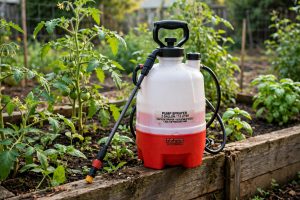
Best Garden Sprayer for Pesticides Reviews: How to Choose the Right One
April 6, 2026 0 views