---
Table of Contents
Table of Contents
- Ground Covers for Steep Hillsides: Why Ground Covers Beat Grass on Slopes
- Before You Plant: Read the Slope
- Best Ground Covers for Sunny Slopes
- Best Ground Covers for Shady Slopes
- Native vs Non-Native
- How to Plant on a Slope Without Losing Everything
- Holding the Hill While Plants Establish
- Long-Term Care
- When a Slope Needs More Than Plants
- References
A steep hillside is the hardest spot in the yard. Mowing it is dangerous. Grass thins out and washes away. Every hard rain carves little gullies and carries your soil downhill. The fix is to stop fighting the slope and plant it instead. Slope friendly ground covers for steep hillsides hold the soil with deep roots, cover the ground so rain cannot hit bare dirt, and look good doing it. This guide covers ground covers for steep hillsides in plain steps.
This guide covers the best ground covers for sun and shade, how to plant on a slope without everything washing away, and how to keep the hill stable while the plants fill in.
Ground Covers for Steep Hillsides: Why Ground Covers Beat Grass on Slopes
When it comes to ground covers for steep hillsides, getting the details right makes all the difference.
Many homeowners find that ground covers for steep hillsides is easier than they expected once they know the basics.
Grass on a steep slope is a losing battle. Mowers slide. String trimmers take forever. Thin turf lets rain hit bare soil, and bare soil on a slope erodes fast. Ground covers solve all of this at once.
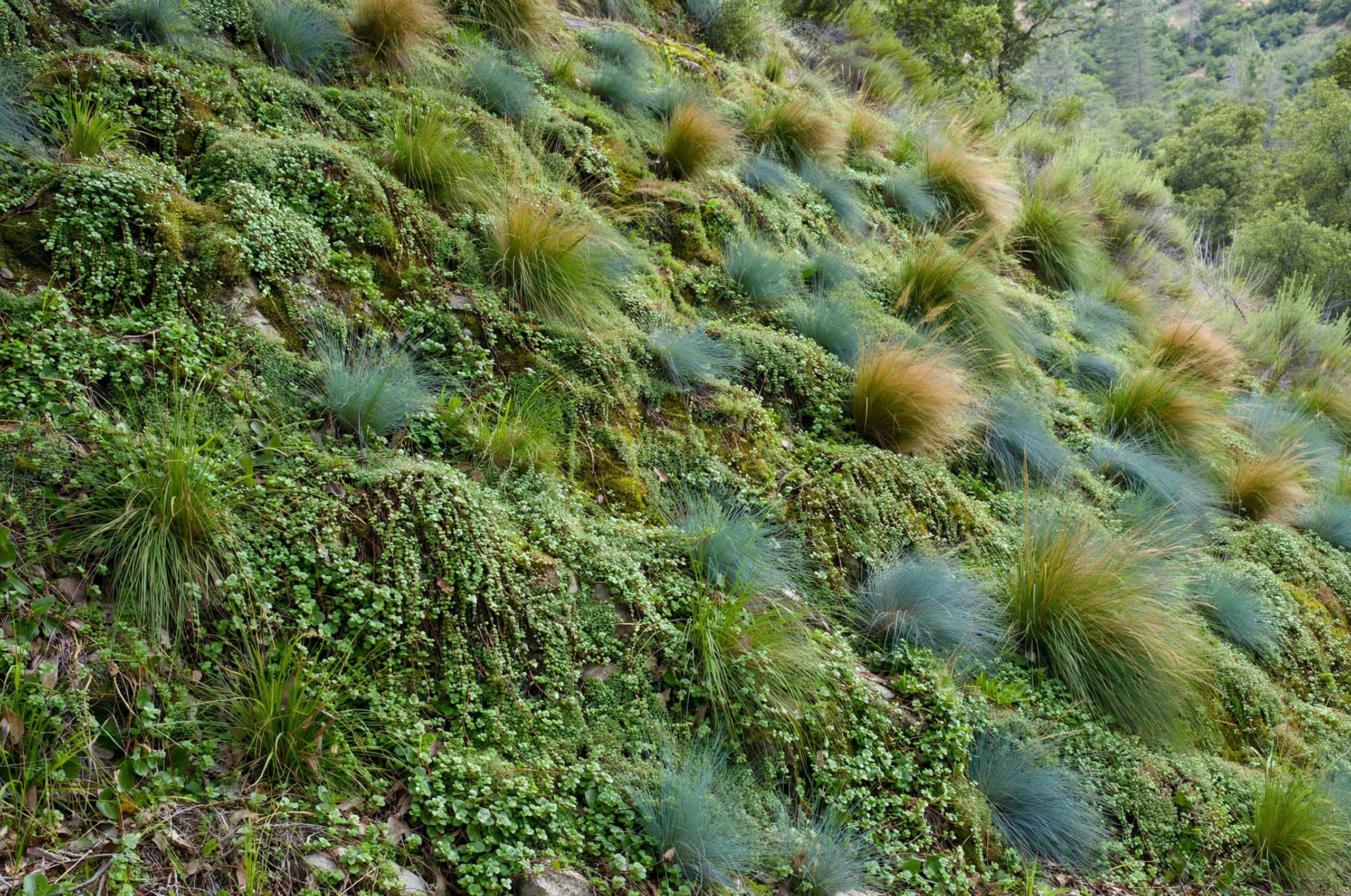
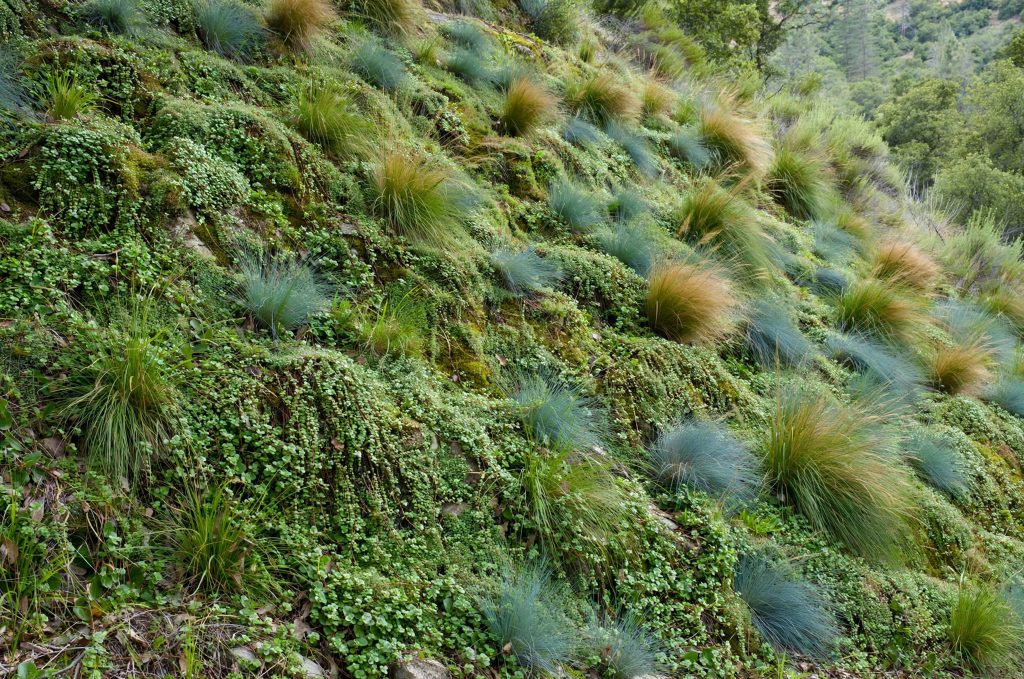
A good slope ground cover spreads to form a living mat. The leaves break the force of raindrops. The roots knit the soil together. Once established, most ground covers need no mowing, little water, and almost no fertilizer. They also shade out weeds, which is a big deal on a hill you do not want to climb with a weed whacker.
Before You Plant: Read the Slope
Many homeowners find that ground covers for steep hillsides is easier than they expected once they know the basics.
The key to ground covers for steep hillsides is choosing the right approach for your space and budget.
Walk the hill and note three things.
Sun or shade. Full sun opens up the biggest plant list. Shade narrows it, but shade ground covers exist and do well.
Soil. Dig a few test holes. Sandy soil drains fast and suits drought-tough plants. Clay holds water and suits plants that tolerate wet feet. Rocky soil needs tough customers.
Steepness. On gentle slopes, you can plant right into the ground. On steep slopes, you need erosion control fabric or jute netting to hold soil and mulch until the plants root in. The Missouri Botanical Garden's guide to dealing with slopes recommends erosion control fabric on slopes above ten percent grade and stronger measures above twenty percent.
Also call 811 before you dig anywhere. Buried utilities run through slopes just like flat yards.
Best Ground Covers for Sunny Slopes
The key to ground covers for steep hillsides is choosing the right approach for your space and budget.
With a little planning, ground covers for steep hillsides can fit even a busy schedule.
Creeping sedum (Sedum spp.). Also called stonecrop, creeping sedum forms mats of succulent foliage that hug the ground. It is drought-tough, needs almost no care, and many types bloom. Bob Vila's list of plants for erosion control puts creeping sedum first for good reason. Hardy in a wide range of zones. Extension Master Gardener notes add that low-growing sedums thrive in thin, poor soils and do well on dry, hot slopes.
Creeping juniper (Juniperus horizontalis). An evergreen workhorse. It spreads several feet wide, roots along its stems, and holds soil year round. Tough, drought-tolerant once established, and deer tend to leave it alone.
Daylily (Hemerocallis). Not a classic ground cover, but planted in masses on a slope, daylilies form dense root systems that grip soil hard. They bloom for weeks and shrug off neglect. The spreading types fill in fast.
Ornamental grasses. Little bluestem, prairie dropseed, and blue fescue have deep fibrous roots made for holding soil. They look great through fall and winter. Cut them back once in early spring and otherwise leave them alone.
Creeping thyme (Thymus serpyllum). For gentle slopes you walk on, creeping thyme forms a fragrant mat that tolerates light foot traffic and blooms for bees. It needs good drainage and full sun.
Ice plant (Delosperma). In warm climates, ice plant spreads fast over sunny banks and covers itself in bright flowers. It needs sharp drainage. Do not plant it where winter stays wet.
Best Ground Covers for Shady Slopes
With a little planning, ground covers for steep hillsides can fit even a busy schedule.
Before you start, it helps to understand how ground covers for steep hillsides works in real homes.
Pachysandra (Pachysandra terminalis). The classic shade ground cover. Evergreen, dense, and weed-smothering once established. It spreads steadily but not aggressively. Note that it is non-native, so some gardeners prefer native options below.
Wild ginger (Asarum canadense). A native woodland plant that forms colonies of heart-shaped leaves in shade. It handles slopes well and needs little care once settled. The Missouri Botanical Garden's native groundcover display notes highlight wild ginger as a strong native choice.
Sedges (Carex spp.). Native sedges like Pennsylvania sedge and oak sedge look like grass but thrive in dry shade where grass fails. They form soft mounds that knit together into a lawn-like cover you never mow.
Sweet woodruff (Galium odoratum). Fragrant white flowers in spring, whorled leaves the rest of the season. Spreads nicely in moist shade. It goes dormant in hot dry summers in some regions, so pair it with evergreen companions.
Ajuga (Ajuga reptans). Glossy leaves, blue flower spikes in spring, and fast spreading. It tolerates a range of conditions but can be pushy, so give it boundaries.
Ferns. Christmas fern and other evergreen ferns anchor shady slopes beautifully. Their fibrous root masses hold soil, and they look good all year. For more shade-tolerant options, see Gardening Know How's guide to erosion control plants for shaded hillsides and the University of Georgia's list of ground covers for shaded landscapes.
Native vs Non-Native
Before you start, it helps to understand how ground covers for steep hillsides works in real homes.
A good plan for ground covers for steep hillsides saves time, money, and frustration.
Native ground covers support local insects and birds, and they are adapted to your rainfall patterns. Non-natives like English ivy and periwinkle cover fast but can escape into wild areas and smother native plants. Many states now list English ivy as invasive. When in doubt, pick natives. Your state extension service has a list. The EPA's landscaping tips also show how region-matched plantings cut water and care needs.
How to Plant on a Slope Without Losing Everything
A good plan for ground covers for steep hillsides saves time, money, and frustration.
For most people, ground covers for steep hillsides comes down to a few smart choices.
Planting on a hill takes a different technique than planting on flat ground.
1. Work from the top down. Start at the top of the slope and work down so you are not trampling new plantings.
2. Cut pockets, not trenches. Dig each planting hole as a small level shelf cut into the slope, like a tiny terrace. The shelf catches water for the new plant instead of letting it run past.
3. Plant through erosion fabric. On steep slopes, lay jute netting or coir fabric first, cut X-shaped slits, and plant through the slits. The fabric holds the soil while roots grow through it, then rots away.
4. Plant dense. Space plants closer than the tag says, about two thirds the recommended spacing. Dense planting covers the ground faster, and fast cover is what stops erosion.
5. Mulch between plants. Spread shredded bark or straw between new plants to protect bare soil. On steep slopes, use the fabric plus mulch, or the mulch will wash off in the first storm.
6. Water gently. New slope plantings need steady water, but a hard hose blast erodes the hill. Use a gentle shower setting or soaker hoses pinned to the slope.
For terraced beds on a real hillside, see our guide to how to build a raised bed on a slope.
Holding the Hill While Plants Establish
For most people, ground covers for steep hillsides comes down to a few smart choices.
The first season is when slopes are most at risk. A few tricks help:
- Stagger planting across the slope in a diamond pattern rather than straight rows. Staggered plants slow water better. The EPA's advice to soak up the rain with plantings instead of sending runoff downhill applies perfectly to slopes.
- Leave existing vegetation until the new plants are in. Bare soil erodes. Even weeds hold soil better than nothing.
- Add temporary check dams. Small logs or stones laid across gullies slow water while plants fill in.
- Do not scalp the hill. If you are clearing an overgrown slope, clear and plant in sections so some cover always remains.
Long-Term Care
If you are new to ground covers for steep hillsides, start with the simplest option and build from there.
Once established, slope ground covers are among the lowest-care plantings you can own. Water during long dry spells the first year, then let rainfall take over. Pull weeds while the cover is filling in. After that, the mat shades out most weeds by itself.
Every spring, walk the hill and look for thin spots, new gullies, or plants that died over winter. Patch thin areas with new plants or divisions from thick areas. Top up mulch where it has washed thin. That is the whole maintenance program.
Mulch choice matters on slopes. Shredded bark knits together and stays put better than wood chips. Our comparison of red mulch vs brown mulch covers types, and for a lower-water approach overall, see our native grass seed guide.
When a Slope Needs More Than Plants
When it comes to ground covers for steep hillsides, getting the details right makes all the difference.
Some slopes are too steep or too unstable for plants alone. Call in help or build structures when:
- The slope is steeper than about thirty-five degrees
- Soil is actively sliding or slumping
- A structure, road, or neighbor's property sits below the slope
- Water pours off a roof or driveway directly onto the hill
Terraced retaining walls, properly built, turn an unusable hill into flat planting beds. That is a bigger project, but it permanently solves the erosion problem. With these steps, ground covers for steep hillsides stays simple and safe.
References
- Bob Vila. (n.d.). 10 plants that help control erosion on steep properties. https://www.bobvila.com/articles/plants-for-erosion-control/
- Buncombe County Extension Master Gardener. (n.d.). Groundcovers part III: Low growers under six inches. https://www.buncombemastergardener.org/groundcovers-part-iii-growers-inches/
- Gardening Know How. (n.d.). Best erosion control plants for shaded hillsides. https://www.gardeningknowhow.com/special/slope-hill/shade-plants-for-erosion-control-on-slopes.htm
- Missouri Botanical Garden. (n.d.). Dealing with slopes. https://www.missouribotanicalgarden.org/Portals/0/Shaw%20Nature%20Reserve/PDFs/horticulture/NLM%20Ch2.pdf
- Missouri Botanical Garden. (n.d.). Missouri native groundcover display. http://www.missouribotanicalgarden.org/Portals/0/Shaw%20Nature%20Reserve/PDFs/horticulture/WFG/Groundcover%20Garden.pdf
- U.S. Environmental Protection Agency. (n.d.). Landscaping tips. https://www.epa.gov/node/169179
- U.S. Environmental Protection Agency. (n.d.). What you can do to soak up the rain. https://www.epa.gov/soakuptherain/what-you-can-do-soak-rain
- University of Georgia Cooperative Extension. (n.d.). Ground covers for shaded landscapes in north Georgia. https://fieldreport.caes.uga.edu/publications/C1238/ground-covers-for-shaded-landscapes-in-north-georgia/
Was this guide helpful?

About My Garden US
The My Garden US editorial team writes practical, in-depth home and garden guides for American homeowners — tested advice, no fluff.
You May Also Like

Riding Lawn Mower Financing Options USA: What Every Buyer Should Know
April 23, 2026 1 views
How to Plant Grass Seed in Spring
April 21, 2026 3 views
Best Battery Powered Lawn Tools Combo: A Guide for Homeowners
August 25, 2026 3 views