---
Table of Contents
Table of Contents
- Why Grass Clippings Make Great Compost
- Method 1: Grasscycling on the Lawn
- Method 2: The Backyard Compost Pile
- Pick a Spot
- Build the Pile in Layers
- Turn and Tend
- Method 3: The Compost Bin
- Method 4: Trench Composting
- What Not to Compost
- Using Finished Compost as Fertilizer
- Troubleshooting
- How Much Fertilizer Value Are We Talking About
- References
Every mowing produces bags of grass clippings. Most homeowners haul them to the curb. That is a shame, because grass clippings are one of the best free fertilizers you can get. They are rich in nitrogen, they break down fast, and your lawn made them from your own soil in the first place. This article explains compost grass clippings in simple terms.
Learning how to compost grass clippings into fertilizer turns yard waste into black gold. You can compost clippings in a pile, in a bin, or right on the lawn. This guide covers the methods, the right mix of materials, and how to use the finished compost to feed your lawn and garden.
Why Grass Clippings Make Great Compost
When it comes to compost grass clippings, getting the details right makes all the difference.
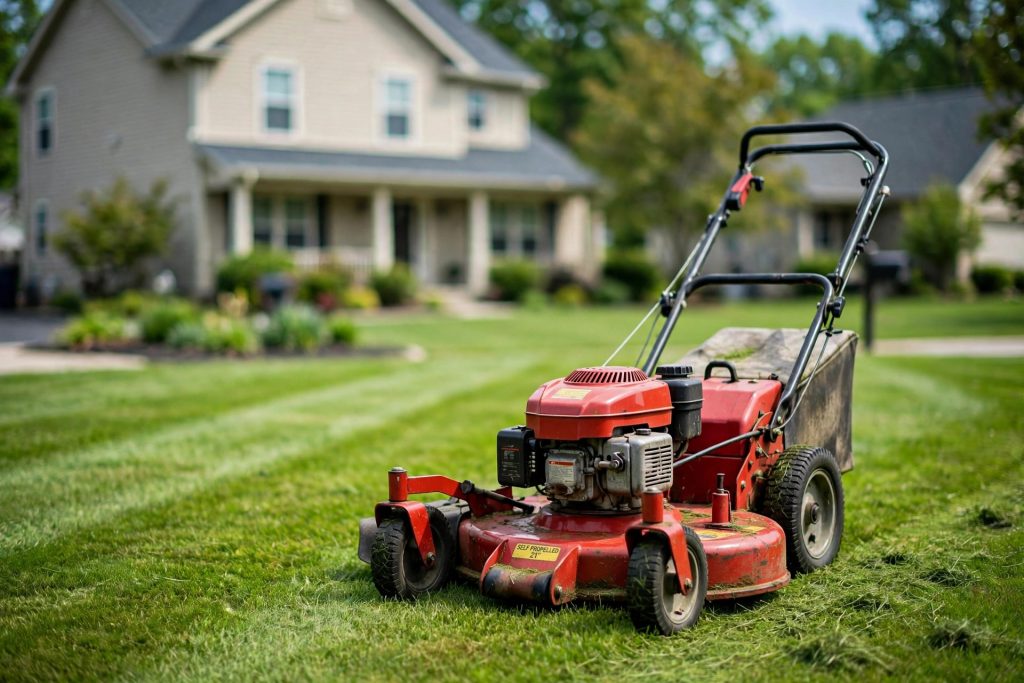
Many homeowners find that compost grass clippings is easier than they expected once they know the basics.
Fresh grass clippings are about four percent nitrogen by weight. That puts them in the "greens" category of composting, alongside food scraps and coffee grounds. Cornell's composting resources list grass clippings at a carbon to nitrogen ratio of about fifteen to twenty-five to one, which is nitrogen-rich. Mixed with carbon-heavy "browns" like dry leaves, they heat up fast and break down into rich humus.
The EPA includes grass clippings on its list of things you can compost at home and notes that composting reduces the need for chemical fertilizers. Finished compost feeds plants slowly, improves soil structure, and helps soil hold water. It is the opposite of a quick chemical jolt. It builds the soil itself.
Method 1: Grasscycling on the Lawn
Many homeowners find that compost grass clippings is easier than they expected once they know the basics.
The key to compost grass clippings is choosing the right approach for your space and budget.
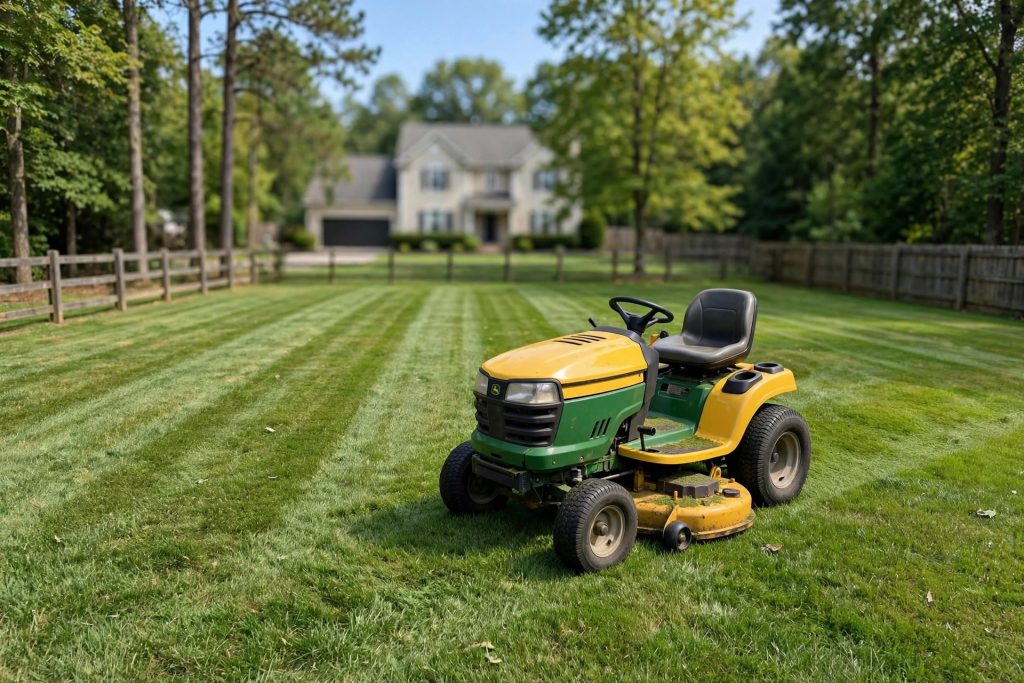
The simplest method is to leave the clippings where they fall. This is called grasscycling. A mulching mower chops the clippings fine and drops them back into the turf. They break down in a week or two and feed the lawn.
Grasscycling works if you mow often enough that you never cut off more than a third of the blade at once. Long clippings clump, smother the grass, and look bad. Short, frequent mowing keeps the clippings small enough to vanish. Contrary to old myths, clippings do not cause thatch. Cornell notes that short clippings left on the lawn decompose and return nutrients without building thatch. The University of Georgia's grasscycling guide adds that proper mowing height, a sharp blade, and dry grass are the keys to making it work.
If you already bag, try grasscycling for a month. Most people never go back.
Method 2: The Backyard Compost Pile
The key to compost grass clippings is choosing the right approach for your space and budget.
With a little planning, compost grass clippings can fit even a busy schedule.
If you bag your clippings or have more than the lawn can take, a compost pile turns them into fertilizer you can use anywhere.
Pick a Spot
Choose a level spot with good drainage, partly shaded, near a water source. Keep the pile at least a few feet from fences and wooden structures. A three-by-three-foot area is enough to start.
Build the Pile in Layers
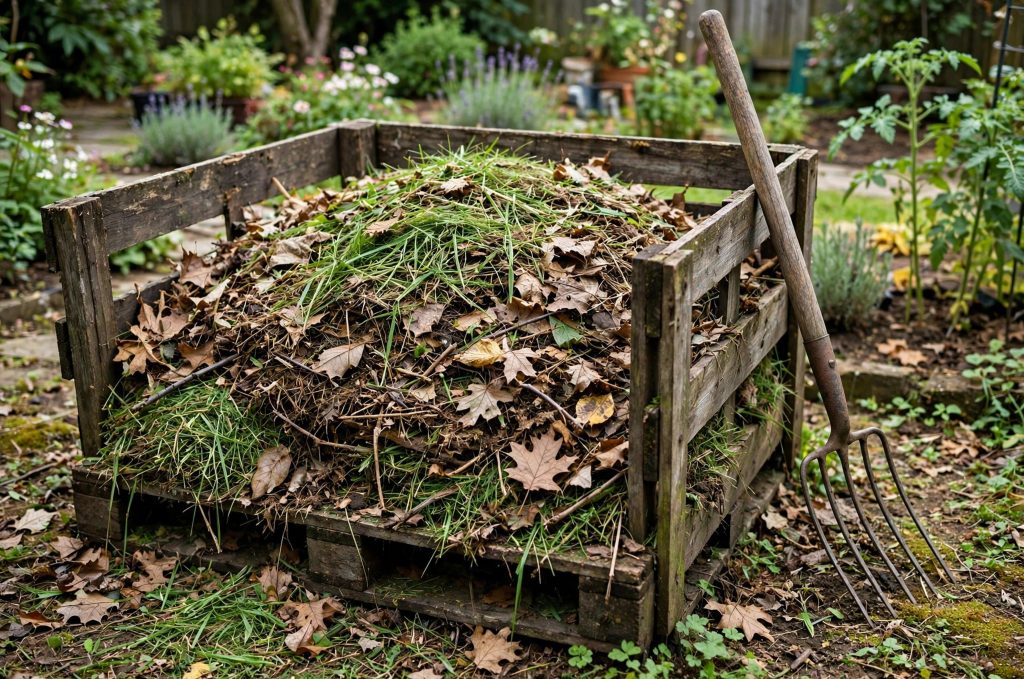
The classic recipe is roughly three parts browns to one part greens by volume. For grass clippings, that means:
- A base of coarse browns. Start with a few inches of small twigs or straw for airflow.
- Greens. Add four to six inches of grass clippings.
- Browns. Cover with eight to twelve inches of dry leaves, shredded cardboard, or straw.
- Repeat. Keep layering until the pile is three to four feet tall.
- Water. Moisten each layer as you build. The pile should feel like a wrung-out sponge.
Never dump a huge load of pure clippings in one thick layer. Wet clippings mat together, squeeze out the air, and rot into a slimy, smelly mess. Always mix or layer them with browns. Cornell Cooperative Extension's composting guide shows the layering method step by step.
Turn and Tend
Turn the pile every week or two with a pitchfork. Turning adds oxygen, which the microbes need. A hot pile can hit high temperatures in the center within days. If the pile smells like ammonia or rot, it needs more browns and more turning. If nothing is happening, it needs more greens and more water.
In warm weather, a well-built pile finishes in two to four months. In cold weather, it goes dormant and resumes in spring. Finished compost is dark, crumbly, and smells like forest soil. You should not be able to recognize the original materials.
For a simpler take on the whole process, see Cornell's composting made easy fact sheet.
Method 3: The Compost Bin
With a little planning, compost grass clippings can fit even a busy schedule.
Before you start, it helps to understand how compost grass clippings works in real homes.
Bins keep things tidy and are good for small yards. You can buy a plastic bin, build one from pallets, or use a tumbler.
- Stationary bins are cheapest. Fill from the top, turn with a fork, and harvest from the bottom or by lifting the bin off.
- Tumblers make turning easy. Spin the drum a few times a week. They cost more but work fast.
- Pallet bins cost almost nothing. Wire three pallets together in a U shape and you have a bin.
The same layering rules apply. Clippings plus browns, kept moist, turned now and then. A bin just keeps it all contained.
Take your time with compost grass clippings and the result will last.
Method 4: Trench Composting
Before you start, it helps to understand how compost grass clippings works in real homes.
A good plan for compost grass clippings saves time, money, and frustration.
No bin, no pile, no problem. Dig a trench eight to twelve inches deep in a garden bed. Fill it with grass clippings and food scraps. Cover with the soil you dug out. The materials rot underground, feeding the soil right where plants will grow. By planting time, the trench has vanished into rich earth. This is the lowest-effort method of all.
What Not to Compost
A good plan for compost grass clippings saves time, money, and frustration.
For most people, compost grass clippings comes down to a few smart choices.
Keep these out of your clipping compost:
- Clippings treated with herbicides. Weed-and-feed residue can survive composting and damage garden plants. If you spray the lawn, bag those clippings and trash them, or leave them out of the pile.
- Diseased grass. Fungus problems can survive a cool pile.
- Weeds gone to seed. A hot pile kills seeds, but a cool pile may not.
- Meat, dairy, and oils. They attract pests and smell bad.
The EPA's home composting page has a full what to compost and what to skip list worth bookmarking.
Using Finished Compost as Fertilizer
For most people, compost grass clippings comes down to a few smart choices.
Finished compost is a gentle, complete fertilizer. Here is how to use it on the lawn:
Topdressing. Spread a quarter to half inch of sifted compost over the lawn with a shovel and a rake, or with a compost spreader. The best time is early fall or spring when the grass is growing. Water it in. Our guide to the best compost topdressing for lawns covers products and techniques.
In garden beds. Work one to two inches of compost into the top few inches of soil before planting. Or use it as mulch around established plants.
Compost tea. Steep a shovelful of compost in a bucket of water for a day, strain it, and water plants with the liquid. It is a mild feed, not a miracle, but plants like it.
A lawn fed with compost needs less synthetic fertilizer. Many gardeners cut their fertilizer use in half after a season or two of topdressing. The soil gets darker, holds water longer, and the grass grows thicker.
Troubleshooting
If you are new to compost grass clippings, start with the simplest option and build from there.
The pile smells bad. Too many greens, too wet, or not enough air. Add browns, turn it, and check drainage under the pile.
Nothing is happening. Too many browns or too dry. Add greens, water it, and turn.
It is full of flies. Food scraps are exposed. Bury them under browns and cover the top with a thick brown layer.
The center is hot but the edges are raw. Normal. Turn the pile to move the outside material into the hot center.
Clippings turned into a slimy mat. You added too many at once. Break up the mat with a fork, mix in lots of dry leaves, and layer thinner next time.
How Much Fertilizer Value Are We Talking About
When it comes to compost grass clippings, getting the details right makes all the difference.
A typical lawn produces several hundred pounds of clippings per thousand square feet over a season. Returned to the lawn or composted and topdressed back, that is a meaningful amount of nitrogen, phosphorus, and potassium, plus organic matter no bag of fertilizer provides. The EPA tracks yard trimmings in the waste stream and shows how much of this material gets composted versus landfilled. It will not replace all fertilizer on a hungry lawn, but it cuts the bill and builds soil at the same time. The EPA's broader composting resources explain how composting fits into cutting waste overall.
For more on feeding your lawn, see our guides to the best lawn fertilizer for fall application and lawn fertilizer for sandy soil. And keep your mower sharp, since clean cuts heal faster. Our lawn mower blade sharpening guide explains why it matters. That is all it takes to handle compost grass clippings with confidence.
References
- Cornell Composting. (n.d.). Compost chemistry: Carbon to nitrogen ratios. https://compost.css.cornell.edu/chemistry.html
- Cornell Composting. (n.d.). Home composting slide show: Materials that can be composted. https://compost.css.cornell.edu/slideshow/home.slide3.html
- Cornell Cooperative Extension of Rockland County. (n.d.). Composting made easy. https://rockland.cce.cornell.edu/resources/composting-made-easy
- Cornell Cooperative Extension of Warren County. (n.d.). Composting. http://warren.cce.cornell.edu/gardening-landscape/warren-county-master-gardener-articles/composting
- U.S. Environmental Protection Agency. (n.d.). Composting. https://www.epa.gov/sustainable-management-food/composting
- U.S. Environmental Protection Agency. (n.d.). Composting at home. https://www.epa.gov/recycle/composting-home?ref=CompoCloset
- U.S. Environmental Protection Agency. (n.d.). Yard trimmings: Material-specific data. https://www.epa.gov/facts-and-figures-about-materials-waste-and-recycling/yard-trimmings-material-specific-data
- University of Georgia Cooperative Extension. (n.d.). Grasscycling: Let the clippings fall where they may. https://fieldreport.caes.uga.edu/publications/C1031/grasscycling-let-the-clippings-fall-where-they-may/
Was this guide helpful?

About My Garden US
The My Garden US editorial team writes practical, in-depth home and garden guides for American homeowners — tested advice, no fluff.
You May Also Like
Best Weed Killer for Gravel Driveways: A Complete Guide
May 31, 2026 12 views
Stump Killer for Tree Stumps Reviews: What Buyers Should Know
July 22, 2026 15 views
The Best Cordless Pruning Saw for Branches
April 2, 2026 16 views