---
Table of Contents
Table of Contents
- Store Leftover Craft Paint: Why Paint Goes Bad in Storage
- Seal the Lid Like You Mean It
- Pick the Right Spot
- Move Small Amounts to Smaller Jars
- Label Everything Now, Not Later
- How Long Different Paints Last
- The Smell and Stir Test
- When to Throw Paint Away
- Special Care for Craft Paint Types
- Your Quick Storage Checklist
- References
Nothing hurts like opening a half-used bottle of paint and finding it dried into a rubber brick. You paid good money for that color. You might need it again for touch-ups or a matching project. Good storage is the difference between paint that lasts for years and paint that dies in a month. This guide shows you how to store leftover craft paint properly, step by step. This guide shows how to store leftover craft paint in plain steps.
Store Leftover Craft Paint: Why Paint Goes Bad in Storage
When it comes to store leftover craft paint, getting the details right makes all the difference.
When it comes to store leftover craft paint, getting the details right makes all the difference.
Many homeowners find that store leftover craft paint is easier than they expected once they know the basics.
Paint dies for three reasons. Air gets in. Heat breaks it down. Cold ruins the chemistry. Air is the main killer. Once oxygen reaches the paint, the surface starts to skin over. That skin is paint curing right inside the container. Every time you open the lid, fresh air rushes in and starts the process again.
Heat speeds up every bad reaction. A garage that bakes all summer will thicken paint fast. Oil-based paint stored near a furnace can even become a fire risk. Cold is just as bad for water-based paint. Acrylic and latex paints can be ruined by a single freeze. The binder separates, the paint turns lumpy, and no amount of stirring will bring it back.
Light matters too. Sunlight can fade color and heat the container. Dust and dirt fall into open cans and spoil the finish. Even rust from a cheap metal lid can flake into the paint and ruin the next coat. The good news is that every one of these problems has a simple fix. You do not need special gear. You need a tight seal, a good spot, and a label.
Seal the Lid Like You Mean It
Many homeowners find that store leftover craft paint is easier than they expected once they know the basics.
Many homeowners find that store leftover craft paint is easier than they expected once they know the basics.
The key to store leftover craft paint is choosing the right approach for your space and budget.
Most paint goes bad because the lid never sealed right. Paint dries in the rim groove. The lid sits on top of that crust instead of seating into the groove. Air leaks in around the edges. Months later the paint is a hockey puck.
Fix this before you close the lid. Wipe the rim groove clean with a rag. Get all the paint out of the channel. If paint has built up, scrape it out with a screwdriver or an old spoon. A clean groove lets the lid press down flush. Lowe's paint storage guide recommends tapping the lid down with a rubber mallet rather than a hammer, since a hammer can dent the lid and ruin the seal (Lowe's).
Here is a trick that works well. Lay a piece of plastic wrap across the open can before you set the lid down. The plastic adds a second barrier against air. It also keeps the lid from sticking to the rim, so the can opens easily next time. Stretch the wrap tight so no wrinkles let air through. Then tap the lid down all the way around. Work your way around the edge so the lid seats evenly.
For squeeze bottles and flip-top craft paint, the rules change a little. Wipe the nozzle clean before closing. Dried paint in the tip blocks the opening and lets air creep in. Store these bottles upright so paint does not pack into the nozzle. If you plan to use stored paint on furniture later, our spray paint for furniture makeover guide covers which finishes hold up best. If a bottle has a loose cap, wrap the threads with a bit of plumber's tape for a tighter seal. Never leave any paint container open "just for a minute" while you clean brushes. Minutes turn into hours, and hours turn into a skin on the paint.
Pick the Right Spot
The key to store leftover craft paint is choosing the right approach for your space and budget.
The key to store leftover craft paint is choosing the right approach for your space and budget.
With a little planning, store leftover craft paint can fit even a busy schedule.
Where you keep paint matters as much as how you seal it. The ideal spot is cool, dry, and dark, with a steady temperature. A basement shelf, a utility closet, or an indoor storage cabinet all work well. The key word is steady. Paint hates temperature swings more than it hates mild heat or mild cold.
Do not store paint in an unheated garage or shed. Freezing ruins latex and acrylic paint in one cold snap. The emulsion breaks apart. You will see clumps and a watery layer that never mixes back together. Heat is the other enemy. A hot attic can dry out paint and cause a thick skin across the top. Homes and Gardens notes that extreme heat can also make oil-based paint a fire hazard near ignition sources (Homes & Gardens).
Keep cans off bare concrete floors. Concrete sweats. That dampness rusts metal lids from the outside in. Put a wood pallet, a shelf board, or even a few bricks under the cans. Keep them upright so the seal stays tight and leaks cannot start. Stay away from furnaces, water heaters, and any open flame. Give paint its own shelf where nothing heavy can fall on it and crack a lid.
Sunlight is easy to forget. A window that shines on your paint shelf all afternoon will heat the containers and fade labels. If your storage spot has a window, use a cabinet with doors or throw a cloth over the shelf. Dark is better. Paint stored in the dark keeps its color true and its chemistry stable.
Move Small Amounts to Smaller Jars
With a little planning, store leftover craft paint can fit even a busy schedule.
Before you start, it helps to understand how store leftover craft paint works in real homes.
A half-empty gallon of paint is mostly air. That air is what dries the paint out. The fix is simple. Pour the leftover paint into a smaller container that it nearly fills. A glass mason jar or a clean plastic food container with a tight lid works great. Less air in the jar means less drying.
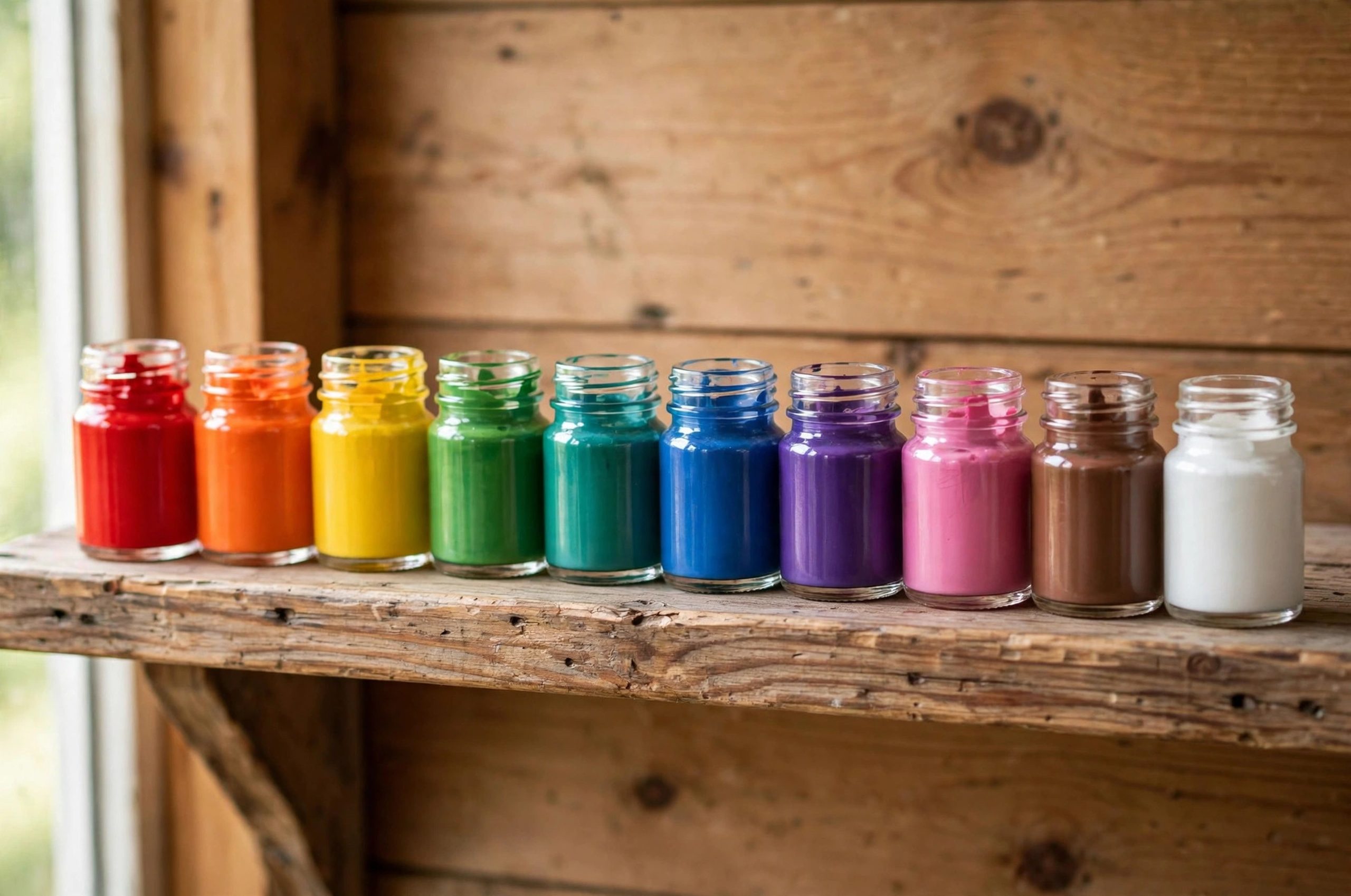
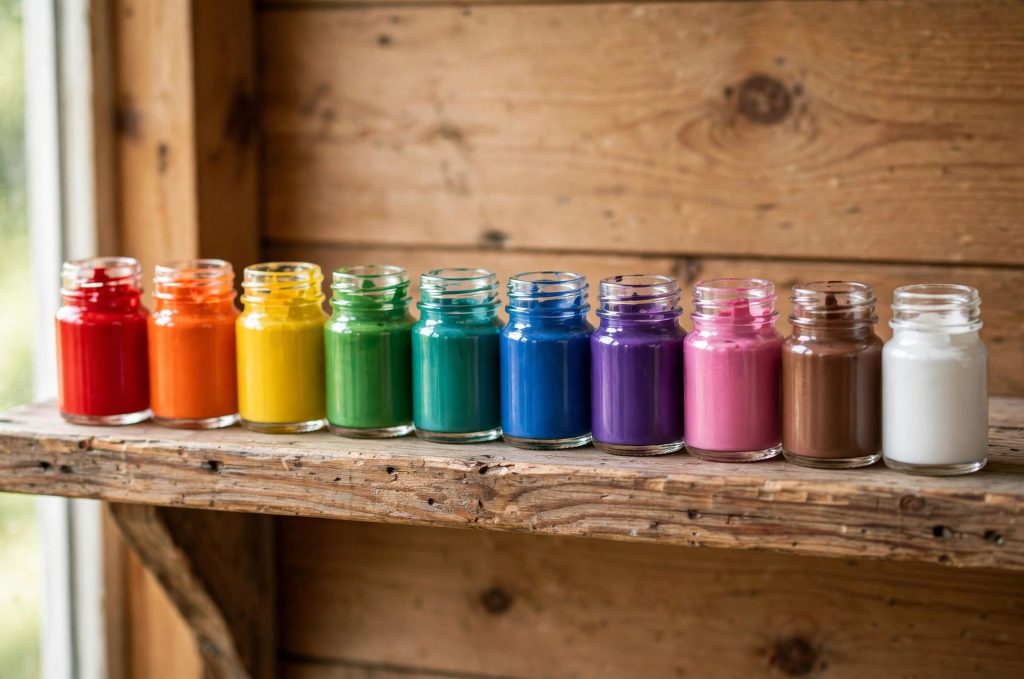
This trick is perfect for craft paint. You often have small amounts left after a project. Instead of keeping a big bottle that is one-quarter full, pour the paint into a baby food jar or a small jam jar. Label the jar. The paint will last far longer with almost no headspace. Livingetc's paint storage advice echoes this point, recommending decanting into smaller airtight containers to minimize trapped air (Livingetc).
Make sure the jar is truly clean before you pour. Old food smells can mix with the paint. Any water left in the jar can thin water-based paint or cause rust on metal lids. Dry the jar fully. Pour carefully with a funnel to avoid mess. Wipe the jar rim, seal the lid tight, and add your label right away. For tubes of acrylic paint, squeeze the air out of the tube before capping, and store them lying flat so paint does not settle at one end. Painters who organize their tubes in shallow lidded bins sorted by color family find them easier to locate later (WetCanvas).
One caution. Do not mix different paints into one jar to "save space." Colors contaminate each other. Sheens do not match. Old and new paint can react badly. Keep every color and sheen in its own labeled container.
Label Everything Now, Not Later
Before you start, it helps to understand how store leftover craft paint works in real homes.
A good plan for store leftover craft paint saves time, money, and frustration.
You will not remember what is in that jar six months from now. Nobody does. A plain jar of white paint could be ceiling flat, trim semi-gloss, or craft acrylic. Using the wrong one ruins a project. Label every container the day you store it.
Write down four things. The color name and brand. The sheen, such as flat, satin, or gloss. Where you used it, like the living room walls or the birdhouse project. And the date you stored it. A strip of masking tape and a permanent marker is all you need. Stick the label on the side of the jar, not the lid, because lids get swapped.
Smart crafters also paint a dab of the actual color on the label. A swatch tells you more at a glance than a written name ever will. If you store paint in its original can, keep the store's formula label readable. Ask for an extra copy of the formula sticker when you buy the paint. Tuck it under the tape label as a backup.
While you are at it, keep your craft area organized so labeling becomes a habit. A dedicated spot for supplies makes the whole process faster. Our guide to the best craft table with pegboard for tools shows how a proper work surface keeps painting supplies in order. Clear bins also help. See our breakdown of clear storage bins with lids for affordable options that make stored paint easy to find.
How Long Different Paints Last
A good plan for store leftover craft paint saves time, money, and frustration.
For most people, store leftover craft paint comes down to a few smart choices.
Not all paint ages the same way. Knowing the rough shelf life helps you decide what to keep and what to toss.
Latex and acrylic craft paints are the most common. Sealed and stored well, they can stay usable for five to ten years (Coohom). That is a wide range. In practice, most crafters find the paint is at its best for the first two or three years. After that, test it before any important project.
Oil-based paints last longer. They can stay good for up to fifteen years in a sealed can. The oils do not break down the way water-based binders do. But oil paint is pickier about storage. It needs to stay away from heat and flame. It also needs good ventilation around the storage area because of fumes.
Spray paint is a different animal. The can is pressurized, so it seals itself. Stored in a cool dry place, spray paint lasts for years. Never puncture or burn a spray can, even when it feels empty. Keep spray cans away from heat sources. The propellant inside is flammable.
Milk paint and chalk paint deserve a note. Powdered versions last almost forever in dry form. Once mixed with water, though, they spoil fast. Mixed milk paint may only keep for a week or two, even in the fridge. Only mix what you will use soon.
The Smell and Stir Test
For most people, store leftover craft paint comes down to a few smart choices.
If you are new to store leftover craft paint, start with the simplest option and build from there.
Old paint does not always announce itself. Before you use stored paint on a real project, run a quick test. Open the container and smell it. Good latex paint smells mildly chemical but not awful. Bad latex paint smells sour, like rotten eggs. That sour smell means bacteria grew in the paint. Do not use it. No stirring will fix it.
Next, stir. Use a clean stick and stir slowly for a full minute. Good paint blends back together smoothly. The color evens out. The texture turns creamy. Bad paint stays lumpy no matter how long you stir. You will see cottage-cheese clumps, hard chunks, or a rubbery skin that breaks into bits. If lumps remain after thorough stirring, the paint is done.
Finally, brush a test patch. Paint a small area on scrap wood or cardboard. Good paint goes on smooth and dries to an even color. Bad paint drags, streaks, or dries with a gritty texture. This test takes five minutes and can save a whole project. When in doubt, buy fresh paint for anything that matters, like furniture or walls. Use the questionable paint for practice boards or undercoats.
When to Throw Paint Away
If you are new to store leftover craft paint, start with the simplest option and build from there.
When it comes to store leftover craft paint, getting the details right makes all the difference.
Some paint is not worth keeping. Dried solid paint is trash. Paint that smells sour is trash. Paint with rust flakes mixed in is trash. Do not pour bad paint down the drain or into the yard. It pollutes water and soil.
Dried latex and acrylic paint can usually go in the household trash. Let it dry fully first. For small amounts, leave the lid off in a ventilated spot until it hardens. For larger amounts, stir in kitty litter or shredded newspaper to speed drying. Once it is solid all the way through, bag it and toss it. GreenCitizen's paint disposal guide explains that even water-based paint should never be poured down drains, since the plastic binders and pigments harm waterways (GreenCitizen).
Oil-based paint is hazardous waste in most places. It cannot go in the regular trash. Save it for your town's household hazardous waste collection day. Many paint stores also take back old paint. Keep oil paint in its original labeled can so the collection crew knows what it is. Store it safely until drop-off day, away from heat.
Empty metal paint cans can often be recycled as scrap metal. Check your local rules first. Lids may need to be removed. The Yardbarker guide to open paint cans also reminds readers that dried cans are sometimes accepted in curbside metal recycling (Yardbarker).
Special Care for Craft Paint Types
When it comes to store leftover craft paint, getting the details right makes all the difference.
Many homeowners find that store leftover craft paint is easier than they expected once they know the basics.
Craft paint comes in more forms than wall paint. Each type needs a small tweak to the storage routine.
Acrylic craft paint in bottles dries fast by nature. Store bottles upside down for a day before a project so the paint settles near the nozzle. For long storage, keep them upright with caps tight. Never freeze acrylic paint. Cold damages the binder even if the paint looks fine after thawing. Painters Online's waste advice notes that acrylic rinse water should be left to evaporate and the solids thrown away, never poured down the sink (Painters Online).
Fabric paint needs the same care as acrylic, plus one extra rule. Keep it away from damp spots. Moisture can make fabric paint separate in the bottle. If your craft room is humid, toss a silica gel packet on the shelf nearby, not inside the paint.
Enamel and model paints are oil-based. They need ventilation and distance from flames. The small tins seal well, but the lids dent easily. Open them with a proper tool, not a knife, to keep the rim straight. A bent rim never seals again.
Watercolor tubes and pans are the easiest. They barely go bad. Dried watercolor can be revived with water. Still, cap tubes tightly so they do not leak in your supply box. Pans can be left as they are.
Your Quick Storage Checklist
Many homeowners find that store leftover craft paint is easier than they expected once they know the basics.
The key to store leftover craft paint is choosing the right approach for your space and budget.
Tape this list inside your craft cabinet. Run through it every time you finish painting.
- Wipe the rim groove clean before closing any can or jar.
- Lay plastic wrap over the opening for an extra air seal.
- Tap lids down firmly with a rubber mallet, all the way around.
- Pour small leftovers into smaller jars to cut down trapped air.
- Store upright, off concrete floors, in a cool dark spot.
- Keep paint away from furnaces, heaters, and open flames.
- Never store latex or acrylic paint where it can freeze.
- Label every container with color, brand, sheen, use, and date.
- Paint a color dab on the label for quick identification.
- Test old paint with the smell, stir, and brush-patch checks.
- Dry out dead latex paint before trashing it. Take oil paint to hazardous waste collection.
Follow these habits and your paint will be ready when you are. A little care at the end of a project saves money and frustration at the start of the next one. Your future self, brush in hand, will thank you. With these steps, you can store leftover craft paint with confidence.
References
The key to store leftover craft paint is choosing the right approach for your space and budget.
With a little planning, store leftover craft paint can fit even a busy schedule.
Coohom. (n.d.). Old paint in the can? How long house paint lasts. https://www.coohom.com/article/how-long-does-house-paint-last-in-the-can-essential-insights
GreenCitizen. (n.d.). How to dispose of paint (latex, oil-based, spray paint, and cans safely). https://greencitizen.com/blog/paint-disposal/
Homes & Gardens. (n.d.). How to dispose of paint: Safely and conscientiously. https://www.homesandgardens.com/interior-design/paint/how-to-dispose-of-paint
Jackson's Art Supplies. (n.d.). Waste disposal advice. Painters Online. https://www.painters-online.co.uk/ask-jacksons/waste-disposal-advice/
Livingetc. (n.d.). How to store paint properly: 3 expert-approved tips. https://www.livingetc.com/advice/how-to-store-paint
Lowe's. (n.d.). How to store and dispose of paint properly. https://www.lowes.com/n/how-to/store-dispose-paint-properly
WetCanvas. (n.d.). Storage solutions for tubes of acrylic paint [Online forum discussion]. https://www.wetcanvas.com/forums/topic/storage-solutions-for-tubes-of-acrylic-paint/
Yardbarker. (n.d.). How to store open paint cans. https://www.yardbarker.com/general_sports/articles/how_to_store_open_paint_cans/s1_17336_41473229
Before you start, it helps to understand how store leftover craft paint works in real homes.
With a little planning, store leftover craft paint can fit even a busy schedule.
Before you start, it helps to understand how store leftover craft paint works in real homes.
A good plan for store leftover craft paint saves time, money, and frustration.
For most people, store leftover craft paint comes down to a few smart choices.
Was this guide helpful?

About My Garden US
The My Garden US editorial team writes practical, in-depth home and garden guides for American homeowners — tested advice, no fluff.