When it comes to how to grow larkspur, getting the details right makes all the difference.
Table of Contents
Table of Contents
Photo: Wikimedia Commons
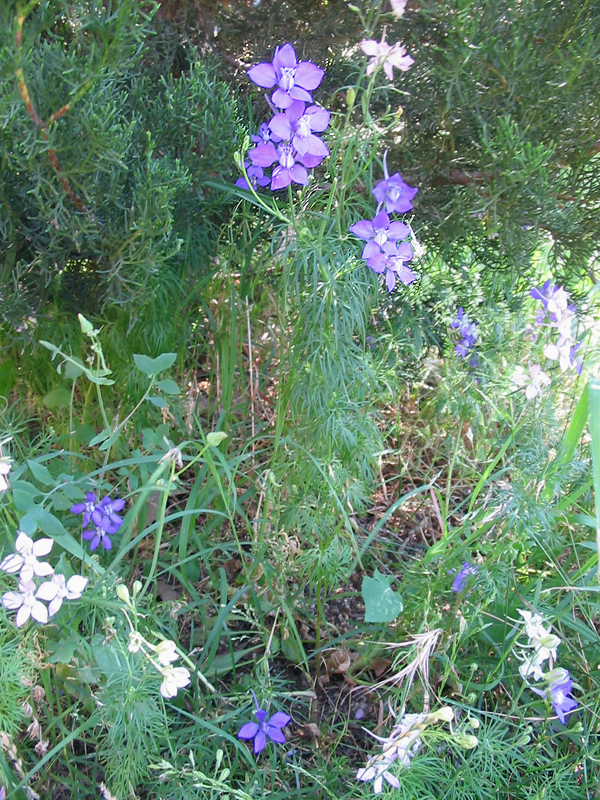
Larkspur has filled cottage gardens for centuries, valued for height that costs almost nothing. A single packet of seed plants a whole border, and the self-sown volunteers return year after year once the patch establishes. It is the annual cousin of delphinium, with the same spurred flowers on a plant that asks far less. Florists love the spikes for tall arrangements, and the dried seed pods have their own quiet charm. Just remember the poison warning: every part of the plant is toxic, so site it thoughtfully.
Few annuals give as much height for as little money as larkspur. A packet of seed sown in a sunny strip turns into three- and four-foot spires of blue, pink, white, and purple by early summer, and the flowers cut beautifully for the vase. Learning how to grow larkspur comes down to one rule that surprises beginners: sow it where it is going to grow, and leave it alone. The seedlings hate transplanting, and direct-sown plants outperform pampered transplants every time.
The plant is Consolida ajacis, hardy across zones 2 through 10 as a cool-season annual. It blooms in the cool part of the year and fades when real heat arrives, so gardeners in hot regions grow it as a fall-sown or earliest-spring flower. One caution before you plant: all parts are poisonous. Wear gloves, and site it away from curious children and pets. The USDA PLANTS Database lists the species and its relatives for confirmation.
Getting Started
When it comes to how to grow larkspur, getting the details right makes all the difference.

Many homeowners find that how to grow larkspur is easier than they expected once they know the basics.
Larkspur seed needs a cold spell to germinate well. Chill the packet in the refrigerator for two weeks before sowing. This cold treatment, called stratification, mimics winter and wakes the seed up. Without it, germination is spotty and slow.
Sow where the plants are to grow. Rake the bed smooth, scatter or drill the seed a quarter inch deep, and water gently. Thin the seedlings to 6 to 9 inches apart once they have a few true leaves. It feels ruthless to pull healthy seedlings, but crowded larkspur makes thin, weak spikes. The Old Farmer's Almanac sowing guides stress the same point for direct-sown annuals: thinning is not optional.
Pinch the seedlings when they are a few inches tall. Snip the growing tip and each plant branches into several flowering stems instead of one. This single pinch doubles the flower show.
When and How to Plant
Many homeowners find that how to grow larkspur is easier than they expected once they know the basics.
The key to how to grow larkspur is choosing the right approach for your space and budget.
Timing depends on your climate. In mild-winter regions, sow in fall, about six weeks before your first fall frost, so plants establish roots and bloom in spring. In cold regions, sow two weeks before your last spring frost, as soon as the soil can be worked. Larkspur germinates in cool soil and actually prefers it.
You can also start seed indoors about six weeks before the last frost, but transplant with extreme care. Use individual pots, move seedlings out at transplant time, and disturb the roots as little as possible. Even then, expect some sulking. Direct sowing wins. Check your frost dates on the Old Farmer's Almanac planting calendar or look up your USDA zone planting dates to set the sowing window.
Make a second sowing two weeks after the first. The two batches bloom in sequence and stretch the season without any extra work.
Soil and Sun
The key to how to grow larkspur is choosing the right approach for your space and budget.
With a little planning, how to grow larkspur can fit even a busy schedule.
Full sun and well-drained, fertile soil. Larkspur wants the sunniest spot you have and soil that never stays soggy. Work compost into the bed before sowing, but go easy on nitrogen. Too much nitrogen grows tall, soft, floppy stems that fall over at the first wind.
Good drainage matters more than richness. In heavy clay, plant on a slight mound or in a raised bed. The University of Minnesota Extension annual-flower guides emphasize drainage for tall annuals, and larkspur is a textbook case. Choose a sheltered spot if your garden gets strong wind, or plan to stake.
Tall delphinium shares the same needs and the same family, and China aster makes a good follow-on flower for the same bed once larkspur finishes.
Watering and Feeding
With a little planning, how to grow larkspur can fit even a busy schedule.
Before you start, it helps to understand how how to grow larkspur works in real homes.
Water regularly. Larkspur wilts in drought, and stressed plants invite powdery mildew. Keep the soil evenly moist but not waterlogged. A soaker hose or drip line waters the roots without wetting the foliage, which helps prevent disease.
Feed lightly. The compost worked in at planting time usually carries the crop. If plants look pale, one light feeding of balanced fertilizer is enough. Heavy feeding is worse than none: it produces lush, weak growth that flops. Clemson Cooperative Extension advises the same restraint for most annual flowers.
Mulch lightly to hold moisture, but keep mulch away from the stems. Good air circulation around the base discourages rot.
Care Through the Season
Before you start, it helps to understand how how to grow larkspur works in real homes.
A good plan for how to grow larkspur saves time, money, and frustration.
Stake tall varieties before they flop, not after. Grow-through supports or a few twiggy branches pushed into the soil work well. Once a spike has fallen over, it never straightens properly.
Deadhead spent spikes to encourage a second flush of smaller blooms. Cut the faded spike down to a side shoot and the plant branches again. For volunteers next year, leave the last few flowers to set seed. Larkspur self-sows freely, and a patch left to its own devices comes back year after year.
Watch for slugs on young seedlings; they can wipe out a sowing overnight. Boards or saucers of beer as traps work. Powdery mildew appears as white patches on leaves in humid weather; spacing plants for airflow and watering at the base keeps it in check. The Clemson Home & Garden Information Center has clear, chemical-free notes on both problems.
Remember the poison warning through the season. Wear gloves when handling the plants, and do not compost large quantities where pets root around.
Harvest
A good plan for how to grow larkspur saves time, money, and frustration.
For most people, how to grow larkspur comes down to a few smart choices.
Cut flower spikes when the bottom third of the florets are open. Cut low on the stem, strip the lower leaves, and put the stems straight into water. They last about a week in the vase. Morning cutting, when stems are full of water, gives the longest vase life.
For dried flowers, cut spikes a little earlier and hang them upside down in a dark, airy place. The colors hold reasonably well. Like love-in-a-mist, larkspur dries into attractive seed pods if you leave some spikes on the plant.
Keep cutting and the plants keep producing until heat shuts them down. In cool-summer regions the show runs for weeks.
Larkspur Through the Seasons
For most people, how to grow larkspur comes down to a few smart choices.
If you are new to how to grow larkspur, start with the simplest option and build from there.
In mild-winter regions, fall is planting time. Sow six weeks before the first fall frost so seedlings establish roots before cold weather. They sit through winter as small rosettes and bolt upward in spring. Mulch lightly after the ground cools. This fall-sown crop blooms earliest and tallest.
Spring in cold regions means sowing as soon as the soil can be worked, about two weeks before the last frost. The seed germinates in cool soil. Thin early and pinch the seedlings for branching. Stake tall varieties before they need it; a grow-through support placed early disappears into the foliage.
Early summer brings the bloom. Cut spikes freely for the house; cutting prolongs the show. Deadhead spent spikes for a second flush. Make a second sowing two weeks after the first to stretch the season. When heat arrives, the plants fade; pull them and compost the remains, leaving a few to set seed for volunteers.
Fall cleanup is simple. Leave the last seed heads standing if you want self-sown plants next year, or cut them for dried arrangements. The volunteers that appear are free plants; thin them in spring and the cycle continues.
Troubleshooting
If you are new to how to grow larkspur, start with the simplest option and build from there.
When it comes to how to grow larkspur, getting the details right makes all the difference.
Poor germination usually means the seed missed its cold treatment. Chill the packet next time, or sow in fall so winter does the work. Seedlings that vanish overnight are slug food; protect new sowings with traps.
Floppy stems come from too much nitrogen, too much shade, or no staking. Fix the cause, not the symptom: lean soil, full sun, and early support. Mildew follows stress and crowding, so water at the base and thin properly.
In very hot, humid summers, larkspur struggles no matter what you do. It is a cool-season flower. Gardeners in the deep South and desert Southwest should treat it strictly as a fall-sown, spring-blooming annual and let it go when summer arrives. Gardenia.net notes the same cool-season preference, and the Missouri Botanical Garden plant profiles confirm its dislike of heat.
Damping-off kills seedlings at the soil line, leaving pinched, collapsed stems. It strikes in cold, wet seedbeds. Sow in well-drained soil, do not overwater, and give seedlings air. Once plants have several true leaves, the danger passes.
Wind snaps tall spikes at the base. A sheltered site prevents most damage, and staking handles the rest. Tie stems loosely to stakes with soft twine; tight ties cut into growing stems.
If germination is patchy, the seed likely missed its cold treatment. Chill the packet in the refrigerator for two weeks before the next sowing, or simply sow in fall and let winter do the work. Fresh seed germinates far better than old, so buy a new packet each year.
References
When it comes to how to grow larkspur, getting the details right makes all the difference.
Clemson University Cooperative Extension. (n.d.). Home & Garden Information Center. https://hgic.clemson.edu/
Missouri Botanical Garden. (n.d.). Plant finder. https://www.missouribotanicalgarden.org/
U.S. Department of Agriculture. (n.d.). PLANTS database. https://plants.usda.gov/home
University of Minnesota Extension. (n.d.). Yard and garden. https://extension.umn.edu/
Was this guide helpful?

About My Garden US
The My Garden US editorial team writes practical, in-depth home and garden guides for American homeowners — tested advice, no fluff.
You May Also Like
How to Grow Columbines in Shade: USA Guide
October 10, 2026 28 views
Peat Pots for Seedlings: Reviews and a Buying Guide for USA Gardeners
May 5, 2026 19 views
Air Plants Bulk Buying Guide USA: How to Shop Smart for Tillandsia
February 6, 2026 40 views