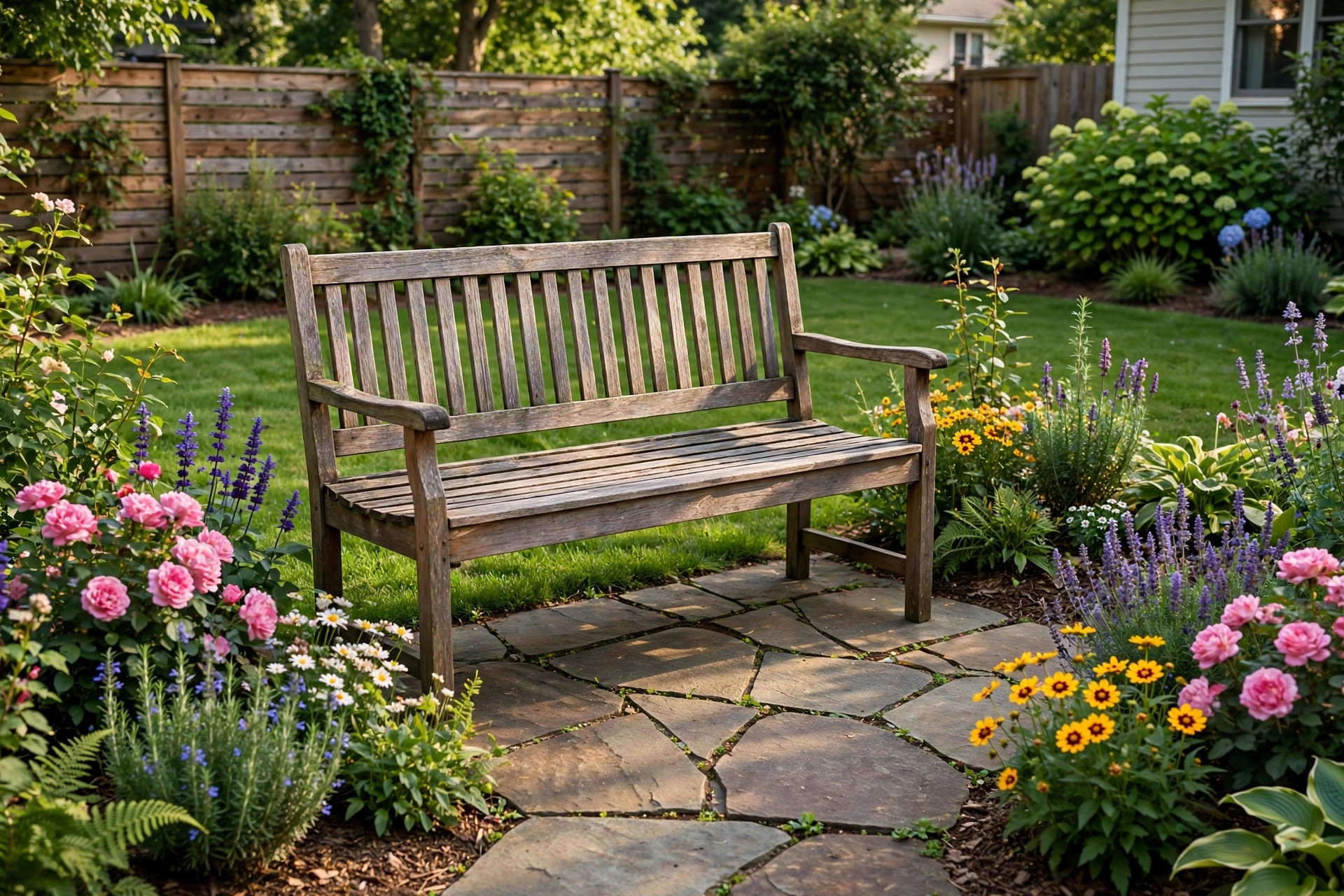

A garden bench gives the backyard a place to rest. This guide to the best garden bench for backyard reviews looks at the main choices. It covers wood, metal, and resin benches. It explains what to check before you buy. It lists common prices and care steps. Read on to find the bench that fits your yard.
Why a Good Backyard Bench Matters
A bench turns a yard into a room. You can sit with a book. You can watch children play. You can take a break from weeding. A sturdy bench lasts for years. A poor bench sags and rusts in one season.
The right bench fits the size of the yard. It stands level on soil or stone. It holds the weight of two adults with ease. Reviews from other buyers help you judge strength and comfort. That is why the best garden bench for backyard reviews often come from owners who used the bench for a full year.
A bench also sets the style of the yard. Wood looks warm and natural. Metal looks neat and classic. Resin looks simple and holds color well. Pick the style that matches the house.
Buyers often ask where to put the bench. The best spot gets morning sun and afternoon shade. A bench under a tree is cool in summer. A bench facing the garden gives a fine view. Keep the bench near a path so guests can reach it with dry feet.
Weather is the main test of a bench. Sun dries wood and cracks it. Rain soaks joints and rots them. Snow adds heavy weight. Frost can split cheap plastic. When you read the best garden bench for backyard reviews, look for notes on how the bench fared after one winter. Those notes tell more than photos of new stock.
A good bench also serves guests. Party visitors need a place to sit. An old relative needs a rest stop near the flower beds. Children use benches as forts and ships. A solid bench takes all of this and still looks fine.
How to Choose a Garden Bench: Best Garden Bench for Backyard Reviews
Several points matter when you compare benches. Work through each one before you order.
Size and seating
Most benches seat two people. A length of about four feet suits most yards. Two-seat benches fit small patios. Wider benches seat three. Check the weight limit. Good benches hold 400 to 600 pounds. Wide benches spread weight over more slats. Thin slats bend over time. Thick slats, about one inch, hold their shape for years.
Material
Wood is the classic choice. Teak resists rain and sun. It turns silver gray if you leave it alone. Many owners like that look. Cedar smells fresh and resists rot. It is light and easy to move. Acacia costs less and still lasts. It comes from fast growing trees. Eucalyptus is hard and smooth. It takes stain well. Wood benches need oil once a year to keep color. The oil blocks water and slows graying.
Metal benches use steel or cast iron. Steel lasts long when it has a powder coat. The coat blocks rust. Cast iron is heavy and does not tip in wind. It suits open yards. Metal can get hot in summer sun. Check that joints are welded, not only bolted. Welds do not loosen. Painted steel needs a dry spot to avoid chips.
Resin or poly benches look like wood but need no stain. They wash clean with a hose. They do not rot or rust. They can fade in strong sun over time. Pick thick resin parts for strength. Thin resin legs crack in cold. High grade polyethylene resists cold best.
Stone and concrete benches last the longest. They never rot. They are heavy and hard to move. They stay cool in summer. They cost more to ship. They suit a garden with a formal style.
Comfort
Look for a curved seat and a back with a slight lean. The lean should be about ten degrees. Slats should be smooth with no sharp edges. Run your hand along each slat in the store. Arm rests add comfort but take more space. They help old people stand up. Test the seat height. Most adults like a height of 17 to 19 inches. A low bench feels hard to rise from. A high bench strains short legs.
Cushions add comfort to hard benches. Pick outdoor fabric that sheds rain. Store cushions in the storage bench box. Sun fade hits cushions first. Wash the covers each spring.
Assembly
Most benches ship in flat boxes. They take 30 to 90 minutes to build. Check reviews for notes on the tools needed. A garden sprayer for deck staining can help you seal a wooden bench after you build it.
Types of Garden Benches
Shoppers can pick from several common types. Each suits a different need.
Two-seat slatted benches are the most common. They have gaps between boards. Rain drains through the gaps. Wood and metal both work well in this style.
Storage benches hide a box under the seat. You can store cushions, tools, or toys inside. They cost more but save space. The lid must close tight to keep rain out. Read the best garden bench with storage reviews if you want this type.
Backless benches work as extra seats around a fire pit. They are light and easy to move. They cost less than benches with backs. You can sit on either side. They also serve as plant stands in winter.
Garden kneeler bench combos help older gardeners. You kneel on the pad to weed, then use the frame to stand. They double as a short bench. They fold flat for storage. See the best garden kneeler bench combo reviews for details.
Tree benches wrap around a trunk. They need a fixed tree of the right size. They suit large yards. Measure the trunk at seat height before you order. Leave room for the tree to grow.
Glider benches rock gently on a frame. They add motion like a porch swing. They need more space behind them. They cost more than fixed benches. Oil the moving parts each year to stop squeaks.
Cost and Price Guide
Prices vary by material and size. In 2026, plain resin benches start near 60 dollars. Simple steel benches run 80 to 150 dollars. Cedar and acacia benches cost 120 to 250 dollars. Teak benches are dear, often 300 to 700 dollars. Storage benches add 50 to 100 dollars over the base price. Stone benches start near 200 dollars and rise fast with size.
Delivery adds to the cost. Heavy benches ship by freight. That can add 50 to 120 dollars. Some stores offer free local delivery. Assembly services cost 40 to 80 dollars. Most owners build the bench themselves with basic tools.
Sales bring prices down. Late summer clearances cut garden bench prices by 20 to 40 percent. Winter sales are even deeper. Buy in the off season to save. Check floor models for dents sold at a discount.
Price guides on sites such as The Home Depot and Lowe’s show current ranges. Independent tests from Consumer Reports rate strength and weather wear. Buyers who read the best garden bench for backyard reviews before they shop often get better value.
Care and Upkeep
Wood benches last longer with care. Oil teak and cedar each spring. Use a soft brush and mild soap to clean dirt. Do not use harsh bleach on wood. Cover the bench in winter or store it in a shed.
Metal benches need less care. Wipe them clean with a damp cloth. Touch up paint chips with rust proof paint. Tighten bolts each spring. A cover keeps bird dirt off the seat.
Resin benches need the least care. Wash them with soap and water. Avoid hot pots on the surface. In storms, heavy winds can move light resin benches. Tie them down or store them.
Stone benches need almost no care. Wash them with a stiff brush each spring. Moss will grow in shade. Scrub it off to stop stains. Seal stone in cold zones to block freeze cracks.
Oil wood at the start of spring. Let the bench dry a full day first. Brush on thin coats with the grain. Wipe off the extra after ten minutes. Two thin coats beat one thick coat. A garden sprayer for deck staining gives an even coat on large benches.
General garden guidance from Gardener’s Supply and Burpee covers yard planning around seating areas. Tool care tips from Fiskars and Corona Tools help you keep shears and saws ready for bench repairs. Project guides from Family Handyman and Bob Vila show how to build level pads for benches. Planting ideas from The Spruce help you place a bench beside the right flowers.
Safety Notes
A bench must stand firm. Place it on flat ground. A gravel or stone pad works best. Grass pads shift and sink over time. Keep the bench clear of walkways so no one trips.
Check weight limits for children. Do not let children stand on the back rest. Watch for splinters on old wood. Sand rough spots smooth. Rusty metal can stain clothes and cut skin. Replace rusted bolts.
Place metal benches away from grills and fire pits. Metal gets hot and can burn skin. Keep benches clear of low tree limbs that drop fruit or sap. Sap stains cushions and paint.
Secure light benches in storm season. High winds can lift resin and thin steel benches. Stakes or sandbags hold them down. A bench that flies in wind can hurt people and break fences.
Check for pests each spring. Carpenter bees bore holes in soft wood. Wasps build nests under seat slats. Clear nests early before they grow. Termites attack wood legs that touch soil. A stone pad keeps legs off the ground and dry.
Frequently Asked Questions
How long does a wooden garden bench last? Teak lasts 15 to 25 years with oil. Cedar lasts 10 to 15 years. Acacia lasts 5 to 10 years. Covers and shade add years.
What is the best wood for a garden bench? Teak is the best for weather. Cedar is the best value. Acacia is the best low price hardwood. Each suits a different budget.
Can I leave a garden bench out all winter? Resin and metal benches can stay out in most areas. Wood benches do best under a cover. In snow country, store all benches in a shed.
Do garden benches need assembly? Most do. Plans and parts come in the box. Give yourself an hour and a hand wrench.
How do I stop a bench from sinking into the soil? Set the legs on paving stones or a gravel pad. This spreads the weight. It also keeps wood legs out of wet soil.
Are storage benches waterproof? Most are water resistant, not fully waterproof. Seal gaps with weather tape. Keep tools in dry bags inside.
What should I put under a garden bench? A pad of gravel, paving stones, or a wood deck. The pad keeps the bench level. It keeps wood legs dry. It stops the legs from sinking in soft soil.
How do I refinish an old wooden bench? Sand off the old finish. Clean with soap and water. Let it dry. Brush on outdoor oil or stain. Two coats give best cover. Work in dry weather above 50 degrees.
A Short Final Word
The best garden bench for backyard reviews all point to the same basics. Pick strong material. Match the bench to the yard. Oil the wood. Set the legs on stone. Do that, and the bench will serve for many quiet afternoons.
References
Bob Vila. (n.d.). Home improvement advice. https://www.bobvila.com Burpee. (n.d.). Seeds, plants, and gardening supplies. https://www.burpee.com Consumer Reports. (n.d.). Product reviews and ratings. https://www.consumerreports.org Corona Tools. (n.d.). Garden and landscape tools. https://www.corona-tools.com Family Handyman. (n.d.). DIY home repair and maintenance. https://www.familyhandyman.com Fiskars. (n.d.). Garden and cutting tools. https://www.fiskars.com Gardener’s Supply Company. (n.d.). Gardening tools and supplies. https://www.gardeners.com Lowe’s. (n.d.). Home improvement products. https://www.lowes.com The Home Depot. (n.d.). Home improvement products. https://www.homedepot.com The Spruce. (n.d.). Home and garden advice. https://www.thespruce.com
Was this guide helpful?

About James Carter
The My Garden US editorial team writes practical, in-depth home and garden guides for American homeowners — tested advice, no fluff.
You May Also Like
Drip Irrigation for Hanging Baskets: A Plain Guide for Home Gardeners
June 12, 2026 0 views
Best Garden Scissors for Pruning Roses
July 25, 2026 0 views
How to Grow Potatoes in Containers: A Plain and Practical Guide
July 18, 2026 0 views