Table of Contents
Table of Contents
Photo: Wikimedia Commons
Introduction
When it comes to how to grow sorrel, getting the details right makes all the difference.
Many homeowners find that how to grow sorrel is easier than they expected once they know the basics.
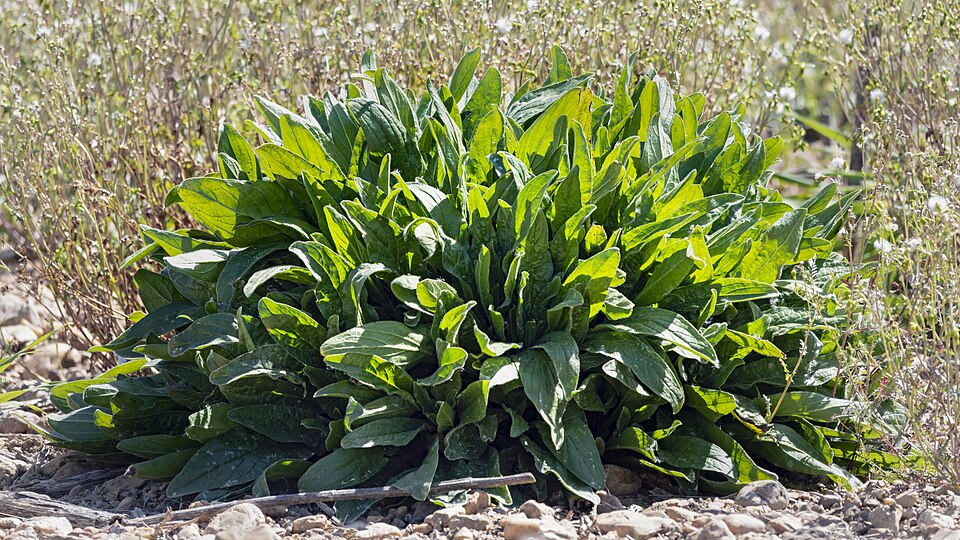
Sorrel tastes like spring in leaf form. The long, arrow-shaped leaves have a bright lemony tang that wakes up salads and soups, and the plant comes back on its own every year. Once you have a clump, you will wonder why every garden does not include one. This guide covers how to grow sorrel from seed to harvest, with timing based on your frost dates and USDA zones 3 to 9, so you can plan with confidence.
Here are the basics: it is hardy in USDA zones 3 to 9, which covers a wide swath of the country. It wants full sun to part shade and grows best in rich, moist, well-drained soil. Space plants about 10 inches apart, and expect about 60 to 70 days from sowing to harvest. Average garden watering keeps it happy.
Below you will find everything the home gardener needs: which types to buy, when and how to plant, what soil and water it likes, how to tend it through the season, when to harvest, and what to do when trouble shows up. It is worth the small effort for lemony leaves for salads, soups, and sauces, year after year.
If you are new to this plant, relax. Gardeners have grown it with simple tools and plain methods for generations. Follow the timing, give it the soil and water described below, and you will harvest a crop you can be proud of.
Choosing a Variety
Many homeowners find that how to grow sorrel is easier than they expected once they know the basics.
The key to how to grow sorrel is choosing the right approach for your space and budget.
Garden sorrel, Rumex acetosa, is the classic perennial type. French sorrel, Rumex scutatus, has smaller, rounder leaves and a milder flavor, and it stays more compact. Grow garden sorrel for big harvests and French sorrel for neat edges and salads.
This is a direct-sow plant: it dislikes transplanting, so sow the seed where it is to grow and leave it alone.
Two things matter most on the label: days to maturity and disease resistance. Pick a type that finishes comfortably inside your growing season, and favor resistant strains if you have battled plant diseases before. Beyond that, choose for flavor and size, not for fancy names. For variety details and photos, browse the University of Minnesota Extension.
When and How to Plant
The key to how to grow sorrel is choosing the right approach for your space and budget.
With a little planning, how to grow sorrel can fit even a busy schedule.
Or direct sow two weeks before your last spring frost. Your county office can confirm local frost dates - ask Clemson Cooperative Extension - and our planting calendar turns them into a sowing schedule.
Sorrel is a hardy perennial grown for its lemony leaves. Direct sow seeds a quarter inch deep, thinning to 12 inches apart, in rich, moist soil with partial shade in hot climates. It establishes quickly and returns reliably each year from the same crown.
Direct Sowing
Rake the bed smooth, sow at the right depth, and water gently so seed does not wash away. Keep the top inch of soil moist until germination. A light row cover holds moisture in and keeps birds and flea beetles off the young seedlings.
1. Time it by frost. Work out your last spring frost date first, then count back or forward the weeks given above. Warm soil wakes seeds up fast; cold soil just sits there.
2. Prepare the bed. Clear weeds, loosen the soil, and work in compost. Rake it level so water does not pool.
3. Sow or plant. Place seed a quarter of an inch deep, spacing plants about 10 inches apart. Firm the soil gently so seed meets soil.
4. Water in well. Soak the bed after planting, then keep it evenly moist until seedlings are up and growing.
5. Thin or space. If seedlings crowd, thin to the final spacing. Crowded plants compete and stay small.
6. Label and mulch. Mark the row so you do not hoe it by accident, and mulch once plants are a few inches tall.
Get the timing and spacing right and the plants largely take care of themselves from here. Most failures trace back to sowing too early or too deep, so honor the frost dates and the depth. Compare notes with the Old Farmer's Almanac website if you want a second opinion.
Soil and Sun
With a little planning, how to grow sorrel can fit even a busy schedule.
Before you start, it helps to understand how how to grow sorrel works in real homes.
Light is the first decision. Full sun to part shade is the requirement, so choose an open bed and avoid the shadow of fences, walls, and trees. Plants starved of light grow leggy, flower poorly, and invite disease.
It grows best in rich, moist, well-drained soil. Dig in a few inches of compost before planting; compost fixes both sandy soil that dries too fast and clay that stays too wet. If you are unsure what you have, squeeze a handful of damp soil - good garden loam holds together loosely and crumbles when poked.
Once plants are up, a layer of organic mulch keeps roots cool and cuts watering chores. Replenish it as it breaks down; the rotted remains feed the soil for next season. For the botanical details on this species, USDA's PLANTS database lists its native range and needs, and the USDA National Agricultural Library carries plain-language soil guidance.
Watering and Feeding
Before you start, it helps to understand how how to grow sorrel works in real homes.
A good plan for how to grow sorrel saves time, money, and frustration.
Plan on consistent moisture. Water deeply so moisture reaches the root zone, then let the top inch dry before watering again. Shallow daily sprinkles train roots to stay near the surface, where heat and drought hit hardest.
This is not a heavy feeder. Compost worked in at planting plus a mid-season top-dressing carries it through. Skip the high-nitrogen fertilizers unless a soil test says you need them - too much nitrogen grows leaves, not harvest. Watering and feeding checklists from the University of Florida's gardening site are worth bookmarking.
Care Through the Season
A good plan for how to grow sorrel saves time, money, and frustration.
For most people, how to grow sorrel comes down to a few smart choices.
Keep soil moist for the most tender leaves, and mulch to hold moisture. Slugs and rust spots on leaves are the main complaints; pick off rusty leaves and trap slugs with boards. Cut flower stalks as soon as they appear, since flowering turns the leaves bitter.
> Grower's tip: Cut flower stalks as they appear to keep leaves tender. A perennial clump supplies lemony greens for years.
Watch the bed more than the calendar. Plants tell you what they need: wilting at midday means water, pale leaves mean food, and crowded stems mean it is time to thin or divide. A five-minute look each evening catches small problems before they grow.
Gardeners who grow sorrel often grow Swiss Chard, Spinach, Arugula in the same bed or nearby - they share similar needs and the harvests complement each other.
One more habit separates good growers from frustrated ones: walk the rows. You will spot the first aphid, the first chewed leaf, the first wilted stem - and early action is always the cheapest action. For pest ID photos and seasonal task lists, see the plant guides at Gardenia.net.
Harvest
For most people, how to grow sorrel comes down to a few smart choices.
If you are new to how to grow sorrel, start with the simplest option and build from there.
Harvest outer leaves as needed, taking only a few per plant so the crown keeps producing. Use young leaves raw in salads and larger ones cooked into soups and sauces. Pro tip: divide crowded clumps every few years to keep leaf production vigorous and tender.
Keep tools clean and sharp. A clean cut heals faster than a tear, whether you are snipping stems or digging roots. Rinse harvests, dry them, and store as directed below.
What you do after picking matters as much as the picking. Cure, dry, or refrigerate promptly - field heat is the enemy of keeping quality. Storage and curing charts at your local cooperative extension office are worth printing out.
Common Mistakes to Avoid
If you are new to how to grow sorrel, start with the simplest option and build from there.
When it comes to how to grow sorrel, getting the details right makes all the difference.
Most disappointing results with this plant come from the same handful of errors. Run through this list before you sow and you will dodge nearly all of them.
- Planting at the wrong time. Frost dates are not suggestions. Seed sown into cold soil rots or sits, and seedlings set out too early stall for weeks. Count your weeks from the last spring frost and trust the math.
- Sowing too deep. Small seed buried too far never emerges. Sow a quarter of an inch deep - barely covering tiny seed is usually right - and press it into firm contact with moist soil.
- Crowding the plants. It is tempting to squeeze in extra, but 10-inch spacing exists for a reason. Crowded plants compete for light and water, stay small, and catch disease faster.
- Watering wrong. Both extremes hurt: soggy soil rots roots and invites disease, while drought stress at the wrong moment ruins the harvest. consistent moisture is the target - learn what that feels like in your soil.
- Giving up too soon. Slow germination is normal for this plant. Keep the bed moist and give it the full expected time before you declare the sowing a failure and start over.
Troubleshooting
When it comes to how to grow sorrel, getting the details right makes all the difference.
Many homeowners find that how to grow sorrel is easier than they expected once they know the basics.
First, an honest limit: Cool-climate perennial; zones 10-13 heat pushes it to flower constantly and leaves turn tough. Knowing where a plant will not thrive saves more disappointment than any trick.
Common Pests
Watch for aphids clustering on new growth, slugs rasping leaves on damp nights, and cutworms felling seedlings at the soil line. Collars around seedling stems stop cutworms; handpicking at dusk handles slugs; a hard spray of water knocks aphids down. Beneficial insects do the rest if you skip broad-spectrum sprays.
Common Problems
Poor germination almost always traces to old seed, cold soil, or sowing too deep. Leggy seedlings mean too little light. If growth stalls mid-season, side-dress with compost and check that mulch has not piled against the stems. Rotate crops so the same family does not follow itself in the same bed.
When in doubt, take a sample to the cooperative extension service or browse the diagnostic photos at the Missouri Botanical Garden's plant profiles - a correct ID beats a guess every time.
References
Many homeowners find that how to grow sorrel is easier than they expected once they know the basics.
The key to how to grow sorrel is choosing the right approach for your space and budget.
University of Minnesota Extension. (n.d.). Growing vegetables and herbs in home gardens. https://extension.umn.edu/
Old Farmer's Almanac. (n.d.). Planting calendar. https://www.almanac.com/planting-calendar
Clemson University Cooperative Extension. (n.d.). Home and garden information. https://clemson.edu/extension/
Old Farmer's Almanac. (n.d.). Gardening advice and planting guides. https://www.almanac.com/
U.S. Department of Agriculture. (n.d.). PLANTS database. https://plants.usda.gov/home
Was this guide helpful?

About My Garden US
The My Garden US editorial team writes practical, in-depth home and garden guides for American homeowners — tested advice, no fluff.
You May Also Like

Wildflower Seed Mixes for California Homes: A Simple Guide
March 13, 2026 1 views
Air Plants Bulk California Homes USA: A Complete Buying Guide
March 5, 2026 19 views
Heirloom Vegetable Seeds American Homes Guide: Growing Classic Varieties at Home
August 4, 2026 2 views