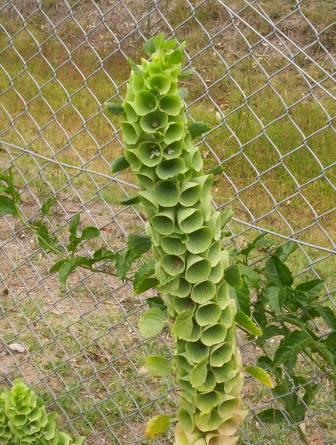
Every florist knows the value of a good green flower. Bells of Ireland - Moluccella laevis - gives you that and more: tall, stately spikes lined with papery green bells, each one cradling a tiny white flower. They are the backbone of St. Patrick's Day arrangements and the quiet star of summer bouquets, and they dry beautifully for winter wreaths. Learning how to grow bells of Ireland takes a little patience at the seed stage, but the payoff is armfuls of one of the most distinctive cut flowers you can grow.
Table of Contents
Table of Contents
This is a cool-season annual with old-fashioned charm. It does not demand tropical heat or rich greenhouse soil. It wants a sunny bed, a chill before sowing, and room to stretch its two-to-three-foot stems. Gardeners who master the germination trick - a week or two of cold in the refrigerator - get reliable stands. Those who skip it get spotty sprouts and frustration. Consider this your fair warning, delivered kindly.

Photo: Wikimedia Commons
Getting Started: Understanding This Odd Beauty
When it comes to how to grow bells of ireland, getting the details right makes all the difference.

Many homeowners find that how to grow bells of ireland is easier than they expected once they know the basics.
Bells of Ireland is not from Ireland at all - it hails from the eastern Mediterranean and the Caucasus - but the name stuck, and nobody minds. The "bells" are actually inflated green calyces, papery cups that surround small white fragrant flowers. The effect is architectural: stiff vertical spikes in an unearthly shade of apple green that florists pay good money for.
It grows as an annual nearly everywhere in the United States, hardy in the broad sense from zones 2 through 11 as a seasonal plant. The USDA PLANTS database shows how widely this Mediterranean native has naturalized in cultivation across the country. It wilts in real heat, so treat it as a spring-sown annual and plan for it to finish as summer turns hot. In the coolest zones it is one of the few tall annuals that truly thrives; in the hottest zones, sow early and enjoy it while the weather is mild. The Missouri Botanical Garden plant profiles are a good place to check how a marginal annual behaves in your region.
Seed is the usual way in - transplants are rarely sold because the roots resent disturbance. Buy fresh seed from a reputable flower-seed house; old seed germinates poorly even with chilling.
When and How to Plant
Many homeowners find that how to grow bells of ireland is easier than they expected once they know the basics.
The key to how to grow bells of ireland is choosing the right approach for your space and budget.
Timing is everything with this plant. Start seed indoors about eight weeks before your last spring frost. Here is the critical step the Old Farmer's Almanac would approve of for its old-fashioned cleverness: chill the seed in the refrigerator for one to two weeks before sowing. Put the packet in a sealed jar or bag in the fridge - not the freezer - and let the cold break the seed's dormancy. Germination without this step is slow and erratic; with it, sprouts come up far more evenly.
Sow the chilled seed on the surface of moist seed-starting mix and press it in lightly; it wants light to germinate. Keep the tray cool - room temperature is fine, but heat above the mid-70s slows things down. Be patient. Sprouting can take two to three weeks even with chilling. If you want to check your USDA zone planting dates, our planting calendar will help you count back those eight weeks accurately.
Transplant carefully once seedlings have a few true leaves and all danger of hard frost has passed. Disturb the roots as little as possible - slide the whole plug out and set it in the hole without teasing the roots apart. Space plants about 10 to 12 inches apart. In mild climates you can also direct sow outdoors about two weeks before your last spring frost, pressing seed into a prepared bed and keeping it damp. A fall sowing about six weeks before your first fall frost works in regions with gentle winters, giving you an early start the following spring.
Soil and Sun
The key to how to grow bells of ireland is choosing the right approach for your space and budget.
With a little planning, how to grow bells of ireland can fit even a busy schedule.
Full sun is the rule. Bells of Ireland wants as much light as you can give it - six hours at minimum, eight or more for the sturdiest stems. Shade makes it leggy and floppy, the opposite of the stiff spires you are growing it for.
Give it well-drained, average garden soil. It does not need the richest bed in the garden; in fact, overly rich soil grows soft stems that need more staking. Work in a modest amount of compost before planting and call it good. Good drainage matters more than fertility - soggy feet in a spring bed will rot young transplants fast. If your soil stays wet, plant on a slight mound or in a raised bed, the way you would for snapdragons and other cool-season annuals.
A soil pH near neutral suits it fine. This is not a plant that rewards fussing over chemistry. Save your soil-testing energy for the vegetable beds.
Watering and Feeding
With a little planning, how to grow bells of ireland can fit even a busy schedule.
Before you start, it helps to understand how how to grow bells of ireland works in real homes.
Keep the soil evenly moist through the growing period, especially while the plants are young and while the spikes are elongating. A deep watering once or twice a week beats a daily sprinkle; you want roots to reach down, not lounge at the surface. Mulch with a couple of inches of straw or shredded leaves to hold moisture and keep the soil cool, which this plant appreciates.
Feed lightly. A balanced fertilizer worked into the bed at planting time is usually enough for the whole season. If growth looks pale or slow, one side-dressing of balanced fertilizer when the spikes begin to rise will perk things up. Do not overfeed - excess nitrogen gives you lush leaves and weak, floppy stems that collapse under their own bells. Gardenia.net growing guides make the same point about restraint with annual flower feeding.
As summer heat builds, keep the water steady. Heat stress plus dry soil is what finishes this plant early. UF/IFAS Gardening Solutions reminds warm-climate growers that cool-season annuals like this one are best treated as spring flowers in the South. In hot regions, an afternoon shade cloth or a planting on the east side of a fence can stretch the season a few precious weeks.
Care Through the Season
Before you start, it helps to understand how how to grow bells of ireland works in real homes.
A good plan for how to grow bells of ireland saves time, money, and frustration.
Stake tall stems. This is not optional advice for most gardens - a two-and-a-half-foot spike loaded with papery bells catches the wind like a sail. Put in sturdy stakes or a grow-through grid when the plants are about a foot tall, before they need it. Trying to stake a flopped-over plant is like trying to comb a cowlick; do it early and the stems grow straight through the support.
Harden seedlings off before planting out. A week of gradually increasing outdoor time - a few hours the first day, working up to full days - toughens the stems and prevents transplant shock. Seedlings rushed from a windowsill to a windy bed will sulk for weeks.
Watch for aphids. They love to cluster on the tender growing tips and inside the young bells, where they are hard to see until the damage is done. Check the tips weekly and blast small colonies off with a strong jet of water. For heavier infestations, insecticidal soap works and is gentle on the beneficial insects. Good air circulation around the plants reduces both aphid pressure and the fungal problems that plague crowded beds. The Clemson Home and Garden Information Center has solid, plain-language guidance on aphid control for flower beds.
Deadheading is a judgment call. If you are cutting stems for bouquets - and you should be, since cutting encourages more spikes - the plant keeps producing on its own. If you let every spike mature, the plant will put energy into seed and slow down. Cut generously. That is the whole point of growing a cut flower.
Harvest
A good plan for how to grow bells of ireland saves time, money, and frustration.
For most people, how to grow bells of ireland comes down to a few smart choices.
Cut stems when the bells are firm and fully formed, with good green color from top to bottom. The best stage for cutting is when the bells are fully developed but before the tiny white flowers inside have finished - the spikes continue to look fresh for a week or more in the vase. Cut in the cool of the morning with sharp, clean shears, and put the stems straight into a bucket of lukewarm water.
For drying - and dried bells of Ireland are a genuine keepsake, holding their shape and color for months - cut when the bells are firm and hang the stems upside down in small bunches in a dark, airy room. Darkness matters: light bleaches the green to a pale straw color. A closet or dark corner of the garage works. In a week or two you will have everlasting sprays for wreaths and winter arrangements, as reliable as dried zinnias but far more unusual.
Strip the lower leaves before arranging fresh stems; leaves left underwater foul the vase quickly. Recut the stems every few days and change the water, and your harvest will outlast most store-bought greens.
Troubleshooting
For most people, how to grow bells of ireland comes down to a few smart choices.
If you are new to how to grow bells of ireland, start with the simplest option and build from there.
Seed will not germinate. Nine times out of ten, the seed was not chilled. Give it one to two weeks in the refrigerator before sowing, keep the seedbed cool rather than warm, and make sure the seed sits on the surface where light reaches it. Old seed is the other culprit - buy fresh each year.
Stems flop over. You skipped staking, planted in too much shade, or fed too much nitrogen. Stake when plants are a foot tall, site in full sun, and go easy on the fertilizer. A windbreak - even a neighboring row of sturdy cosmos - helps in exposed gardens.
Plants wilt in heat. This is the plant telling you its season is over. Bells of Ireland is a cool-season annual; sustained heat shuts it down. Sow early, keep water steady, and in hot zones accept it as a spring flower rather than a summer one.
Aphids in the bells. Check growing tips weekly from the time spikes start elongating. A hard water spray dislodges early colonies; insecticidal soap handles bigger ones. Avoid broad-spectrum insecticides that kill the ladybugs and lacewings doing free pest control for you.
Damping off in the seed tray. Soggy, warm seed-starting mix kills seedlings at the soil line. Use fresh mix, water from below if you can, and give the tray air circulation. The University of Minnesota Extension seed-starting guides cover this common heartbreak well, and Clemson Cooperative Extension has matching advice for southern growers starting flowers indoors.
Bells of Ireland asks for one favor - that week of cold - and repays it with some of the most striking stems in the cutting garden. The USDA National Agricultural Library holds generations of seed catalogs that show how long American gardeners have prized this odd green beauty. Grow it once, dry a bunch for winter, and you will understand why.
References
If you are new to how to grow bells of ireland, start with the simplest option and build from there.
When it comes to how to grow bells of ireland, getting the details right makes all the difference.
- Clemson University Cooperative Extension. (n.d.). Home & garden information center. https://hgic.clemson.edu/
- Gardenia. (n.d.). Bells of Ireland growing guide. https://www.gardenia.net/
- Missouri Botanical Garden. (n.d.). Plant finder. https://www.missouribotanicalgarden.org/
- University of Minnesota Extension. (n.d.). Starting seeds indoors. https://extension.umn.edu/
Many homeowners find that how to grow bells of ireland is easier than they expected once they know the basics.
The key to how to grow bells of ireland is choosing the right approach for your space and budget.
With a little planning, how to grow bells of ireland can fit even a busy schedule.
When it comes to how to grow bells of ireland, getting the details right makes all the difference.
Many homeowners find that how to grow bells of ireland is easier than they expected once they know the basics.
The key to how to grow bells of ireland is choosing the right approach for your space and budget.
Was this guide helpful?

About My Garden US
The My Garden US editorial team writes practical, in-depth home and garden guides for American homeowners — tested advice, no fluff.