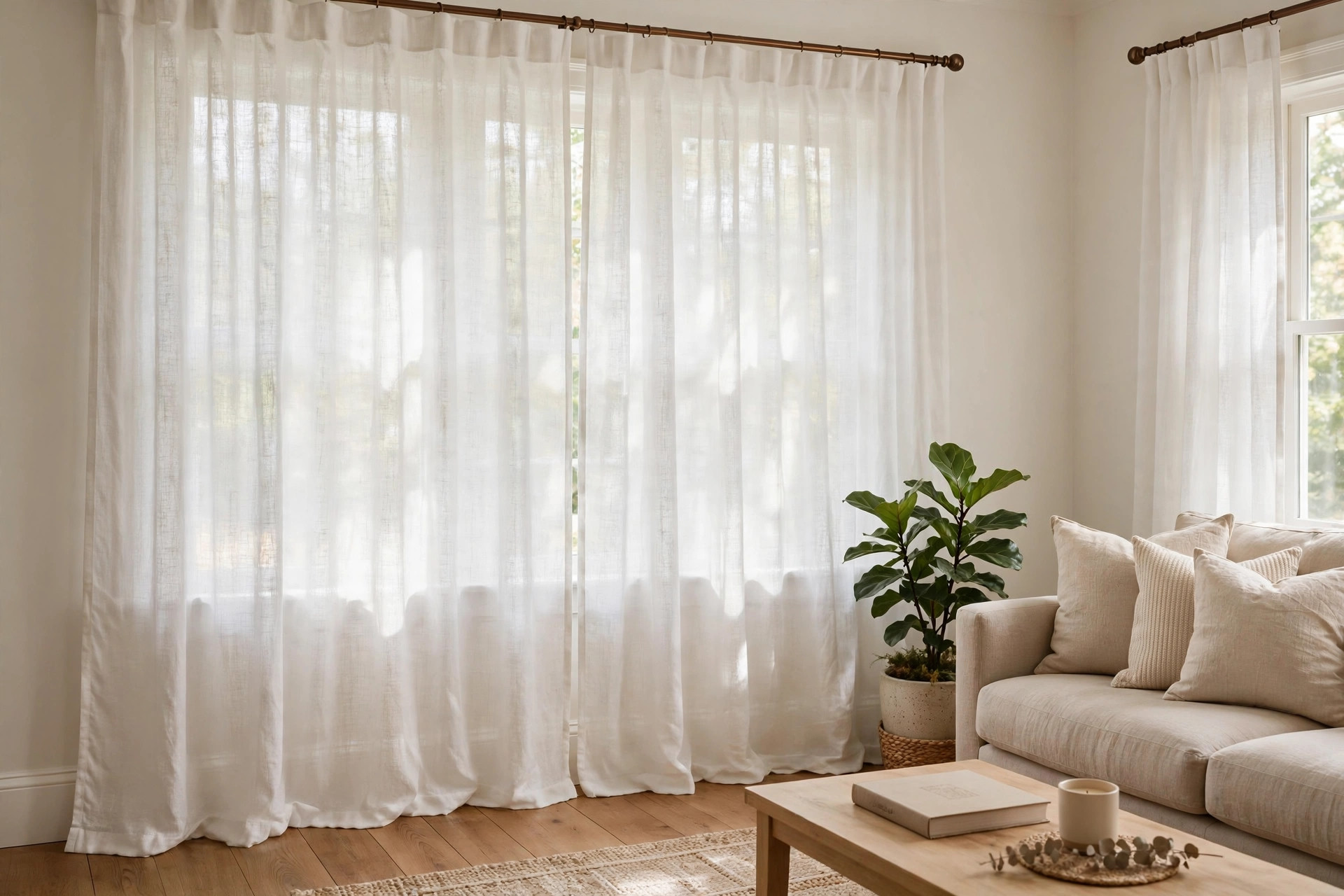
White linen curtain panels reviews and buying guide searches have grown for a simple reason. Homeowners want window covers that feel light, calm, and natural. Linen gives a room that look. It is a plant fiber with a soft, broken-in texture. It lets light pass through in a warm way. It works in living rooms, bedrooms, kitchens, and dining rooms.
This guide walks you through the subject step by step. You will learn why these panels matter, what to look for when you shop, the main types on the market, what they cost, how to care for them, and how to keep window cords safe. The answers at the end clear up the most common questions. By the time you finish, you will know how to pick panels that fit your windows, your budget, and your taste.
Why White Linen Panels Matter
A window can change the whole feel of a room. Bare glass feels cold and hard. Heavy drapes can make a small room feel dark. White linen sits in the middle. It gives privacy without shutting out the sun. It softens hard window lines. It adds texture that flat cotton cannot match.
Linen also ages well. The fibers are strong. Good panels can last for years if you treat them with care. They wrinkle, and most buyers accept that. The wrinkles are part of the charm. They give the fabric a lived-in look that suits farmhouse, coastal, and simple modern rooms alike.
White is the most common color choice. It goes with almost every wall color. It makes small rooms look larger. It lets more light through than darker cloth. If you like a calm, clean look, white linen is hard to beat.
What to Look for When You Shop: White Linen Curtain Panels Reviews and Buying Guide
Fabric Weight and Weave
Not all linen is the same. Some panels feel thin and airy. Others feel thick and heavy. The weight of the cloth decides how much light comes through and how much privacy you get.
Thin, open weaves give a sheer look. You will see shapes through them in daylight. They are best for rooms where you want light more than privacy. Thicker weaves block more view. They still let a glow of light through, but neighbors will not see in as easily.
Check the weave by holding the panel up to light if you shop in a store. Online, read the product details for words like “sheer,” “semi-sheer,” or “room darkening.” Also look for reviews that mention light levels. Real buyers often say whether the panels run sheer or heavy.
Color and Finish
“White” covers a wide range. Some panels are bright, crisp white. Others are off-white, ivory, or cream. A few have a whitewash finish that leaves the natural fiber color showing through in places.
Bright white suits modern rooms. Ivory and cream suit warm, classic rooms. If your walls are white, hold a fabric swatch next to them first. A cream panel against a bright white wall can look dirty. A bright white panel in a warm room can look stark. Match the undertone to the room.
Some linen is pure flax. Some is blended with cotton or polyester. Blends wrinkle less and often cost less. Pure linen has the best texture and the most natural feel. Decide which matters more to you.
Size and Length
Measure your window before you order. Standard panels run 50 to 54 inches wide each. A rod wider than 50 inches needs two panels. For a full look, the total panel width should be about twice the width of the rod.
Length matters for style. Panels that just touch the sill suit kitchens. Panels that reach the floor suit living rooms and bedrooms. Panels that pool a few inches on the floor look formal and relaxed at the same time. They also collect more dust.
Hang the rod high and wide. A rod set a few inches above the frame and a few inches wider on each side makes the window look larger. This trick works in almost every room.
Top Style
The top of the panel decides how it hangs. Rod pocket tops slide right onto the rod. They give a gathered, classic look. Grommet top curtains have metal rings that make clean folds. They slide open and closed with ease. Back tabs hide the rod for a tailored look. Ring clips let you change panels fast and add a bit of length.
Types of White Linen Curtain Panels
Unlined Panels
Unlined panels are a single layer of linen. They are light, airy, and simple. They let the most light through. They are also the least private. They suit living rooms and dining rooms where daytime privacy is not a concern.
Lined Panels
Lined panels have a second layer sewn to the back. The lining can be cotton or a light synthetic cloth. It adds body, blocks more light, and protects the linen from sun damage. Lined panels hang in fuller folds. They cost more, but they last longer in sunny rooms.
Sheer Linen Panels
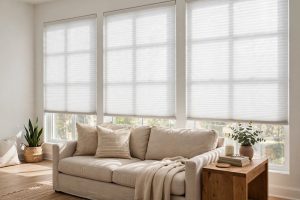
White linen sheer curtain panels are the lightest option. They act more like a light filter than a curtain. They cut glare while they keep the room bright. Many buyers layer them with shades or blinds for night privacy. Reviews often praise them for the soft glow they give a room.
Whitewashed and Natural Panels
Whitewashed panels keep a hint of the fiber’s natural tan color. They look rustic and warm. Fully bleached panels look crisp and clean. Natural, unbleached linen runs tan or oatmeal. It is not white, but some shoppers who search for linen panels end up liking it.
Linen Blends
Linen-cotton blends are common. They keep much of linen’s texture with less wrinkling. Linen-polyester blends resist wrinkles even more. They cost less. Purists may skip them, but for busy homes they can be the smarter buy.
What They Cost
Prices cover a wide range. Simple unlined pairs from large home stores often run 25 to 60 dollars. Mid-range panels with better weave and finish run 60 to 120 dollars a pair. High-end European linen panels can run 150 dollars or more for one pair.
What drives the price? Fabric weight, pure versus blended fiber, lined versus unlined, and brand name. Custom sizes cost the most. Wide windows may need two or three pairs, which adds up fast.
Read reviews before you buy. Shoppers often note if a low-price panel runs thin or if the seams look poor. A buying guide with side-by-side tests can help you compare. Set a budget, then buy the best weave you can afford inside it. Cheap panels that you replace in a year cost more in the end than good panels that last five.
You can compare prices at large home retailers and design shops. Store pages at Wayfair and Home Depot list hundreds of options with buyer ratings. IKEA sells simple linen styles at low prices. Blinds.com focuses on window covers of all kinds. HGTV publishes room photos that show how the panels look in real homes.
Care and Upkeep
Linen is strong, but it needs gentle care. Most panels can be machine washed in cold water on a gentle cycle. Use a mild soap. Skip bleach. Bleach weakens the fibers and can yellow white cloth over time.
Take panels out of the washer while they are still damp. Hang them or lay them flat to dry. High heat in a dryer can shrink linen and set wrinkles deep. If you must use a dryer, use low heat and take them out early.
Iron while damp if you want crisp panels. Use a warm iron and a press cloth. Many owners skip ironing. They hang the panels damp and let the wrinkles relax on their own. A handheld steamer also works well and is kinder to the cloth.
Wash panels once or twice a year, or when they look dusty. Vacuum them with a brush tool between washes. Keep them out of long, direct sun if they are unlined. Sun can fade and weaken the fiber over years. Lined panels handle sun much better.
Small stains should be treated fast. Blot, do not rub. Rubbing pushes the stain deeper into the weave. A mild soap and cool water handle most spots.
Safety Around Windows
Window coverings can pose a danger to small children and pets. Cords and loops can wrap around a neck. This is a real risk, and safety groups take it serious. The Consumer Product Safety Commission tracks window cord injuries and urges parents to use cordless products.
Choose cordless panels or panels with hidden cords when kids or pets live in the home. If your panels have cords, keep them out of reach. Use cord cleats to wrap long cords high on the wall. Move cribs, beds, and play areas away from windows.
When you shop, check the product page for safety notes. Many retailers now mark items as “cordless” or “child safe.” Lowe’s and Home Depot both list cordless options. Reviews from parents often mention whether cords are a problem.
Frequently Asked Questions
Do white linen panels give privacy at night?
Thin unlined panels give little privacy at night when indoor lights are on. People outside can see shapes. Lined or heavy-weave panels give much more privacy. For full night privacy, pair sheer linen panels with blinds or shades. Many buyers use this layered setup in bedrooms.
Will linen panels shrink?
Linen can shrink in the first wash, often by 3 to 5 percent. Buyers who wash in hot water or dry on high heat see more shrink. To limit it, wash cold and hang dry. Some brands pre-shrink their cloth. Check reviews for notes on shrink before you order.
Are linen panels hard to keep clean?
No. They need less care than many people fear. A yearly wash and light dusting between washes is enough for most homes. The natural texture hides small marks well. White shows dirt faster than tan, so kitchen panels may need washing more often.
What rod works best with linen panels?
A strong rod matters because linen has some weight. Thin tension rods can bow under wide linen panels. Use a mounted rod with brackets for a secure hold. For wide windows, choose double curtain rod brackets so you can layer a sheer panel behind a heavier one. Window valances can top the setup for a finished look.
Can I use linen panels in a kitchen?
Yes, if the panels stay clear of the stove and sink. Short, sill-length panels work best in kitchens. They are easier to wash and they stay out of the way. Keep in mind that cooking grease can soil white cloth over time, so wash them more often.
How do linen drapery panels for living room windows differ from bedroom panels?
Living room panels often run sheer or unlined to keep the room bright. Bedroom panels often run lined or layered for darkness and privacy. The fabric is the same. The lining and the layering change the function.
A Short Final Word
White linen curtain panels earn their fame. They are simple, natural, and kind to light. Pick the right weave, measure with care, and read buyer reviews before you spend. Wash them gently and they will serve your rooms for years. Test labs at Consumer Reports rate home goods on wear and care, which can guide your pick. With the right set, your windows will look soft, calm, and done.
References
Blinds.com. (n.d.). Window blinds, shades, and shutters. https://www.blinds.com Consumer Reports. (n.d.). Product reviews and ratings. https://www.consumerreports.org HGTV. (n.d.). Home and garden ideas. https://www.hgtv.com IKEA. (n.d.). Home furnishings. https://www.ikea.com Lowe’s. (n.d.). Home improvement products. https://www.lowes.com The Home Depot. (n.d.). Home improvement products. https://www.homedepot.com The Spruce. (n.d.). Home and garden advice. https://www.thespruce.com U.S. Consumer Product Safety Commission. (n.d.). Product safety information. https://www.cpsc.gov Wayfair. (n.d.). Furniture and home goods. https://www.wayfair.com
Was this guide helpful?

About Michael Thompson
The My Garden US editorial team writes practical, in-depth home and garden guides for American homeowners — tested advice, no fluff.