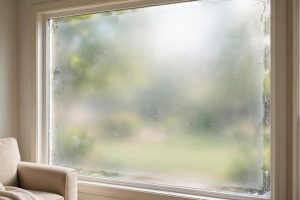
Anyone who lives near the coast, in the deep South, or in a home that fills with steam knows the trouble with real wood blinds. Wood is a fine material in a dry room. But in a humid room, it drinks in the damp air. The slats swell. They warp. They crack along the grain. Before long, the blinds that once looked rich and warm start to stick, tilt wrong, and look tired.
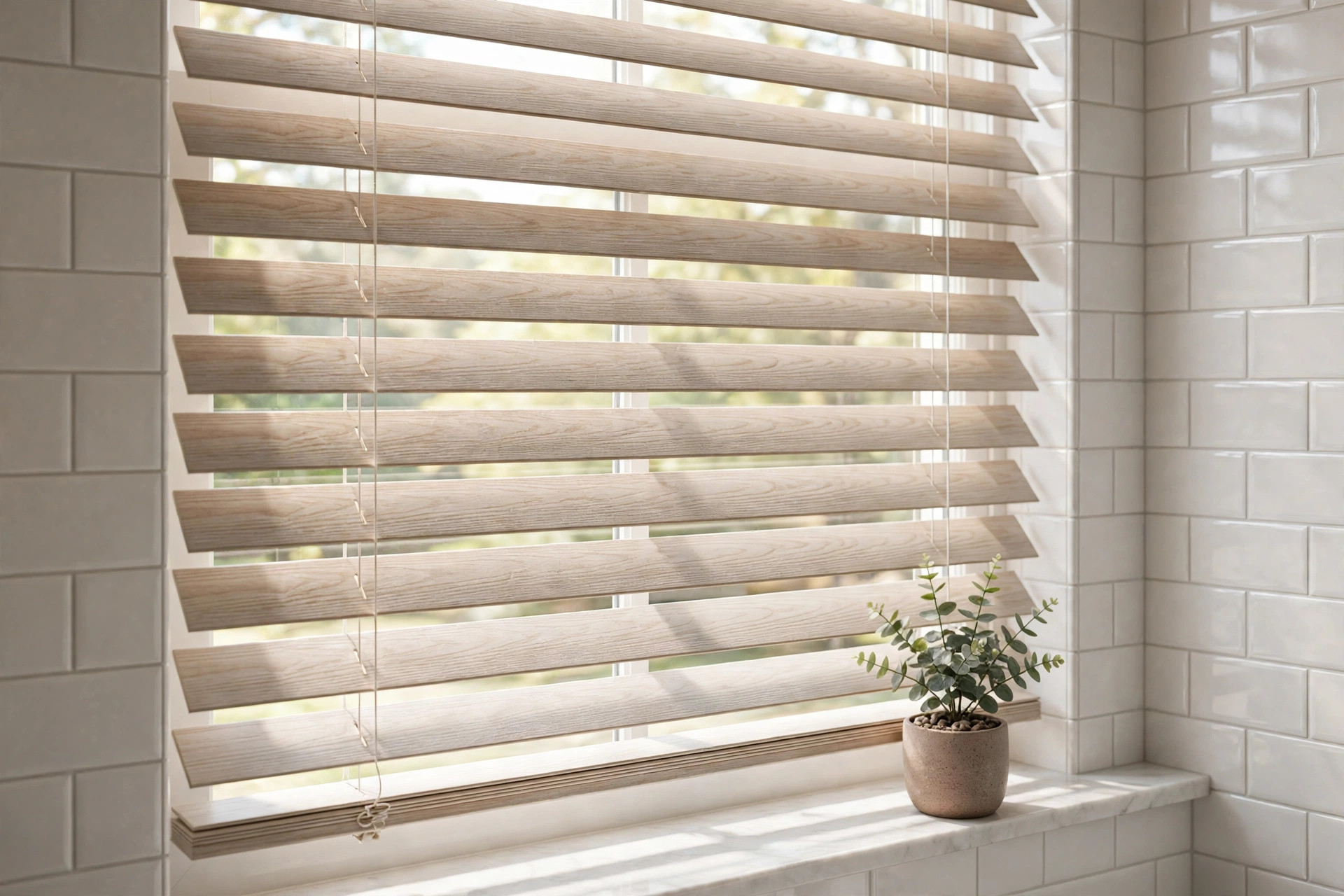
This is why so many home owners now choose the top rated faux wood blinds for humid climates. Faux wood blinds carry the same deep, warm look as real wood. From across the room, most guests cannot tell the difference. Yet they are made from man-made materials that do not mind moisture.
This guide will walk you through what makes these blinds right for damp rooms, how to pick a good set, and how to care for them so they last.
Why Faux Wood Blinds Beat Real Wood in Damp Rooms
Real wood blinds are cut from basswood, oak, or cedar. Each board holds tiny open pores. When the air is full of moisture, those pores take in water like a sponge. The wood grows a little wider and a little heavier. Over time, the slats bow. The cords that lift the blinds can stretch. The finish can lift and flake.
Faux wood blinds take a different path. They are made from PVC, vinyl, or a mix of wood fiber and polymer resin. These materials have a closed surface. Water cannot soak in. A blind in a steamy bathroom will dry off on its own once the steam clears. The slats keep their shape through season after season of hot, damp days.
There is a second point worth noting. Real wood blinds often cost more. Faux wood blinds usually sell for far less, and they bring one more quiet gain: they do not fade as fast in strong sun. Many brands add a UV coating to the slats, which helps the white or wood-tone color stay true even in a bright window.
Home owners in places like Florida, Louisiana, Texas, and Hawaii buy these blinds by the thousand. According to guides published by The Spruce, moisture-safe window coverings are among the most asked-about upgrades in damp regions of the country. The same advice shows up on the home improvement pages of Bob Vila, where writers stress that bathrooms and kitchens need blinds that can stand daily steam.
How Faux Wood Blinds Are Made: Top Rated Faux Wood Blinds for Humid Climates
It helps to know what sits inside the slat. There are two main kinds on the market.
The first kind is PVC faux wood. The slats are formed from rigid vinyl. This is the most water-proof choice of all. A PVC slat can sit in a steamy shower room year after year and never swell. The weak point of cheap PVC is weight: the slats can feel light and hollow, and very cheap ones can yellow with age. The top rated products use thicker, denser PVC with a better finish.
The second kind is composite faux wood. These slats blend real wood fiber with a man-made resin, much like engineered decking boards. They feel heavier and more solid in the hand, and the grain looks a touch more real. The resin seals the wood fiber, so moisture cannot reach it. Composite blinds are often a step up in price, but many buyers feel the weight and look are worth it.
Both kinds take a wood-grain print or embossed pattern. Good makers press the grain deep into the slat, so it catches light the way real wood does.
What to Look For When You Buy
Not every box labeled “faux wood” deserves your money. Here are the points that matter most for humid rooms.
Moisture Resistance Rating
The first question is simple: will the maker stand behind the blind in a bathroom? The best brands state plainly that their faux wood blinds are safe for high-humidity rooms. If the package or web page says nothing about moisture, bath use, or kitchens, move on. The Consumer Reports window covering guides often remind buyers to check such claims in writing, since marketing words like “durable” mean little on their own.
Slat Size
Faux wood blinds come in three common slat widths: two inches, two and a half inches, and three inches. Two-inch slats are the classic look and work in almost any window. Two-and-a-half-inch slats give a more open view when tilted, and they suit wide windows. Three-inch slats have a bold, modern feel but need a deep window frame to fit. For humid rooms, the size matters less than the build, so choose what fits your window and your taste.
Mounting Depth
Measure your window frame before you order. An inside mount needs a frame deep enough to hold the head rail. Most faux wood blinds need about two inches of depth for a flush inside mount. If your frame is shallow, choose an outside mount, which sits on the wall above the trim. Many shoppers start their search at Blinds.com, which offers a simple measuring tool that walks you through each step.
Corded or Cordless
Cordless blinds have no hanging cords to lift them. You raise and lower them by pushing the bottom rail up or pulling it down. In a home with small children or pets, cordless is the safer pick. Cordless blinds also keep a cleaner look, with no cords to collect dust in a damp room.
Color and Finish
White and off-white remain the most common picks for bathrooms and kitchens. They match the tile and the fixtures, and they reflect light well. Wood tones, such as chestnut, mahogany, and weathered gray, work well in living rooms and covered patios. Pick a finish with a UV shield if the window gets long hours of direct sun.
Warranty
A long warranty is a sign that the maker trusts its own product. Many top rated faux wood blinds carry a limited lifetime warranty that covers warping, cracking, and defects. Read the fine print to confirm that humid rooms and bathrooms are covered, not excluded.
Types and Options Worth Knowing
Standard Horizontal Faux Wood Blinds
This is the classic style: horizontal slats held by two or more ladder cords, with a tilt wand or cords to angle the slats. It fits most windows and most budgets. It is also the easiest kind to clean, which matters in a humid room where dust and moisture mix.
Room-Darkening Faux Wood
Some faux wood blinds add a routeless design, meaning the slats have no holes for the cords. The lift cords run behind the slats instead. This cuts the pinholes of light that leak through standard blinds. It also cuts the small openings where moisture and dust gather. Bedrooms and media rooms benefit most.
Moisture-Proof PVC for Bathrooms
For the wettest rooms, plain PVC faux wood is hard to beat. It sheds water, wipes clean with a damp cloth, and never needs sealing or paint. Shoppers comparing brands can read room-by-room advice on HGTV, which often ranks PVC-based blinds among the safest picks for bathrooms.
Valance and Trim Choices
Most blinds ship with a matching valance, a flat board that hides the head rail. A crown-style valance gives a finished furniture look. In a humid room, make sure the valance uses the same moisture-proof material as the slats, not a cheap wood frame that could swell.
Cost and Price: What to Expect
Faux wood blinds are one of the best values in window coverings. A standard 36-by-60-inch blind from a big-box store often sells for between thirty and seventy dollars. Cost and price can be checked on the product pages of big retailers such as The Home Depot and Lowe’s, where stock sizes are listed with dimensions you can match to your window. Custom sizes and premium finishes can run from eighty to one hundred fifty dollars per window. Whole-house jobs add up, but they still cost far less than real wood or plantation shutters.
Price comparison tools help. Wayfair lists hundreds of faux wood options with buyer reviews you can sort by rating, which makes it easy to spot the models that hold up in bathrooms. IKEA sells a smaller line, but its prices are low and its return policy is generous if a blind does not fit your needs.
If you are weighing blinds against other window coverings, a look at bamboo roman shades price comparison usa can show how natural shades stack up in cost. And if you like the wood look but want a fitted frame, buy plantation shutters online in florida covers the shutter option popular in Gulf Coast homes.
Keep an eye out for seasonal sales. Late winter and early spring often bring the deepest cuts on window treatments, as stores clear stock before the new lines arrive. Measure first, then buy during a sale, and you can dress a whole floor for the price of a few custom blinds.
Care and Upkeep in Humid Rooms
Faux wood blinds ask little of their owners, but a small routine keeps them looking new for years.
Dust the slats once a week with a dry microfiber cloth or a feather duster. In a humid room, dust mixes with moisture and turns into a thin film. A quick weekly wipe stops that film from building up.
Once a month, wipe the slats with a damp cloth. You may add a drop of mild dish soap to the water for kitchen blinds, which can catch cooking grease. Wring the cloth well. Faux wood does not mind water, but there is no need to soak it.
Never use harsh cleaners, bleach, or scouring pads. They can dull the finish or scratch the grain pattern. A gentle cleaner and a soft cloth are all you need.
Check the cords and the tilt wand now and then. In very damp rooms, cords can grow stiff or spotty with mildew. If you see dark spots, wipe them with a cloth dampened with white vinegar, then let them dry.
Leave the blinds tilted open after a shower when you can. Air flow dries the slats faster and keeps the whole window area fresh. A small bath fan that runs for twenty minutes after each shower does more for your blinds than any cleaner will.
Safety Notes
Window blind safety deserves a short word. Keep cords out of reach of small children and pets, or choose cordless blinds from the start. The guidance on the Consumer Product Safety Commission site is plain: cordless is best where children sleep or play.
In humid rooms, watch for mildew on fabric tapes or cords. Faux wood slats themselves resist mold, but soft parts can hold dampness. A quick monthly check takes care of it.
Fire safety is a small point. PVC blinds will melt in high heat, as will most man-made coverings. Keep them clear of hot stoves and space heaters, just as you would any curtain or shade.
Frequently Asked Questions
Do faux wood blinds really hold up in a steamy bathroom? Yes. That is their main strength. The PVC or composite slats do not soak up water, so they will not warp, swell, or crack the way real wood does. Wipe them down now and then, and they will last for years in a bathroom.
Will the white slats turn yellow over time? Cheap PVC can yellow after long years in strong sun. The top rated faux wood blinds for humid climates use UV-stable finishes that resist yellowing. If your window faces the afternoon sun, look for a stated UV rating and choose a quality brand.
Can I cut faux wood blinds to fit my window? Many stock blinds can be trimmed at home with a saw and a steady hand. But a bad cut ruins the blind. If the window is an odd size, order a custom width instead. Custom orders cost more, yet they fit clean and carry a better warranty.
Are faux wood blinds heavy? They weigh more than aluminum mini blinds but less than solid wood. A wide window may need a center support bracket to keep the head rail from bowing. Most kits include the bracket and clear steps for mounting it.
How do faux wood blinds compare to sheer linen curtains? Blinds give precise light control and privacy with a tilt of the wand. Sheers give a soft, airy look but little privacy at night. Some home owners layer the two: blinds for control, sheers for style. If you like the curtain look, top rated sheer linen curtains for texas homes covers options that suit warm, bright rooms.
Do I need a pro to install them? Most people do not. A drill, a level, and a tape measure are enough for a standard mount. Each blind ships with brackets and a guide. If you have many windows or tall ones, a local installer can finish the job in an hour or two.
A Short Final Word
The top rated faux wood blinds for humid climates solve a plain problem. Real wood is lovely, but damp air ruins it. Faux wood keeps the look and skips the trouble. It stands up to steam, wipes clean in minutes, and costs far less than the wood it copies.
Buy from a known maker, check the moisture claims in writing, measure twice, and pick cordless if children are in the home. Do those small things, and your blinds will serve you well for a decade or more, through every humid summer to come.
References
Blinds.com. (n.d.). Window blinds, shades, and shutters. https://www.blinds.com Bob Vila. (n.d.). Home improvement advice. https://www.bobvila.com Consumer Reports. (n.d.). Product reviews and ratings. https://www.consumerreports.org HGTV. (n.d.). Home and garden ideas. https://www.hgtv.com IKEA. (n.d.). Home furnishings. https://www.ikea.com Lowe’s. (n.d.). Home improvement products. https://www.lowes.com The Home Depot. (n.d.). Home improvement products. https://www.homedepot.com The Spruce. (n.d.). Home and garden advice. https://www.thespruce.com U.S. Consumer Product Safety Commission. (n.d.). Product safety information. https://www.cpsc.gov Wayfair. (n.d.). Furniture and home goods. https://www.wayfair.com
Was this guide helpful?

About Michael Thompson
The My Garden US editorial team writes practical, in-depth home and garden guides for American homeowners — tested advice, no fluff.