
Introduction
A watercolor paint set professional for artists home is one of the best tools a painter can own. It turns a kitchen table or a spare corner into a small studio. With it, an artist can paint flowers, skies, portraits, and street scenes without leaving the house. This guide explains what makes a set truly professional, how to choose one that fits your needs, what it should cost, and how to keep it in good shape for years. Whether you are returning to painting after a long break or moving up from student paints, the advice below will help you buy with confidence.
Why a Professional Watercolor Paint Set Matters at Home: Watercolor Paint Set Professional for Artists Home
Many painters start with low-cost school paints. These are fine for practice, but they have limits. They use fewer pigments and more filler. The colors can look flat or chalky. A professional set changes that. Professional paints use more pure pigment and less filler. The colors are richer and clearer. They mix cleanly on the paper. They also fade less in daylight, which matters if you hang your work on a wall.
Working from home adds its own needs. A home artist often paints in short sessions between other tasks. A good set makes this easier. Paints that wake up fast with a drop of water save time. A sturdy tin box keeps the pans safe when you move it from room to room. And a set with a built-in palette means you do not need to set out extra dishes before you start.
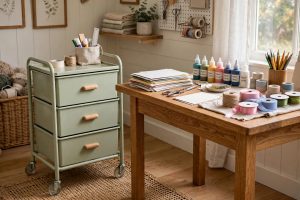
Home painters also care about space. Unlike an oil painter, a watercolor artist needs very little room. A professional watercolor set, a few brushes, a jar of water, and a pad of paper can fit on a small desk. That is why so many people paint at the kitchen table, on a porch, or by a window.
What to Look for When You Choose
Pigments and Lightfastness
The heart of any watercolor set is the pigment. Pigments are the colored powders that give paint its color. Professional sets name each pigment on the label, often with a code like PY154 or PB29. This honesty helps you. If you know the pigment, you can learn how it behaves: whether it stains the paper, how it granulates, and how long it lasts in light.
Lightfastness is the measure of how well a color resists fading. Makers rate it with stars or numbers. Look for the highest rating, usually three stars or a Roman numeral I. Paintings made with strong pigments can hang in a bright room for years without losing their depth. If the set does not list lightfastness ratings, treat that as a warning sign.
Single-pigment colors mix more cleanly than blends of two or three pigments. A good professional set will include many single-pigment colors. Brands such as those sold by Blick Art Materials publish pigment lists for every color they make, which makes comparison easy.
Pans or Tubes
Professional watercolors come in two forms: pans and tubes. Pans are small cakes of dried paint set in a metal box. You add water to wake them up. Tubes hold soft, moist paint that you squeeze out. Both are good, and many home artists own both.
Pans suit the home painter well. They are tidy and travel easily. You can paint for twenty minutes, close the tin, and walk away. Tubes suit painters who need large washes or deep, rich color. The paint comes out ready to use, so you can cover a big sky faster. The trade-off is waste: squeezed-out paint can dry on the palette between sessions.
If you are new to professional paints, start with a pan set. Later, add a few tubes of colors you use most, like a warm yellow or a deep blue. Many painters mix the two forms without trouble.
Brushes, Paper, and Extras
The paint is only one part of the picture. Brushes and paper matter just as much. Most professional sets include one or two brushes. These are often simple travel brushes, fine for outdoor sketching but not enough for serious work at home. Plan to buy a few extra brushes on their own. A round brush in a middle size, a flat brush for washes, and a small detail brush will cover most needs. You can find a useful craft paint brushes set at most art and craft stores if you want a low-cost start.
Paper matters even more. Cheap paper buckles, pills, and dulls your colors. Buy 100 percent cotton paper, at least 140 pounds in weight. It costs more, but it holds water the way watercolor needs. Your professional paints will reward you with glowing washes that cheap paper could never give.
A craft storage organizer is another smart buy for the home artist. Small drawers or trays keep tubes, brushes, and paper neat and dust-free between sessions.
Types and Options for Home Artists
Professional watercolor sets come in many sizes. Small sets of twelve pans fit in a pocket and suit sketching. Mid-size sets of twenty-four to thirty-six pans are the sweet spot for most home painters. They offer a full range of color without taking up much space. Large sets of forty-eight pans or more give you every shade you could want, but they cost more and can feel overwhelming.
Some sets focus on landscapes, with extra greens, earth tones, and blues. Others focus on portraits, with skin tones, warm reds, and soft grays. Think about what you like to paint before you choose. A landscape painter will use a forest green every day and a bright pink almost never.
If you also work in other paints, you may want to compare your options. An acrylic paint set for beginners covers canvas work, while watercolors shine on paper. Many home studios hold both, since each paint does things the other cannot.
Metal tins are the standard case for pan sets. They last for years and protect the paints from dust. Plastic boxes are lighter but can crack. Look for a tin with a lid that doubles as a mixing palette. Deep wells in the lid make mixing large washes easy.
Cost and Price Guide
Prices for professional watercolor sets vary widely. A small twelve-pan set from a respected maker often costs between twenty-five and fifty dollars. A mid-size twenty-four-pan set usually runs from fifty to one hundred twenty dollars. Large sets with forty-eight pans can cost one hundred fifty dollars or more. Tube sets follow a similar pattern, with prices rising as you add more colors and larger tubes.
Why do prices differ so much? Pigment cost is the main reason. Some pigments, like genuine lapis blue or cadmium colors, cost more to make. Sets with many rare pigments cost more than sets built from common earth colors. Brand name and country of origin also play a part.
Do not assume the most costly set is the best for you. A careful painter with a sixty-dollar set and good paper will make better paintings than a careless painter with a three-hundred-dollar set and cheap paper. Spend your money in this order: paper first, brushes second, paint third. That order gives you the best return for every dollar.
Watch for sales at large craft retailers. Stores like Michaels and JOANN often mark down art supplies around holidays and back-to-school season. Buying during a sale can cut the price of a professional set by a third or more.
Care and Upkeep
A professional watercolor set can last for years if you care for it well. After each painting session, let the pans air dry with the tin open for an hour or two. Then close the lid. This keeps dust out and stops colors from bleeding into one another.
Clean your palette wells before the paint hardens. A damp paper towel works well. If old paint has built up, soak the lid in warm water for a few minutes, then wipe it clean. Do not use soap on the mixing wells; it can leave a film that changes how the paint flows.
Store your set in a cool, dry place. Heat can soften tube paints and crack pans. Cold alone does little harm, but repeated freezing and thawing can weaken some colors. A shelf away from radiators and sunny windows is ideal.
Brushes need care too. Rinse them well after painting, reshape the tips with your fingers, and store them point-up in a jar or flat in a drawer. Never leave a brush standing in water. The water soaks into the handle and loosens the ferrule, and the bent bristles will never point straight again.
Check your set once a year. Replace any pans that have cracked badly or picked up mold from a damp studio. Mold is rare but can happen if you close a wet tin in a humid room. If you see dark spots, wash the pan gently and let it dry fully in the open air.
Home maintenance writers often stress the value of small, steady habits. The same idea applies here, as noted in guides from This Old House about caring for fine tools: a few minutes of upkeep after each use saves hours of repair later.
Safety at Home
Watercolor painting is one of the safest art forms, but a few rules still apply. Some pigments contain heavy metals. Cadmium yellows and reds are the best-known examples. They are safe to use with normal care. Do not eat or drink while you paint, and keep your water jar away from your coffee cup so the two never get mixed up.
Wash your hands after painting, especially before meals. If you have small children or pets, store your set where they cannot reach it. Many professional colors look like candy to a curious toddler. A high shelf or a closed drawer is enough.
Work in a room with fresh air. Watercolor itself gives off no fumes, but some mediums and masking fluids do. If you use them, open a window. Guidance on safe home craft practices from Family Handyman recommends the same simple step for any home project involving chemicals.
If you sand old paint off a surface before repainting, or scrape old house paint, take more care. Old layers may contain lead. Advice from Bob Vila on home renovation stresses testing for lead before any sanding or scraping in older homes.
Frequently Asked Questions
How long does a professional watercolor set last?
A pan set can last many years. Most home painters use the same set for three to five years before the most-used colors run low. Individual pans can be replaced one at a time, so you rarely need to buy a whole new set. Tubes last one to three years once opened, depending on how often you paint and how well you seal the caps.
Are professional watercolors worth the extra cost over student paints?
Yes, for most serious home painters. The difference shows in color depth, mixing clarity, and how long the painting lasts. Student paints fade faster and can look dull on good paper. If you paint often and want to frame or sell your work, professional paints are worth it. If you paint only now and then for fun, a good student set may be enough.
Can I mix pan paints and tube paints in one set?
Yes. Many artists squeeze tube paint into empty pans and let it dry. The dried tube paint wakes up with water just like a factory-made pan. This is a smart way to refill favorite colors or add shades your set lacks. Let the filled pans dry for a day or two before closing the tin.
What is the best first professional set for a home artist?
A twenty-four-pan set from a well-known maker is the best starting point for most people. It covers the full color wheel, fits in a desk drawer, and costs far less than a large studio set. Pair it with cotton paper and three good brushes, and you will have everything you need to paint seriously at home. Reviews of individual colors at Daniel Smith and Winsor and Newton can help you compare pigment choices before you buy.
How should I store finished watercolor paintings?
Keep them flat in a portfolio or between sheets of clean paper. Avoid attics and basements, where heat and damp can harm the paper. Once framed, hang them out of direct sunlight. Even lightfast pigments fade slowly under strong sun. Glass or acrylic glazing in the frame protects the painting from dust and touch.
Do I need special water for watercolor painting?
No. Plain tap water works fine for nearly all watercolor painting. Change your rinse water when it gets murky so you do not dull your colors. Some painters keep two jars: one for rinsing brushes, one for clean water to mix with. That small habit keeps colors bright.
Final Word
A watercolor paint set professional for artists home is a quiet investment. It asks for little space, little money compared with other studio gear, and little upkeep. In return, it gives you years of rich color and the freedom to paint whenever the light is right. Choose a set with honest pigment labels, strong lightfastness, and a case that fits your desk. Buy good paper and a few sound brushes. Then paint. The set will take care of the rest.
Related guides on this site include best beginner sewing machine for home crafts, cricut machine buying guide for crafters usa, and best hot glue gun for craft projects home.
References
Blick Art Materials. (n.d.). Art and craft supplies. https://www.dickblick.com Bob Vila. (n.d.). Home improvement advice. https://www.bobvila.com Daniel Smith. (n.d.). Extra fine watercolors and artist materials. https://www.danielsmith.com Family Handyman. (n.d.). DIY home repair and maintenance. https://www.familyhandyman.com JOANN. (n.d.). Fabric and craft supplies. https://www.joann.com Michaels. (n.d.). Arts and crafts supplies. https://www.michaels.com The Home Depot. (n.d.). Home improvement products. https://www.homedepot.com This Old House. (n.d.). Home renovation guidance. https://www.thisoldhouse.com Winsor & Newton. (n.d.). Fine art materials. https://www.winsornewton.com
Was this guide helpful?

About James Carter
The My Garden US editorial team writes practical, in-depth home and garden guides for American homeowners — tested advice, no fluff.
You May Also Like
Best Crochet Hook Set Ergonomic for Beginners: A Plain and Simple Guide
September 28, 2026 1 views
The Best Hot Glue Gun for Craft Projects Home Makers Can Trust
May 7, 2026 0 views
A DIY Birdhouse Kit for Kids Woodworking USA Families Can Build Together
June 21, 2026 0 views