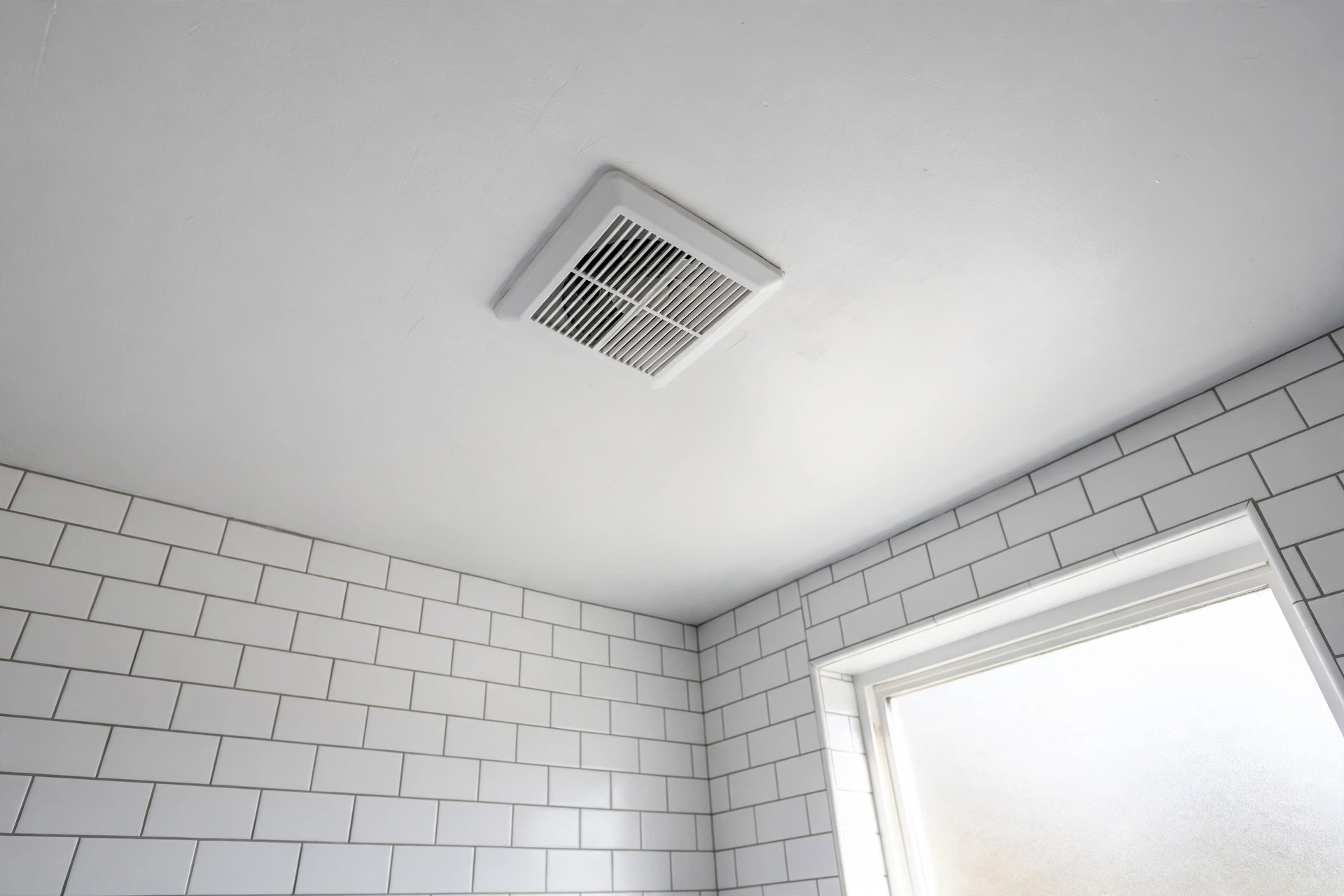

Finding a Good Deal on a Quiet Bathroom Fan
When you search for quiet exhaust fans deals near me, you are looking for two things at once. You want a fan that runs soft enough to leave on after a shower. And you want to pay a fair price. Many shoppers start this search after a loud old fan fails or after a remodel turns a bathroom into a noisy space.
A quiet fan changes how a bathroom feels. The room stays clear of steam. The mirror does not fog. And you can hold a normal talk while the fan runs. Old builder fans often roar at three or four sones. A modern quiet fan can run below one sone, which is about the level of a soft hum.
This guide shows how to find quiet exhaust fans deals near me without paying too much. It covers what quiet means, where to shop, what to check on the box, and how to keep the fan working well for years.
Why a Quiet Exhaust Fan Matters: Quiet Exhaust Fans Deals near Me
Moisture is the enemy of a bathroom. Every hot shower fills the room with warm wet air. That air settles on walls, on the ceiling, and in corners. Over time it feeds mold. It stains paint. An exhaust fan pulls that wet air out through a duct and sends it outside the house.
The problem is that many fans are so loud that no one turns them on. A fan that sits idle does no good. A quiet fan gets used. You can switch it on when you start the shower and leave it on for twenty minutes after. Because it is silent, it does not bother anyone in the next room.
Quiet fans also last longer in most homes. They use better motors and better bearings. A cheap loud fan may fail in five years. A well made quiet fan often runs ten years or more. That makes the quiet model a better deal even when the price tag looks higher. Before you read quiet exhaust fans reviews buying guide usa, keep this in mind: the quietest fan is the one you will actually use every day.
How to Find Quiet Exhaust Fans Deals Near Me
The phrase quiet exhaust fans deals near me works best when you treat it as a starting point, not a store name. Start with a search on your phone for local home centers and hardware stores. Then widen the search to national retailers that ship to your zip code.
Check Local Stores First
Local home improvement stores often run weekend sales on bath fans. Spring remodel season and fall clearance bring the deepest cuts. Big chains carry several quiet models on the shelf, so you can hear the noise rating claim and compare grille sizes in person. Stores such as the ones listed on Lowe’s and The Home Depot also let you order online and pick up at the counter the same day. That saves shipping cost and gives you a return point close to home.
Smaller regional chains sometimes beat the big stores on price. They may carry fewer models, but they often discount last year stock. Call ahead and ask if they have the model you want.
Compare Online Prices
Online prices change fast. A fan that costs ninety dollars on Monday may drop to seventy on Friday. Check the product page on several sites before you buy. Read the reviews, but focus on reviews that mention noise. A reviewer who says “I can barely hear it from the hall” tells you more than a star count.
Brand websites help you compare models side by side. Delta Faucet lists bath ventilation fans with clear sone ratings and CFM numbers. Kohler shows how fan grilles pair with its fixtures so the ceiling looks neat.
Watch for Sales and Rebates
The best quiet exhaust fans deals near me often show up as rebates rather than shelf discounts. Some power companies offer small rebates for ENERGY STAR rated fans. Check your utility bill insert or the company website. A twenty dollar rebate on a seventy dollar fan is a real saving.
Holiday weekends bring store-wide sales. Presidents Day, Memorial Day, and Labor Day are strong times to shop for bath fixtures. Black Friday deals sometimes include bath fans in larger appliance events. Sign up for store email lists a month before you plan to buy.
What to Look for When You Choose
A deal means nothing if the fan is wrong for your room. Read the box before you buy. Four numbers and facts matter most.
Noise Rating in Sones
Sones measure how loud a fan sounds to a human ear. A fan rated at four sones sounds like a normal talk. A fan rated at one sone sounds like a refrigerator hum. Fans below 0.5 sones are nearly silent.
For a bathroom, aim for one sone or less. Master baths and powder rooms benefit most from the quietest models. The This Old House guides explain sone ratings in plain terms and show how they relate to real rooms.
Air Flow in CFM
CFM means cubic feet per minute. It tells you how much air the fan moves. A small half bath needs about fifty CFM. A full bath needs eighty to one hundred CFM. A large master bath may need one hundred ten CFM or more.
A rough rule says one CFM for each square foot of floor. A fifty square foot bath needs a fifty CFM fan. Go a little higher if the ceiling is tall or the duct run is long. Long ducts slow the air, so the fan must work harder. The Spruce has sizing charts that match CFM to room size in simple tables.
Grille Size and Housing Size
Most bath fans fit a standard housing. If you are replacing an old fan, measure the old grille and the hole in the ceiling. Many quiet fans come in a retrofit size that drops into the old housing. This saves you from cutting drywall.
Motor Type and Energy Use
DC motors run quieter than old AC motors and use less power. ENERGY STAR rated fans use about seventy percent less energy than standard models.
Humidity sensors are worth the extra cost in a family bath. The fan turns on when it senses steam and turns off when the air clears.
Types of Quiet Bathroom Exhaust Fans
Not every quiet fan looks the same. The type you pick depends on your ceiling, your budget, and how much work you want to do.
Ceiling Mount Fans
The ceiling mount fan is the most common type. It sits above the shower or near the center of the room. Quiet models in this class run from 0.3 to 1.0 sones. They are easy to find on sale.
Fan and Light Combos
Many buyers pick a fan with a built in light. The combo saves a ceiling fixture and looks clean. Look for LED lights, which run cool and last for years. Some combos add a night light feature that glows soft in the dark.
Inline Remote Fans
An inline fan mounts in the duct, far from the bathroom. The only part in the ceiling is a small grille. These are the quietest of all because the motor sits feet away in the attic. They cost more and need more duct work. They suit large baths or homes where silence matters most.
Wall Mount Fans
Wall mount fans go through an outside wall instead of the ceiling. They work in first floor baths with no attic above. Quiet wall models are less common, so deals are harder to find.
Cost and Price
Quiet exhaust fan prices fall into clear bands. A basic quiet fan costs between forty and eighty dollars. These run around one sone and move fifty to eighty CFM. They suit small baths and tight budgets.
Mid range fans cost eighty to one hundred fifty dollars. These often run below 0.5 sones and include LED lights or humidity sensors. This is the sweet spot for most buyers. The quality jump from basic to mid range is large.
High end fans cost one hundred fifty to three hundred dollars. These are near silent, often 0.3 sones or less. They may include motion sensors, adjustable speed, and designer grilles. They suit master suites and homes where the bath sits next to a bedroom.
Install cost adds to the price if you hire help. A simple swap of an old fan for a new one may cost one hundred to two hundred dollars in labor. A new install with fresh duct work may cost three hundred to six hundred dollars.
To stretch your budget, look at the quiet exhaust fans where to buy usa listings for store options, then match the model number to rebate programs. A mid range fan bought on sale with a utility rebate can cost less than a basic fan at full price.
Care and Upkeep
A quiet fan stays quiet only if you care for it. Dust is the main enemy. The grille and the fan blades collect dust each month. That dust makes the motor work harder and adds noise.
Clean the grille twice a year. Turn off the power at the breaker first. Pull the grille down from its springs and wash it in warm soapy water. Let it dry fully. While the grille is off, vacuum the fan blades and the housing with a soft brush tool. Do this in spring and fall and the fan will stay soft.
Check the duct once a year. Go into the attic and look at the duct run. It should slope slightly toward the outside vent so water drains out. A sagging duct traps water and grows mold. Make sure the outside vent flap opens freely and closes when the fan stops. A stuck flap lets cold air pour in during winter.
Listen to the fan now and then. A new rattle or buzz means something is loose. Tighten the housing screws. If the noise stays, the motor bearings may be worn. Most fans let you replace the motor without buying a whole new unit.
Safety
Bath fans mix power and water, so treat them with care. Always turn off the breaker before you clean or service a fan. Test with a non contact voltage tester if you own one. Water and live wires are a bad mix.
Vent the fan to the outside, never into the attic. Some old installs dump wet air into the attic space. That rots roof wood and feeds mold above the ceiling. The duct must run to a roof cap or a wall vent. HGTV remodel guides stress this point because it is one of the most common bath fan mistakes.
Keep the fan clear of insulation. Blown insulation can pile against the housing and trap heat. Most fan housings list a clearance rule on the label. Follow it.
Bath fans need GFCI protection in some spots. Code rules change by area and by year. A fan over a tub or shower usually needs GFCI protection on its circuit. Your local inspector or a licensed electrician can tell you what your area requires.
Bathroom Style on a Budget
A new fan is often part of a larger bath refresh. A brushed nickel fan grille pairs well with matching faucets and towel bars. For faucet ideas that match a fan grille, the brushed nickel faucets reviews buying guide usa page covers finishes and models. American Standard also shows fixture lines that share a finish family, which keeps the room looking planned rather than patched.
Bob Vila project guides walk through small bath updates step by step. Their cost ranges help you set a budget before you shop.
Frequently Asked Questions
What sone rating counts as quiet for a bathroom fan?
Most experts call one sone or less quiet. Below 0.5 sones is very quiet. Below 0.3 sones is near silent. For a hall bath, one sone is fine. For a master bath next to a bedroom, aim for 0.5 sones or less.
How much CFM do I need for my bathroom?
Use about one CFM per square foot of floor space. A sixty square foot bath needs a sixty CFM fan at minimum. Round up to the next standard size. Choose eighty or one hundred ten CFM for larger rooms or long duct runs.
Can I install a quiet exhaust fan myself?
A direct swap is a fair DIY job if the wiring and duct are already in place. Turn off the breaker, disconnect the old unit, and connect the new one wire for wire. New installs with fresh ducts are harder and often need an electrician.
Why is my new quiet fan louder than the rating says?
The sone rating is measured in a test lab with short straight ducts. Your home has longer ducts with bends. Each bend adds resistance and noise. Keep ducts short and straight where you can. Use smooth metal duct instead of flexible ribbed duct to cut noise.
How long should a bathroom exhaust fan last?
A good fan lasts about ten years with basic care. Cheap fans may fail in five. DC motor fans often last longer than AC motor fans. Clean the grille twice a year and the motor will run free for its full life.
Do quiet exhaust fans use a lot of power?
No. Most use less power than a standard light bulb. ENERGY STAR models use around ten watts. Running a fan for thirty minutes a day costs only a few dollars a year. DC motor models use even less.
A Final Word
The search for quiet exhaust fans deals near me ends well when you shop with a plan. Pick the right sone rating and CFM for your room. Compare prices online and in local stores. Watch for holiday sales and utility rebates. Then install the fan right and vent it to the outside.
A quiet fan is one of the best values in a bathroom. It costs less than a nice faucet. It protects paint, wood, and drywall from steam damage. And it runs so soft that you will forget it is on. That is the mark of a good buy.
References
American Standard. (n.d.). Bathroom and kitchen products. https://www.americanstandard.com Bob Vila. (n.d.). Home improvement advice. https://www.bobvila.com Delta Faucet. (n.d.). Kitchen and bathroom faucets. https://www.deltafaucet.com HGTV. (n.d.). Home and garden ideas. https://www.hgtv.com Kohler. (n.d.). Bathroom and kitchen fixtures. https://www.kohler.com Lowe’s. (n.d.). Home improvement products. https://www.lowes.com The Home Depot. (n.d.). Home improvement products. https://www.homedepot.com The Spruce. (n.d.). Home and garden advice. https://www.thespruce.com This Old House. (n.d.). Home renovation guidance. https://www.thisoldhouse.com
Was this guide helpful?

About David Wilson
The My Garden US editorial team writes practical, in-depth home and garden guides for American homeowners — tested advice, no fluff.
You May Also Like

How to Find Bathroom Wall Tiles Deals Near Me
August 24, 2026 0 views
Rain Shower Heads for Florida Homes: A Complete Buying Guide
August 1, 2026 0 views
Bathroom Wall Tiles Where to Buy USA: A Plain Guide
May 9, 2026 0 views