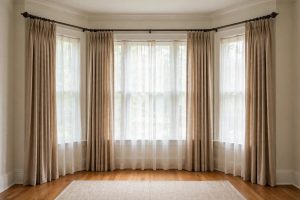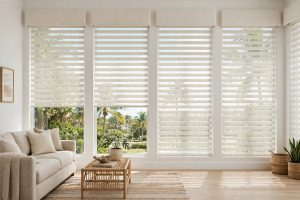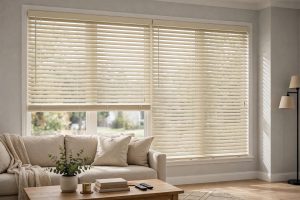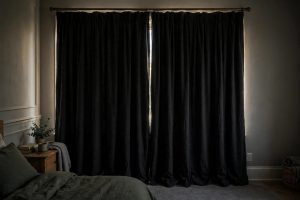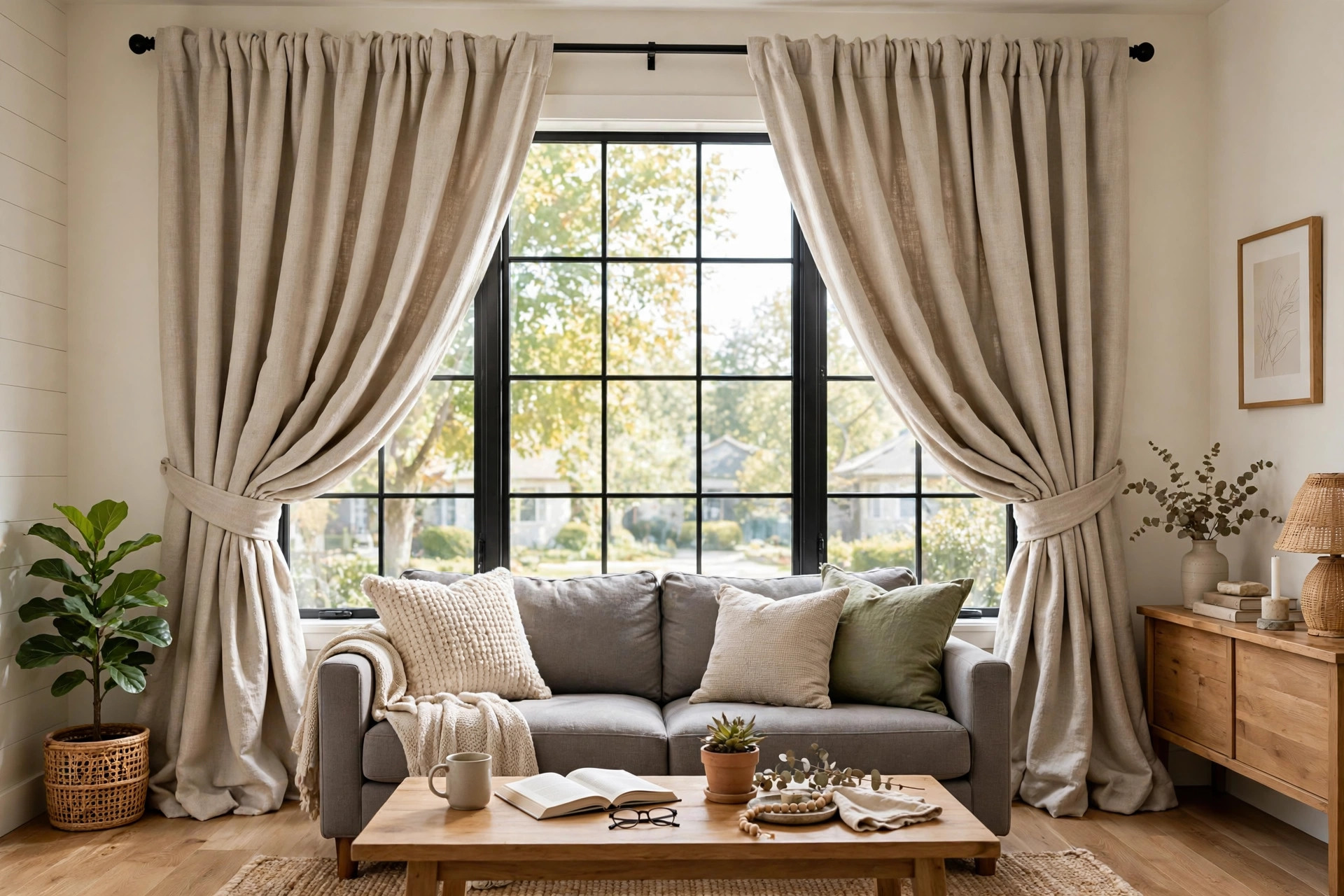
A good night of sleep can be hard to find when traffic noise fills the bedroom. Noise reducing machine washable curtains for sale promise a simple answer to this common problem. These curtains use heavy fabric and tight weaves to soften outside sound. They also wash in a home machine, which saves money on dry cleaning. This guide explains what these curtains do, how to choose them, what they cost, and how to keep them clean.
Why Noise Reducing Curtains Matter
Most American homes sit near a road, a school, or a neighbor with a loud dog. Thin curtains do little to stop this sound. Thick curtains do more. Heavy fabric adds a layer between the noise outside and the room inside. Sound waves lose energy when they pass through dense material. The room becomes quieter and calmer.
Quiet rooms bring real benefits. People sleep better in quiet bedrooms. Children study with fewer distractions. Home offices work better when the street stays outside. Renters benefit too, since curtains hang on a rod and leave no marks on the wall. They are one of the few noise fixes a renter can use.
Washability matters as much as quiet. Curtains collect dust, pet hair, and cooking smells over time. A curtain that cannot be washed grows dull and smells stale. A machine washable curtain goes into the washer and comes out fresh. This is a plain, practical feature that keeps the fabric working at its best.
What to Look For When You Shop: Noise Reducing Machine Washable Curtains for Sale
Fabric Weight and Density
Noise reduction comes from weight. Heavy fabrics block more sound than light ones. Look for fabrics that feel thick in the hand. Triple-weave polyester is a common choice. It packs three layers into one panel. Suede, velvet, and heavy cotton duck also work well. Some brands list the weight in grams per square meter. Higher numbers mean denser fabric and better sound softening.
Fit and Coverage
A curtain only helps if it covers the whole window. Measure the window frame from top to bottom and side to side. Add at least four inches of width on each side. Add at least six inches of length above the frame. Floor-length panels work best because they block sound that slips under the sill. Mount the rod close to the ceiling and wide past the frame. This gives full coverage and keeps drafts out.
Layers and Linings
Many sound-softening curtains use more than one layer. A decorative face, a thick middle layer, and a soft backing make a strong team. Blackout linings often double as sound barriers. Check the product label for terms like thermal insulated or sound dampening. If you already own nice curtains, you can also read our guide to custom thermal insulated curtains for small apartments for lining ideas that work in tight spaces.
Washable Construction
Not every thick curtain survives a washing machine. Check the care label before you buy. Look for the words machine washable in plain print. Panels with foam backing can crack in the washer. Sewn-in linings often hold up better. Curtain rings and metal grommets should be rust-proof. If the label says dry clean only, the curtain is not a true machine washable product.
Header Styles and Hanging
The top of the curtain is called the header. It shapes how the panel hangs and how much sound slips through the folds. Grommet tops slide on the rod and make wide, even waves. Back-tab headers hide the rod and give a clean, tailored look. Rod-pocket styles gather tight and can bunch, which may leave gaps. Pleated headers like pinch pleats fold the fabric into deep valleys. Deep folds trap more sound than flat panels. Pick a header that suits the room and the rod you own. A strong rod matters too. Heavy panels pull on light rods and cause sagging. Choose a metal rod with a center bracket for wide windows.
Color and Light Control
Color is more than style. Dark colors block more light and suit bedrooms. Light colors keep rooms bright and suit kitchens and offices. The weave matters more than the shade for sound control. A thick white panel quiets a room as well as a thick black one. Think about the mood you want. Warm tones like tan and rust make a room feel cozy. Cool tones like gray and blue make it feel calm. Some homes use one color inside for looks and a plain liner behind for function.
Types and Options
Triple-Weave Polyester Panels
Triple-weave polyester is the most common type. The fabric is woven with a black yarn core that blocks light and adds density. It feels smooth on both sides. It resists wrinkles and dries fast after washing. Prices stay moderate. Many colors are sold, from plain white to deep navy. This is a safe first choice for most rooms.
Velvet and Suede Panels
Velvet and suede bring a rich look and strong sound control. The pile traps sound waves and softens echoes inside the room. These fabrics suit living rooms and master bedrooms. Some velvet panels wash well in a gentle cycle. Others need a laundry bag to protect the pile. Read the care label with care.
Layered and Lined Panels
Some curtains pair a cotton face with a separate sound-dampening liner. The two layers move as one panel or hang on a double rod. Liners can be washed on their own schedule. This style gives flexibility. You can change the face for the season and keep the liner year-round.
Roman Shade Alternatives
For narrow windows, a curtain may feel too bulky. Shades offer a trimmer fit. Noise reducing bamboo roman shades for Texas homes show how natural materials can also cut sound in warm climates. Drapes are another path. Our noise reducing pinch pleat drapes buying guide walks through tailored pleated styles that suit formal rooms. Each option has its own strengths.
Cost and Price
Prices for noise reducing machine washable curtains for sale vary with size, fabric, and brand. A single polyester panel for a standard window often runs between twenty and fifty dollars. Velvet and suede panels cost more, often fifty to one hundred dollars each. Custom sizes and lined sets can pass one hundred dollars per panel.
Watch for hidden costs. Wide windows may need two or three panels. A sturdy rod adds ten to thirty dollars. Curtain rings or hooks add a few dollars more. Shipping is sometimes free for large orders. Sales at major home stores often cut prices by twenty to thirty percent. Compare the price per panel, not just the set price, since panel counts differ.
Independent testing groups publish buying guides that rate curtain performance. Consumer Reports tests home products and explains what claims mean. Home advice sites such as The Spruce and Bob Vila publish curtain buying guides with sizing charts. Retailers like Wayfair, IKEA, The Home Depot, and Lowe’s carry wide selections at many price points. Window specialists such as Blinds.com sell custom sizes for odd windows.
Care and Upkeep
Machine washable curtains still need proper care. Read the sewn-in label before the first wash. Wash in cold water on a gentle cycle. Use a mild detergent and skip the bleach. A large load needs room to move, so wash two panels at a time in a full-size machine. Small portable washers may crush thick panels.
Dry the curtains on a low heat setting or hang them damp. Remove them while slightly damp to smooth out wrinkles. Hang them back on the rod right away. The weight of the fabric pulls wrinkles out as it dries. Steam the panels if creases remain. Avoid ironing triple-weave fabric on high heat, which can melt the fibers.
Wash curtains every three to six months. Homes with pets or smokers may need more frequent washes. Shake the panels outside between washes to remove dust. Vacuum with a brush attachment for a quick refresh. Sunlight fades dark colors over time, so rotate panels if one side faces strong afternoon sun.
Safety
Curtains are safe when installed with care. Use wall anchors that hold the full weight of the rod and panels. Heavy sound-softening curtains can weigh several pounds each. A weak anchor pulls out of drywall and brings the rod down. Check the rod brackets once a year and tighten loose screws.
Cord safety deserves attention in homes with small children and pets. Loose cords can wrap around a neck. Choose cordless panels or wand-drawn styles. If cords are present, use a cord cleat to wrap them high on the wall. The U.S. Consumer Product Safety Commission publishes window covering safety guidance for families. Follow it in every room a child uses.
Fire safety matters near heat sources. Keep curtains away from space heaters, radiators, and open flames. Most household curtains are not fireproof. Leave at least three feet between a heater and the fabric. Candles should never sit on a windowsill beneath curtains.
Frequently Asked Questions
Do these curtains block all noise?
No. No curtain blocks all noise. Thick curtains soften sound and cut echoes. They work best against mid and high frequency sounds like voices and traffic hum. Low bass sounds pass through fabric with little change. For strong results, pair curtains with sealed window frames and weatherstripping.
How much quieter will my room feel?
Most buyers report a clear but modest change. A room may drop by five to ten decibels. That sounds small, yet the human ear notices it. Street noise fades into the background. Sleep comes easier. Results vary with fabric weight, window size, and how well the panels cover the frame.
Can I wash them in any machine?
Use a full-size machine for best results. Top-load machines with a center agitator can twist heavy panels. Front-load machines treat fabric more gently. Always follow the care label. If the label allows machine washing, the curtain is built to handle it.
Can I hang them on a tension rod?
A tension rod holds only light panels. Heavy sound-softening curtains need a fixed rod with wall brackets. Use screws and anchors rated for the full weight. A falling rod can damage the wall and break the hardware.
Do they help with heat and cold?
Yes, in a modest way. Thick fabric slows heat loss in winter and blocks sun heat in summer. The gain is small compared to new windows, yet many owners see slightly lower energy bills. Full coverage matters here too. Gaps at the edges let warm or cold air pass.
Will they darken the room?
Many noise reducing panels also block light. Triple-weave fabric often blocks most daylight. This is a bonus in bedrooms. In living rooms, it may make the space feel dim. Look for light-filtering options if you want quiet without darkness.
How long do they last?
Good panels last five to ten years with proper washing. Fabric thins slowly with each wash. Color fades in strong sun. Replace panels when they feel thin or stop hanging straight. Quality rods and brackets last longer than the fabric itself.
Are they worth the price for renters?
Yes, for most renters. Curtains hang on a tension rod or a few small screws. They leave the apartment with you when you move. They cost far less than new windows. They also add insulation, which can trim heating and cooling bills.
A Final Word
Noise reducing machine washable curtains for sale offer a plain and honest deal. They soften the noise of the street. They wash in the home machine. They hang in minutes and move with you. Measure your windows with care. Choose heavy, washable fabric. Hang the panels wide and long. Then enjoy the quiet.
References
Blinds.com. (n.d.). Window blinds, shades, and shutters. https://www.blinds.com Bob Vila. (n.d.). Home improvement advice. https://www.bobvila.com Consumer Reports. (n.d.). Product reviews and ratings. https://www.consumerreports.org IKEA. (n.d.). Home furnishings. https://www.ikea.com Lowe’s. (n.d.). Home improvement products. https://www.lowes.com The Home Depot. (n.d.). Home improvement products. https://www.homedepot.com The Spruce. (n.d.). Home and garden advice. https://www.thespruce.com U.S. Consumer Product Safety Commission. (n.d.). Product safety information. https://www.cpsc.gov Wayfair. (n.d.). Furniture and home goods. https://www.wayfair.com
Was this guide helpful?

About Emily Rodriguez
The My Garden US editorial team writes practical, in-depth home and garden guides for American homeowners — tested advice, no fluff.